Step into the enchanting world of Singapore dessert, where every bite tells the story of a multicultural city deeply devoted to sweet treats. Desserts in Singapore are a vibrant reflection of the island’s unique blend of Chinese, Malay, Indian, and Peranakan influences, each adding their signature ingredients like coconut milk, pandan leaves, or palm sugar to the melting pot. Whether enjoyed at a bustling eating house, at a family gathering, or as the cooling finish to a street food feast, the city’s desserts deliver a perfect balance of textures and flavors. For travelers and locals alike, exploring dessert spots—from old school hawker stalls and dessert cafes to trendy ice cream sandwich shops—is the sweetest way to get to know Singaporean cuisine. Get ready to discover everything from classic options featuring glutinous rice or shaved ice to Instagram-worthy creations with vanilla ice cream and salted caramel, as we reveal the best dessert spots Singapore boasts for anyone with a sweet tooth.
Top 5 Must-Try Singapore Desserts for First-Timers
- Ice Kachang: A mountain of shaved ice packed with red bean, sweet corn, and grass jelly, generously drizzled with palm sugar syrup, condensed milk, and sometimes a dash of chocolate sauce. This cold dessert cools you down and satisfies your sweet tooth in Singapore’s tropical heat.
- Where to find it: Two popular spots to enjoy authentic Ice Kachang are Maxwell Food Centre in Chinatown, where a bowl costs around S$2.50 to S$3.50 and is known for its generous toppings and traditional flavors. Another great choice is Old Amoy Chendol at Chinatown Complex, priced about S$3, which offers a refined take with fresh coconut milk and house-made gula melaka syrup, making it a highlight for both locals and tourists.
- Cendol: Dive into this bowl of shaved ice topped with creamy coconut milk, chewy green jelly noodles, sweet corn, and a decadent pour of gula melaka. Its blend of silky, sweet, and chewy textures is pure delight.
- Where to find it: One of the best places to enjoy authentic cendol is Old Amoy Chendol located at 335 Smith Street, Chinatown. Priced affordably around S$2.50 to S$3.50, this spot is famed for its house-made pandan jelly and rich coconut milk. Another popular destination is Yat Ka Yan Dessert House at Fortune Centre near Bugis Junction, where their signature cendol is served with fresh ingredients and a refreshing taste, priced at about S$6.50. Both locations are beloved by locals and tourists alike for their traditional flavors and quality ingredients.
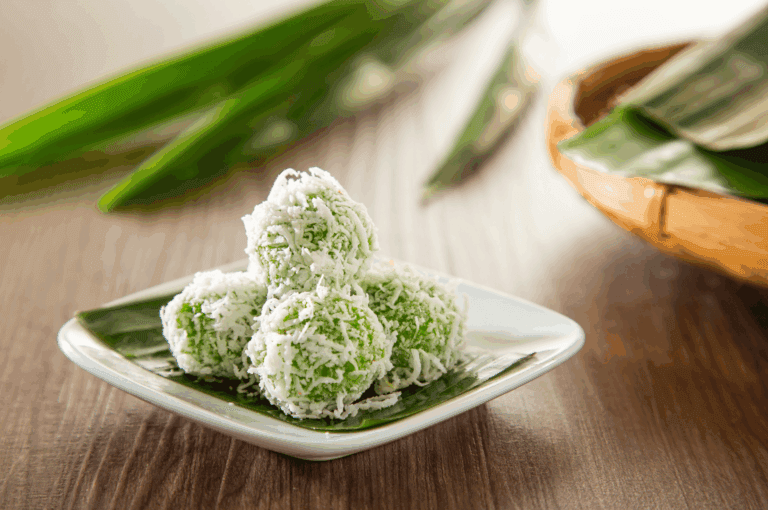
- Ondeh-Ondeh: These pandan-glutinous rice balls conceal a molten center of palm sugar, rolled in freshly grated coconut. One bite, and the richness of the glutinous rice flour and coconut milk is simply unforgettable.
- Where to find it: Try the traditional ondeh-ondeh at Kueh Ho Jiak in East Coast Road, where a serving costs about S$3.50. This spot is loved for its authentic texture and freshly grated coconut topping. Another great option is Boon Tong Kee at Novena Square, offering ondeh-ondeh as part of its dessert menu priced around S$4. Both places highlight the perfect balance of sweetness and chewy texture that makes this dessert a local favorite.
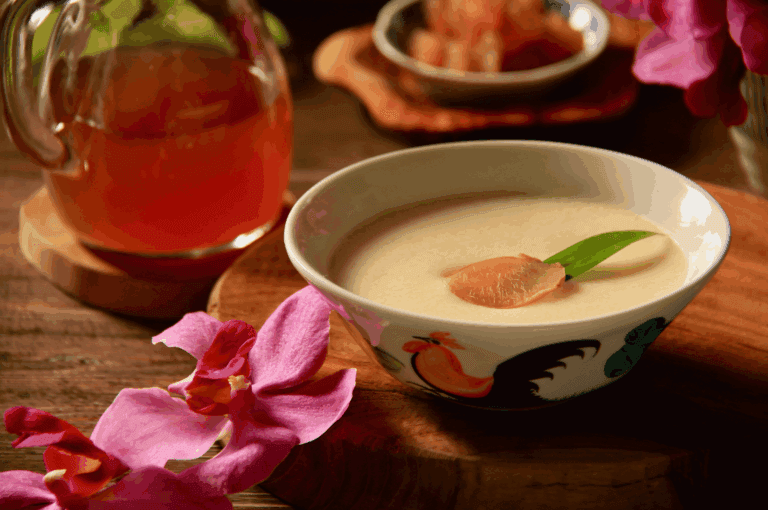
- Tau Huay (Soya Beancurd): A beloved example of traditional Chinese desserts, this soft beancurd sweet soup is delicately sweetened and best enjoyed served warm or chilled.
- Where to find it: One popular spot to enjoy authentic Tau Huay is Ya Kat Yan Dessert House at Fortune Centre, known for its silky texture and traditional preparation, with prices around S$3 to S$5 per bowl. Another great choice is Ah Chew Desserts, which offers a variety of Tau Huay options at affordable prices starting from S$3.50, with outlets at Orchard and Bugis, making it convenient for a quick sweet treat. Both locations are favored by locals for their comforting flavors and quality ingredients.
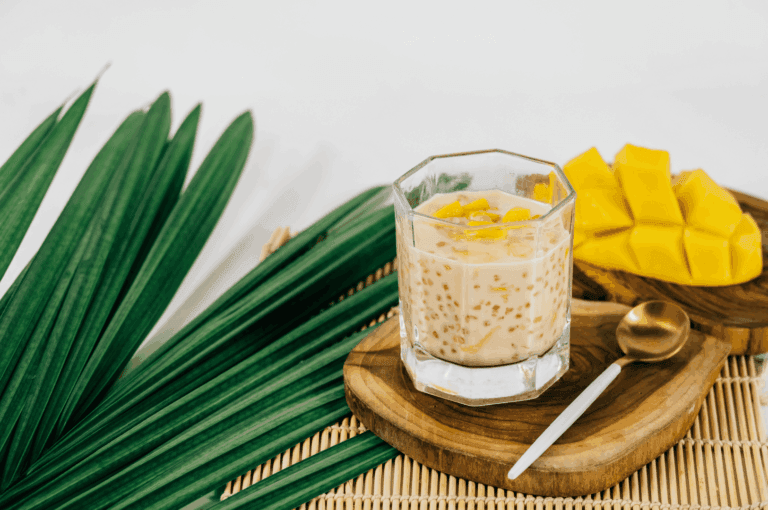
- Mango Sago: This popular dessert mixes juicy mango, sago gula melaka, evaporated milk, and coconut milk—served cold at dessert spots and cafes all over the city.
- Where to find it: One highly recommended place to enjoy Mango Sago is Ah Chew Desserts, with outlets at Orchard and Bugis, where a bowl costs around S$4.60. Known for its creamy blend and refreshing taste, this dessert is a favorite among locals and tourists alike. Another great spot is Dessert Bowl at Serangoon Garden Way, offering Mango Sago at approximately S$5.50, praised for its generous mango chunks and smooth coconut milk base.
Iconic Desserts in Singapore: Where to Find Sweet Classics
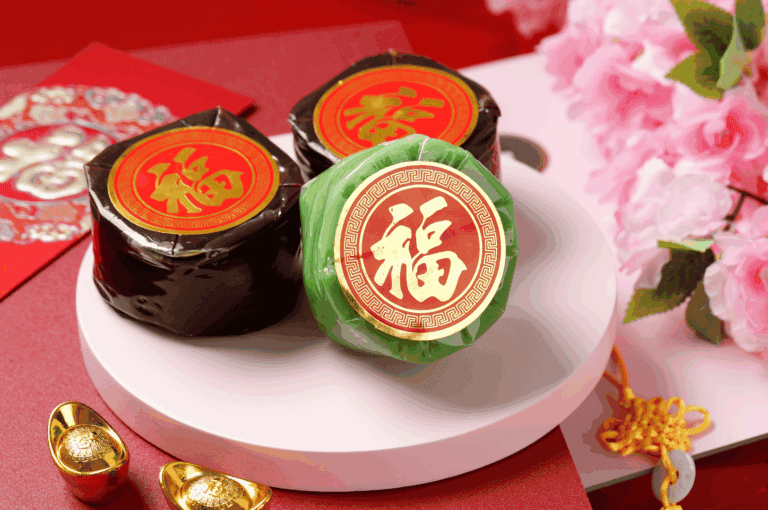
Ah Chew Desserts, Dessert Cafes & More
To taste authentic singapore dessert, visit the city’s legendary dessert spots and dessert cafes:
- Ah Chew Desserts (with famous outlets in Fortune Centre and near Tan Quee Lan Street) is a go-to for traditional hot and cold desserts—black glutinous rice, yam paste, and peanut paste among the favorites. Opening hours stretch late into the night, welcoming dessert lovers craving sweet soup or a bowl of tau suan.
- Maxwell Food Centre and stalls along Serangoon Garden Way crowd with locals queuing for classics like ice kachang piled high with grass jelly, sweet corn, and homemade syrup. Others seek comfort in a warm bowl of peanut soup or soya beancurd—each bite a memory of schooldays and family feasts.
- Chow Zan and Granny Grass Jelly specialize in both classic options and new favorites, like grass jelly paired with durian mousse or pandan chiffon cake crowned with vanilla ice cream. Yat Ka Yan adds to the scene with peach gum sweets, old school bread ice cream sandwiches, and other nostalgia-driven treats.
- Historic and Multi-Generational Shops: Some of the city’s most enduring confectioners craft ang ku kueh and sago gula melaka using techniques perfected over decades. Their focus on quality ingredients, such as hand-pressed coconut cream and real pandan leaves, keeps fans returning for favorite sweets—often available only until sold out each day.
The Rich Heritage of Traditional Singaporean Desserts
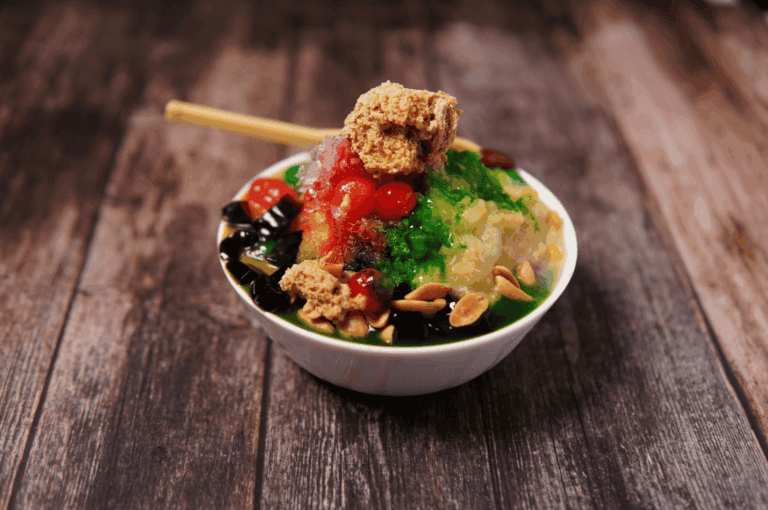
Traditional Desserts and Their Multi-Ethnic Roots
Singapore dessert culture is steeped in traditional desserts passed down through generations, their recipes shaped by cross-cultural influences and local quality ingredients.
Chinese Influences: The world of traditional Chinese desserts shines with delights like tang yuan (glutinous rice balls in syrup with ginger or ground peanut), red bean soup, tau huay (silky soya beancurd), and black glutinous rice pudding. Comfort foods like peanut soup, almond paste, and occasionally peach gum or lotus seeds are often served warm at hawker or dessert cafes, as well as at an authentic tea room in Singapore where traditional flavors are lovingly preserved.
- Malay Dessert Traditions: Malay sweets such as kueh lapis, ondeh-ondeh, and cendol are deeply connected to coconut milk, palm sugar, and pandan. These desserts in Singapore often use glutinous rice flour, sweet potato, and tapioca balls to create the city’s most colorful and chewy treats.
- Indian Sweet Contributions: Indian classics like jalebi, gulab jamun, and palkova make vibrant festival appearances. Famed for their generous use of fresh cream, sugar syrup, and sometimes ground peanut, they add to the diversity of Singapore’s sweet scene.
- Peranakan Dessert Culture: The artistry of ang ku kueh (soft, red glutinous rice cakes filled with mung bean paste), kueh salat (pandan custard atop glutinous rice), and bubur cha cha (a sweet coconut soup with yam and sago) stands out for its complex textures and flavors. Many recipes embrace pandan chiffon cake, durian mousse, or yam paste to put a modern twist on old favorites.
These desserts are often served warm or cold, depending on the weather and the occasion, and always showcase the adaptability of the Singaporean cuisine sweet tradition.
Discovering Unique Singapore Dessert Flavors
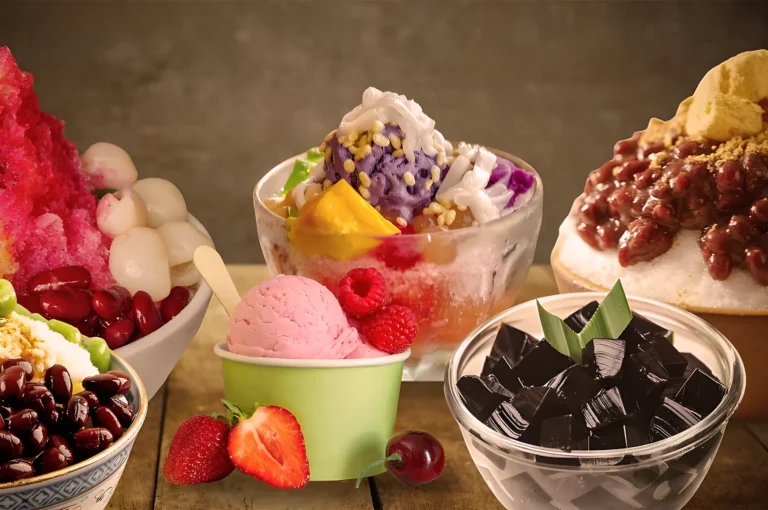
Singapore’s dessert scene is not only rich in tradition but also boasts a variety of unique flavors that tantalize the taste buds. One standout is the durian mango sago, a refreshing dessert that combines the creamy richness of durian with the sweetness of mango and the chewy texture of sago pearls, making it a must-try for adventurous eaters. Another local favorite is the basque burnt cheesecake, which offers a caramelized exterior with a creamy, luscious center, providing a delightful contrast to traditional Asian sweets.
For those who appreciate fruity treats, fruit tarts crafted with seasonal tropical fruits offer a light yet indulgent option. Many dessert shops also specialize in chilled desserts, perfect for Singapore’s tropical climate. Renowned places like Yat Ka Yan Dessert and Fat Kid Bakery are celebrated for their innovative takes on classic desserts, including their signature mango sticky rice and rich black sesame paste creations. The use of Japanese ingredients has also influenced the local dessert landscape, bringing delicate flavors and refined techniques to Singapore’s sweet offerings.
Whether you’re craving the creamy sweetness of azuki beans in traditional red bean desserts or the tropical freshness of coconut water infused treats, Singapore’s dessert culture offers something to satisfy every palate. Many dessert shops have also been recognized by the Michelin Guide, highlighting the city’s commitment to quality and innovation in sweets. For a truly local experience, explore dessert spots in East Plaza or indulge your soft spot for durian with a bowl of durian chendol, a delicious treat beloved by most Singaporeans.
The Art of Duke Dessert and Glutinous Rice Delights
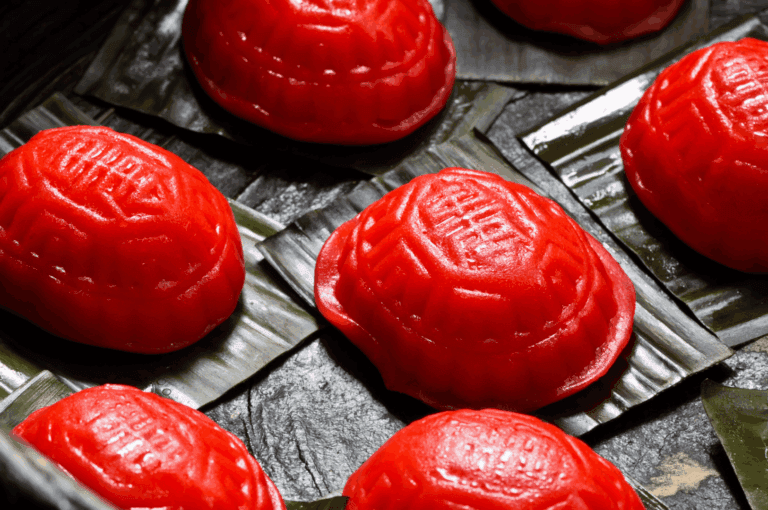
True dessert culture Singapore is kept alive by craftspeople creating perfect ang ku kueh, duke dessert (a yam and sweet potato favorite), and every kind of glutinous rice treat, both at home and in cafes dedicated to quality. Dessert chefs still rely on family secrets, selecting pandan leaves, sweet potato, or sago for just the right flavor. With each new opening, whether an eating house or cafe, the city’s dessert scene thrives.
Sweet Treat Pairings: Drinks and Sweets in Singapore
There’s nothing like pairing your sweet treats with traditional kopi or teh—each cup offering a soft, bitter contrast to soya beancurd, tau suan, or sago gula melaka. Ice cream sandwiches—found in hawker stalls or from street vendors—put a clever Singapore version on the dessert map. Lovers of cold desserts also enjoy inventive drinks, like grass jelly teas, green tea frappes, or dessert-style cocktails using gula melaka and coconut.
Sweet soup aficionados enjoy warming up with bowls of peanut paste, almond paste, or lotus seed dessert, all found at most major dessert spots across the city. For the adventurous, try peach gum, split mung beans, red bean, or chewy glutinous rice balls—each is a celebration in a bowl.
Conclusion: The Future of Singapore’s Dessert Culture
Singapore dessert culture is ever-evolving—a perfect blend of heritage and creativity. New chefs, cafes, and family-run eating houses are eager to blend contemporary flair with Singapore’s storied sweet traditions, whether it’s pandan chiffon cake, tang yuan, glutinous rice sweets, or durian mousse. Today, the global spotlight shines bright on Singaporean cuisine, inspiring international fans—and sweet tooths visiting Singapore—to explore more local dessert wonders. Whether you’re savoring a classic at a hawker stall or discovering a new fusion dessert spot on your next trip, each sweet treat represents the heart of Singapore’s evolving culture.
What’s your favorite dessert in Singapore? Share your must-try recommendations or tell us how you satisfy your sweet cravings—we can’t wait to indulge together!