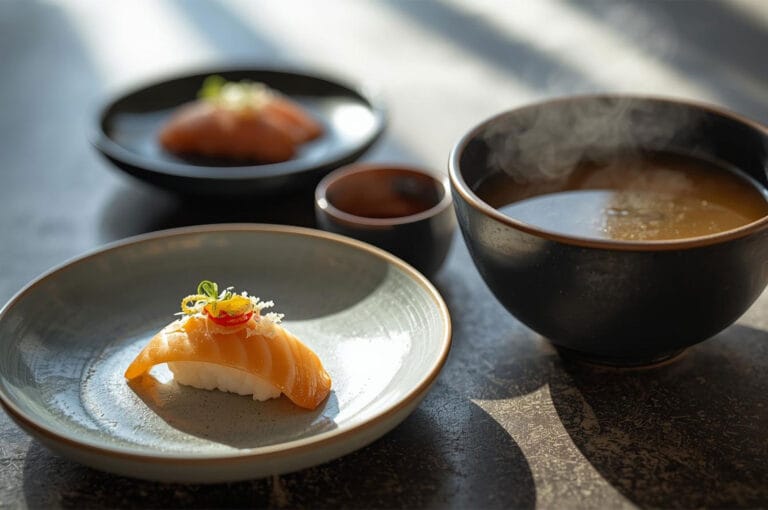
Japanese cuisine holds a special place in the hearts and stomachs of Singaporeans, weaving together centuries-old culinary artistry with fresh, modern influences. From the comforting warmth of miso soup to the exquisite precision of sushi prepared by master Japanese chefs, the love for japanese cuisine in Singapore is deeply rooted and widely celebrated. This fascination is driven by the harmonious balance of flavours, visual elegance, and the meticulousness that defines traditional Japanese food. The journey of Japanese food in Singapore is a remarkable story of culture, adaptation, and innovation—mirroring the city-state’s rise as a world-class food and dining destination.
Early Days: The Arrival of Japanese Cuisine Japanese
The history of Japanese food Singapore reaches back well before the era of modern Japanese dining. Early Japanese migrants brought their traditional japanese food to Singapore in the late 19th and early 20th centuries, establishing small eateries that introduced the earliest Japanese dishes such as udon noodles and japanese rice bowls. These first ventures, run by Japanese expats for their own communities, featured simple main dish and side dishes—like pickled vegetables, raw fish, and vegetables cooked in a variety of japanese cooking styles—served alongside rice and soup. Their presence marked the beginnings of japanese food culture in Singapore, creating a foundation for the evolution of Japanese cuisine in the region.
Golden Era: Sushi Boom and Japanese Restaurant Expansion
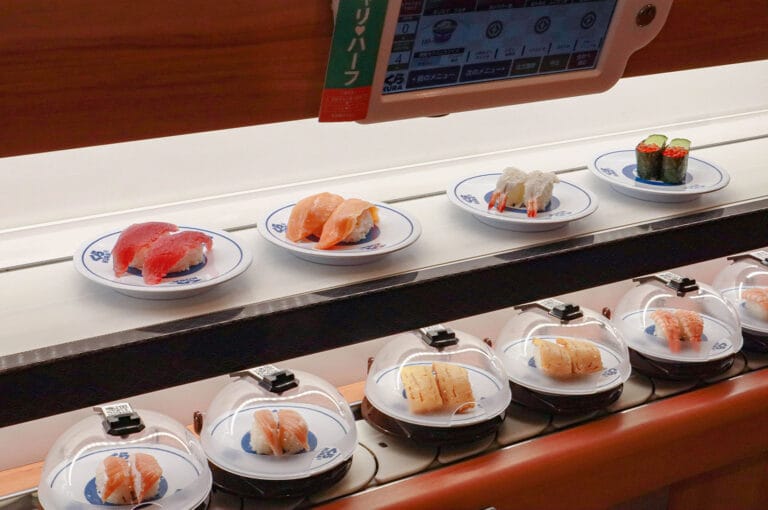
The 1980s and 1990s saw the advent of the golden era for japanese restaurants Singapore, as sushi bars and casual izakayas flourished. This dining expansion brought sushi, beef tongue skewers, and deep fried tempura to the masses, revolutionizing the way locals enjoyed Japanese food. Key players like Sakae Sushi and Genki Sushi made sushi affordable and accessible with creative presentation styles and modern design, turning the conveyor-belt sushi restaurant model into a must-try Japanese dining experience. Families and friends would gather around tables to share a typical meal of sashimi, sushi, udon noodles, dipping sauces made with soy sauce, and even slices of wagyu beef. These milestones transformed Japanese dining from a luxury into a beloved, everyday experience, earning Japanese cuisine its special place in Singapore’s multicultural food scene.
Modern Japanese Dining Trends: Omakase, Ramen, and Beyond
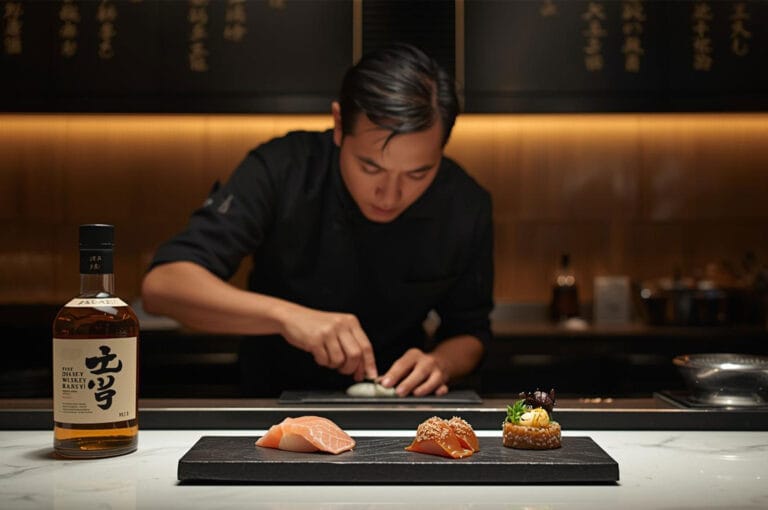
Entering the new millennium, modern japanese dining has become defined by diversity and sophistication. The surge of premium omakase Singapore experiences—where diners entrust the chef to curate a seasonal menu that might showcase authentic japanese flavours, contemporary Japanese dishes, and even fine Japanese whisky—has set a new standard for culinary artistry. Acclaimed Japanese restaurants, such as Shinji by Kanesaka, deliver top-tier omakase with a focus on the freshest ingredients, from raw fish to sanchoku wagyu. Meanwhile, ramen shops and casual eateries have made hot bowls of miso soup, ramen, and hot pot central to local dining, while Japanese street food Singapore stalls offer everything from deep fried chicken karaage to sweet red bean paste desserts.
Singapore’s love for Japanese food has also inspired a vibrant Japanese fusion food scene—creatively blending Japanese and local flavours. From chili crab maki to salted egg tempura, these fusion innovations reflect Singaporean tastes and create new Japanese culinary traditions, further diversifying the menu at every level of dining. For a deeper dive into Singapore’s omakase scene, check out Rubbish Eat Rubbish Grow‘s comprehensive guide.
Spotlight: Best Japanese Restaurants & Influential Dining Destinations
Among the best japanese restaurants in Singapore, certain names have left a major mark on both fine dining and casual Japanese experiences. At Shinji by Kanesaka, diners encounter traditional japanese techniques—and a focus on classic dishes like sushi, sashimi, or finely sliced beef tongue—served with Japanese precision and elegance. Sushi Jiro, with its intimate ambiance, brought authentic Japanese flavours to the table, providing memorable meals featuring carefully selected seafood, traditional rice, and a tasting menu that celebrates each season.
Teppei Japanese Restaurant’s popularity among diners seeking value-for-money omakase and chirashi bowls speaks to the broad appeal of Japanese dining. These spots exemplify Japanese food culture that values quality, seasonality, and presentation—whether for special occasions, casual dining, or group events. With offerings like seasonal menus, main dish and side dishes combinations, and a selection of sake and Japanese whisky, these restaurants create a dining experience that transports guests straight to Japan.
Japanese Dining and Local Culture: The Singaporean Take
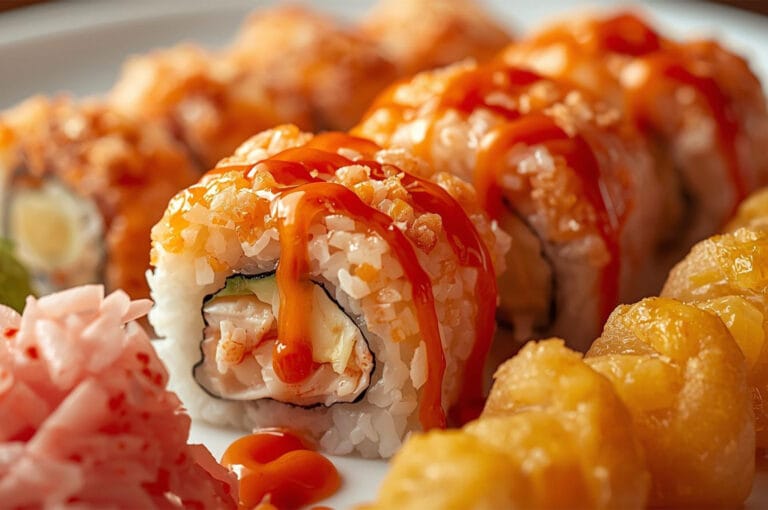
The cross-cultural exchange between Singapore and Japan has shaped the adaptation of Japanese dining to local preferences. While authenticity is highly prized, you’ll also find playful reinterpretations of classic Japanese dishes. Local adaptations often add a dash of spice, a hint of sweetness, or incorporate elements of Chinese origin—resulting in singular creations such as salted egg sushi rolls, sweet red bean paste bao, and ramen topped with local meats and vegetables. Japanese stalls in hawker centres and food courts further democratize Japanese food, making affordable Japanese food a daily enjoyment for many Singaporeans.
Fusion dishes and local innovations highlight the versatility of Japanese cuisine, while still paying homage to its roots in traditional cuisine. For special occasions or just a typical meal, Singaporeans delight in mixing classic Japanese techniques with local flair, cementing Japanese food’s popularity across dining tables and family gatherings.
Japanese Culinary Traditions: Ingredients & Techniques
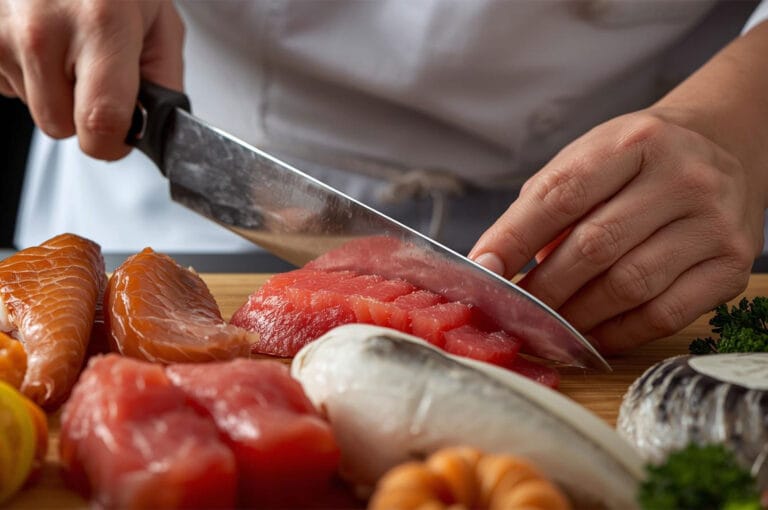
One challenge in preserving the authenticity of Japanese cooking in Singapore involves sourcing ingredients that capture authentic japanese flavours—like Japanese rice, wagyu, or delicate vegetables used in classic japanese dishes. Elite Japanese chefs work closely with suppliers to import seafood and other ingredients directly from Japan, ensuring the highest quality and freshness, whether it’s for raw sashimi, vegetables cooked in savoury sauces, or desserts crafted from sweet red bean paste.
Culinary techniques, such as precise slicing of sashimi, proper preparation of miso soup, and the delicate art of sushi shaping, are faithfully upheld in both fine dining restaurants and casual spots. Chefs also introduce innovation, experimenting with different types of flour for handmade pastas (like udon noodles), unique methods of deep fried meats, and a dazzling array of dipping sauces. This blend of tradition and creativity is the signature of the best japanese food Singapore has to offer.
Dining Trends and the Future of Japanese Cuisine Japanese in Singapore
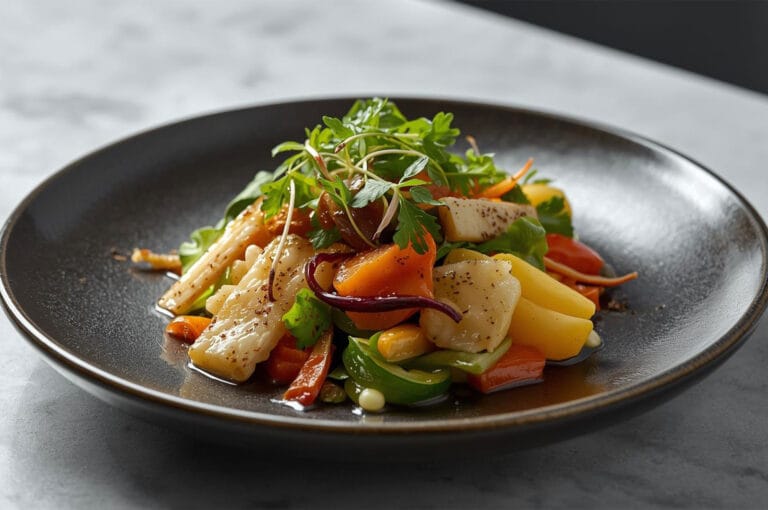
Looking ahead, the evolution of Japanese cuisine is set to continue, with emerging trends focusing on health-conscious options, plant-based Japanese dishes, and sustainability in ingredient sourcing—from seafood to seasonal vegetables. Diners are showing increased interest in the Japanese diet’s balance of rice, fish, meats, and vegetables, as well as the celebration of seasonal ingredients.
Expect to see further exploration of southern Japanese cuisine, contemporary design concepts, and a renewed focus on fine dining Japanese restaurants in prime locations such as Marina Bay Sands. Specialized omakase venues, creative desserts with authentic Japanese flavours, and innovative sake pairings will continue to enrich the local Japanese food landscape. With Japanese chefs leading the charge, Singaporeans can look forward to new traditions, unforgettable dining experiences, and the enduring popularity of Japanese food—whether gathered around a Wednesday night dinner table or celebrating life’s special occasions.
Conclusion: Japanese Dining – A Story of Tradition, Innovation, and Connection
The story of Japanese cuisine Singapore is a tale of tradition blended with innovation. From the humble eateries of early Japanese expats to the modern marvels of fine dining, the journey has enriched Singapore’s culinary scene with a celebration of heritage, flavour, and artistry. Whether it’s a casual bowl of ramen, an elegant plate of sashimi, or exciting fusion creations, Japanese food continues to capture the hearts and palates of diners across Singapore. With its long history, unwavering commitment to quality, and never-ending desire to innovate, Japanese cuisine—on the table and in the culture—will remain a cherished part of Singapore’s dining experience. You can continue exploring this culinary world through Exploring the Richness of Japanese Cuisine in Singapore: From Sushi to Kaiseki or discover family-friendly options with Kid Friendly Restaurants Where Parents Can Relax.