To truly understand Singapore, you must do more than just see its sights; you must taste its stories. Singapore dining culture is far more than a mere collection of dishes or a list of “must-eats.” Singaporean food is a diverse and iconic cuisine, celebrated for its unique flavors and popular street foods like bak chor mee and laksa, offering an authentic local experience. It is the heartbeat of our nation—a vibrant, chaotic, and deeply communal expression of who we are. For us at the SG Dining Guide, food is not just sustenance; it is our social glue, our heritage, and our primary form of communication. Singaporean cuisine is characterized by its use of bold flavors, spices, and fresh ingredients, making it unique in the region.
If you are new to our island or a local looking to deepen your appreciation, stepping into our food scene can feel like entering a new world with its own unwritten rules. Singaporean food is shaped by the broader culinary landscape of Southeast Asia, drawing regional influences from neighboring countries such as Indonesia, Thailand, and Vietnam. Many beloved dishes have Chinese origins, with roots reflected in both traditional and modern Singaporean food—bak kut teh, for example, is closely associated with Chinese eating customs, including pairing it with Chinese tea and classic side dishes. It is a world where a packet of tissue paper on a table speaks volumes, where queuing is a national pastime, and where a simple cup of local coffee comes with its own unique vocabulary. The history of Singaporean cuisine is deeply intertwined with the country’s colonial past and the migration of various ethnic groups, resulting in a rich, multicultural food heritage. The Singapore Sling, an iconic local cocktail originally created at the historic Raffles Hotel, is a celebrated part of Singapore’s food and drink culture and a must-try for visitors. This guide is your invitation to look beyond the plate and understand the “why” behind our eating habits. By peeling back the layers of our multicultural fabric, you will discover that authentic dining here is about community, tradition, and a shared identity that transcends background.
The Cultural Foundation of Singapore's Dining Scene: Best Singaporean Restaurants in Singapore
The bedrock of Singapore food culture is our history as a port city, a meeting point for migrants from China, the Malay Archipelago, India, and beyond. This convergence created a culinary landscape that is as diverse as it is delicious, with many Singapore restaurants offering a wide range of delicious food to suit every palate. When you sit down at a food centre like Maxwell Food Centre or a bistro in Little India, you are participating in a tradition of cultural exchange that dates back centuries. Singaporean cuisine features a mix of traditional hawker centers and upscale restaurants, including some of the best Singaporean restaurants in Singapore.
Our dining scene is shaped by four major pillars: Chinese, Malay, Indian, and Peranakan influences. Early Chinese immigrants brought wok techniques and noodle dishes that evolved into staples like Char Kway Teow and Bak Chor Mee. Chinese cuisine in Singapore is also renowned for its roast meats, such as char siu (Cantonese-style barbecued pork) and pork belly, both prized for their crispy skin, marinated flavor, and tender texture. These roast meats are a staple in many Singapore restaurants and are often served alongside other favorites like roast duck. The indigenous Malay community gifted us with rich, coconut-infused curries and the art of Roti Prata.
A beloved Malay dish, nasi lemak, features fragrant rice cooked in coconut milk and pandan leaves—often using basmati rice for its fluffy texture—served with sambal, fried chicken wings, and other sides. This fragrant rice cooked with aromatic ingredients is a vital component that sets nasi lemak apart and enhances its flavor and aroma. Indian migrants introduced complex spice blends that gave rise to uniquely Singaporean innovations like Fish Head Curry. Meanwhile, Peranakan food—a unique blend of Chinese and Malay influences—reflects a rich cultural heritage and is celebrated for its traditional recipes and regional origins.
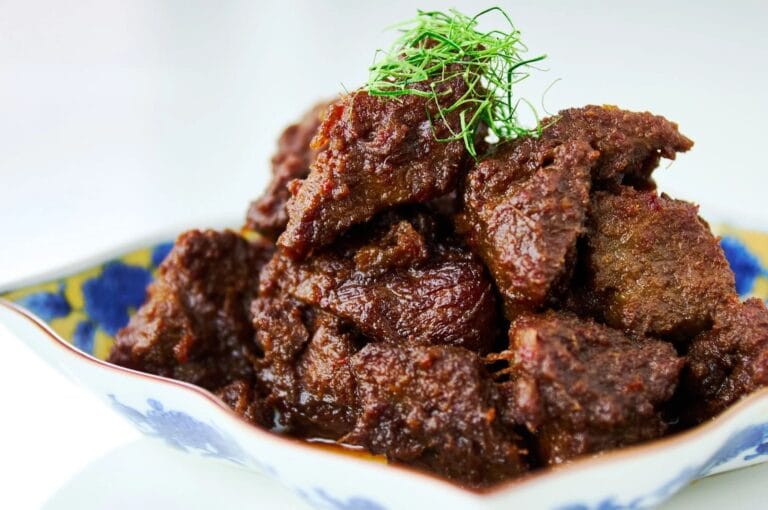
Beef rendang, a signature dish in both Peranakan and Malay cuisine, is known for its rich, flavorful profile and is a highlight at many eateries. The Peranakans—descendants of Chinese immigrants and local Malays—created a hybrid cuisine that serves as a tangible representation of cultural marriage, known for its bold flavors and aromatic spices. Notably, Candlenut is the world’s first Michelin-starred Peranakan restaurant, renowned for its seasonal multi-course menu that showcases the best of this cuisine.
In a multicultural society like ours, food acts as the great equalizer. It is common to see a group of friends from different ethnic backgrounds sharing a meal at a coffee shop or hawker centre. Many Singapore restaurants are known for their signature dish, which often becomes a must-try for visitors, while others are famous for a popular dish that is highly recommended by locals and tourists alike. This inclusivity is built into the very infrastructure of our dining spots. Halal certification is widespread, ensuring our Muslim friends can dine with ease, while vegetarian options are increasingly celebrated, particularly during festivals like Vesak Day or the Nine Emperor Gods Festival. Understanding Singapore dining culture means recognizing these sensitivities. It is about knowing that a “pork-free” sign is different from Halal certification, or why beef is avoided by many Buddhists and Hindus. These nuances are not barriers; they are bridges that allow us to share tables and lives. When it comes to ingredients, Singaporean cuisine also embraces diversity with components like young jackfruit, which is used in Peranakan and fusion dishes for its tender texture and ability to absorb flavors.
Understanding Local Dining Etiquette and Traditions at Hawker Centres
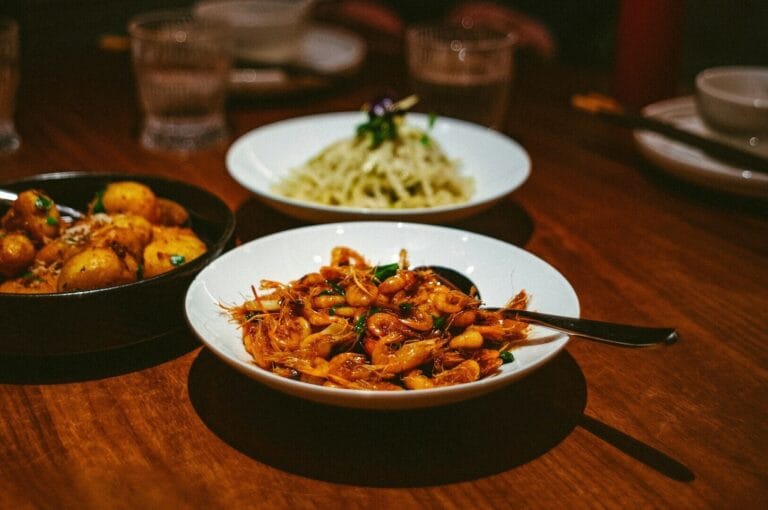
To navigate local dining Singapore style, one must master the subtle art of etiquette that governs our public eating spaces. Hawker centres are a central aspect of Singapore’s food culture, offering a wide variety of affordable local dishes. Hawker centres in Singapore offer a wide range of affordable local dishes, typically costing between $3 and $6. These bustling food courts are beloved by locals and visitors alike for their delicious and budget-friendly meals—you can easily eat well on under $10 a day in Singapore if you stick to hawker centres. The extensive selection at these centres is so tempting that many diners wish they could sample the whole menu, but ultimately have to narrow down their choices. Many Singaporeans prefer to eat at hawker centres due to their affordability and variety of food options. The most famous of these unwritten laws is the “chope” culture. If you walk into a busy hawker centre like Maxwell Food Centre or Amoy Street Food Centre during lunch hour and see a packet of tissue paper resting on an empty table, do not move it. That table is reserved. This informal reservation system is universally respected and is a quirky testament to our pragmatic nature.
Among the variety of dishes, you’ll find rice cakes such as chwee kueh and carrot cake—despite its name, made from daikon radish and rice flour—both popular breakfast and street food options. These are typically served with chilli sauce and often enhanced with pork lard for extra flavor. Dishes like chicken rice, laksa, and char kway teow are commonly found at hawker centres and are popular among diners.
Another pillar of our etiquette is the queue. If you see a long line at a stall, join it. We don’t just queue for food; we queue for good food. A long line is the most reliable review you will ever get. It signals trust and quality. Cutting the line is a cardinal sin, while patience is a virtue that is almost always rewarded with a delicious meal. Many hawker stalls close once they run out of food, emphasizing the freshness and popularity of their offerings.
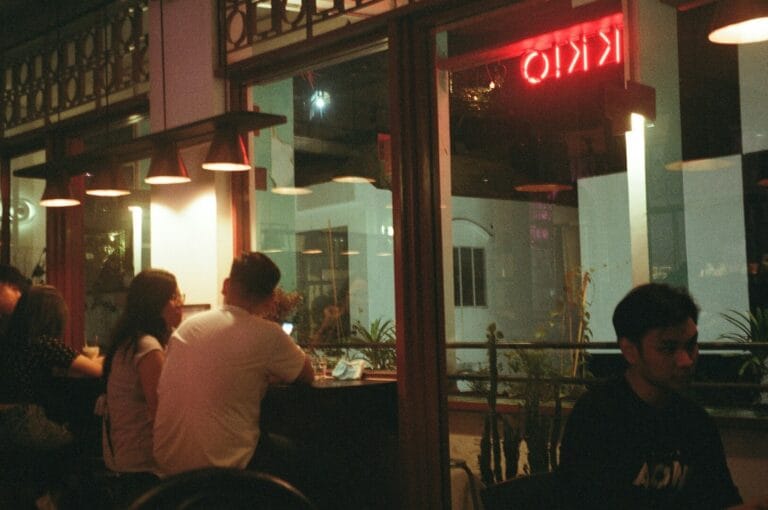
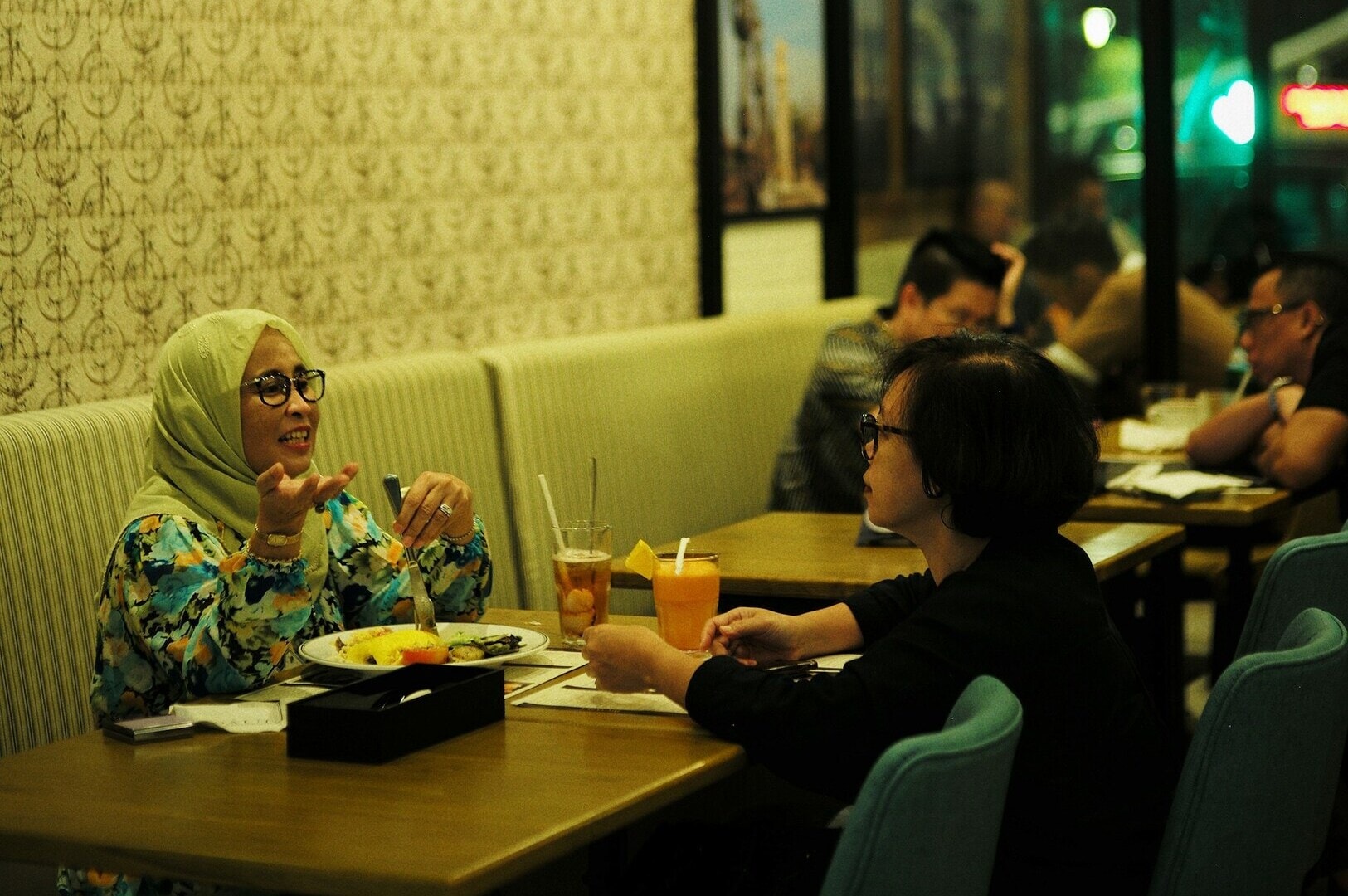
Communal dining is also standard practice. At peak hours, empty seats are fair game. It is perfectly normal to share a table with strangers. A polite nod or a simple “Is this seat taken?” is all the introduction you need. While we may not always engage in deep conversation with table-mates, there is a silent camaraderie in sharing space. Comforting dishes like fried tofu and yong tau foo—stuffed tofu, fish paste, and vegetables in soup or dry styles—are commonly found at hawker centres and are favorites for many.
When it comes to service, don’t expect the hovering waiters of Western fine dining in our hawker centres. It is self-service: you order, you pay (usually cash or QR code), and you carry your own tray. Tipping is not part of the Singapore dining culture in hawker settings, though it is appreciated in restaurants where a service charge isn’t included. However, most restaurants add a 10% service charge and 9% GST (Goods and Services Tax), so additional tipping is not expected.
Finally, meal times are sacred, especially for families. Weekend dinners are often grand, communal affairs where dishes are shared “family style” in the center of the table. It’s about sharing wealth and abundance, ensuring everyone gets a taste of everything.
The Language of Food: Local Terms and Ordering Like a Pro to Eat in Singapore
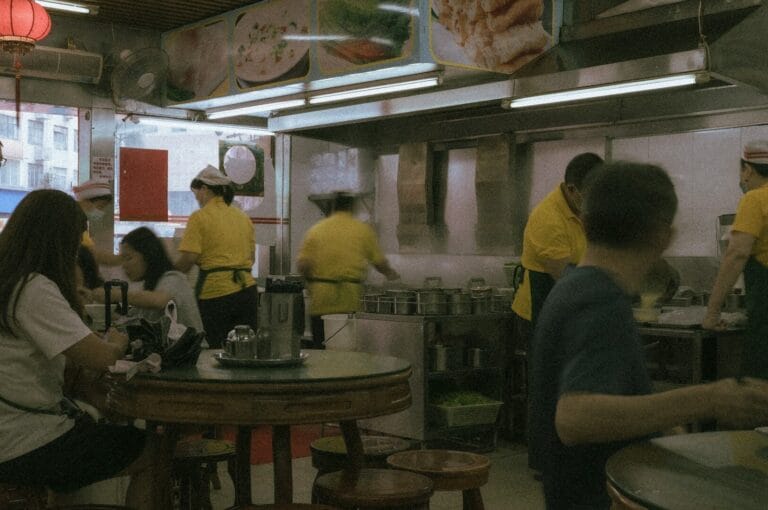
To truly blend in at authentic Singapore restaurants and coffee shops, you’ll want to pick up the local lingo. Our “Singlish” food vocabulary is practical and vivid—essential for getting your kopi or teh just right. Ordering drinks at a kopitiam is almost an art. Instead of just asking for “coffee” or “tea,” specify if you want kopi (coffee with condensed milk), kopi-O (black coffee sweetened with sugar), or kopi-C (coffee with evaporated milk and sugar). If you take your coffee with no sugar or milk, ask for kopi-kosong. Tea follows the same pattern: teh for tea with condensed milk, teh-O for tea without milk, and teh-C if you prefer evaporated milk. Want it iced? Add “peng“—so kopi-O peng is iced black coffee with sugar. If you like it less sweet, say “siew dai”; if you prefer more sugar, go for “gah dai.” This shorthand gets you exactly the drink you want, and signals to fellow diners that you know your way around the local scene.
When ordering food, knowing a few terms helps navigate Singapore culinary heritage.
Makan: To eat. “Have you makan yet?”
Tabpao (or Dabao): Takeaway. “One chicken rice, tabpao.”
Shiok: Delicious, satisfying. “This laksa is so shiok!”
Jelak: The feeling of being overwhelmed by rich food, like too much coconut milk.
Many local noodle dishes, such as wanton mee and bak chor mee, use egg noodles for their springy texture and rich flavor. For example, bak chor mee literally translates to “minced meat noodles” in Hokkien, and is a beloved dish often served dry—meaning the noodles are tossed in a savory sauce and chili oil rather than soup. The dish features minced pork as a key ingredient, giving it a distinctive, hearty taste. Notably, a Michelin-starred hawker stall is famous for its bak chor mee, which is served dry with chili sauce and generous portions of minced pork.
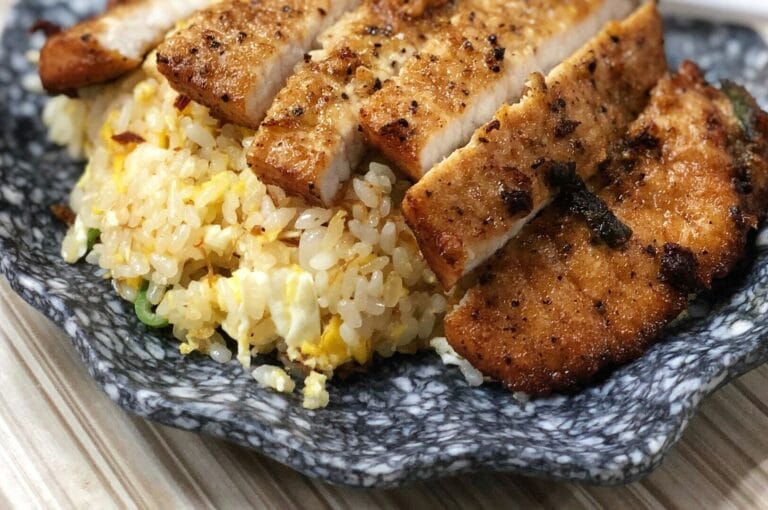
When it comes to chicken rice, the flavorful rice is a key component, made aromatic and tasty with ginger, garlic, and chicken stock. Hainanese chicken rice is a must-try dish in Singapore, made with poached chicken and fragrant rice. Chicken rice is made by poaching whole chickens at sub-boiling temperatures, resulting in tender meat and flavorful rice. When ordering, don’t forget to ask for pureed ginger, a traditional dipping sauce that accompanies Hainanese chicken rice.
Char kway teow is a popular stir fried noodle dish made with flat rice noodles, soy sauce, dark soy sauce, Chinese sausage, bean sprouts, and blood cockles. Sometimes, fish cake is also included as a flavorful topping. The combination of these ingredients, cooked over high heat, gives the dish its signature smoky aroma and rich taste.
Most menus in hawker centres are multilingual or photo-based, but don’t be afraid to ask the “uncle” or “auntie” (respectful terms for older vendors) for their recommendation. Payment is increasingly digital, but cash is still king in many older establishments.
After sampling the local fare, be sure to visit some of the famous hawker stalls. Tian Tian Hainanese Chicken Rice is a famous stall known for its flavorful chicken and rice, and it is a Michelin Bib Gourmand recipient located in a popular hawker center in Chinatown.
Where and When Locals Actually Eat: Best Hawker Stalls and Food Centres
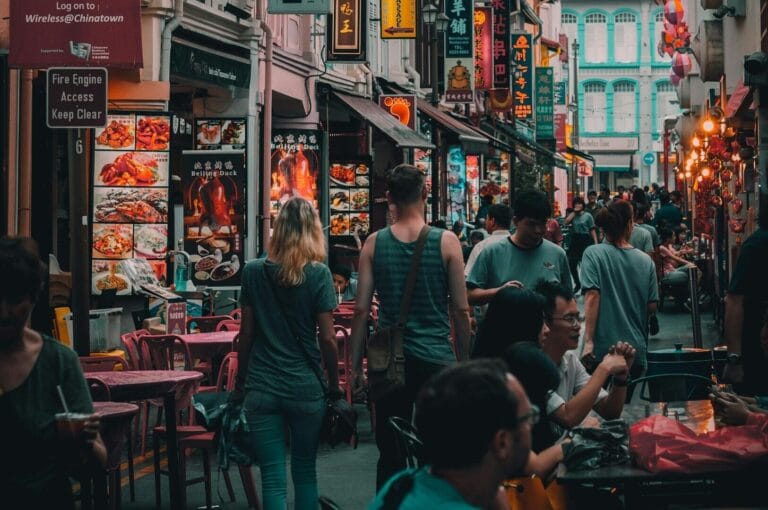
While tourists flock to Newton Food Centre or Lau Pa Sat, locals often have a different map of Singapore dining culture. Lau Pa Sat is especially iconic, transforming into “Satay Street” in the evenings, with satay stalls lining the street and filling the air with the aroma of grilled skewers. The real heart of our food scene lies in the neighborhoods—places like Toa Payoh, Bedok, or Clementi. Here, the hawker centres are community living rooms and serve as cultural hubs where locals gather to enjoy affordable meals and socialize. Many hawker stalls close once they run out of food, a testament to the freshness and popularity of their offerings. When planning food outings, locals often use Google Map to organize and save their favorite food spots, making it easier to explore the best singaporean restaurants in singapore. The diversity of the Singapore restaurant scene is remarkable, ranging from family-run zi char restaurants to modern establishments like 808 Eating House in Joo Chiat and the restaurant in Singapore Botanic Gardens, which features contemporary Straits cuisine using local ingredients.
Breakfast is a serious affair. It often starts early with kaya toast and soft boiled eggs at a neighborhood coffee shop, or perhaps a hearty bowl of noodles. Ya Kun Kaya Toast is a popular establishment for a traditional Singaporean breakfast set, typically served with kaya toast, soft-boiled eggs, and coffee.
Lunch is fast and furious, centered around the Central Business District or industrial parks, where office workers descend in droves. Laksa is a popular dish in Singapore that consists of rice noodles in a spicy coconut-based curry broth, and Sungei Road Laksa is known for its traditional preparation method using a charcoal burner.
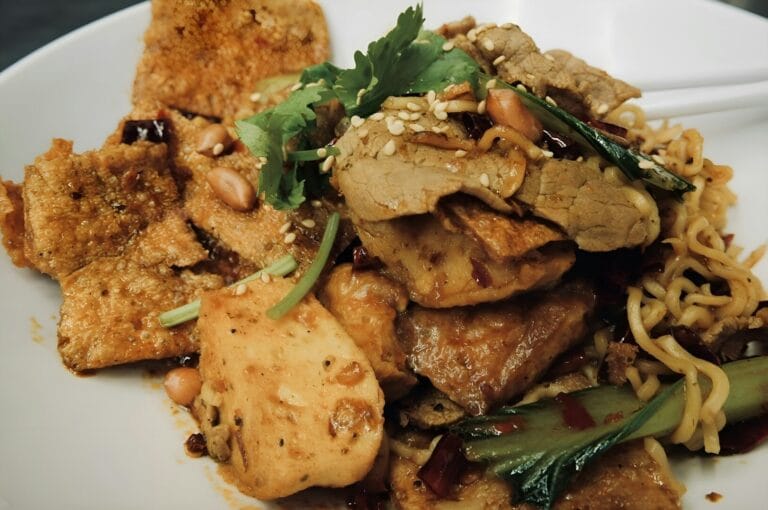
Dinner and “supper” are where the magic happens. Supper culture is huge here. We are a nation of late-night eaters. Establishments like Swee Choon Tim Sum in Jalan Besar or the various roti prata shops along Upper Thomson Road bustle well past midnight. This is when the air is cooler, the vibe is relaxed, and friends gather to debrief the day over comfort food. Hokkien mee, a dish made with egg and rice noodles braised in a rich prawn stock and stir-fried with seafood, is a local favorite for dinner and supper. Oyster omelette, made with fresh oysters and a crispy yet gooey batter, is another must-try local delicacy often found at hawker centres.
Weekends are for Yum Cha (dim sum brunch) or visiting Zi Char spots—casual Chinese eateries serving home-style dishes like Har Cheong Gai (fried chicken) and Cereal Prawns. These places, often located in open-air coffee shops in residential estates like Ang Mo Kio or Tiong Bahru, are where you witness the multi-generational family dynamics that define our social fabric. Traditional desserts and snacks featuring glutinous rice and palm sugar are also commonly found at these eateries.
After a night out, shaved ice desserts like ice kacang are popular late-night treats, offering a refreshing way to cool down.
Festivals also dictate our dining calendar. During Chinese New Year, restaurants are booked out for Lo Hei (prosperity toss), while Ramadan sees the Geylang Serai bazaar come alive with street food, and Deepavali brings a surge of sweet treats to Little India. Chili crab and chilli crab are considered national dishes, with Long Beach Seafood being a well-known restaurant for chili crab. Some restaurants present unique versions of laksa and chili crab inspired by local heritage.
Social Dynamics: Food as Cultural Expression in Best Singapore Restaurants
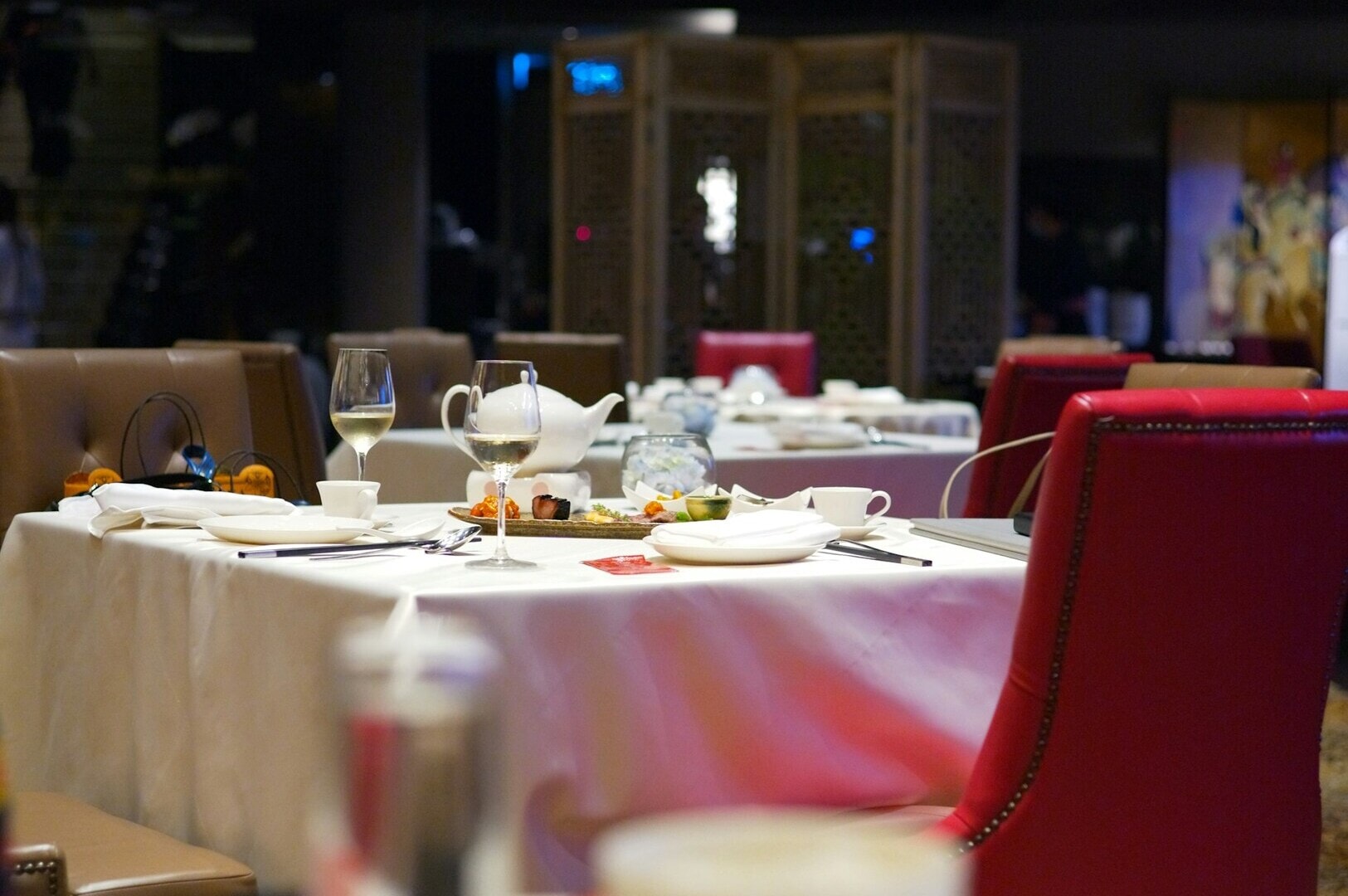
In Singapore, food is a currency of care. The phrase “Have you eaten?” is effectively our version of “How are you?” or “I love you.”
This extends to our social dynamics. The concept of “treating” is common. In business or among older generations, fighting to pay the bill is a performative dance of politeness. However, among younger crowds, splitting the bill (often via apps like PayNow) is standard.
“Tabpao” culture is also a fascinating aspect of Singapore dining culture. We take away food constantly—for family members at home, for colleagues, or just for a later snack. It is a gesture of thoughtfulness. Bringing back a famous curry puff or a specific drink for someone is a small act of intimacy.
Locals discover food not just through blogs but through word-of-mouth. If a colleague mentions a “hidden gem” in Katong or a new stall in Old Airport Road, plans are made immediately. We are willing to travel across the island (which, admittedly, isn’t very large) just for a specific bowl of rice noodles or a plate of char kway teow, especially when these are known to be incredibly tasty. The relentless pursuit of the best flavors and the most popular dish at each spot is what keeps our authentic Singapore restaurants and hawker stalls thriving. For many, finding the best singaporean restaurants in singapore means seeking out those incredibly tasty, popular dishes that locals can’t stop talking about.
Conclusion
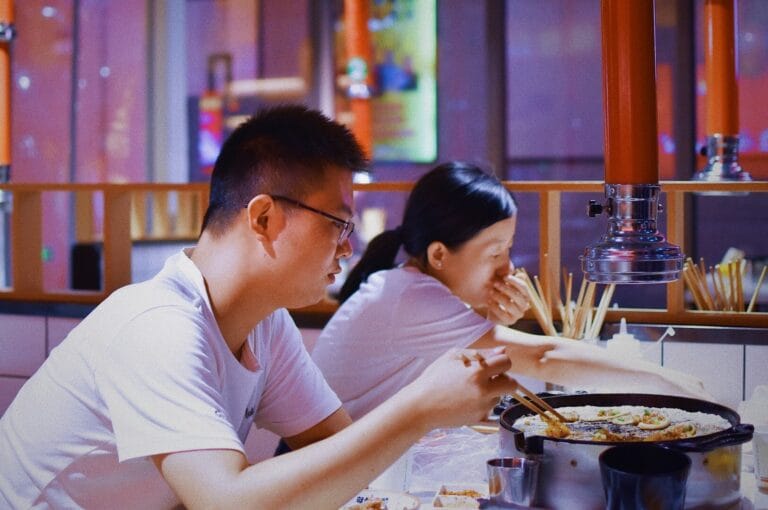
Singapore dining culture is an endless journey of discovery. It is complex, loud, sometimes sweaty, but always welcoming. By understanding the context—the history, the etiquette, the language—you transform a simple meal into a cultural connection.
We encourage you to go beyond the guidebooks. Visit a neighborhood hawker centre in the heartlands. Order a Kopi-C Siew Dai. Ask the taxi driver where he eats his favorite chicken rice. Observe the rhythm of the queue and the joy of the shared table. When you participate respectfully in these traditions, you aren’t just eating our food; you are becoming a part of our community.
Ready to start your culinary adventure? Explore our neighborhood guides to find the best local spots near you, or read our honest restaurant reviews to plan your next meal. Welcome to the table.