If you blink, you might miss it. That’s the reality of the Singapore restaurant scene right now. It is aggressive, restless, and incredibly exciting. We aren’t just seeing a rotation of new chefs or a fresh coat of paint on old shophouses; we are witnessing a fundamental structural shift in how this city eats. The days of static menus and predictable service models are fading. In their place, a dynamic, tech-infused, and culturally conscious ecosystem is emerging. As a food lover here, I can tell you that the forces reshaping our plates are powerful. From high-tech efficiencies to a deep, soulful re-examination of our heritage, the evolution is palpable. Let’s dig into the specific dining trends and innovations that are currently rewriting the rules of engagement for diners and chefs alike.
Much of this shift has been carefully tracked and contextualised by local observers such as SG Dining Guide, which has been documenting how Singapore eats long before these trends became mainstream.
Best Restaurants: Technology-Driven Transformations
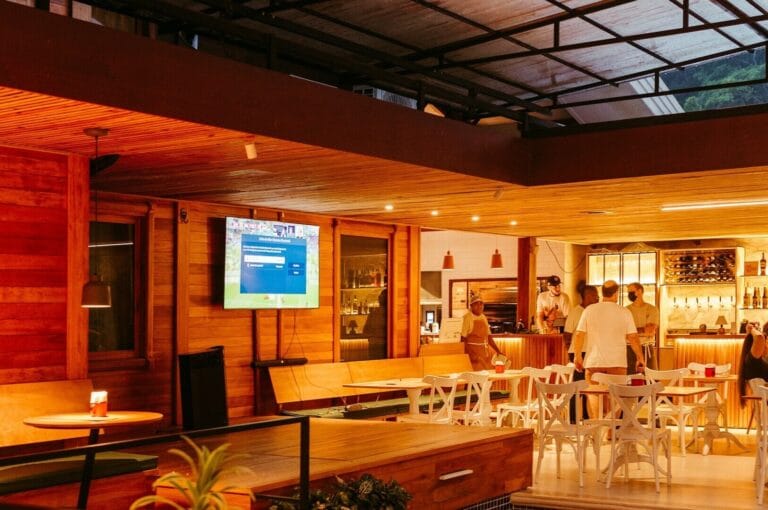
We used to view technology in dining as a cold, impersonal barrier—a QR code standing between us and human connection. But the narrative has flipped. The restaurant trends Singapore is embracing today use technology not to replace hospitality, but to streamline the friction that often surrounds it. Digital integration has moved far beyond simple contactless payments. We are seeing a wave of dining innovation Singapore has never experienced before, where data drives the menu. Restaurants now highlight their latest menu updates and special restaurant offers online to attract diners, ensuring guests are always aware of new culinary experiences and promotions. Technology also enables restaurants to maintain an extensive menu, catering to a wide range of preferences and dietary needs.
Artificial intelligence is quietly working in the background of our favorite spots. It is analyzing what we eat, when we eat it, and predicting what we might crave next. This allows chefs to tailor menus with surgical precision, reducing waste and increasing satisfaction. We are also witnessing the maturation of the ghost kitchen model. These aren’t just soulless production lines anymore; many are incubators for experimental concepts that eventually find brick-and-mortar homes. This shift is crucial for the Singapore food industry, as it lowers the barrier to entry for young talent. It means that the next great burger or sustainable bowl you eat might have started as a data point in a cloud kitchen before it ever hit a ceramic plate. Niche discovery apps like HappyCow now assist diners in finding vegan-friendly options or restaurants accommodating dietary restrictions. This is the new reality of an evolving restaurant scene Singapore is pioneering—one where efficiency breeds creativity rather than stifling it.
Marina Bay Sands and Dempsey Road: Sustainability and Conscious Dining

There was a time when “sustainable” was just a marketing buzzword slapped onto a menu to justify a higher price point. Thankfully, those days are over. The Singapore culinary trends defining 2025 are rooted in genuine, hard-nosed accountability. Zero-waste isn’t a niche concept anymore; it is becoming the baseline expectation for any serious establishment. We are seeing kitchens adopt circular economy practices where every scrap of peel, bone, and stem is repurposed into stocks, garnishes, or compost.
The shift towards conscious dining is also reshaping the protein landscape. Plant-based options are no longer relegated to a sad corner of the menu. They are front and center, driven by innovation that makes alternative proteins taste genuinely exciting. Spices play a crucial role in crafting authentic and exciting flavors, especially in plant-based and regional dishes, with chefs carefully sourcing and blending aromatic seasonings to create depth and cultural authenticity. But perhaps the most heartening shift is the “farm-to-table” movement taking root in a city with barely any farmland. The rise of high-tech vertical farming and local aquaculture means that “local sourcing” in Singapore is finally a reality. Many top rated restaurants now emphasize the use of fresh produce and fresh seafood, often sourcing ingredients locally to ensure peak quality and flavor. Menus frequently change throughout the year to showcase seasonal ingredients, reflecting both ingredient availability and a commitment to culinary innovation. Chefs are working directly with rooftop gardens in the CBD and fish farms off Pulau Ubin to shorten supply chains. This responsiveness to the climate crisis is reshaping the Singapore restaurant scene, proving that luxury and ethics can, and must, coexist.
When it comes to heritage and traditional dishes, basmati rice remains a classic option in Singaporean cuisine, especially in beloved dishes like beef rendang or fried rice, where its quality and cultural significance shine. Restaurant Air is a standout example, featuring an open kitchen and a garden setting, with a strong emphasis on sustainability throughout its dining experience.
Restaurants in Singapore: Cultural Fusion and Heritage Revival
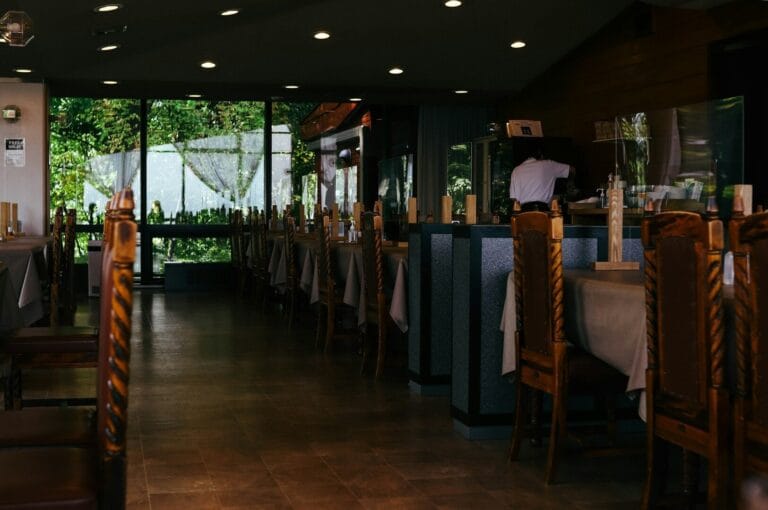
For years, “fusion” was a dirty word, often implying a confused mishmash of flavors. Today, however, we are seeing a sophisticated revival of heritage through a modern lens. The Singapore food industry is being energized by a generation of young chefs who are unapologetically claiming their roots while applying rigorous modern techniques. They aren’t diluting tradition; they are amplifying it. In their pursuit of authentic taste, these chefs strive to preserve traditional flavors while innovating with new methods and ingredients.
We are seeing bold reinterpretations of Peranakan, Malay, and Chinese dialects that challenge the old guard. It is the evolution of “Mod-Sin” (Modern Singaporean) cuisine into something more granular and specific. A chef might take a humble rempah (spice paste) and apply French fermentation techniques to extract new layers of umami, or reimagine a classic Teochew dessert using molecular gastronomy. Signature Cantonese dishes like char siew are also being featured and reimagined in many top rated restaurants, showcasing the dish’s enduring appeal and versatility. Beef tongue, a premium and delicately prepared meat option, is increasingly found on contemporary and gourmet menus, highlighting the culinary versatility and refinement of Singapore’s dining scene. This is central to the evolving restaurant scene Singapore is famous for—a constant dialogue between the past and the future. It honors the grandmothers who perfected these recipes while acknowledging that culture is a living, breathing thing that must adapt to survive. This balance of innovation and authenticity is keeping our culinary identity sharp and relevant on the global stage.
The overall culinary experience in Singapore’s top rated restaurants is elevated by memorable dining journeys that combine atmosphere, presentation, and attentive service. Notable establishments include Burnt Ends, renowned for its expertly cooked dry-aged steaks and dishes touched by fire or smoke; Claudine Restaurant, offering approachable French cuisine; Odette, a three-Michelin-starred restaurant known for innovative French cuisine; Cloudstreet, a two-Michelin-starred progressive Australian restaurant; Nouri, a Michelin-starred venue exploring cultural intersections; Labyrinth, a Michelin-starred restaurant reimagining local dishes; Jaan by Kirk Westaway, a two-Michelin-starred modern British restaurant; Meta, a Michelin-starred spot for French classics with an Asian twist; Restaurant Zén, a Michelin-starred Nordic-Japanese fusion restaurant; Summer Pavilion, a Michelin-starred Cantonese restaurant; Forma, recognized for handmade Italian pasta; Thevar, a two-Michelin-starred restaurant; Candlenut, the world’s first Michelin-starred Peranakan restaurant; Noci Pizza Studio Tamaki, a sought-after pizza specialist; Inle Myanmar Restaurant, serving authentic Burmese cuisine; Kok Sen Restaurant, popular for classic zi char dishes; Hjh Maimunah, known for excellent Malay and Nasi Padang meals; and Un-Yang Kor-Dai, offering authentic Isan cuisine.
Hawker Stalls and Fine Dining: Experience-Focused Dining
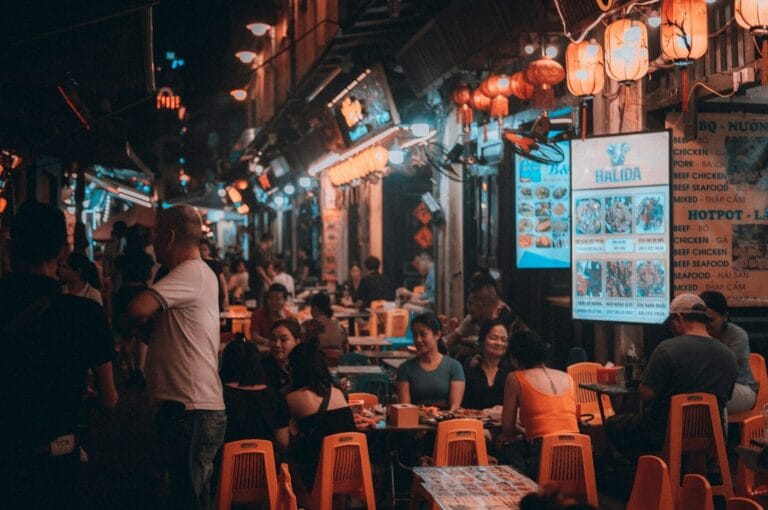
Finally, we have to talk about the theater of it all. In 2025, good food is merely the price of admission. To truly stand out, venues are doubling down on experience. The Singapore dining trends of the moment are immersive, theatrical, and deeply social. Many great restaurants in Singapore are ideal for special occasions, offering unique experiences for celebrations on the second floor or in private dining rooms. Diners have good reason to choose these venues, thanks to their quality, awards, and exceptional features. We are moving away from purely transactional meals where you eat and leave. Now, dining is an event.
Restaurants are designing spaces that are undeniably “grammable,” but more importantly, they are designing moments. Whether it’s an omakase counter that feels like a private performance on Dempsey Road Singapore, or a communal dining hall designed to force interaction between strangers, the goal is connection. Lunch and breakfast are key meal times in Singapore, with breakfast favorites like kaya toast, nasi lemak, and roti prata, and high-end restaurants offering set menus or lunch specials. Seafood is a cornerstone of Singapore’s dining scene, with fresh seafood dishes featured at many top rated restaurants. Social media has undoubtedly influenced this, pushing design to be bolder and concepts to be more visually arresting. Hawker centres, recognized on the UNESCO Intangible Cultural Heritage list, showcase Singapore’s food scene, which is also characterized by affordability—many delicious options are available at reasonable prices. Song Fa Bak Kut Teh is famous for its peppery Teochew-style pork rib soup, while Kitchenman Nasi Lemak received the Michelin Bib Gourmand award in 2025. Chili crab is one of Singapore’s most important dishes, and laksa, a spicy noodle soup of Peranakan origin, is a local favorite. Bak kut teh, nasi lemak, roti prata, chwee kueh (steamed rice cake with preserved radish), murtabak (stuffed roti prata), curry puff, and fish head curry (with South Indian and Chinese origins) are all beloved dishes. High hygiene ratings often correlate with visible cleanliness and open-kitchen formats, further enhancing the dining experience. But at its core, this shift is about community. People are hungry for connection, and the Singapore restaurant scene is responding by turning dinner into a shared, visceral experience that engages all five senses.
Conclusion: Must Try Dining Experiences in Singapore

The only constant in this city is change. The Singapore restaurant scene is a beast that never sleeps, constantly shedding its skin to reveal something newer, smarter, and more delicious. From the tech-driven kitchens to the zero-waste warriors and the heritage heroes, the forces at play are reshaping our culinary landscape in real-time. For us diners, this is the golden age. The dining trends Singapore is cultivating right now promise a future that is not only tasty but thoughtful, efficient, and deeply exciting. So, stay hungry and keep exploring—the next revolution is already being plated.
Alongside these exciting trends, Singapore remains home to some of the top rated restaurants and best restaurants that showcase the finest ingredients and seasonal produce. Whether you seek the bustling energy of a hawker centre like Maxwell Food Centre, famous for its signature dish of Hainanese chicken rice served with fragrant fried rice, or the luxurious fine dining experience at places like Odette in the National Gallery Singapore, where Michelin star accolades attest to their excellence, Singapore offers a rich tapestry of culinary delights.
Don’t miss the chance to savor authentic flavours and familiar flavours in small plates or indulge in a la carte menu at establishments such as Publico Ristorante or the iconic Burnt Ends on Dempsey Road, known for its char grilled meats and beef rendang. For those inspired by pop culture, visiting spots featured in Crazy Rich Asians adds an extra layer to the dining experience.
From the humble kaya toast and nasi lemak breakfasts to the indulgent curry dipping sauce paired with roti canai, Singapore’s food scene is a celebration of diversity and innovation. Whether you prefer a hearty bowl of potato soup infused with pork bones or a refined plate garnished with oscietra caviar, the city’s restaurants in Singapore promise a memorable meal for every palate.
Experience the vibrant energy of hawker stalls, the elegance of Michelin guide-listed venues, and the charm of three generations of culinary heritage, all served with a side of spring onions and a passion for crafting dishes that delight. Singapore’s top picks are waiting for you to explore and savor all the dishes that make this city a global food capital.
As the scene continues to evolve at breakneck speed, platforms like SG Dining Guide remain valuable not for chasing trends, but for slowing the conversation down—helping diners understand why Singapore eats the way it does right now.