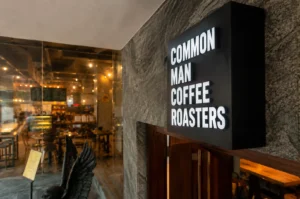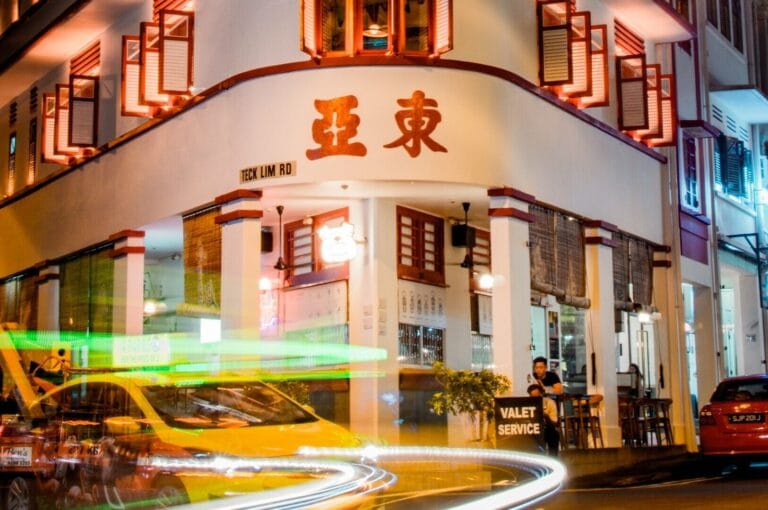
The word “authentic” gets thrown around so casually in the food world, doesn’t it? It is a label often stamped onto menus to lure in travelers, a promise of a genuine, unadulterated experience. But in the context of best Singaporean restaurants in Singapore, authenticity is a beautifully complicated concept. In a city built by migrants, where cuisines have collided and co-evolved for centuries, what does it even mean? It is not a static postcard from the past. For me, authentic Singaporean food is a living, breathing thing—a continuous conversation between history and the present moment.
True local dining Singapore is less about finding a dish that has remained unchanged for a hundred years and more about understanding the cultural currents that shape how we eat. Many iconic dishes, such as bak kut teh, have Chinese origins, reflecting the traditional culinary background brought by early Chinese immigrants to Singapore and Malaysia. It is about recognizing the flavors, techniques, and social rituals that feel intrinsically “right” to a Singaporean palate. It’s an exploration that goes beyond a checklist of dishes and into the very soul of our food heritage.
Beyond bustling hawker centres and casual neighbourhood eateries, Singapore is also home to a growing number of intimate dining spaces designed for meaningful gatherings. These private dining rooms—often tucked within restaurants, heritage shophouses, or hidden behind discreet doors—offer a more personal way to experience the city’s food culture, whether for celebrations, business dinners, or quiet evenings with family and friends.
The Cultural Foundation of Singaporean Cuisine and Hawker Centres
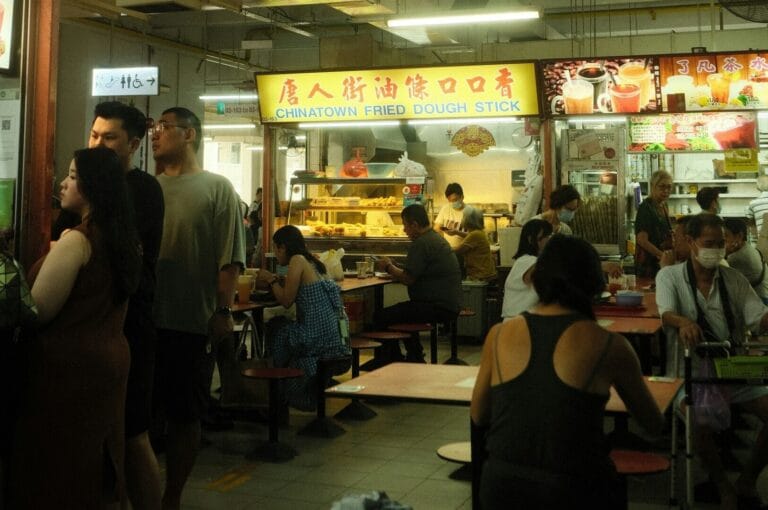
To understand Singaporean cuisine and where to find the best of it, you must first appreciate its multicultural roots. Our food is a delicious symphony composed by Chinese, Malay, Indian, and Peranakan communities. A typical meal might involve a Hainanese chicken rice stall sitting next to one selling Malay satay, just a few steps from another offering Indian rojak. This daily reality means that for us, authenticity was never about purity; it was always about proximity and exchange.
Hawker centres are the crucibles where this identity was forged. They are the original Singaporean restaurants, forcing diverse culinary traditions to share a single space. This environment fostered both specialization and adaptation. A Hokkien noodle recipe from Fujian province evolved over generations, incorporating local seafood and a spicier chili to suit the Southeast Asian palate. Therefore, when we search for authentic Singaporean food, we are often looking for these unique, localized expressions of a broader culinary tradition. It is why our Bak Kut Teh (pork rib soup) is distinctly peppery, unlike the more herbal versions found elsewhere. Authenticity, then, is not about being unchanged—it is about how gracefully our food has evolved with us.
One of the most famous food centres is Maxwell Food Centre, home to some of the best hawker stalls in Singapore. Here, you can find iconic dishes like chicken rice, char kway teow, and roti prata, each served with the kind of delicious food that excites the taste buds and tells a story of cultural fusion.
Chicken Rice: A Signature Dish at Singapore Restaurants
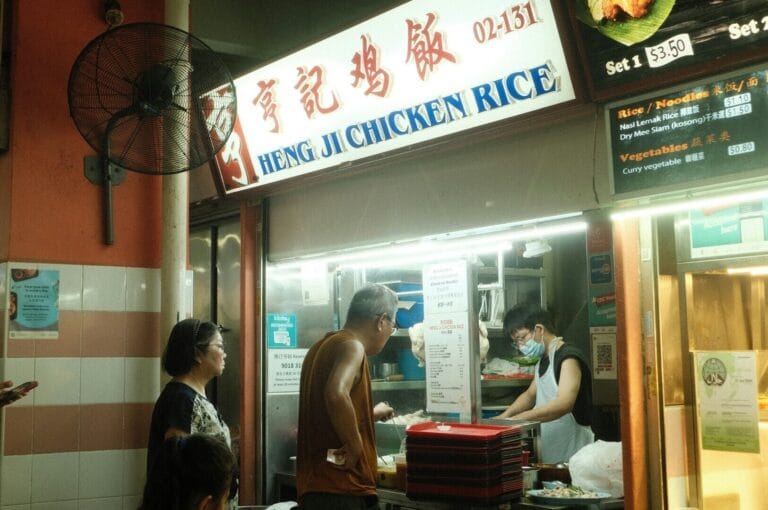
When we talk about chicken rice, we’re referring to more than just a meal—it’s a signature dish of Singaporean food and a popular dish among both locals and tourists. Hainanese chicken rice is a simple combination of boiled chicken, flavorful rice, and sauce, and is one of the most popular dishes in Singapore. The dish features fragrant rice cooked in chicken broth with garlic and ginger, paired with tender poached chicken and accompanied by pureed ginger, chili sauce, and sometimes soy sauce. The Hainanese chicken rice found at places like Tian Tian at Maxwell Food Centre is incredibly popular for its perfectly flavorful rice and juicy chicken.
Breakfast at a local coffee shop often includes kaya toast served with soft boiled eggs and a cup of strong local coffee, creating a simple but satisfying start to the day. Kaya toast is a traditional Singaporean breakfast dish made with sweet coconut jam spread on toasted bread, often served with coffee and soft-boiled eggs.
Chilli Crab and Other Seafood Delights
No list of the best Singaporean restaurants in Singapore would be complete without mentioning chilli crab. This iconic dish features fresh mud crabs cooked in a thick, sweet, and spicy sauce, often referred to as one of the national dishes of Singapore. The crabs are simmered in a luscious, tangy chili sauce made with tomato, garlic, and chili, and sometimes enhanced with white pepper for extra depth of flavor. Though called “chilli crab,” it is not overly spicy but bursting with flavor. The dish is typically served with fried mantou buns to soak up the sauce. White pepper crab is another popular seafood specialty, especially in areas like Geylang, known for its bold peppery taste. For an authentic experience, try these dishes at Keng Eng Kee (KEK) Seafood, a Michelin-recommended spot famous for its Zi Char dishes, including Chili Crab and Coffee Pork Ribs.
Another beloved seafood dish is the fish head curry, a rich, spicy curry typically made with a whole fish head simmered in a blend of spices and coconut milk. This dish reflects Singapore’s Indian and Chinese culinary influences and is a must-try at many Singapore restaurants. Side dishes such as vegetables, tofu, or curries are often served alongside to complement the meal.
For lovers of noodles, dishes like bak chor mee—a noodle dish served dry with minced pork, mushrooms, and vinegar—feature springy egg noodles that add to the dish’s authentic texture. Char kway teow, stir-fried rice noodles with Chinese sausage, bean sprouts, and dark soy sauce, is another staple found in hawker centres and food stalls across the city. Many noodle dishes are accompanied by chilli sauce to enhance their flavor.
Bak kut teh, another local favorite, is a savory soup made with pork bones and pork ribs simmered in a broth flavored with white pepper and garlic, giving it a signature taste and aroma.
Laksa is a must-try dish in Singapore, known for its spicy coconut-based curry broth and rice noodles. 328 Katong Laksa is famous for its iconic laksa, which features thick rice noodles and a rich coconut broth, often topped with fish cake for added authenticity. Similarly, Yong tau foo often includes fish cake as a common ingredient.
Eating in Singapore: Hawker Centres and Street Food Culture
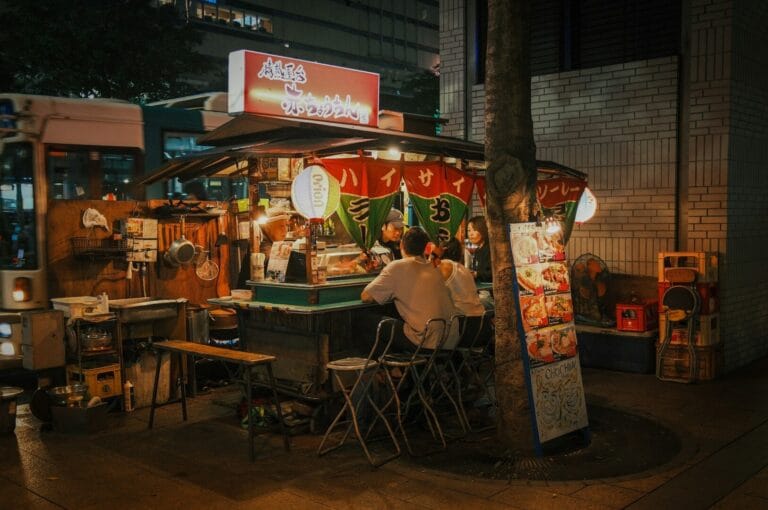
To truly eat in Singapore like a local, visiting hawker centres is essential. These bustling hubs offer a variety of affordable and authentic dishes, from roti prata and fried chicken to oyster omelette and carrot cake (a savory dish made from radish and fried with eggs and pork lard). Most Singaporeans prefer to eat at hawker centres rather than fine dining restaurants.
The communal atmosphere of these food centres is part of the charm, where locals gather to enjoy incredibly tasty meals without the extra cost of fancy dining. Outdoor dining is popular in Singapore, with many restaurants and hawker centres offering al fresco seating. Dining in Singapore can range from casual hawker stalls to upscale restaurants, providing options for all budgets. The variety is staggering, with options like fried tofu, rice cakes, and roast meats such as char siu and pork belly. For dessert, shaved ice is a popular cold treat available at many hawker centres, alongside other sweets. Many stalls have been passed down through generations, maintaining recipes and techniques that preserve the essence of local cuisine.
Many visitors to Singapore enjoy taking food tours to experience the local food culture and learn about the history behind the dishes. Food tours in Singapore often include visits to iconic neighborhoods like Chinatown, Little India, and Kampong Glam.
Peranakan Food and Modern Interpretations
Peranakan food, a unique blend of Chinese and Malay flavors, is another highlight of Singapore’s culinary scene. Restaurants specializing in Peranakan cuisine offer dishes rich in spices, herbs, and palm sugar, reflecting the heritage of the Straits Chinese community.
In recent years, some of the best Singaporean restaurants have embraced modern techniques, offering tasting menus that reinterpret traditional dishes like laksa or beef rendang while respecting their roots.
Popular Dishes to Try at Best Hawker Stalls and Food Centres
Bak Kut Teh: A peppery pork rib soup traditionally eaten with rice and tea. Song Fa Bak Kut Teh is a consistent Michelin Bib Gourmand winner since 2016, recognized for its peppery pork rib soup.
Char Kway Teow: Stir-fried flat rice noodles with egg, prawns, and bean sprouts.
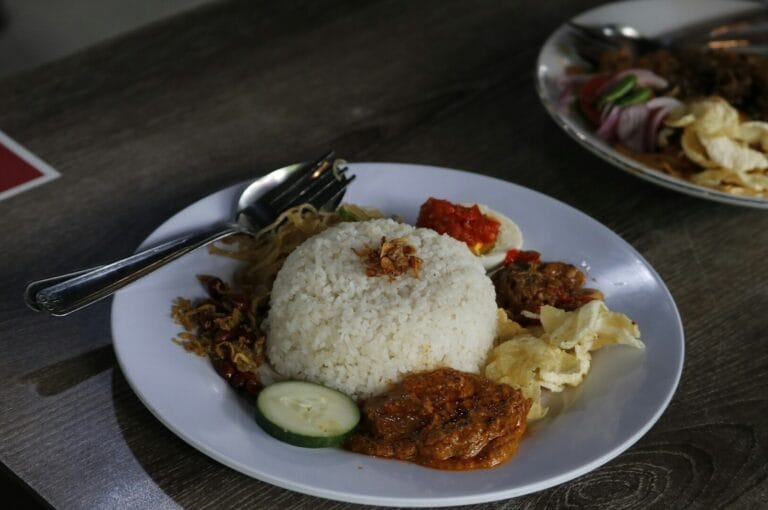
Nasi Lemak: Fragrant rice cooked in coconut milk, sometimes made with basmati rice for an aromatic and fluffy texture, served with sambal, peanuts, and anchovies. Kitchenman Nasi Lemak is a 2025 Michelin Bib Gourmand awardee known for its Malaysian-style Nasi Lemak.
Oyster Omelette: Crispy fried omelette with fresh oysters.
Carrot Cake: Savory fried radish cake with eggs and pork lard.
Bak Chor Mee: Noodles topped with minced pork and vinegar-based sauce. Hill Street Tai Hwa Pork Noodle is a Michelin-starred hawker stall known for this dish.
Kaya Toast: Toast spread with coconut jam, often served with condensed milk and soft boiled eggs. Ya Kun Kaya Toast is a well-known chain in Singapore that specializes in kaya toast, a traditional breakfast dish.
Chilli Crab and Black Pepper Crabs: Iconic crab dishes with rich sauces.
Laksa: Rice noodles in a spicy coconut broth. Sungei Road Laksa is famous for its traditional laksa served in a rich coconut broth.
Murtabak: Stuffed flatbread, often filled with spiced meat. Zam Zam Restaurant is famous for its murtabak.
Soya Sauce Chicken Rice: Liao Fan Hawker Chan is the world’s first Michelin-starred hawker stall, known for affordable soya sauce chicken rice.
Glutinous Rice: Used in traditional desserts and snacks such as kueh and lo mai gai, prized for its sticky texture and cultural significance.
Lime Juice: A popular local drink and also used as a condiment for dishes like BBQ wings, adding a refreshing, tangy flavor.
Singapore Sling: An iconic local cocktail, originally created at Raffles Hotel, known for its fruity and fizzy profile.
Queensway Shopping Centre: A notable food and shopping destination in Singapore, home to various local eateries and retail outlets.
Many restaurants in Singapore hold Michelin stars or Bib Gourmand awards, signifying exceptional quality.
Conclusion: Dining at the Best Singapore Restaurants
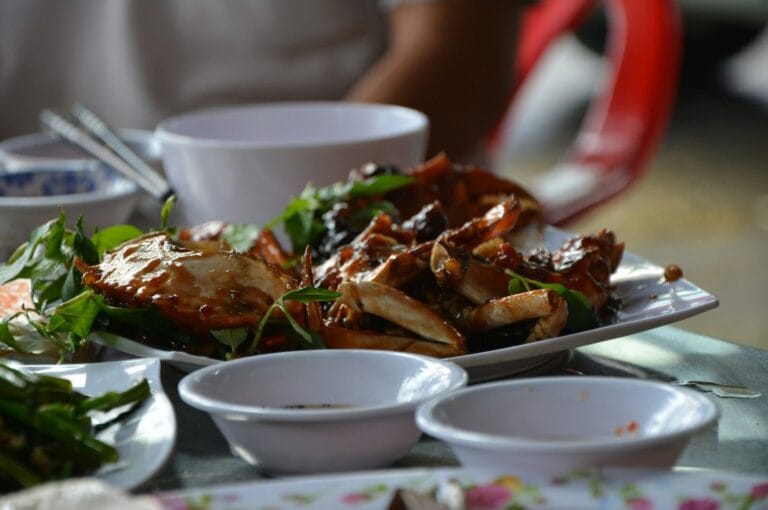
Whether you choose a bustling hawker centre like Maxwell Food Centre or a refined Singapore restaurant offering Peranakan food and tasting menus, the key to authentic dining in Singapore lies in the blend of history, culture, and flavor. The best Singaporean restaurants in Singapore are those that honor tradition while embracing evolution, serving dishes that excite your taste buds and connect you to the vibrant spirit of this city.
For anyone eager to explore, trust the queues, savor the delicious food, and immerse yourself in the rich tapestry of flavors that define Singapore’s culinary heritage. Also, don’t forget to check out our website for more tips and stories on Singapore’s vibrant dining scene.