In Singapore, the phrase “Have you eaten?” is more than a casual greeting—it’s a gesture of care deeply rooted in the nation’s identity. Food is the social thread that binds people across cultures, communities, and generations. Whether you’re eating Hainanese Chicken Rice at Maxwell Food Centre, sharing kaya toast and soft boiled eggs in a neighborhood coffee shop, or savoring chilli crab at a world-class Singapore restaurant, every bite reflects centuries of heritage and bold flavors.
To truly understand Singaporean food, you must explore the cultural rhythms that shape it. This guide explains the history, customs, hawker culture, and dining etiquette that define how people eat in Singapore, and why the best Singaporean restaurants in Singapore continue to inspire tasting menus, heritage preservation, and endless debates about the best hawker stalls on the island. For a complete breakdown of where to experience these iconic flavors, explore our full guide: Best Singaporean Restaurants in Singapore: Your Complete Guide to Authentic Local Dining.
Often, it is a restaurant’s signature dish that draws diners in, serving as a key reason for its fame and a representation of its unique culinary identity.
Historical Foundations: How Singapore’s Food Culture Was Born
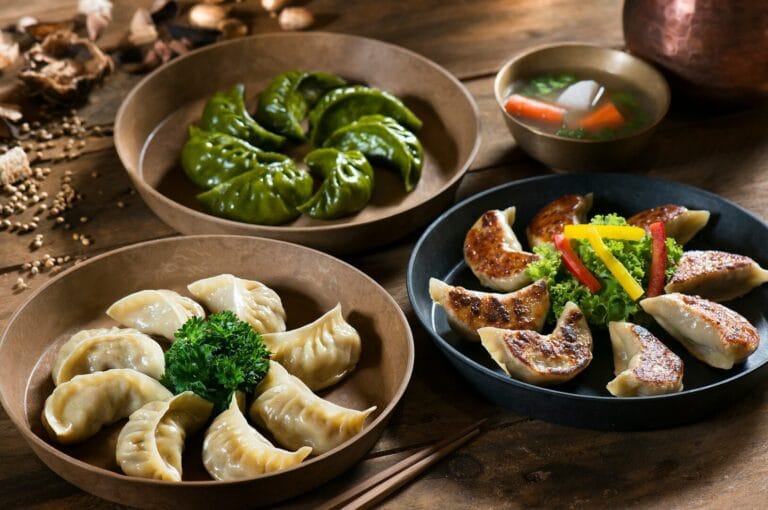
Singapore’s culinary identity evolved through migration, trade, and the blending of Southeast Asia’s most iconic flavors. Early Chinese migrants brought dishes like Hokkien Mee, char kway teow stir fried with dark soy sauce and pork lard, glutinous rice classics, and minced pork noodles. Rice noodles are a key ingredient in dishes like laksa and Hokkien Mee. Hokkien Mee and oyster omelettes often feature bean sprouts, which add a fresh, crunchy texture that balances the rich and oily flavors. Malay communities introduced rich coconut milk dishes such as nasi lemak, fragrant rice cooked in pandan and typically served with sambal. Some of these dishes are traditionally eaten during specific festivals or meals, highlighting their cultural significance. Indian migrants contributed spice-forward dishes like biryani made with basmati rice, roti prata, and various masala preparations.
The Peranakan community blended Chinese ingredients with Malay techniques to create peranakan food such as beef rendang, rice cakes, and rich, fragrant stews. British colonial influences added bakeries, roasts, and condensed milk beverages—eventually shaping kopi and teh culture.
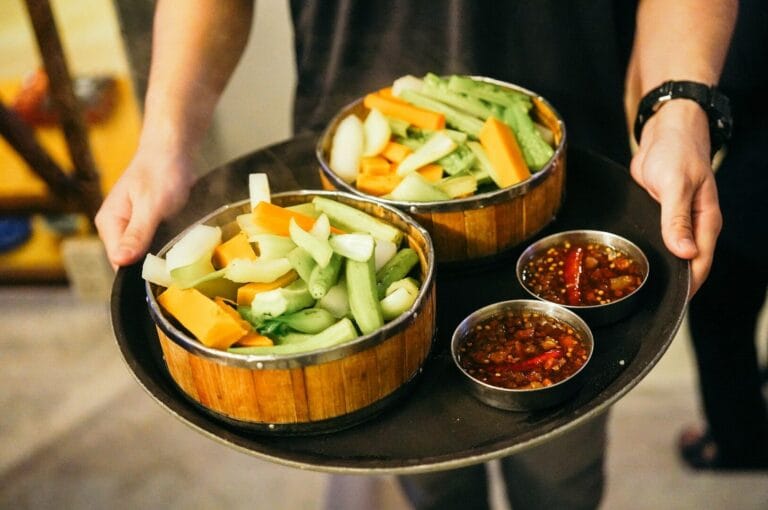
When Singapore organized street food vendors into hawker centres, it preserved street food while improving hygiene and urban planning. This model was so successful that hawker culture was recognized by UNESCO in 2020. Today, hawker stalls remain essential to the national identity, offering incredibly tasty meals—from chicken rice and oyster omelettes to bak kut teh made with pork bones and white pepper—at prices everyone can enjoy. Dishes like nasi lemak and Hainanese chicken rice are popular dishes recognized across Singapore and Malaysia. In yong tau foo, fish cake and fried tofu are common ingredients, contributing to the dish’s texture and flavor. Hainanese chicken rice is often served with pureed ginger as a traditional dipping sauce, enhancing its authentic taste.
The Five Pillars of Singaporean Food Identity: Hawker Centres
1. Multiculturalism Without Fusion
Singapore is not a melting pot—it’s a curated platter where every cuisine maintains its character. You’ll find someone enjoying egg noodles in a flavorful rice broth next to another person savoring roti prata or yong tau foo. Each dish preserves its Chinese, Malay, Indian, or Peranakan identity while coexisting in the same food centre or hawker stall. When it comes to Indian cuisine, the vibrant area of Little India stands out as a key cultural and culinary hub, renowned for its authentic Indian restaurants and bustling food centers.
2. The Hawker Centre Mentality: Hainanese Chicken Rice
Hawker centres like Maxwell Food Centre, Queensway Shopping Centre Food Court, or Holland Village’s famous food centre are social equalizers. People from all backgrounds eat side-by-side, sharing tables and chili sauce bottles, debating the best hawker stalls and which stall serves the most fragrant rice or the most authentic dish served with traditional side dishes.
3. Kopitiam Culture
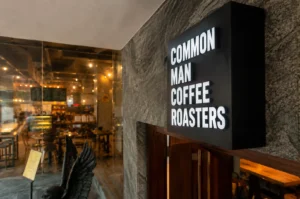
The kopitiam (traditional coffee shop) remains a daily ritual. Here you’ll find retirees reading newspapers, workers enjoying kaya toast with condensed milk kopi, and locals gathering for roti prata or a plate of fried chicken. From Ya Kun Kaya Toast to small neighborhood stalls, kopitiams preserve Chinese origins and timeless simplicity.
4. Food as National Pride
Dishes like chilli crab, bak kut teh, and chicken rice are celebrated as cultural icons. The best Singapore restaurants and hawker stalls are national treasures, and discussions about which one makes the best fragrant rice or the best chili crab can spark passionate debate.
5. Innovation Within Tradition
While heritage is revered, Singaporean food continuously evolves. Modern chefs reinterpret bak chor mee, oyster omelette, or Hokkien Mee using seasonal ingredients, blood cockles, or elevated techniques. Mod-Sin cuisine has found its way into tasting menus across Singapore restaurants, blending nostalgia with novelty for curious taste buds.
Dining Etiquette and Social Customs
Chope-ing Seats
At hawker centres, reserving a table by placing a packet of tissues is standard. This practice—called “chope-ing”—is widely respected.
Communal Dining Norms
Sharing tables with strangers is normal. A polite gesture, smile, or nod is all you need.
Ordering and Payment
At a hawker stall, you order directly and pay immediately. Meals are typically served fast, served dry for dishes like bak chor mee, or accompanied by broth. In restaurants, a service charge means tipping isn’t necessary.
Queue Culture
A queue is the most reliable review in Singapore. If locals are lining up for oyster omelettes, carrot cake, char siu, or pork belly dishes, you know the food is worth it.
Cultural Table Manners
- At Chinese meals, use serving spoons on a lazy Susan.
- For Indian cuisine, using your right hand to eat banana leaf rice is traditional.
- Malay dishes often involve sambal, lime juice, and chili sauce, adding layers of bold flavors.
Understanding Local Menu Language and Food Terms
Menus across Singapore restaurants often reflect a mixture of languages, cooking methods, and cultural phrases.
“Shiok!” (Singlish for incredibly tasty)
“Sedap!” (Malay for delicious food)
“Makan” (to eat in Singapore or Malay)
Kopi Terms: kosong (no sugar), siu dai (less sweet)
Malay Terms: goreng (fried), lemak (coconut-rich), asam (sour)
Indian Terms: tandoori, masala, biryani
Chinese terms: char siu, rebus, literally translates references for dishes like bak chor mee
Whether you’re reading a hawker centre menu or browsing a whole menu at a modern Singapore restaurant, these terms help you navigate flavor profiles, cooking methods, and spice levels.
Seasonal and Festival Foods
Festival seasons bring out some of the most iconic and beloved Singaporean dishes. Many restaurants in Singapore also feature a signature dish during these times, showcasing their unique culinary identity and giving diners a special reason to visit.
Chinese New Year
- Yu sheng tossed for prosperity
- Bak kwa, glutinous rice cakes, and pineapple tarts
Hari Raya Puasa
- Beef rendang
- Ketupat
- Colorful kuih
Deepavali
- Ladoo
- Murukku
Mooncake Festival
- Traditional and modern mooncakes
During these periods, many Singapore restaurants offer special menus featuring signature dishes, bold flavors, and seasonal ingredients unique to Southeast Asia.
The Role of Food in Singaporean Social Life
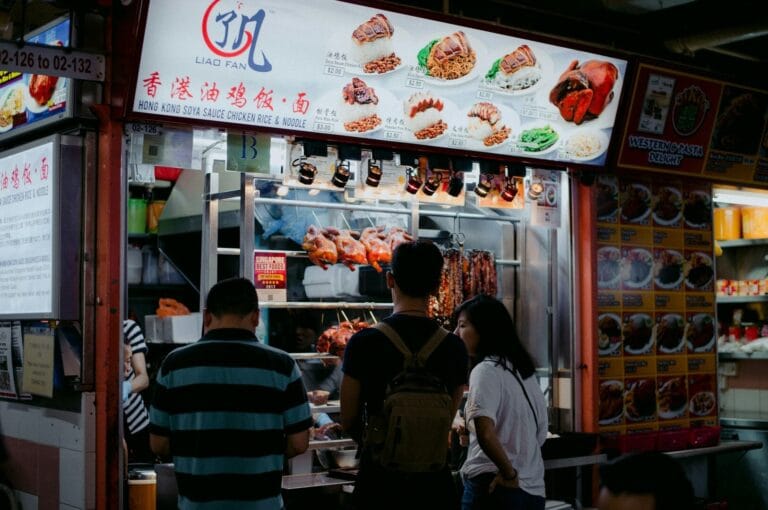
Food is the default social setting: business meetings, family gatherings, celebrations, and casual catch-ups often revolve around shared meals. People travel across the island to eat in Singapore at famous hawker stalls known for chicken rice, chilli crab, black pepper crabs, white pepper crab, or char kway teow with blood cockles.
Google Map searches spike whenever a new stall goes viral. Social media culture amplifies the experience—food photography is practically mandatory before digging in.
In Singapore, food is not just nourishment. It is identity, community, and daily joy.
Conclusion
Understanding Singapore food culture makes every meal richer. You begin to appreciate the fragrant rice cooked with chicken stock in Hainanese Chicken Rice, the coconut milk broth of laksa, the soy sauce glaze on roast meats, and the artistry behind every bowl of noodles or rice cakes.
Now that you’ve explored the heart of Singaporean dining, continue your journey with our in-depth guide: Best Singaporean Restaurants in Singapore: Your Complete Guide to Authentic Local Dining.
From hawker stalls to modern Singapore restaurants, SGDiningGuide.com.sg helps you discover where to find the most authentic, delicious food across the island—honoring heritage, celebrating innovation, and satisfying every craving your taste buds can imagine.