If you’ve ever wondered where the real soul of Singaporean food lives, I can tell you it’s not always under the bright lights of a celebrity restaurant or the acclaimed fine dining venues listed in major guides. While our “Dining in Singapore: The Ultimate Guide to the Lion City’s World-Class Food Scene“ covers award winning restaurants and iconic tasting menus, this article explores something truly local. Here, we dive into the places locals whisper about—the heartland haunts, the bustling food centres, and unassuming hawker stalls that form the culinary backbone of the city.
This is your insider guide to where locals eat Singapore style. Prepare for an authentic culinary adventure as we venture off the tourist track and into HDB estates and back streets. From savory chicken rice and bak kut teh to rich oyster omelette, these hidden food gems Singapore offers are celebrated not for their global fame, but for their authentic flavours and community tradition.
Understanding Local Dining Culture: Kopitiams, Hawker Centres & Eating Customs
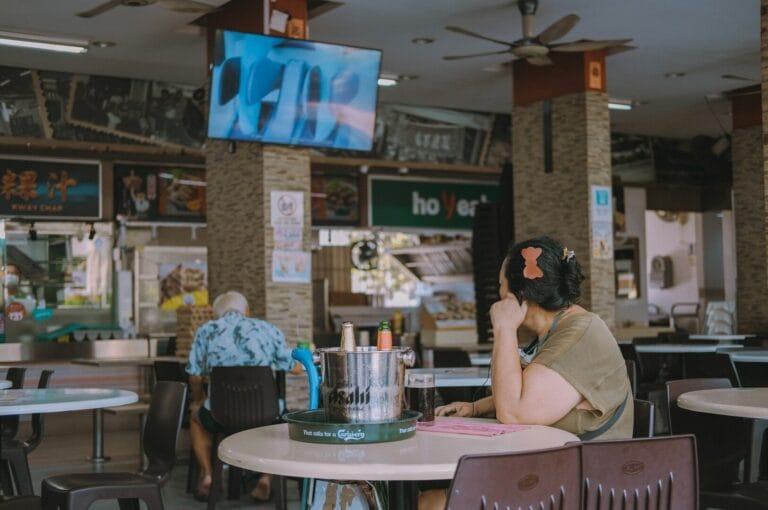
Before embarking on your food journey, it’s crucial to understand Singapore’s distinctive dining culture—one built around efficiency, community, and a shared appreciation for diverse cuisine. The classic kopitiam (coffee shop) is more than just a place for breakfast—it’s where comfort food like kaya toast, soft boiled eggs, and coffee with condensed milk are traditionally eaten each morning. During lunch, these same hubs host locals for wanton mee, minced pork noodles, and sausage-laden economic rice.
Queuing is a rite of passage, and at the best hawker stalls, a long line is the clearest sign of an authentic taste worth waiting for—be it at Maxwell Food Centre for chicken rice or Airport Road Food Centre for char kway teow and roti prata. Expect to see the chope-ing ritual, where tissue packets mark tables during peak hawker centre hours (12-2 PM, 6:30-8:30 PM).
Dining in Singapore is about both the meal and the method: order from each hawker stall, buy drinks from the designated beverage stall, and always clear your table after eating. At kopitiams, try the breakfast favorite kaya toast with a dash of soy sauce in your soft boiled eggs—a true test of Singaporean food authenticity.
Neighborhood Food Scenes: Bedok, Tiong Bahru, Toa Payoh, Geylang & Changi Village
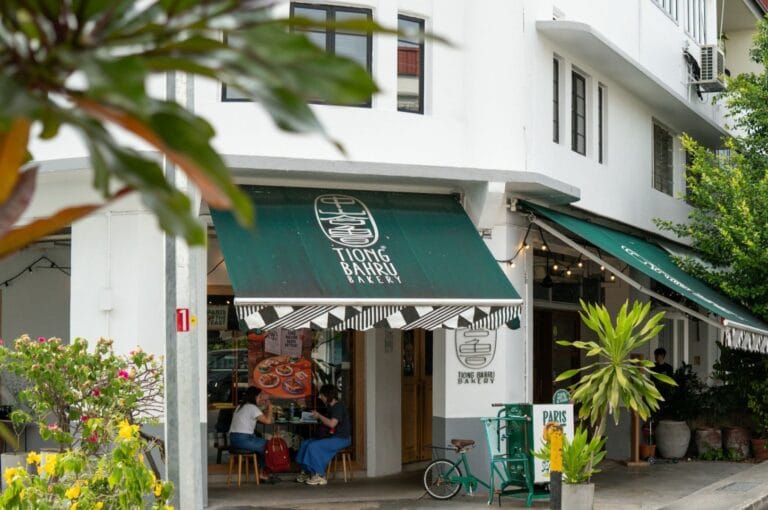
Exploring neighborhood food scenes is the heart of eating in Singapore. The most authentic Singapore food is usually found deep within HDB estates and bustling old neighborhoods. Here’s what defines each area—a culinary adventure in itself:
- Bedok: In Bedok, you’ll discover food centres overflowing with classic breakfast and lunch staples. The legendary Bedok 85 is an icon for minced pork noodles and fragrant rice, while nearby hawker centres boast some of the city’s finest oyster omelettes. Many locals swear by the neighbourhood’s kway teow and nasi lemak, both dishes that truly highlight Singapore’s rich culinary heritage.
- Tiong Bahru: Tiong Bahru seamlessly blends old and new. Amid stylish cafes serving refined dishes, you’ll still find stalls crafting the best chwee kueh and lor mee, signature dishes proudly maintained over generations. Tiong Bahru is a go-to destination for a taste of nostalgic breakfast or an unpretentious dinner in a storied food centre.
- Toa Payoh: Known for its mature HDB blocks and food-loving residents, Toa Payoh’s food centre and kopitiams offer comforting Teochew porridge, robust prawn noodles, and some of the best hawker stalls for char siu rice and wanton mee. Here, every meal is served with a side of history.
- Geylang: Beyond its vibrant nightlife, Geylang is famed for late-night culinary adventures, renowned for frog leg porridge, rich bak kut teh, and plates of succulent oyster omelette. The area’s zi char restaurants are legendary for serving dishes in big portions, perfect for sharing with friends at dinner.
- Changi Village: At Changi Village, the hawker centre is a hub for fresh, crispy fried chicken and iconic nasi lemak, with fragrant rice and bold new flavours. The relaxed coastal setting makes it ideal for breakfast with kaya toast or dinner with seafood and bean sprouts straight from the wok.
Types of Hidden Gem Establishments: Food Centres, Zi Char & More
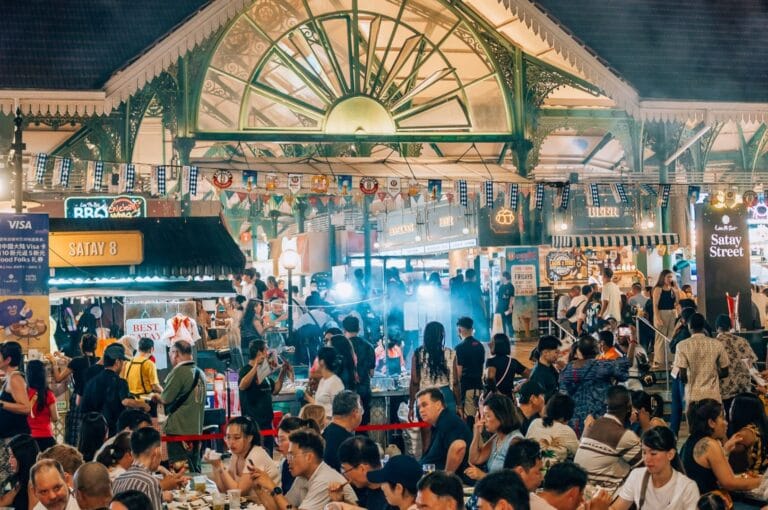
Singapore’s hidden food gems come in all shapes and sizes. Recognizing them is key to truly eating like a local:
- Second-Generation Hawker Stalls: These gems at food centres like Maxwell or Airport Road feature menus refined over decades. Here, dishes like char kway teow or chicken rice showcase signature rich, robust taste, sometimes even rivaling those of Michelin starred restaurants.
- Under-the-Radar Kopitiams: Often nestled under HDB blocks in Toa Payoh or Bedok, you’ll find classic comfort food—such as soft-centred kaya toast, soy sauce eggs, or breakfast kway teow—with a loyal local following.
- Zi Char Restaurants: These bustling spots excel at wok-fried dishes, including bak kut teh, oyster omelettes, and heartwarming bean sprout sides. Zi char is where many families gather for authentic flavours and a whole menu of shared plates.
- Ethnic Enclave Specialists: Discover Malay and Peranakan food in Geylang or Kampong Glam, from nasi lemak with varying side dishes to complex, aromatic Nonya curries.
- Old-School Bakeries: Jalan Besar and Tiong Bahru are havens for bakeries serving pandan chiffon cake or kaya buns—simple but true testaments to the city’s food legacy.
- Family-Run Western Food Stalls: In food centres around Changi Village, find Hainanese Western fare—fried chicken cutlets, creamy potato salad, and hearty sauces—served simply but deliciously.
Signature Dishes at Local Spots: From Chicken Rice to Kway Teow
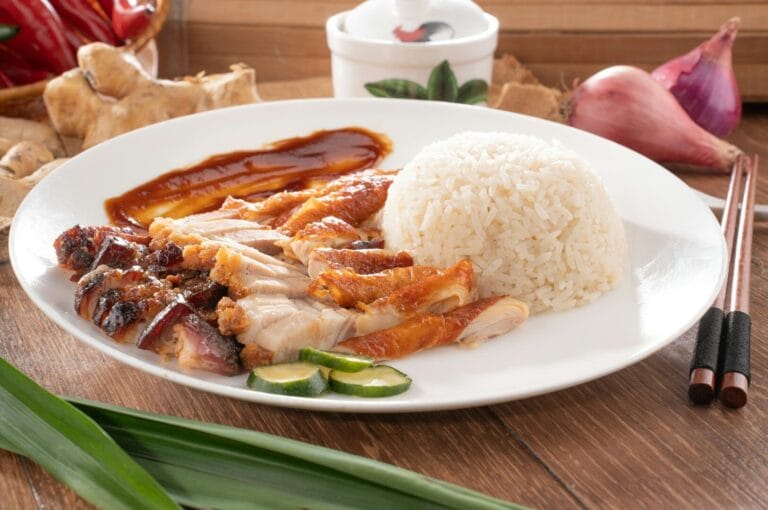
The food at many local spots is not just familiar—it’s often exceptional. Taste why chicken rice at Maxwell Food Centre or fragrant nasi lemak at Changi Village tastes richer, and why a bowl of wanton mee or a sizzling oyster omelette bursts with authentic taste. It’s the skill of using white pepper in bak kut teh, or the subtlety of perfectly-cooked bean sprouts in char kway teow, that sets neighborhood hawker stalls apart.
Seasonal ingredients and house-made sauces are at the heart of these flavor-packed plates. Whether you indulge in soft boiled eggs with kaya toast at breakfast or savor spicy minced pork noodles for dinner, every dish served comes with a story.
How Locals Find New Spots: Word-of-Mouth, Social Media & HDB Walkabouts
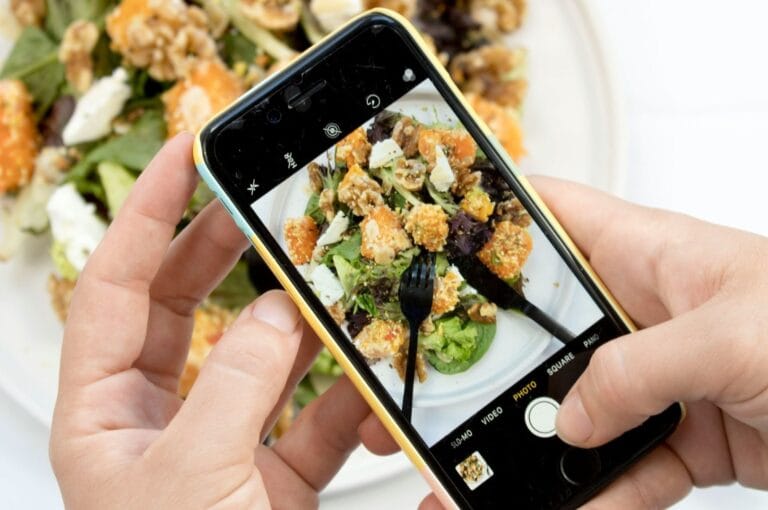
Locals find new spots using a mix of:
- Word-of-mouth: The best hawker stalls aren’t advertised—they’re whispered about among colleagues, relatives, and taxi drivers.
- Social media: Closed foodie Facebook groups and Instagram profiles track everything from craft cocktails at bars to the best char siu in a neighborhood.
- Delivery apps: Platforms like Google Map or food delivery services lead locals to well-reviewed, underrated food centres in different HDB estates.
- Exploring: Many simply wander into a new neighborhood on a culinary adventure, searching for long queues, the smell of fresh roti prata, or a chef perfecting oyster omelette at the wok.
Practical Tips for Eating Like a Local: Comfort Food, Ordering & More
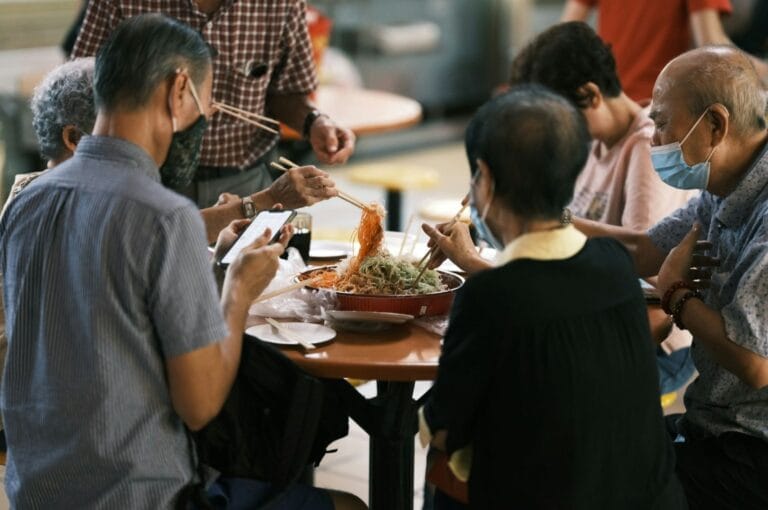
- Timing: For the freshest dishes, dine just before or after peak hours at food centres—your taste buds will thank you for shorter lines and food straight from the wok or kitchen.
- Ordering customs: State your dish, side dishes, and preferences clearly—e.g., “Nasi lemak, extra ikan bilis, less rice.” At kopitiams, remember breakfast drinks like coffee with condensed milk or milo are ordered at the drinks stall.
- Payment: Many older hawker stalls prefer cash, especially for smaller orders, though some restaurants and award winning restaurants now welcome cards.
- Language: English is widely used, but simple Malay or Hokkien words (“sedap” for tasty) bring smiles.
- Dietary accommodations: Most stalls can’t customize much, but vegetarian or “less spicy” suggestions are usually respected—just ask politely.
- Portions: Most portions are designed for individual diners, but at zi char or hawker centres, sharing is encouraged.
Connecting to Other Experiences: When to Eat at Local Spots vs. Award Winning Restaurants
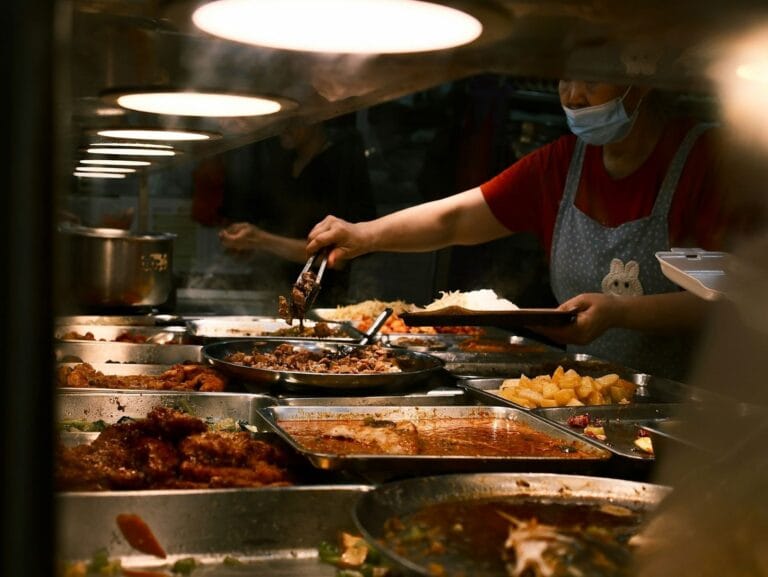
Enjoying a meal at hawker centres or a neighborhood food centre is all about savoring the city’s daily life—think soft-boiled eggs at breakfast, fried chicken at lunch, or an oyster omelette at midnight. Special occasions, business dinners, or a craving for refined dishes can be met at city restaurants and award-winning establishments, from Michelin starred restaurants in Marina Bay to fine dining at Burnt Ends.
For every dining mood, Singapore offers a place and a price—let your next culinary adventure begin where the locals eat.
Conclusion: Embark on a Culinary Adventure with SG Dining Guide
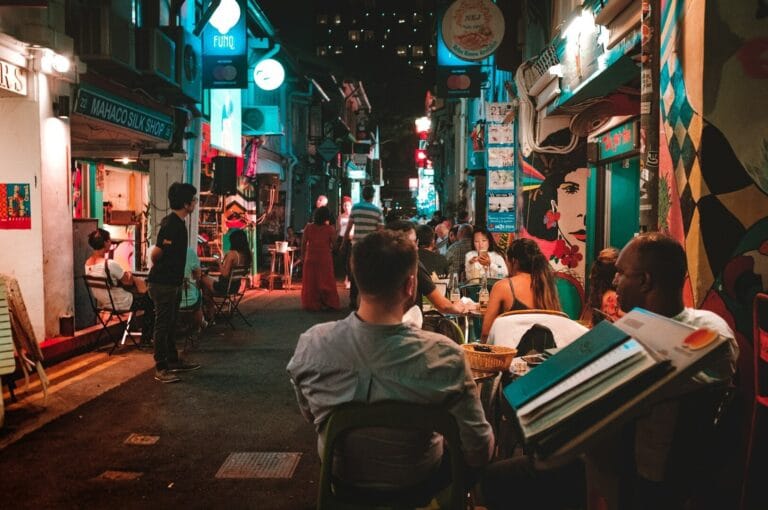
The true story of dining in Singapore is found in its neighborhoods. With the aroma of bak kut teh, the sizzle of char kway teow, and the delight of kaya toast for breakfast, the food here is honest and vibrant. Don’t just eat—discover, indulge, and explore Singapore through its signature dishes and hidden food gems.
Be adventurous and move beyond familiar restaurants—let your next culinary memory unfold at a hawker stall, kopi shop, or zi char table full of rich, authentic flavours. For the latest updates on where to eat in Singapore, SG Dining Guide is your bridge to the city’s true taste, connecting you to a culinary world most never find. Happy eating!