It’s a common misconception that a tropical climate means a static, unchanging food scene. In Singapore, nothing could be further from the truth. The island pulses with distinct culinary rhythms, a dynamic calendar driven by vibrant festivals, subtle weather shifts, and the much-anticipated arrival of seasonal ingredients—always emphasizing the use of fresh, high-quality produce and seafood that define Singapore’s culinary excellence. Understanding this temporal dimension is the key to unlocking the city’s deepest and most delicious experiences, where the taste of each season brings new excitement to the dining table.
This guide focuses on the crucial elements of WHEN and WHY. While our companion articles, “The Ultimate Guide to the Lion City’s World-Class Food Scene” and “Singapore’s Hidden Food Gems,” cover the what, where, and how, this piece adds the essential timing layer.
Understanding Singapore's Culinary Seasons
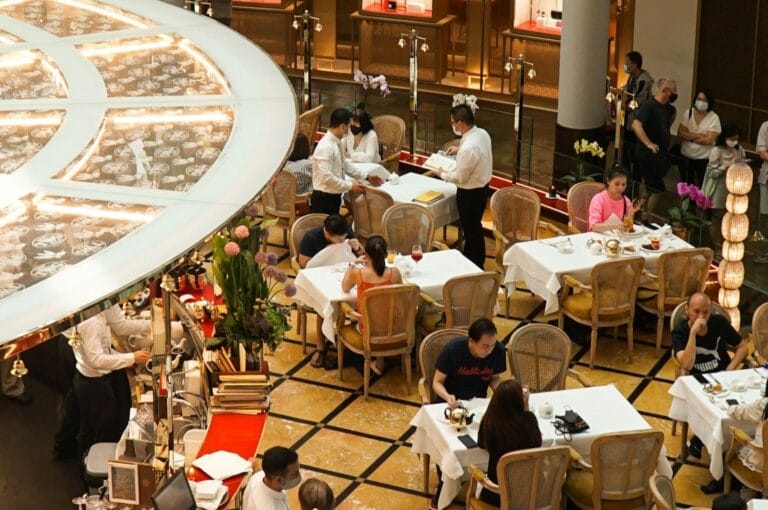
To truly master seasonal dining Singapore style, you must look beyond the daily forecast. The city’s culinary year is shaped by several key factors. Weather patterns, like the wetter Northeast monsoon (December-March) and the warmer Southwest monsoon (June-September), subtly influence dining preferences, pushing locals toward either comforting hotpots or refreshing cold desserts—a reflection of how Singaporean food culture adapts to the seasons.
The festival calendar is a major driver, transforming the entire food landscape for events like Chinese New Year, Hari Raya, and Deepavali. These vibrant festivals bring anticipation for iconic dishes that define each season, with many locals looking forward to the unique flavors and traditional preparations that make each dish special. Ingredient seasonality also plays a huge role; the arrival of tropical fruits like durian, mangosteen, and rambutan is a national event. Even tourism cycles and local school holidays affect restaurant availability and family dining patterns. Keeping track of these moving parts is essential for any food lover. Many locals eagerly anticipate the arrival of each new seasonal dish.
The Durian Season Phenomenon
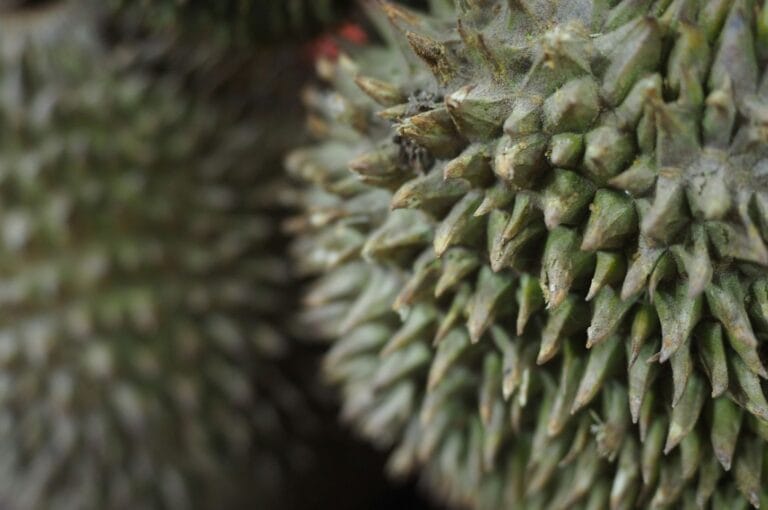
No discussion of seasonal eating in Singapore is complete without mentioning the king of fruits. The durian season Singapore anticipates all year typically peaks from June to August, with a smaller, secondary season around December. During this time, the city is filled with the fruit’s notoriously pungent aroma as makeshift stalls pop up in neighborhoods across the island, where durian is served fresh, often split open on the spot for customers to enjoy.
You can experience it at these bustling stalls, in specialty dessert shops offering durian-based creations, or even in high-end restaurants that incorporate the fruit into their menus. Durian is a unique treat for both locals and visitors, celebrated for its rich flavor and creamy texture. Prices for popular varieties like Mao Shan Wang (MSW), D24, and Red Prawn fluctuate based on supply, creating a stock market-like buzz. For first-timers, approaching durian can be intimidating, but starting with a sweeter, less intense variety is a great introduction.
Festival Foods Throughout the Year
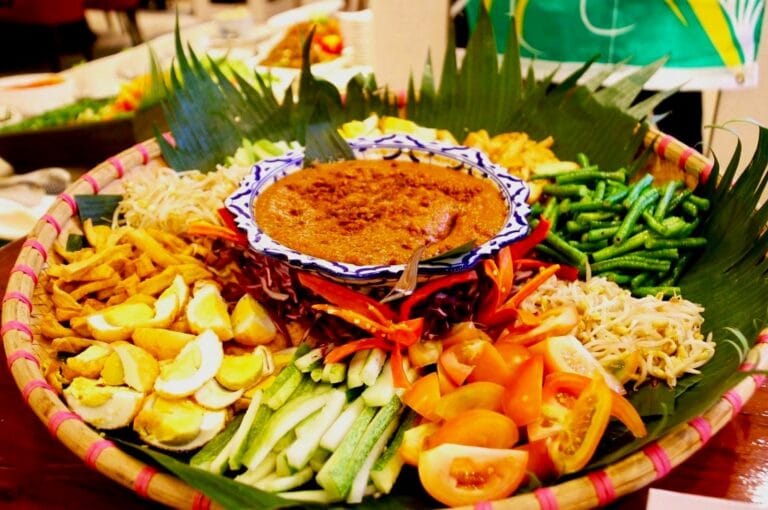
Singapore’s multicultural fabric is most deliciously expressed through its festival foods Singapore celebrates with passion. Each major cultural event brings its own unique and temporary culinary offerings. Festival meals are often accompanied by a variety of side dishes and sauce, which are essential components that enhance the overall dining experience. Eggs, salt, butter, and soy sauce are commonly used in the preparation of various festival foods, while vegetables, meat, and fish are featured in many celebratory dishes. Spices and a wide range of flavours add depth and excitement to festival foods, and a diverse selection of beverages—including the iconic Singapore Sling—are served during celebrations. Each dish served is carefully prepared and eaten by diners, with crispy snacks and grilled meats being perennial festival favorites. Bowl dishes like laksa and stuffed festival snacks are also popular, and char kway teow is a beloved festival favorite.
Maxwell Food Centre, Airport Road Food Centre, and other hawker centres are among the best places to find these festive foods, where the best hawker stalls and diners come together to celebrate. Each stall serves and serve their signature festival dishes, with Jalan Besar being another popular location for festival foods. White pepper is often used to season festival dishes, which are crafted to excite the taste buds. Traditional recipe and authentic taste are highly valued, and the communal meal experience is central to every festival. I still remember the time I ate a bowl of spicy laksa at a bustling hawker centre during Chinese New Year—a true test of my spice tolerance! The desire to try the whole menu is common during festival celebrations, especially with multi-course festival meals on offer. Burnt Ends and other Michelin starred restaurants are special destinations for festival dining, where bold new flavours and innovative dishes are featured. Grills are often used in festival barbecues, adding a smoky aroma to the feast.
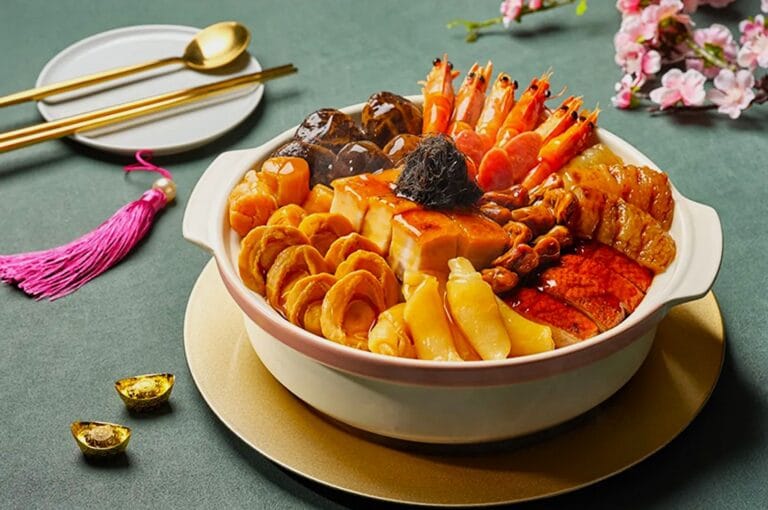
Chinese New Year (January/February): This is the biggest event on the Singapore food calendar. Families gather for reunion dinners, and tables are laden with festive delicacies like bak kwa (barbecued pork jerky), pineapple tarts, and yu sheng (a prosperity salad). Nasi lemak is also a popular breakfast dish during the festival season. Restaurants offer limited-edition menus that require booking months in advance.
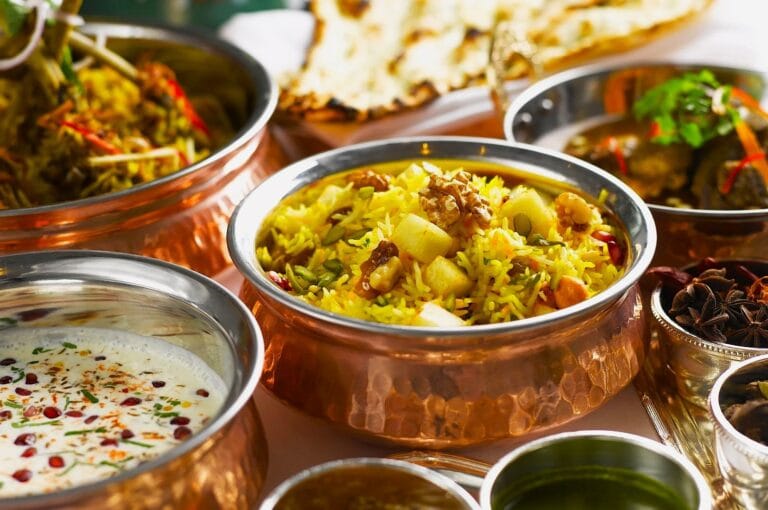
Hari Raya Puasa (follows the lunar calendar): Marking the end of Ramadan, this celebration is preceded by famous Ramadan bazaars in areas like Geylang Serai, filled with street food and traditional Malay kueh (cakes). Laksa, a beloved spicy noodle soup, is enjoyed during the festivities. It’s the best time to experience authentic Malay feasts.
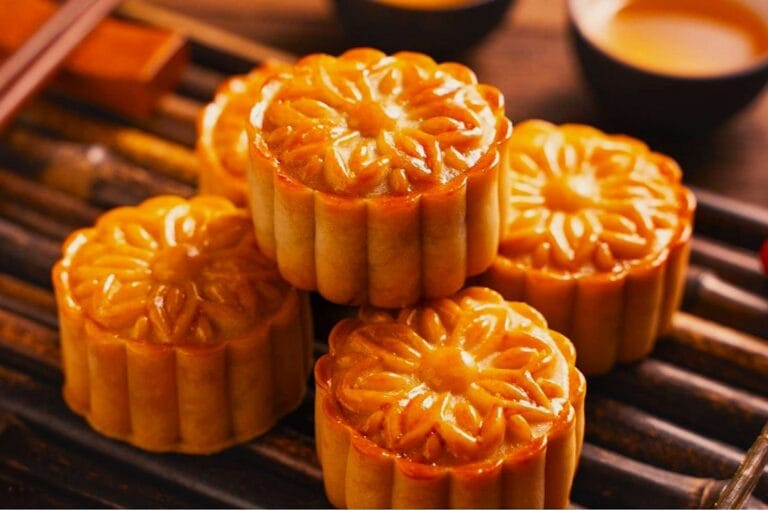
Mid-Autumn Festival (September/October): This is mooncake season. Hotels and bakeries compete to create the most inventive flavors, from traditional lotus paste with salted egg yolk to contemporary creations like truffle chocolate or durian. Kaya toast and soft boiled eggs are traditional breakfast items enjoyed during the festival mornings.
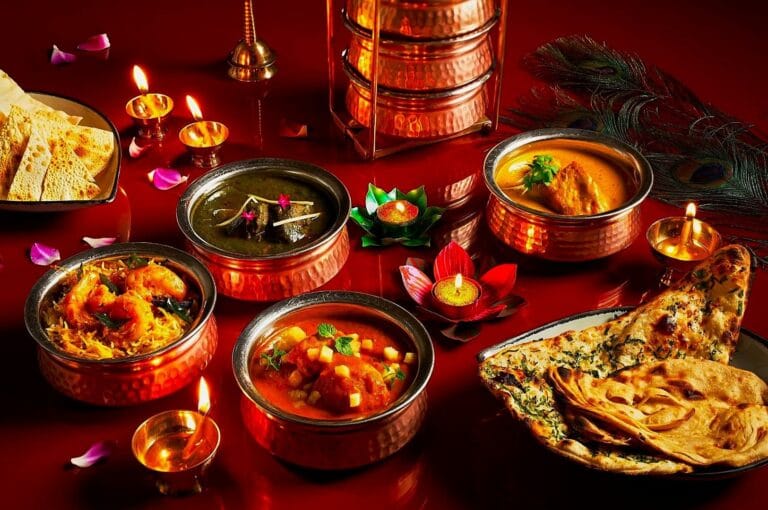
Deepavali (October/November): Little India becomes a dazzling wonderland of lights and food. Sweet and savory snacks are exchanged between families, and Indian restaurants see a surge in reservations for special celebratory meals. Chicken rice and fragrant rice are often part of the celebratory meals.
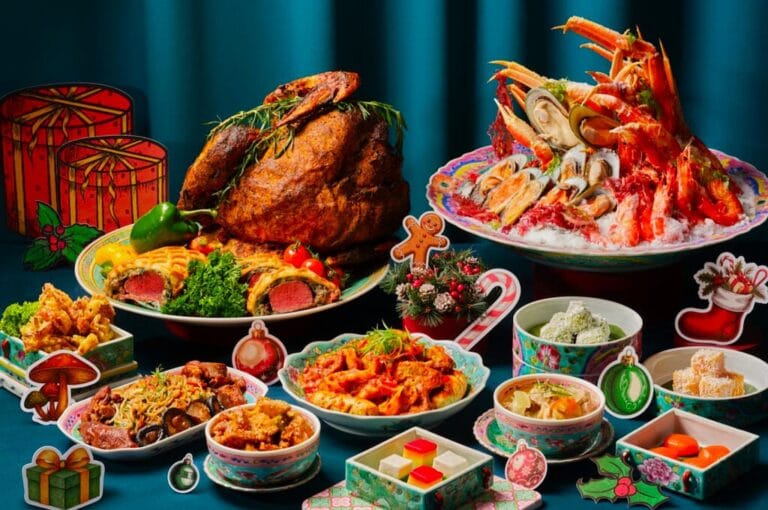
Christmas & Year-End (December): Western restaurants and hotels roll out festive menus, lavish brunches, and special New Year’s Eve dining packages, making it a prime time for Christmas dining Singapore style. Spicy and curry dishes are also featured in festive menus.
Weather-Influenced Dining Preferences
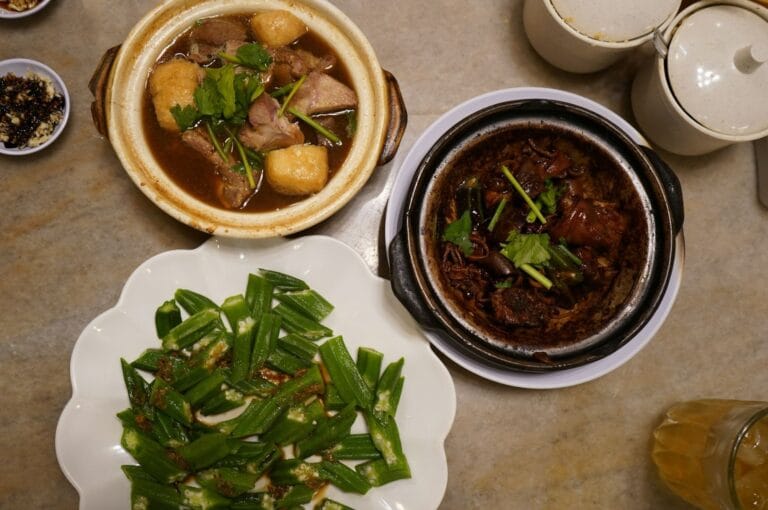
Singapore’s weather subtly dictates what people crave. During the cooler, rainy months of the monsoon season (typically December to March), locals flock to comforting, warming meals. This is the peak season for steamboat (hotpot), rich bowls of bak kut teh (pork rib soup), and other soupy dishes—a steaming bowl of spicy soup can truly warm the taste buds and provide a satisfying, sensory experience.
Conversely, the hotter, more humid months from June to September see a surge in demand for cooling foods and drinks. It’s the perfect time for cold desserts like ice kachang (shaved ice), refreshing sugarcane juice, and seeking refuge in air-conditioned cafes. This is also the best period for outdoor and rooftop dining, as there’s less chance of a sudden downpour.
Limited-Time Tasting Menus, Offerings and Pop-Ups
Beyond major festivals, Singapore’s dining scene is animated by a constant stream of limited-time events. This includes city-wide promotions like Restaurant Week, where fine dining establishments offer special set menus at attractive prices, with diners sometimes wanting to sample the whole menu during these events. Many top restaurants also introduce seasonal tasting menus built around imported ingredients like white truffles or Japanese winter seafood, often presented as multi-course experiences.
The scene is also energized by pop-up collaborations, guest chef appearances, and even hawker stalls that offer special dishes on certain days of the week. These time-sensitive opportunities are often where you’ll find the most exciting culinary innovations. Such events frequently introduce bold new flavours that excite adventurous diners. Staying informed is crucial, as these events can be announced with little notice and book out quickly.
Month-by-Month Dining Highlights
Here is a condensed look at the Singapore food calendar to help you plan your culinary adventures. Hawker centres serve up seasonal specialties throughout the year, making them a must-visit for authentic local meals:
Jan-Feb: The lead-up to and celebration of Chinese New Year dominates. It’s also a great time for hotpot.
Mar-May: The weather is generally pleasant, making it ideal for exploring outdoor dining. Early tropical fruits begin to appear.
Jun-Aug: This is the peak of the main durian season and a popular time for a family meal at a hawker centre, where each stall serves its own unique seasonal dishes.
Sep: The Mid-Autumn Festival arrives, bringing with it the mooncake frenzy.
Oct-Nov: Deepavali lights up Little India. The weather is typically excellent for exploring alfresco restaurants and rooftop bars.
Dec: Festive Christmas menus and year-end celebrations take over. A smaller durian season often makes a welcome appearance.
For peak periods like CNY or Christmas, booking well in advance is essential.
Practical Tips for Timing Your Singapore Dining Experiences
To make the most of seasonal dining Singapore offers, strategic planning is key.
Advance Booking: For major festivals, book popular restaurants 2-3 months ahead for Chinese New Year and at least a month in advance for Christmas and Valentine’s Day. It can be difficult to decide where to eat during peak seasons, so planning early helps secure your preferred spot.
Best Value Periods: Look for dining promotions in quieter months like January (post-CNY) and during the Great Singapore Sale (usually June-July).
Avoiding Crowds: Visit popular hawker centers during off-peak hours (e.g., 11 AM for lunch, 5 PM for dinner) to avoid the longest queues.
Festival Food Sourcing: Order specialty items like bak kwa or premium mooncakes several weeks early to avoid disappointment.
Weather Backups: When planning outdoor dining, always have a nearby indoor alternative in mind, just in case of a tropical shower. Dining with friends can make any meal more enjoyable, regardless of timing.
Connecting Seasonal Dining to the Complete Experience
Understanding timing enriches the knowledge gained from our other guides. The seasonal calendar tells you WHEN the hawker stalls in “Singapore’s Hidden Food Gems” are serving their most sought-after dishes. It also reveals the best time to visit the iconic venues in “The Ultimate Guide to the Lion City’s World-Class Food Scene” to experience their exclusive festival menus, with the unique surroundings of each venue enhancing the seasonal dining experience. By integrating the dimensions of what, where, who, how, and WHEN, you build a complete and powerful dining strategy, as dishes are served differently depending on the season.
Conclusion
Singapore’s culinary scene is a living, breathing entity with a distinct and exciting yearly rhythm. Moving beyond a static list of “must-try” foods to understand the seasonal calendar transforms you from a simple diner into a savvy culinary insider. Timing your visit or your meals to coincide with a festival, a fruit season, or a weather-driven craving ensures you experience the best of what the city has to offer and prevents the disappointment of missing out.