Ask ten people about the famous restaurants Singapore is known for and you’ll get ten different answers. Some will say Marina Bay Sands. Others will point you straight to Maxwell Food Centre. A few will whisper “Burnt Ends” like it’s a password. The truth? Singapore’s reputation isn’t built on one type of dining. It’s built on range. Hawker stalls, wine bars, Michelin starred tasting menus, late-night roti prata joints. It all counts.
If you’re serious about eating well here, you need to understand both ends of the spectrum.
Where It Starts: Hawker Centres and Street Food
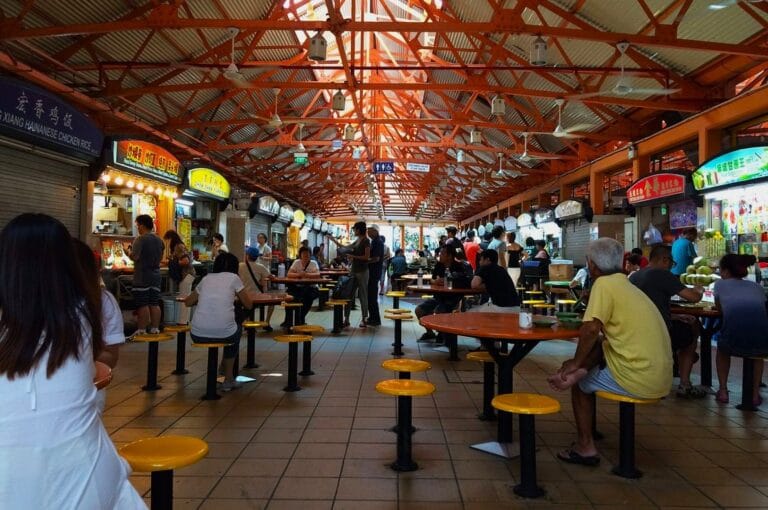
You don’t talk about Singapore cuisine without talking about hawker centres. These are not tourist gimmicks. They are the backbone of daily life.
At Maxwell Food Centre, long queues form before lunch. And no, they’re not random. The best hawker stalls earn those lines through repetition and discipline. Hainanese chicken rice with properly fragrant rice. Char kway teow with real wok hei. Hokkien mee fried in rich stock, not watered down.
The difference is in the small things. The balance of dark soy sauce. The sharpness of chili sauce with fresh lime juice. The hit of white pepper at the end. If you’re here, order the signature dish. Not the experimental side item. At a chicken rice stall, that means silky chicken, punchy chili, and rice cooked in chicken fat. At a nasi lemak stall, taste the sambal first. You want depth from palm sugar or gula melaka, not just sweetness.
Street food here reflects Southeast Asia in one compact city. Malay nasi lemak. Indian roti prata in Little India. Sri Lankan cuisine with crab curry rich in coconut milk. Chinese rice noodles tossed with soy sauce and spring onions. Anthony Bourdain understood this. He didn’t chase fine dining when he came to Singapore. He chased flavor.
The Middle Ground: Wine Bars, Small Plates, and Neighborhood Restaurants
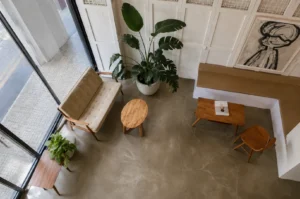
Not every great dining experience happens under fluorescent lights or crystal chandeliers. Some of the best restaurants in Singapore sit quietly in Tiong Bahru or Holland Village. Walk into a good wine bar and you’ll see the shift. Natural wine on the shelves. Creative cocktails behind the counter. A tight menu built around small plates that actually make sense together.
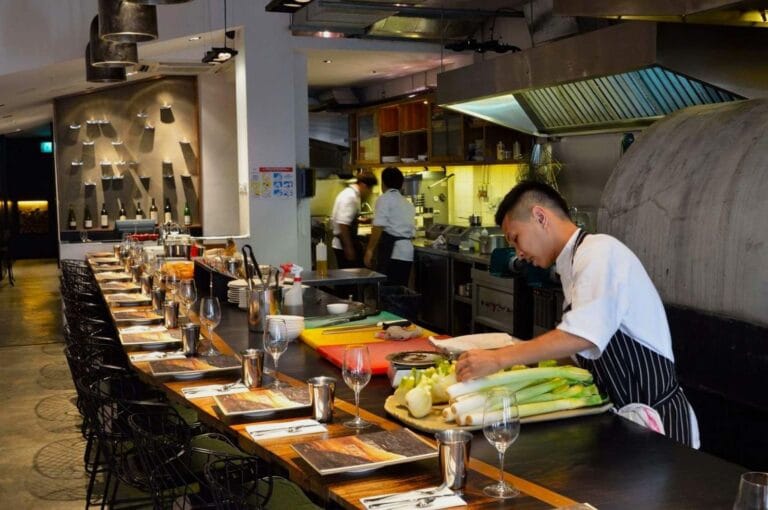
Steak frites done properly. Beef tongue braised until tender. Deep fried snacks that don’t feel greasy. Peanut sauce thick and nutty, not watery. In these spaces, the main dining room isn’t about show. It’s about control. Timing between dishes. Heat retention. How long a plate sits before it hits your table. Menus might change every few weeks. That’s fine. But consistency in execution is what separates a solid neighborhood restaurant from a forgettable one.
If you’re exploring Orchard Road, COMO Orchard is pushing a more refined but still approachable dining direction. In the city center, you’ll find restaurants experimenting with bold flavors while still respecting local ingredients like laksa leaves and coconut milk.
This is where Singapore restaurants show their flexibility. Casual but precise. Creative without being chaotic.
The Big Stage: Marina Bay Sands and Michelin Guide Spots
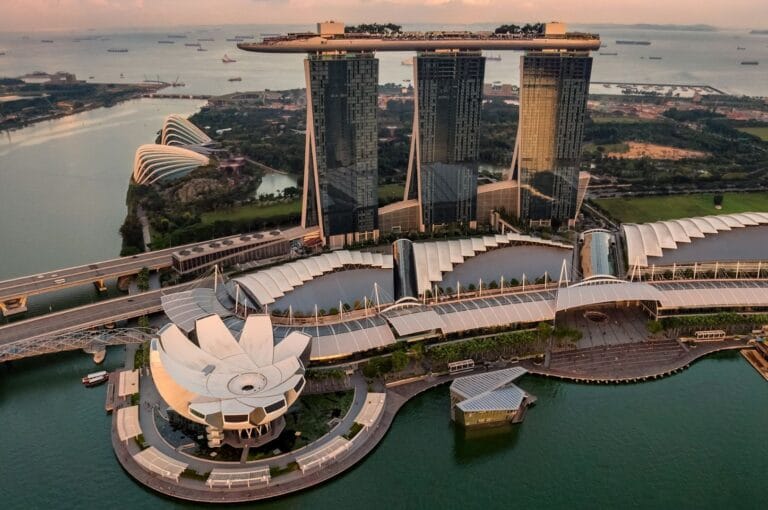
Now let’s talk about the skyline.
Dining at Marina Bay Sands delivers spectacle. But beyond the view, I’m looking at fundamentals. Is the chilli crab sauce balanced or just sweet? Is the white pepper crab properly seasoned or relying on heat alone?
The Michelin Guide has reshaped the perception of fine dining in Singapore. Michelin starred restaurants now sit alongside hawker stalls in the same conversation. That says a lot about this city. Tasting menus here can be sharp and focused. Courses built around Southeast Asia produce. Beef rendang reimagined with modern technique. Desserts layered with gula melaka and coconut milk.
Burnt Ends remains a strong example of identity done right. Fire-driven cuisine. Clear flavors. No confusion about what they stand for. But here’s the thing: a Michelin starred label doesn’t automatically mean it’s the best Singapore restaurants experience for you. Sometimes the best meal is still at a hawker stall with plastic chairs and a fan spinning overhead.
The Classics That Never Fade
Some names stick because they’ve earned it.
Ya Kun Kaya Toast still serves kaya toast the way it should be done. Crisp bread. Soft eggs. Strong kopi. It’s breakfast culture in Singapore, not just nostalgia.
Chili crab remains a must-try dish for visitors. Whether you spell it chili crab or chilli crab, the sauce should cling to the shell, sweet from palm sugar, tangy, slightly spicy. Mop it up properly.
Hainanese chicken rice continues to define local food identity. And when it’s good, it’s unbeatable.
These dishes are not trends. They’re foundations.
So What Makes the Best Singapore Restaurants?
It’s not just about hype or long queues. It’s about flawless execution.
It’s also about understanding what you’re walking into. A hawker centre meal thrives on speed and repetition, delivering consistent delicious food. A fine dining experience focuses on pacing and intricate detail, crafting tasting menus that highlight local flavors with precision. Both can be excellent, both can disappoint if the craft is lacking.
On your next visit, don’t just chase what went viral after Crazy Rich Asians. Explore beyond the usual paths. Wander from Beach Road Singapore to Orchard Road. Discover hidden gems from ground floor hawker stalls to second floor sister restaurants tucked away in quiet corners.
Savor the best steamed rice cake at a local hawker stall. Eat in Little India and delight in authentic Sri Lankan cuisine. Relax in a cozy wine bar in Tiong Bahru. Book a dinner at a Michelin guide spot to experience refined tasting menus. Singapore may be small, but its cuisine is layered, disciplined, and constantly evolving.
And that’s why the famous restaurants Singapore is known for aren’t defined by price or postcode.
For those who enjoy dining under the open sky, check out this guide to Singapore’s best al fresco dining spots for a breezy meal experience.