Dining in Singapore involves understanding not only the rich food culture but also the specific dining in rules Singapore visitors and residents alike must follow. Access to restaurants and dining venues in Singapore has been shaped by both local and global events, such as the COVID-19 pandemic. These rules help create a safe and respectful environment in restaurants, hawker centres, and coffee shops, especially during the festive season when group sizes tend to increase. In Singapore, country-specific regulations play a significant role in shaping dining rules and experiences, ensuring public health and safety. Whether you are a visitor or a local, knowing these guidelines ensures a smooth dining experience without awkward situations.
For diners looking to better understand Singapore’s diverse food culture—from hawker etiquette to fine dining expectations—resources such as SG Dining Guide offer practical insights into where to eat, what to expect, and how to navigate the city’s ever-evolving dining landscape.
What Restaurant Owners Expect: Respecting the Dining Environment
Restaurant owners play a crucial role in enforcing dining in rules Singapore-wide. The effort required by both restaurant owners and diners to keep up with evolving regulations and etiquette is significant, especially as rules change frequently. They are responsible for maintaining the sense of order and politeness that defines the local dining culture. For example, many restaurants require reservations for dinner, especially during peak hours or festive seasons, to manage space and service efficiently, and increasingly use digital reservation systems to handle high demand and operational costs. When making a reservation, the size of your party is important, as group size limits may apply. Menus are central to the dining experience and may be adapted due to operational needs, such as using digital menus or offering limited selections. It is considered rude to ignore these requests or to misuse communal utensils. Diners are encouraged to respect the process by waiting to be seated and by following any specific rules about party sizes or proof of vaccination, which may vary depending on the venue. Dining in Singapore restaurants generally requires proof of vaccination or exemption for groups of up to five, and if a table includes diners from multiple households, at least half or more must be vaccinated to dine together. Most upscale restaurants in Singapore enforce a smart casual dress code, prohibiting slippers, shorts, and tank tops for men.
Mastering Table Manners: The Key to Polite Dining
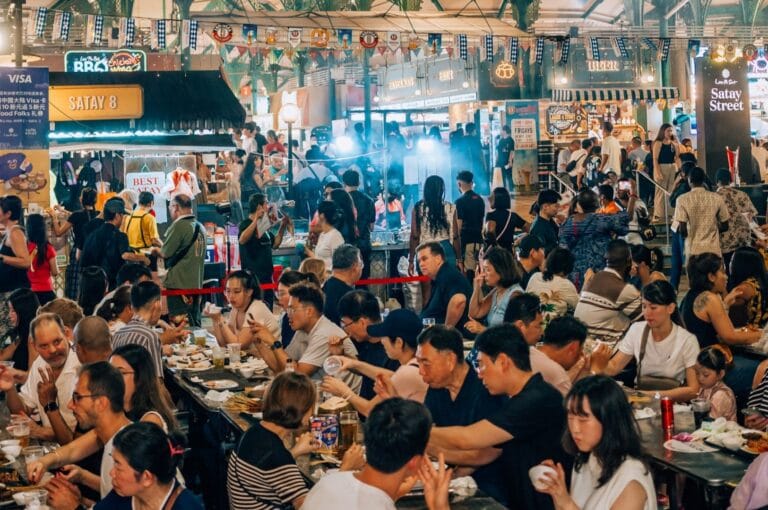
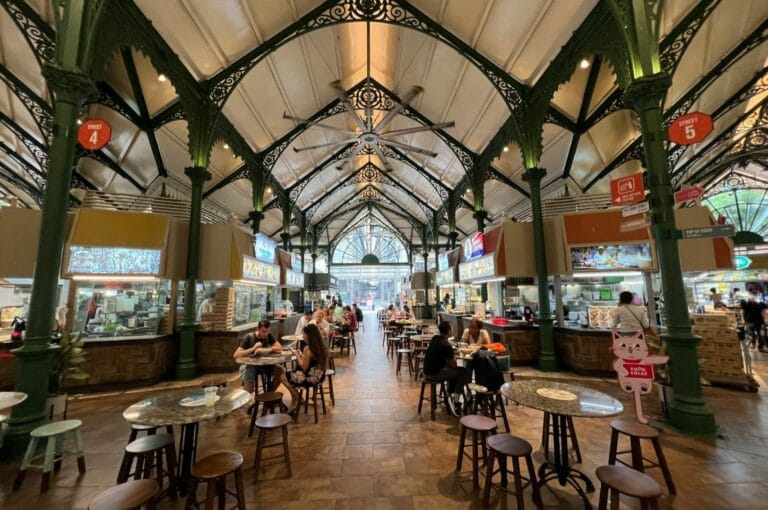
Good table manners are essential in Singapore’s diverse dining settings. When eating at hawker centres or coffee shops, it is polite to use serving spoons instead of your own utensils when taking food from a communal dish. Avoid using your left hand to pass food or drinks, as this can be considered disrespectful in some cultures within Singapore, such as in Muslim households. When seated at the table, wait until everyone is served before you start eating, as it is considered rude to begin before all have their meal.
An easy way to remember the placement of your bread plate and glass is: your bread plate is on your left, and your glass is on your right. When using utensils, never stick chopsticks upright in a bowl of rice, as this resembles joss sticks for the deceased and is considered disrespectful. Rest your utensils diagonally across your plate or bowl when not in use, rather than placing them directly on the table.
If wine is served, proper etiquette includes filling others’ glasses before your own and holding the glass by the stem to maintain the correct temperature. Each course should be enjoyed in sequence, using the appropriate plate and utensils for each.
Engage in polite conversation, avoid disruptive topics, and chew and swallow your food before talking to maintain decorum. Complimenting the host on the meal and offering help at the right moment when invited to someone’s home is customary and shows appreciation. It is also polite to offer to help clean up after the meal. Using your phone during a meal at someone’s home is considered rude and should be avoided.
Respecting these customs fosters a welcoming atmosphere, treating others as friends and enhancing the dining experience for everyone. Additionally, be aware that the Food Safety and Security Act (FSSA) was passed in 2025, consolidating food-related laws in Singapore, with updated regulations for novel foods and edible insects, and new allergen labeling requirements for prepacked foods coming into full effect by January 2026.
Dining with the Same Household: Understanding Group Size Rules
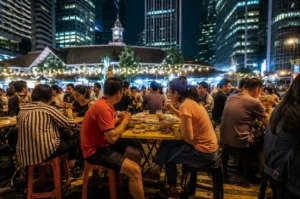
The dining in rules Singapore authorities have implemented often differentiate between groups from the same household and those from different households. For example, to reduce health risks, group sizes allowed in restaurants or hawker centres may be larger if diners come from the same household. Unvaccinated children aged 12 and below can be included in the group of 5, provided they are from the same household. In some cases, access to dine-in was restricted so that at least half or more people at a table needed to be vaccinated. Eating out with family is now limited to two people at hawker centres and food courts due to COVID-19 regulations, and group sizes at these venues remain at two people. The Ministry of Health has stated that it would be challenging to check vaccination status at more porous settings like hawker centres. Mandatory SafeEntry check-in using the TraceTogether app or token is required for all diners. No intermingling between tables is allowed, and tables must be spaced at least 1 meter apart in restaurants. Diners must also clear their own dirty trays, crockery, and litter at hawker centres, coffee shops, and food courts. As of January 1, 2025, privately-managed food businesses in Singapore can allow pets in outdoor dining areas, provided they do not serve pet food, but pets remain prohibited at all hawker centres, including their outdoor seating. In 2025, all COVID-19 related group size limits and vaccination-differentiated measures have been lifted in Singapore. Visitors should check the restaurant’s website or official announcements to understand current regulations, especially during the festive season when dining out is more popular and the evening atmosphere is enhanced by following these rules.
Celebrating the Festive Season: Tips for Smooth Dining Experiences
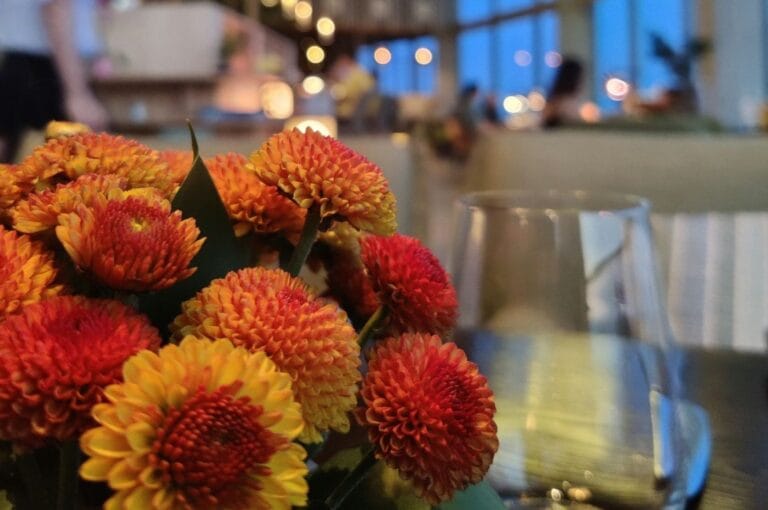
During the festive season, restaurants, bars, and hawker centres in Singapore are literally bustling with diners eager to celebrate with friends and family. Bars are especially popular venues for festive celebrations, offering a unique atmosphere for parties and gatherings. To avoid any rude or awkward situation, it is helpful to make reservations well in advance, especially for your party, as group sizes may be limited. Be mindful of table manners and the dining in rules Singapore has set to ensure everyone enjoys their meal. Sharing dishes is common, and festive menus often feature special dishes such as premium fish, though sourcing quality fish can be a challenge during peak periods. Use the serving spoon provided and avoid reaching across the table. If you need to request a special dish or drink, such as wine to accompany your meal, doing so politely will be appreciated by restaurant owners and staff alike. The menu may change during the season to highlight festive offerings. Remember, seizing the right moment for a toast or a word of thanks to the host adds to the festive spirit and creates a friendly atmosphere. The idea of providing constructive feedback directly to staff during this time helps improve the experience for everyone. Festive dining in Singapore connects people from around the world, making each celebration truly special.
Conclusion: Embracing Singapore’s Unique Dining Culture
Dining in Singapore offers a wonderful opportunity to experience a vibrant food culture shaped by diverse traditions and thoughtful dining in rules Singapore-wide. Navigating these rules requires effort from both diners and restaurant owners, as everyone works together to create a respectful and enjoyable dining environment. Whether you are sitting down at a fine dining restaurant or grabbing a quick bite at a coffee shop, understanding and respecting these rules and table manners will help you connect with the local culture and enjoy your meal to the fullest. Singapore’s dining rules also reflect the broader world of hospitality, where shared effort and appreciation are essential to building a welcoming community. So, the next time you eat out in Singapore, remember to wait your turn, respect the space, and savor every dish with appreciation.
Whether you are exploring new restaurants or revisiting familiar favourites, resources like SG Dining Guide can help diners navigate Singapore’s dining culture with confidence and ease.