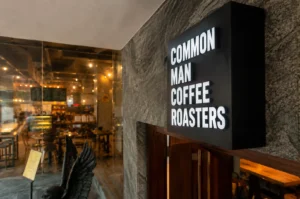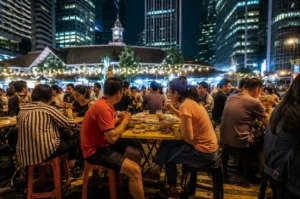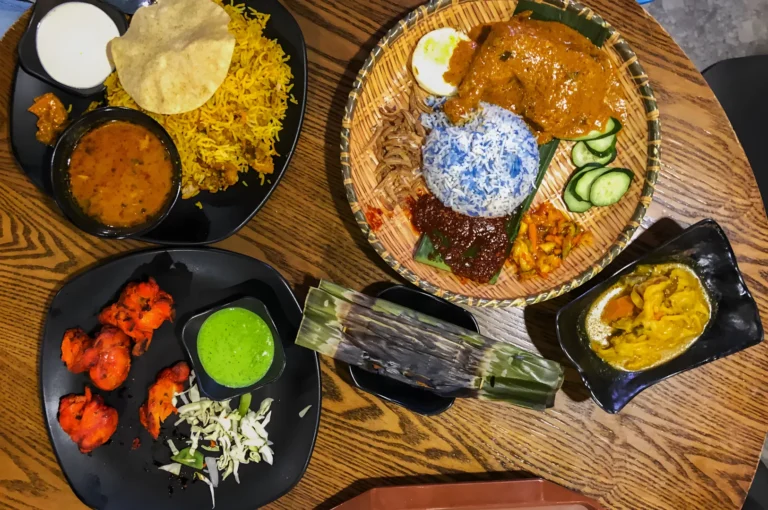
There is a restless energy that defines the food industry Singapore. It is a constant, humming undercurrent of reinvention that has solidified our city’s reputation as the undisputed Asia Pacific culinary hub. While other cities might rest on their laurels, Singapore treats its gastronomic identity as a living, breathing entity—something to be nurtured, challenged, and pushed forward. The story of Singapore food is not just about delicious meals; it is a narrative of how a nation skillfully balances a deep reverence for heritage with an insatiable appetite for innovation, creating a dynamic and resilient Singapore dining scene.
Food Manufacturing and Heritage: Foundation of Singapore Food Industry
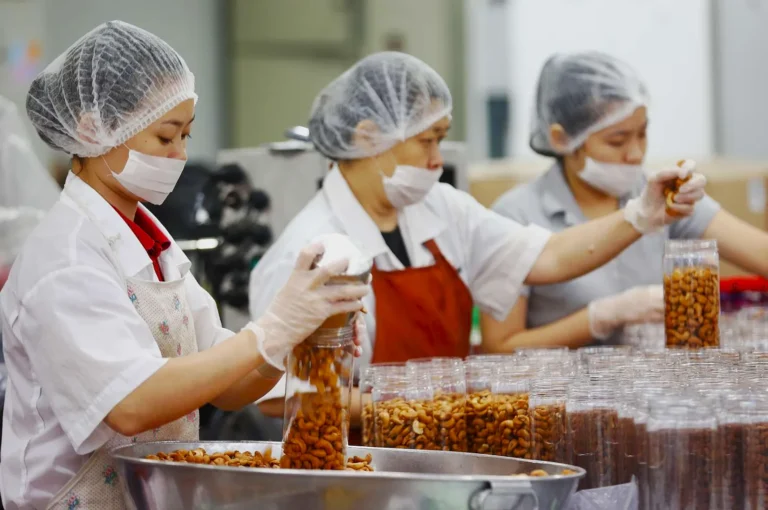
You cannot understand the modern food manufacturing landscape in Singapore without first paying respect to its foundation: the hawker centers and food courts. Our hawker culture Singapore is famous for, now a UNESCO Intangible Cultural Heritage, is the bedrock of our culinary identity and a key part of the food manufacturing and service ecosystem. It is a democratic space where multicultural influences—Chinese, Malay, Indian, and Peranakan—have converged for decades, creating a rich tapestry of flavors and food products.
Supporting local produce and aquaculture brings significant benefits, including fresher food and reduced carbon miles compared to imported food, which contributes to greater sustainability and community support. To help consumers easily identify local produce, the SFA has introduced the ‘SG Fresh Produce’ logo, making it simple to recognize locally farmed products. Additionally, the Farm-To-Table Recognition Programme (FTTRP) was launched to recognize food businesses that procure locally farmed produce, further promoting food security and consumer awareness.
This heritage is not just preserved; it is actively supported by the government and industry partners who recognize Singapore food as a core pillar of our national brand. This deep-rooted appreciation for authenticity provides the stable ground upon which all modern food manufacturing and food science innovation is built.
Food Safety and Modern Innovations Reshaping the Industry
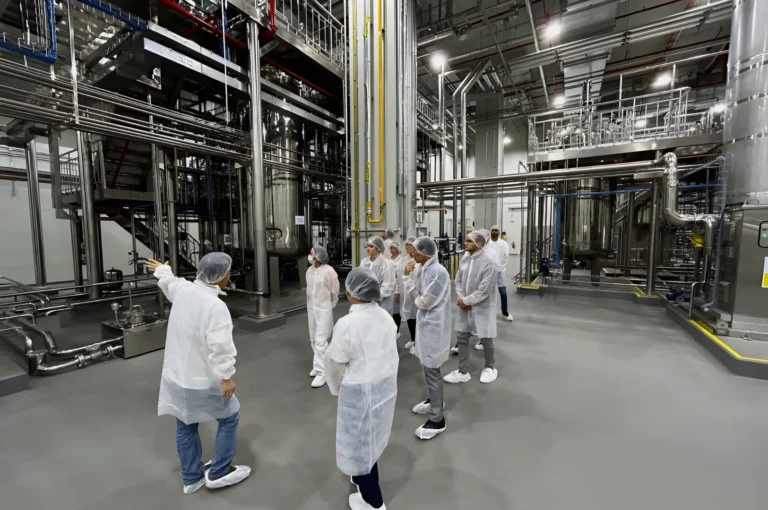
While heritage provides the soul, food safety and food science provide the momentum. The industry has embraced technology not as a threat, but as an enabler to develop safer and higher-quality food products. Delivery platforms, automation, and sophisticated reservation systems have become integral to the Singapore food industry, streamlining operations and expanding reach for food manufacturers, food caterers, restaurants, cafes, and coffee shops. Beyond digital tools, there is a powerful movement toward sustainability and local sourcing. With limited land, local produce and aquaculture have been reimagined through high-tech vertical farms and urban agriculture, making the farm-to-table concept a tangible reality in our urban environment. Singapore imports more than 90 percent of its food, making it highly vulnerable to global supply chain disruptions, geopolitical tensions, and climate change. This underscores the importance of local production as a buffer to enhance food security.
This forward-thinking mindset is also evident in business models themselves. Ghost kitchens have allowed for culinary experimentation with lower overheads, while the rapid adoption of plant-based proteins reflects an alignment with global Asia Pacific food trends. These innovations represent a fundamental shift in how the food industry Singapore operates, prioritizing efficiency, sustainability, and responsiveness to consumer demands. The Singapore Food Agency (SFA) operates through strategies such as import diversification, stockpiling, and local production to safeguard Singapore’s food supply through a multi-pronged food security strategy. The adoption of international standards and strict regulatory requirements ensures that food safety is maintained throughout the food supply chain, from livestock and farms to the final consumption by customers. SFA adopts a science-based risk assessment and management approach to food safety. Food importers are licensed by SFA and are required to apply for import permits for each consignment of food imported into Singapore. SFA also conducts accreditation at source for high-risk food items to ensure they meet food safety and animal health requirements. SFA works with the industry and consumers to build their capabilities and educate them on their roles in ensuring food safety.
SAC-accredited Conformity Assessment Bodies (CABs) provide certification of food safety management systems and food product types, and these internationally recognised accreditation and certification services improve trust among consumers and ensure fairness in the food manufacturing industry. Food safety testing, including biological and chemical analyses, is a critical part of the conformity assessment process, supporting compliance with standards such as HACCP and ISO 22000. Certification, testing, and accreditation services provided by agencies like SAC and CABs support food manufacturers through compliance, quality assurance, and market access. Food services is a key component of the food manufacturing value chain, involving the sale of food and beverages for immediate consumption.
Fine Dining, Pastry Chefs, and Singapore Food Products on the World Stage
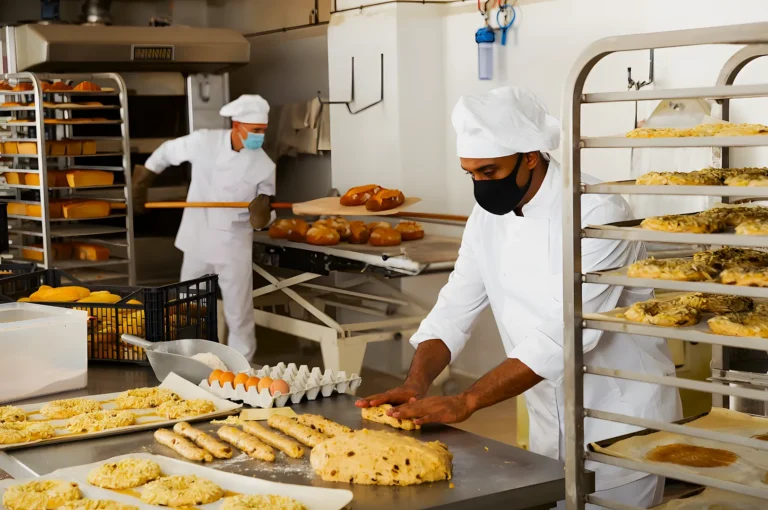
At the premium end of the spectrum, Singapore has asserted itself as a global powerhouse of fine dining and culinary excellence. The arrival of the Michelin Guide did not create our success but amplified it on the world stage. Our city is now a magnet for celebrity chefs, including renowned pastry chefs, and prestigious international restaurant brands, all eager to make their mark in this competitive food industry Singapore. This influx has raised the bar, fostering an environment where local talent thrives alongside global icons. The result is a vibrant fine dining landscape where contemporary Asian dining and bold fusion concepts push the boundaries of Singapore food, proving that our culinary ambition knows no limits. This also opens new avenues for market access and new markets for Singapore food manufacturers and companies.
As Singapore continues to assert itself as a global culinary destination, dining experiences have become increasingly personalized. Beyond fine dining and Michelin-starred restaurants, there is growing appreciation for smaller, more intimate spaces that offer privacy, craftsmanship, and meaningful connection.
Challenges, Adaptations, and Support for Food Manufacturers and Enterprises
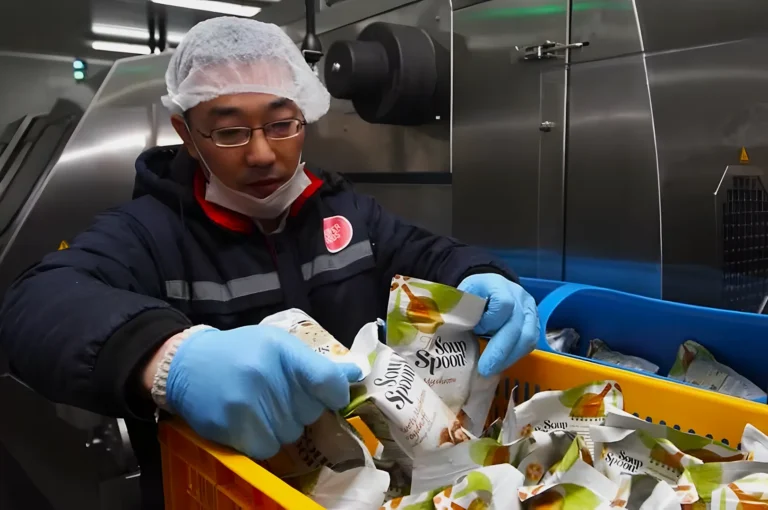
Of course, the evolution of the food industry Singapore is not without its challenges. Rising rental costs, manpower shortages, and intense competition place immense pressure on food manufacturers, food caterers, operators, and businesses ranging from small family-run eateries to large restaurant groups. The market is saturated and demands constant innovation to capture the attention of consumers with ever-changing preferences. The pandemic shifted consumer behavior toward value, health, and convenience, prompting the industry to adapt with remarkable agility. Navigating complex regulatory requirements while maintaining profitability requires leaner, smarter operations, often supported by programmes and initiatives launched by the government and industry partners. The industry faces a multitude of risks and challenges, including supply chain disruptions, competition, and rising operational costs. Singapore’s food industry is projected to generate approximately S$12.66 billion in revenue in 2025, growing at a steady CAGR of 4.73% through 2030, but as of 2025, businesses also face a high rate of closure due to these rising costs and intense competition. The food manufacturing industry employs more than 48,000 workers in Singapore and contributes around $4.3 billion to the nation’s GDP. The rise of online food delivery platforms and cloud kitchens has created new revenue streams and expanded market reach, with online sales now accounting for over 25% of total food and beverage service revenue.
Educational institutes of higher learning and research centres play a vital role in strengthening the industry’s capability and workforce. They offer programmes to learn and develop skills in food science, technology, and product development, accelerating Singapore’s journey toward a more sustainable and innovative food manufacturing sector. The Global Ready Talent Programme (GRT) offers funding support for Singapore enterprises providing student internships or management associate programmes, highlighting the involvement of students in workforce development for the agri-food industry. SFMA organizes seminars and workshops (events) to help food manufacturers improve their capabilities in areas such as innovation and productivity. Initiatives like the Upcycle Revival Challenge 2024 and the Meatless Meat Challenge 2022 accelerate innovation and the development of alternative protein options, helping local food enterprises stay competitive. SFA provides funding support to the industry to adopt innovative technologies that can boost production capabilities, and works with the agri-food industry to develop spaces for agri-food production through competitive land tenders. SFA has also made research funding available under the Singapore Food Story R&D programme to support innovation in sustainable urban food production. Digital transformation in Singapore’s food industry is driven by automation, AI, and data analytics, enhancing productivity and product development.
Food manufacturers can capitalize on the growing demand for specialized and functional foods, especially for the elderly—a key growing demographic in Asia, with the silver economy in Asia Pacific projected to be worth US$4.6 trillion by 2025. There are significant opportunities to create food products that address elderly needs in nutrition, texture, taste, and ease of preparation. Key trends for specialized nutrition in Asia include immunity-boosting foods, improved gut health, and demand for low-fat and low-sugar options. Food manufacturers can supplement nutritional gaps for different demographics by creating products with tailored nutritional profiles. A multitude of tailored resources and support are available for industry players through various SFA and SFMA initiative programmes, all working to strengthen Singapore’s food supply resilience.
Conclusion: Strengthening Singapore Food Industry Through Innovation and Collaboration
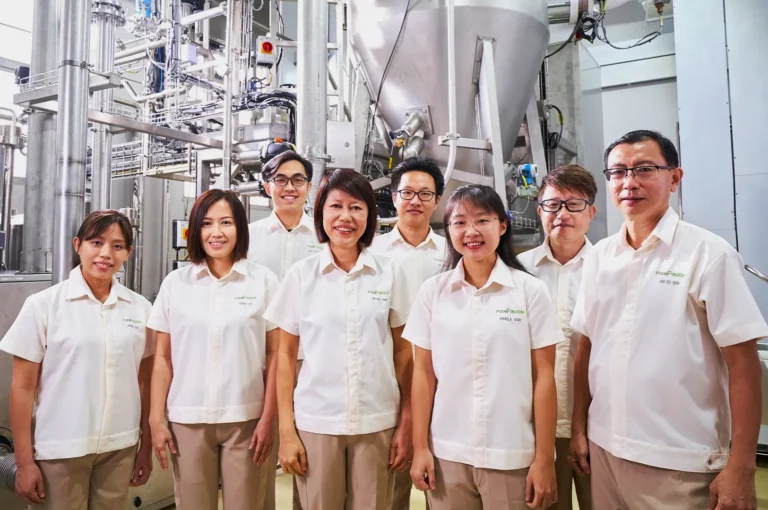
The unique strength of the food industry Singapore lies in its ability to hold two seemingly opposing ideas in perfect balance: a profound respect for the past and a fearless embrace of the future. It is this dynamic tension, supported by industry partners, government initiatives, and passionate enterprises, that keeps our Singapore dining scene exciting, resilient, and perpetually evolving. By continuing to innovate, adopt advanced technologies, and tap into new food sources and markets, Singapore will ensure the sustainability and growth of its food manufacturing and culinary excellence for years to come.
As Singapore’s food industry continues to evolve, it is not only large-scale innovation and production that define its success, but also the deeply personal dining experiences that shape how people connect over food. From heritage hawker stalls to refined private dining rooms, the city offers countless ways to experience cuisine at a more intimate level. For readers seeking a closer, more personal connection to dining, our guide to Intimate Dining Singapore: Best Private Dining Rooms for Memorable Gatherings explores how curated spaces, thoughtful service, and elevated cuisine come together to create unforgettable moments.