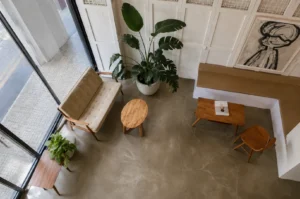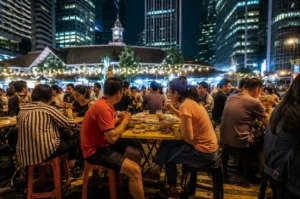
Most people in Singapore are used to tea appearing in two places: hotel afternoon tea sets where tea is part of an indulgence package, or cafés where tea (or ‘bubble tea’) is another drink to order quickly. On our visit to Tea Room by Ki-setsu, it was clear the concept is built differently. It behaves like private dining: a limited-seat room, a guided pace, and a structured course that makes traditional Chinese tea the main event.
This matters in a city that tends to optimise for speed. Tea Room by Ki-setsu uses constraint in how the space works, how the service runs, and how the room controls attention, to make traditional Chinese tea easier to understand and harder to treat casually. It creates a moment to pause and truly appreciate tea, offering an interesting contrast to the fast pace of the world outside.
The experience invites you to spend a bit more time with each cup, discovering the subtle shifts in flavour that make each sip unique and memorable.
Tea Room by Ki-setsu: What We Saw When We Stepped In
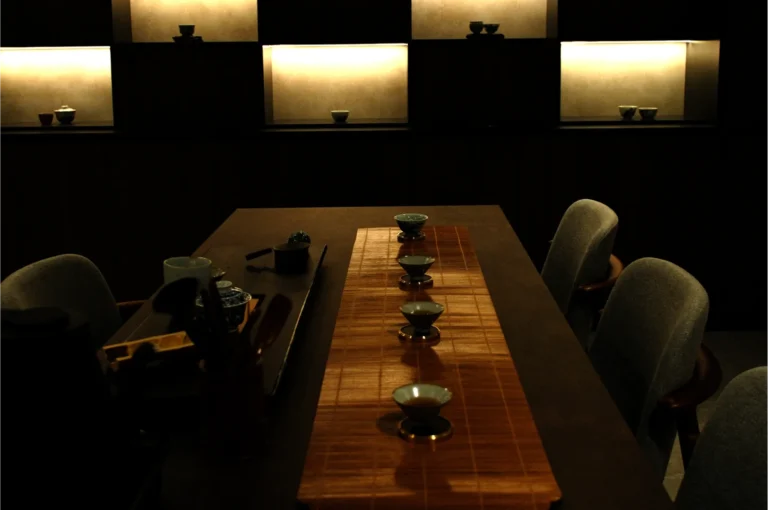
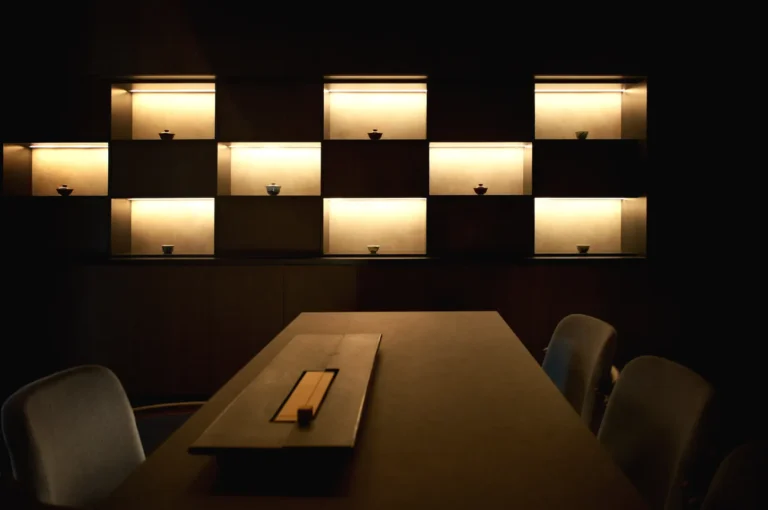
The first impression is not “big.” It is controlled. The tea room is designed to hold a small group and keep the table as the focus. A central table anchors the room, and the surrounding floor space stays clean so the host can move without cutting through guests. You can see how this supports a single rhythm: one person leads the session, and the room follows.
The environment is quiet enough that conversation stays at the table. This is why the format suits a focused catch-up with friends, a contained family session, or small meetings that benefit from a calm, neutral backdrop. The overall vibe is not “showy luxury,” but it is unmistakably premium in how it controls distractions.
Along one side, teaware display is treated as part of the experience rather than retail pressure. The room’s objects (teacups, teapots, and a working pot setup) are presented as craft and functional art, with a clear sense of beauty. It reads as a curated collection with a story, not a shelf that invites browsing. The effect is subtle, but the message is direct: the tools are celebrated here, and guests are invited to enjoy the artistry before they consider a purchase. While this is not a typical store to buy tea off the shelf, opportunities to purchase select items are available, complementing the immersive private Chinese tea experience that you can’t find anywhere else.
Chinese Tea as a Tasting Course: How the Session Actually Runs
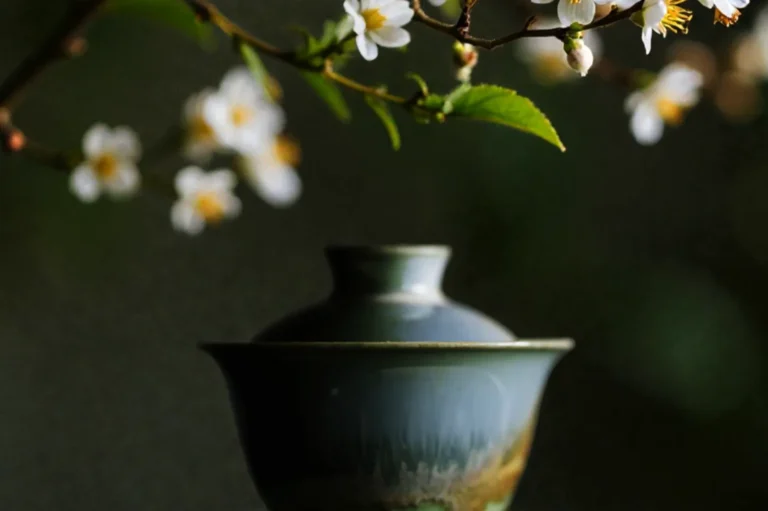
A common assumption is that tea is “one cup, one flavour.” What we experienced is closer to a tasting course. Chinese tea is built around repeated infusions; the same leaves evolve over time, and the session is structured to make that change visible.
This is where the language becomes practical. Rather than hunting for dramatic descriptors, we found it more useful to track patterns: a first sip that reads more floral, a later pour that feels more earthy, and a finish that lands softer and more sweet once the leaf opens fully. The taste isn’t static. The flavour shifts, and the room’s quiet makes those hints easier to notice.
Teaware plays a real role. A cup shape affects aroma concentration, and different teacups can change how the tea lands on the palate. The experience is not a wine flight, and it is not a bar where you chase novelty. It is an exercise in appreciation: paying attention to what changes when temperature, timing, and vessel remain consistent.
If you are familiar with japanese/japan omakase discipline, the comparison is useful as an idea: fewer variables, more focus, and a sequence that is designed, not improvised. The difference is that here, tea (not food) is the main axis.
Afternoon Tea Comparison: What This Is Not and Why That Matters?
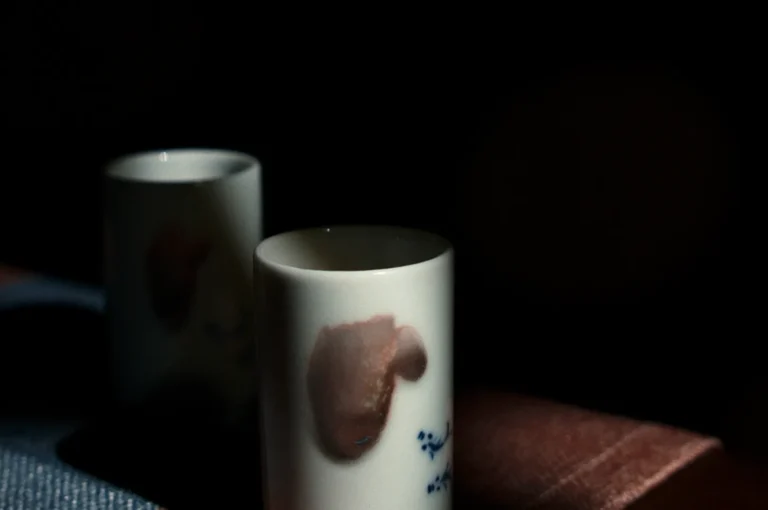
In Singapore, afternoon tea is often understood as a fixed package: tea as the background, sweets as the headline, and a predictable afternoon schedule. Tea Room by Ki-setsu sits outside that category. Tea is not a supporting beverage; it is the product.
This distinction matters because it resets expectations. If you arrive looking for a lounge-style spread with fruits, pastries, a broad tea blend list or a long “pick and mix” format… you will likely misread the room. The session is not designed to mimic hotel high tea, and it is not trying to compete with mainstream “treat day” dining.
A simple comparison helps. This is not a long lunch where dishes are continuously served, and it is not a “Singapore classics” plan anchored around something famous like chilli crab. It is a different kind of indulgence: time and attention, priced as a premium format.
Operators will recognise the intent. The room opts out of volume-driven behaviour. Diners should opt in knowing it is a tea-first structure.
Tea Leaves and Provenance: “Rare” Only Matters When You Can Taste the Difference
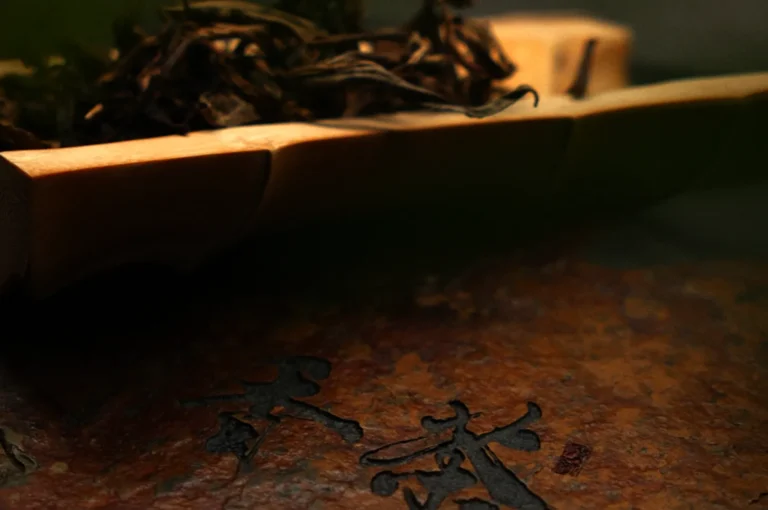
When people describe Tea Room by Ki-setsu as exclusive, the useful question is what exclusivity is built on. In tea, “rare” only matters if the room can explain selection clearly and if the tasting structure allows differences to show.
On our visit, the selection was framed as curated rather than endless. That matters because a wide array can easily become noise. Here, the curation encourages you to explore depth rather than skim breadth. The tea is positioned as coming from Bulang Mountain and Yiwu, China, and the experience places value on provenance and method, not on menu length.
Oolong is a good example of how the format helps. Oolong can run from bright and aromatic to darker, roasted, and more grounding. In a guided session, you can track how the leaf becomes more infused over time and how the profile shifts across pours, without needing to treat it like a checklist.
This is also where Singapore context matters. Many people first learn tea through heritage buying: walking into a shop, asking what’s good, and bringing it home. Names like Pek Sin Choon are often mentioned in that “buy for the home” tradition, tied to routine and the past. Tea Room by Ki-setsu is a different chapter: the tea room is designed to teach through tasting first, then buying with clarity.
Tea Time as Modern Relaxation: Why the Pace Feels Different in Singapore
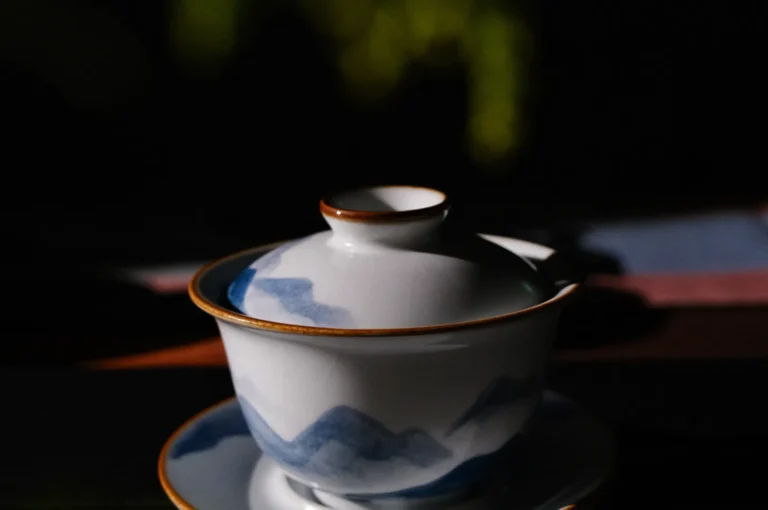
In Singapore, tea time often means something quick: a break between errands, an add-on after a meal, or a casual drink you fit into a busy day. Tea Room by Ki-setsu treats tea time as the main product, and that is where the phrase modern relaxation becomes practical rather than decorative.
The value is not something you can compress into a single social media post. The value is the pacing. You are allowed to stay with the tea long enough to notice changes, ask questions, and let the session unfold without rushing toward the next appointment.
This is also where public phrases can mislead. You will see people call it highly recommended. In our view, that phrase should be interpreted as “high fit” rather than hype. It is highly recommended if you want structured attention and are willing to plan; it is not designed for spontaneous drop-ins.
One small note: scarcity here is structural. The room cannot scale without changing the premise. That is why it can feel hard to book, even without promotional theatre.
The Public Teahouse Rhythm: Comparison with Other Key Players
Tea Chapter: Classic Model in A Modern City
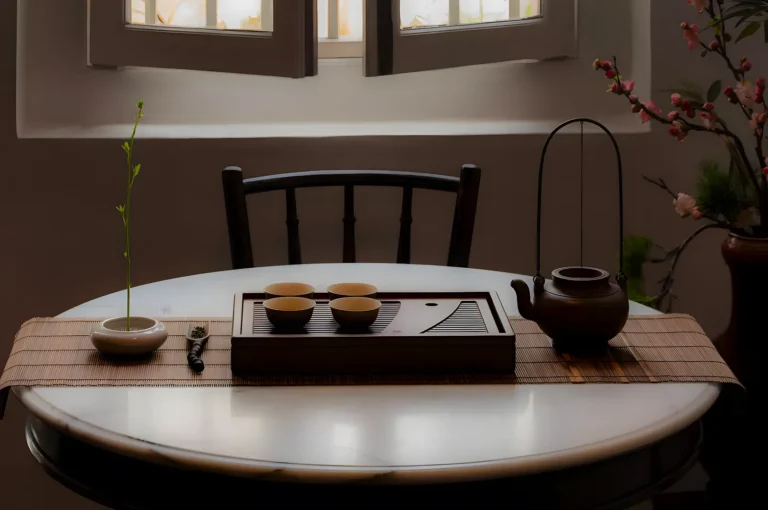
To understand Tea Room by Ki-setsu, it helps to contrast it with a more public teahouse rhythm. Tea Chapter represents a classic model many locals recognise: a place to settle in, order a pot, and let time pass with conversation as the main activity.
That public cadence matters because it clarifies expectations. Tea Chapter is typically easier for casual returns and looser planning. Tea Room by Ki-setsu is closer to a booking-led session where structure is part of what you pay for. Neither is “better” in the abstract; they serve different needs.
If you want a long, open-ended catch-up, Tea Chapter often fits. If you want guided tasting with minimal distraction, Tea Room by Ki-setsu fits.
Yixing Xuan Teahouse: The Browse-and-Buy Alternative
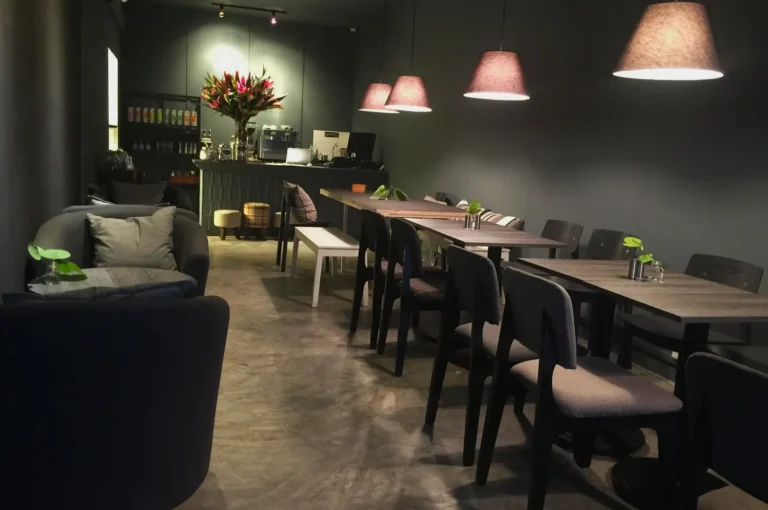
Yixing Xuan Teahouse represent another common pathway in Singapore: a breadth-first model where browsing and buying for home practice are central. This is often where people learn the practical side of teaware: how different teapots behave, why certain teacups suit certain teas, and how to build a home routine.
That model is useful and culturally important. It supports learning through repetition at home. Tea Room by Ki-setsu narrows the frame: it prioritises a guided tasting first, then allows buying as a consequence of clarity, not as the main activity.
This difference explains why one venue can feel accessible and another can feel exclusive. The exclusivity is the constraint: fewer seats, more structure, and a tighter focus on tasting.
Why This Tea House in Singapore Format Is Absolutely Worth Understanding?
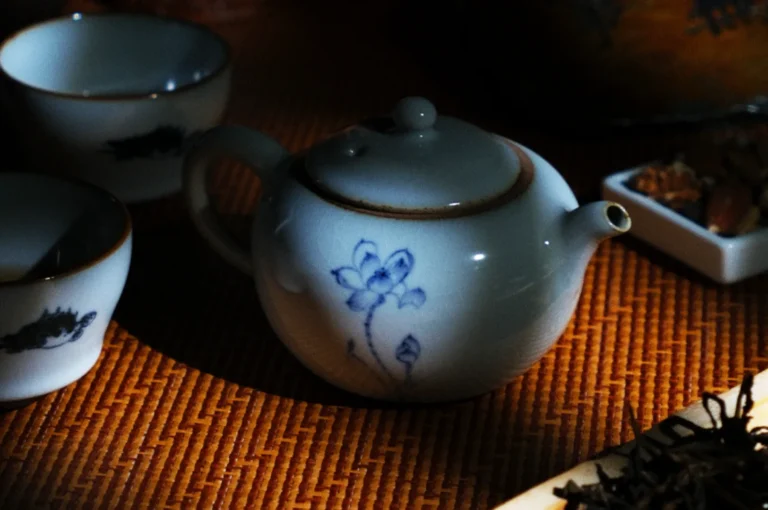
Tea Room by Ki-setsu is not exclusive because it is flashy. It is exclusive because it is disciplined: the room controls pace, the service supports a structured traditional Chinese tea course, and the environment makes Chinese tea easier to understand through tasting rather than browsing.
Located away from the bustling streets of Chinatown, the tea room’s intimate floor setting creates an atmosphere where art and craft come together in harmony. For tea lovers, it is absolutely worth considering if you want a quiet, premium-format tea session and are comfortable planning ahead. For the wider tea scene, it shows that luxury can be defined by constraint: not by décor alone, but by a system that protects method and makes attention possible.
If you go, go with a preference (lighter floral vs deeper earthy), treat it like private dining, and allow the tea to do its work. The experience is not designed to rush. It is designed for you to notice.
For more Singapore Dining Guide, visit our website: https://sgdiningguide.com.sg/