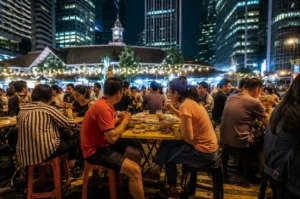
In Singapore, food is the primary language of the people. It is a dialect spoken fluently across every demographic, a currency of connection that transcends borders. To observe the dining out in Singapore scene is to witness a fascinating social experiment in real-time. We are not merely talking about a city that loves to eat; we are looking at a unique ecosystem where history, migration, and modernity collide on a plate.
Singapore is often associated with luxury and opulence, as famously depicted in the movie Crazy Rich Asians. The film even features Newton Food Centre, a popular hawker centre known for its variety of cuisine and vibrant atmosphere, highlighting the city’s dynamic food scene. While Singapore has a reputation for being an expensive city, it also offers a wealth of surprisingly affordable food options, especially in its hawker centres, making world-class dining accessible to everyone.
Restaurants here serve as far more than just commercial venues for sustenance. They are cultural institutions—physical spaces where the nation’s multicultural identity is constantly negotiated and redefined. This is cultural convergence Singapore style: a fluid, dynamic interplay of traditions that refuses to be static. When we look at eat in Singapore, we see a mirror reflecting the complex, interwoven DNA of its people. It is a window into how a small island nation manages to hold distinct ethnic identities while simultaneously forging a cohesive, shared narrative through its Singapore food culture.
As Singapore’s dining culture continues to evolve beyond hawker centres and everyday eateries, there is growing appreciation for curated, immersive dining experiences. This shift is reflected in features such as Intimate Dining Singapore: Best Private Dining Rooms for Memorable Gatherings, which highlight how private spaces are redefining how we connect over food.
Chicken Rice and Hainanese Chicken Rice: The Heritage Foundation
To understand the present, we must first look at the roots. The bedrock of Singapore dining culture is formed by the distinct culinary traditions of its founding communities: Chinese, Malay, Indian, and Peranakan. For decades, these flavors were preserved in the amber of authenticity, passed down through generational recipes in family kitchens and hawker stalls. Peranakan food, with its unique blend of Chinese and Malay influences, is a key part of Singapore’s culinary heritage and can be found in specialized restaurants serving both traditional and modern interpretations.
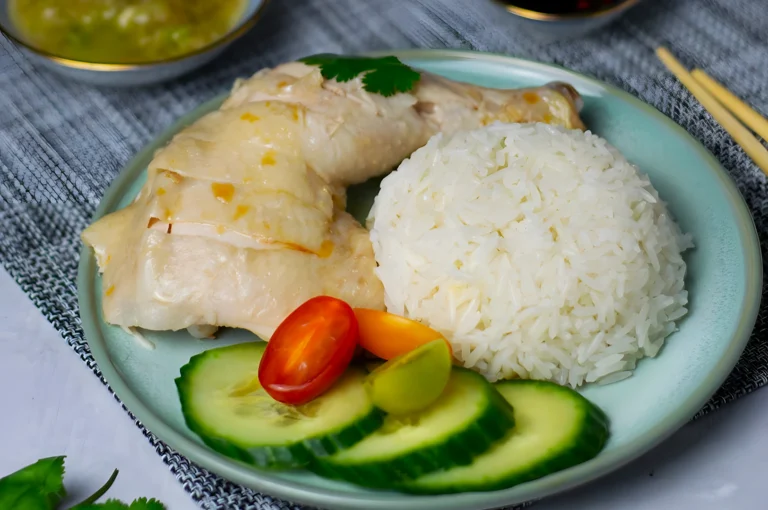
One of the most iconic Singaporean food dishes is chicken rice, especially the Hainanese chicken rice variety, which features tender poached chicken served with flavorful rice cooked in chicken broth, garlic, and ginger. Some versions use basmati rice for its fragrant aroma and fluffy texture, further elevating the dish. This dish is typically served with a trio of dipping sauces including pureed ginger, chili sauce, and a dark soy sauce blend. Hainanese chicken rice is considered a national dish of Singapore, reflecting the influence of Hainanese immigrants. At places like the famous Maxwell Food Centre, locals and tourists alike flock to savor this signature dish. Alongside chicken rice, dishes like bak kut teh—a peppery pork ribs soup made with pork bones and herbs—are staples of the best hawker stalls and hawker centres across the city.
Chili Crab and Black Pepper Crab: Fusion as Cultural Dialogue
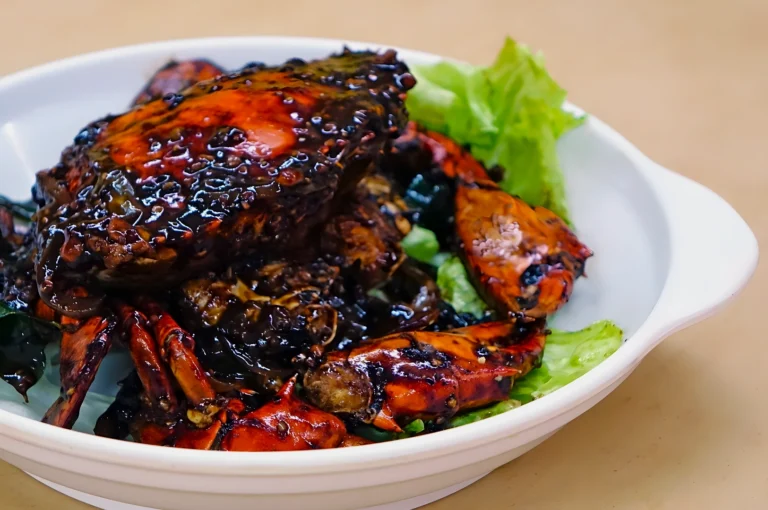
For a long time, “fusion” was a dirty word in gastronomy, implying confusion rather than cohesion. But in the Singapore restaurants scene, fusion is not a trend; it is a reality of life. True multicultural dining Singapore experiences are born from the lived experiences of chefs who grew up in this melting pot. It is a dialogue between cultures, not a collision.
Take the beloved chilli crab and black pepper crab dishes, for example. Chilli crab is often referred to as one of the national dishes of Singapore. These seafood delights, often prepared with mud crabs, are cooked in a thick sauce made with ingredients like chili, tomato, and egg, or a peppery buttery glaze. A spicy sauce is often served alongside or incorporated, acting as a key element that enhances the flavor of these seafood dishes. Chilli crab is widely available at seafood restaurants, with Long Beach Seafood and Red House Seafood being popular places to try it. Restaurants like Jumbo Seafood and spots across Marina Bay Sands also serve these dishes, which have become some of the most incredibly tasty and famous dishes in Southeast Asia.
Airport Road Food Centre and Best Hawker Stalls: The Social Dimension of Convergence
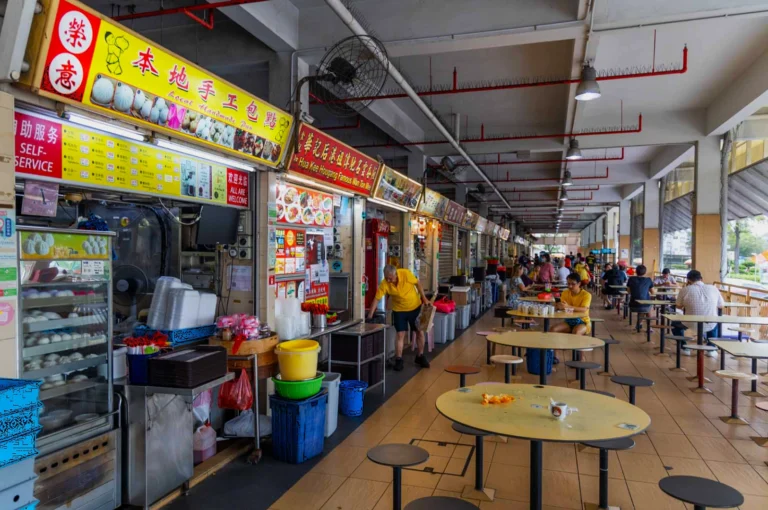
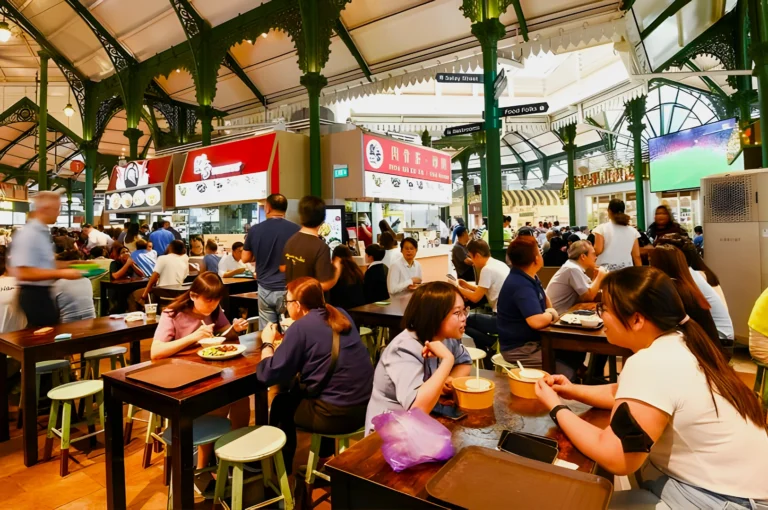
The heart of dining out in Singapore lies in its bustling food centres and hawker centres, such as the Airport Road Food Centre, where one can find a dizzying array of street food and classic dishes. Hawker centres are especially popular for their affordability and wide range of food choices, and many Singaporeans prefer to eat there for their daily meals. Here, the community gathers to enjoy delicious food ranging from fried chicken and roast duck to oyster omelette and carrot cake made from glutinous rice. Hawker food is often considered more delicious than what is served in more expensive restaurants, and Singapore is home to many Michelin-starred hawker stalls, showcasing the exceptional quality of its street food. You can easily eat well in Singapore on a budget by sticking to hawker centres, where meals typically cost between $3 and $6.
These centers are also where you can find traditional kaya toast served with soft boiled eggs and coffee in a local coffee shop setting, or sample char kway teow, a popular stir fried dish of flat rice noodles with egg, shrimp, and pork lard. Hawker centres are where locals go to find the best local flavors and some of the best meals in Singapore. Other must-tries include nasi lemak with fragrant rice cooked in coconut milk, served with spicy sambal and fried tofu. Whether you are seeking the best Singapore restaurants for fine dining or exploring the vibrant hawker scene, dining in Singapore offers a spectrum from inexpensive hawker meals to expensive high-end experiences.
Char Kway Teow and Carrot Cake: The Flavors of Home Cooked Dishes
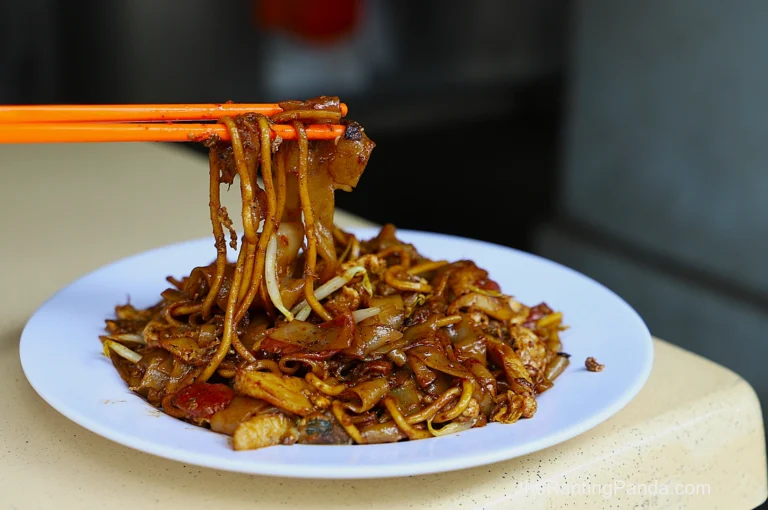
Many dishes at these best hawker stalls reflect home cooked dishes that have been elevated through generations. The char kway teow is a well-loved stir-fried noodle dish in Singapore, often accompanied by a squeeze of calamansi and a side of chili sauce. Hill Street Char Kway Teow is recommended for its char kway teow. The carrot cake here, also known as Chai Tow Kway, is a common dish found in Singapore—it’s a savory delight made from radish and rice flour, pan-fried with eggs and sometimes garnished with preserved radish. Song Zhou Luo Bo Gao is a popular stall for carrot cake.
Deep fried foods are also a highlight, with options like deep-fried chicken, beancurd with deep-fried doughsticks, curry puffs, and assorted fritters being especially popular for their crispy texture.
Other favorites include rice cakes and plates of egg noodles tossed with minced pork or served alongside pork belly and pork ribs. In traditional Chinese stir-fries, spring onions are a key ingredient, adding freshness and aroma to dishes such as beef with spring onions or venison with spring onions and ginger. The use of palm sugar, soy sauce, and dark soy sauce creates layers of flavor that excite the taste buds.
Char siew, a famous dish, stands out as an iconic example of Cantonese roast meat and is a must-try for anyone dining out in Singapore.
Food Tour and Fine Dining: International Influence and Local Identity
For those wanting to explore beyond the food centre experience, a food tour is an excellent way to sample the diversity of Singaporean food. From hawker stalls to fine dining restaurants, the culinary scene is vibrant and evolving. Enjoying a cold beer is a popular way to complement casual, late-night street food and outdoor dining experiences, adding to the relaxing and satisfying appeal.
Modern chefs experiment with local ingredients and spices, which highlight Singapore’s agricultural heritage and biodiversity. Dishes like curry laksa—a popular noodle soup that combines Chinese and Malay flavors, with Sungei Road Laksa being a well-known stall for this dish—or beef rendang, a rich, spicy meat dish, showcase this fusion. Peranakan food, a key part of Singapore’s culinary heritage, is also widely enjoyed, with specialized restaurants serving authentic Peranakan cuisine. Meanwhile, classic dishes like roti canai, served with a curry dipping sauce, and the iconic Singapore sling cocktail offer tastes of the city’s colonial and multicultural heritage.
Conclusion: All the Food, All the Stories
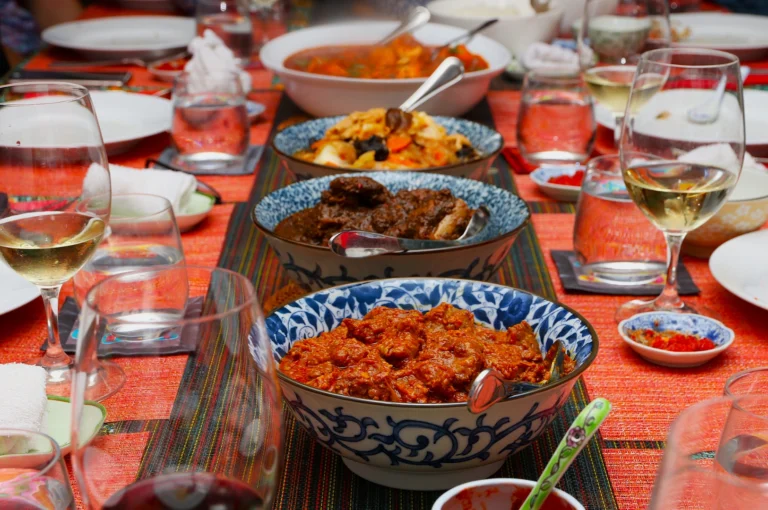
Ultimately, dining out in Singapore is more than just a meal; it is an immersive cultural experience. Whether you are enjoying fried chicken at a bustling hawker stall, savoring hainanese chicken rice at Maxwell Food Centre, or indulging in black pepper crab at a renowned restaurant, you are partaking in a living tradition. The fusion of Chinese origins, Malay, Indian, and Peranakan influences, combined with modern techniques, makes Singapore’s food scene one of the most exciting in the world.
From traditional kaya toast with condensed milk to the fiery kick of chili crab, the city offers all the food that will satisfy your cravings and expand your palate. So, when you eat in Singapore, remember you are tasting the vibrant, converging spirit of a people who celebrate their diversity one delicious bite at a time.
As Singapore’s food culture continues to evolve, so too does the way people choose to dine—moving toward more personal, immersive experiences. Guides such as Best Private Dining Rooms for Memorable Gatherings reflect this growing appreciation for thoughtful, well-crafted dining moments.