Knowing where to dine out in Singapore—whether you’re craving the legendary chicken rice at Maxwell Food Centre, spicy chili crab at a crowded seafood eatery, or a fragrant bowl of bak chor mee at one of the best hawker stalls—is only half the battle when exploring the Lion City. Enjoying famous dishes like hainanese chicken rice, char kway teow, bak kut teh, or even Michelin-starred offerings at the best Singapore restaurants adds excitement to any culinary journey. Singapore is home to an abundance of great restaurants, offering a vibrant mix of diverse and high-quality dining options that cater to every palate, from specialty eateries to world-class fine dining. The city’s multicultural food scene is shaped by Chinese, Malay, Indian, and Western influences, and is further enriched by its place in Southeast Asia, where many beloved dishes are shared, adapted, and celebrated across the region.
But beyond finding delicious food, understanding the unwritten rules of Singapore restaurant etiquette is key to truly enjoying every meal, from bustling food centres and street food stalls to sleek dining rooms. Whether you’re a first-time visitor eager to eat in Singapore or a local sampling a new cuisine, knowing these restaurant manners Singapore values ensures a more comfortable and respectful experience for everyone at the table.
While our companion article, “Dining Out in Singapore: Your Complete Guide to Singapore’s Restaurant Scene”, focuses on where to eat, this guide focuses on how to dine. From the frenetic energy of a hawker centre to the hushed elegance of a fine dining establishment, each setting commands its own set of manners. Understanding these nuances not only prevents awkward faux pas but also deepens your appreciation of the culture.
Understanding Singapore's Multicultural Dining Context
Singapore is a melting pot of cultures, and nowhere is this more evident than when you dine out in Singapore—whether you’re sharing a plate of chicken rice at a bustling food centre, digging into a spicy chili crab with friends, or joining the long queue for char kway teow or bak chor mee at one of the best hawker stalls. Many popular Singaporean dishes have Chinese origins, contributing to the rich diversity of the local food scene. Because of this, dining etiquette Singapore is not a monolith; it’s a fluid practice that varies depending on where you eat and what cuisine you choose, from hainanese chicken rice (which literally translates to “Hainan chicken rice”) at Maxwell Food Centre to bak kut teh or even a meal at one of the best Singapore restaurants.
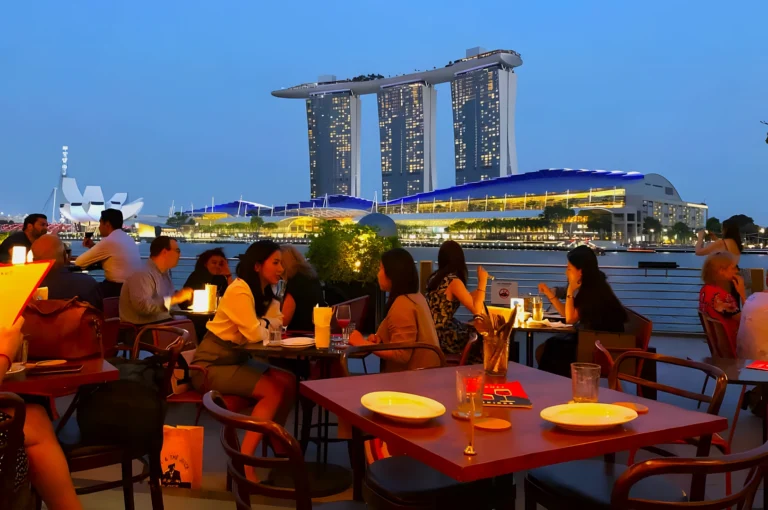
The expectations and restaurant manners Singapore upholds depend on whether you’re at a traditional hawker centre, a renowned food centre, or an upscale eatery where you eat in Singapore with a view of the city’s skyline. Each venue honors heritage while adapting to contemporary standards, blending customs across Chinese, Malay, and Indian cuisines, and showcasing the incredibly tasty diversity that defines Singaporean food culture. Mastering these nuances—not just what’s on your plate, but how to enjoy it respectfully—helps you fully experience the best of Singapore’s dining scene.
The golden rule of restaurant manners Singapore locals follow is respect. Being observant of your surroundings is key. If you are in a traditional establishment, take cues from the older generation or the locals around you. Singaporeans are generally forgiving of honest mistakes, but showing an effort to understand local customs goes a long way. Whether you are at a bustling kopi tiam or a Michelin-starred venue, awareness of this multicultural context is the first step to mastering local etiquette.
Hawker Centres and Food Court Etiquette
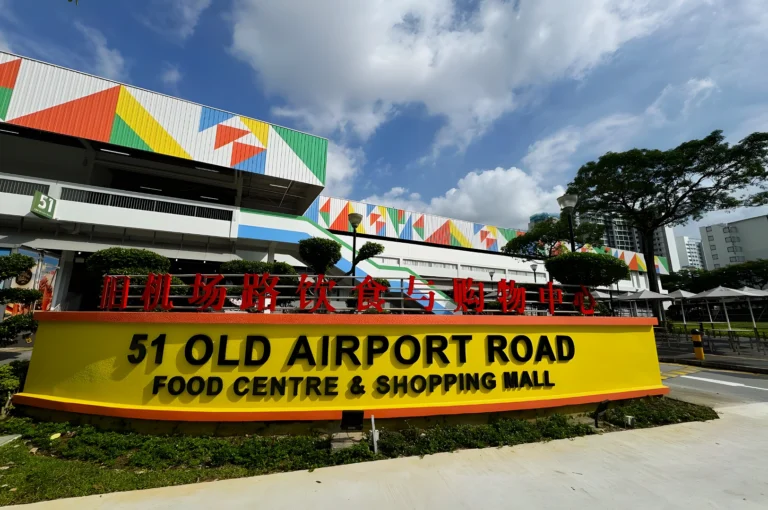
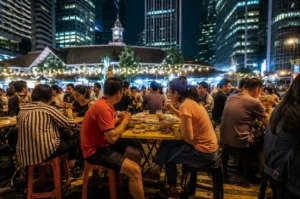
When you dine out in Singapore, the hawker centre is truly the heartbeat of the local food scene. It’s where you can taste everything from fragrant chicken rice to spicy bak chor mee, classic rice cakes, and where lining up for iconic dishes at the best hawker stalls—like Hainanese chicken rice or smoky char kway teow from Airport Road Food Centre—is a beloved national pastime. Deep fried snacks are a staple at many hawker stalls, offering crispy textures alongside other favorites. For the uninitiated, entering a bustling food centre might feel like a chaotic free-for-all, but there’s a genuine order to the frenzy once you know the rules.
The most famous—and uniquely Singaporean—rule of hawker etiquette is the “chope” system. Spot a packet of tissues, umbrella, or even a name card on an empty table? That table is reserved, usually by someone queuing for their chili crab, bak kut teh, or another favorite local dish at one of the best Singapore restaurants within the centre. Never take a seat that’s been “chope”-ed, especially during the intense lunch rush when everyone is vying to eat in Singapore’s famed food centres.
Ordering at hawker stalls is quick—know your order (maybe a plate of bak chor mee or a hearty bowl of bak kut teh) before reaching the counter. Some noodle dishes are served dry, tossed in flavorful sauces or chili oil, and typically served with a side of light broth. The use of pork lard in certain dishes, such as char kway teow or pork noodles, adds a rich, authentic flavor and enhances the overall taste. Many stalls in food centres now accept cashless payments, though having small cash on hand is still smart. Tipping isn’t expected in these settings, but a thank-you goes a long way.
Lastly, returning your tray and clearing the table after a delicious meal is more than good manners—it’s a requirement at most hawker centres. Participating in these little rituals not only shows respect for other diners and cleaners but also helps you fully immerse in the authentic experience of dining out in Singapore. Dishes are typically served with accompaniments like sambal chili sauce, calamansi, or dipping sauces, which are integral to the authentic flavor profile and enjoyment of hawker fare.
Casual Singapore Restaurants Dining Etiquette
Transitioning from tucking into hainanese chicken rice at your favorite food centre or lining up for chili crab at the best hawker stalls to dining at air-conditioned casual restaurants in Singapore brings a host of new dining etiquette considerations. In these settings, from hip cafes to family-friendly eateries or spots famous for char kway teow and bak chor mee, you can enjoy some of the best meals in Singapore, with the vibe remaining relaxed yet following an unspoken structure that shapes how you dine out Singapore-style.
When you eat in Singapore’s casual restaurants—whether craving local classics or exploring international menus—the best singapore restaurants set standards for comfort, service, and a touch of formality that differs from hawker stall dining. Many diners enjoy pairing their food with a cold beer, especially in the evenings or at outdoor venues, adding to the laid-back and social atmosphere.
Reservations are increasingly important for popular casual spots, especially on weekends. If you have booked a table, punctuality is crucial; many places have a strict 15-minute grace period before giving your table away. Dress codes are usually “smart casual”—shorts and slippers might be acceptable in a cafe, but long pants and covered shoes are safer for sit-down restaurants.
When interacting with service staff, a simple wave or raising your hand is sufficient to get attention; snapping fingers or shouting is considered rude. In terms of payment, you will often find a 10% service charge and roughly 9% GST (Goods and Services Tax) added to your bill. Because of the service charge, additional tipping is not expected, though leaving loose change or a small note for exceptional service is appreciated.
Noise levels should be moderate. While Singaporeans are lively diners, screaming or playing loud videos on phones without headphones is frowned upon. Taking photos of food is standard practice and widely accepted—almost expected—but try to be quick so your food doesn’t get cold and you don’t disrupt other diners with excessive flash photography.
Fine Dining Restaurant Etiquette
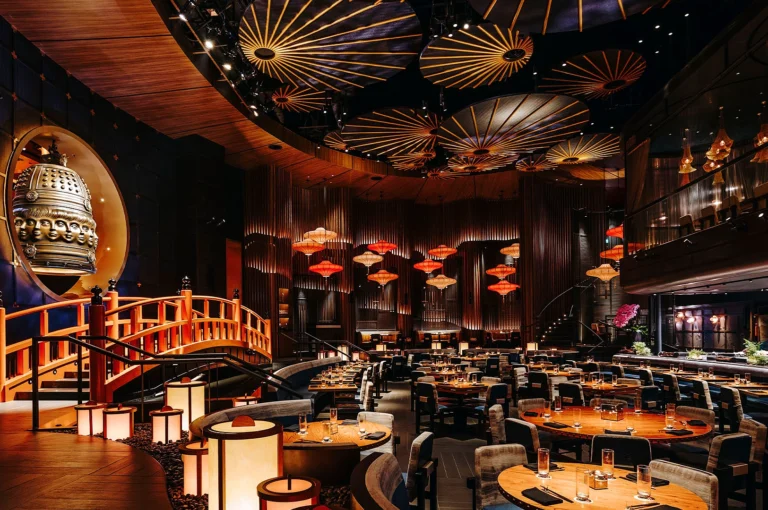
When you dine out Singapore-style for special occasions or want to experience the elegance of the best Singapore restaurants, understanding the nuances of fine dining restaurant manners is essential. Just as savoring hainanese chicken rice at a famed food centre or indulging in chili crab at a bustling street stall carries its own etiquette, fine dining—whether you’re trying a Michelin-starred spot or an iconic restaurant known for reimagining classics like char kway teow, bak kut teh, or bak chor mee—comes with a unique set of expectations that blend global standards and local culture.
Dress codes should be strictly observed—many places require “smart elegant” or formal attire, and you’ll stand out for the right reasons by dressing up. Reservations are mandatory in these sought-after venues, and it’s common for the best Singapore restaurants to have strict cancellation policies, often requiring credit card details to secure the booking, especially if you’re hoping to enjoy signature dishes beyond the hawker stalls or your favorite food centre.
Throughout the meal, rely on staff expertise—whether exploring a wine list or learning about a contemporary version of hainanese chicken rice. Use utensils from the outside in and place your napkin on your lap as soon as you’re seated. Course pacing is key at these restaurants, which often present a whole menu that plays on familiar Singaporean flavors in refined ways.
Tipping practices typically involve a 10% service charge, included in your bill. For genuinely outstanding service, a small additional tip is gracious, though it’s not expected—just as returning your tray is appreciated at a hawker centre.
Cultural Dining Customs Across Cuisines
Singapore’s diversity means you might dine out Singapore-style using chopsticks for char kway teow—where dark soy sauce is a key ingredient and egg noodles or rice noodles are staples—or a bowl of hainanese chicken rice with flavorful rice and pureed ginger one night, then enjoy chili crab with thick sauce or bak kut teh with your hands the next. Understanding these unique customs unlocks the most memorable experiences at the best hawker stalls, food centres, and even at the best Singapore restaurants. Here is a breakdown of specific dining etiquette for some of the most popular cuisines you’ll encounter as you eat in Singapore—from famous dishes like chicken rice to bowls of bak chor mee that excite your taste buds with bold flavors:
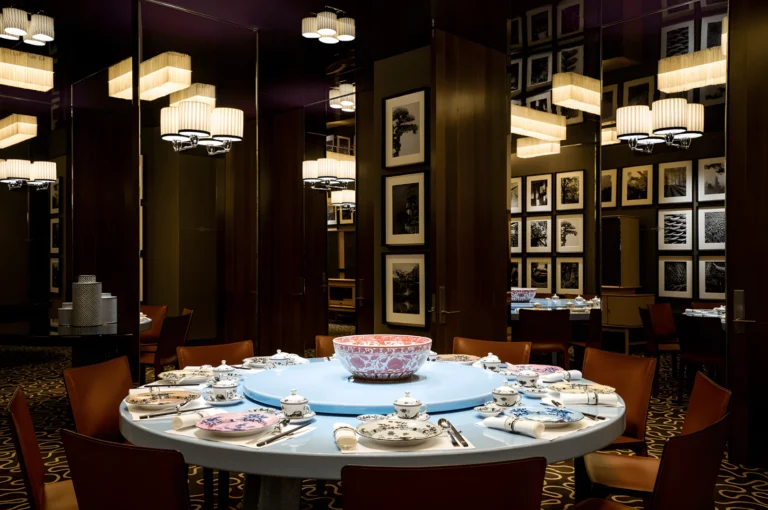
Chinese Restaurants: The Lazy Susan (rotating turntable) is common, especially when sharing popular dishes like chicken rice (served with pureed ginger and flavorful rice), bak chor mee (with minced pork), or platters featuring pork belly and char siu at a bustling food centre. Egg noodles and rice noodles are staples in many dishes, and yong tau foo is a comforting meal option. Wait for someone to finish serving before spinning it, and never spin it too quickly. When pouring tea during a meal of char kway teow or hainanese chicken rice, serve others first, and tap your fingers on the table in thanks if someone pours for you. Blood cockles are often added to laksa or noodle dishes for extra flavor.
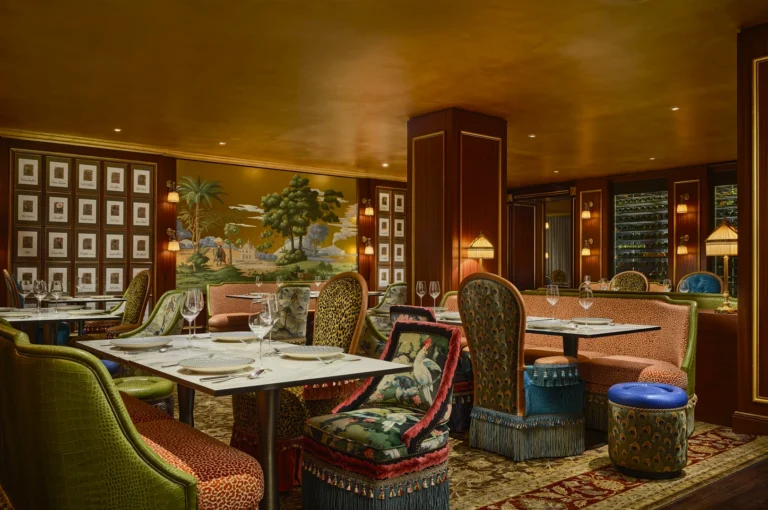
Indian Restaurants: Many authentic Indian meals, such as curry and rice dishes, are enjoyed with your right hand. Use bread like naan or the popular roti prata to scoop up curries and gravies. Basmati rice is a fragrant option often served with these dishes. Sharing food is customary and adds to the communal spirit present in many of the best hawker stalls around Singapore. Little India is a top destination for authentic Indian cuisine.
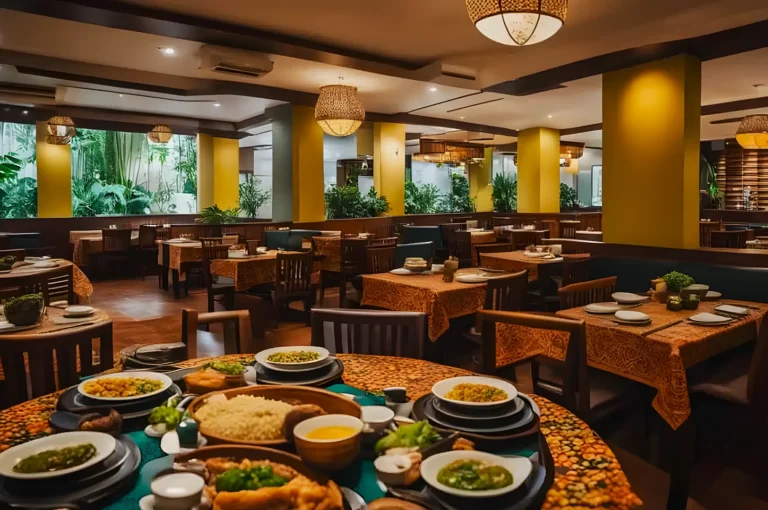
Malay Restaurants: Here, communal dining is also cherished. Eating with your right hand is often the norm when enjoying dishes like nasi lemak, which features fragrant rice cooked with coconut milk and pandan leaves, and is often served with fried chicken or fried tofu. Glutinous rice is used in traditional snacks, and beef rendang is a must-try dish. Coconut milk is a key ingredient in many Malay specialties, including curry laksa and nasi lemak. Always be mindful of Halal standards, particularly if celebrating at a food centre or a restaurant known for its incredible Malay cuisine. Lime juice is a common flavor enhancer for many dishes.
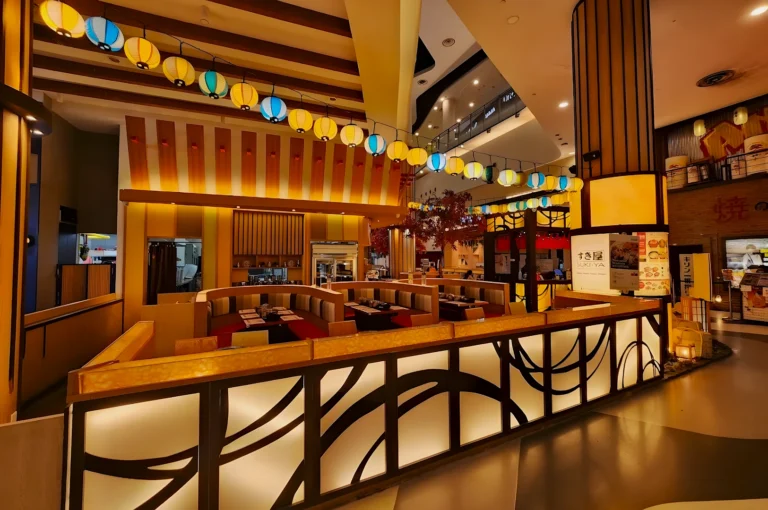
Japanese Restaurants: If you’re enjoying sushi or ramen after checking out the famous hawker centre classics, remember that chopstick etiquette matters—never stick chopsticks upright in rice, and slurping noodles is welcomed, just as in the bustling eating houses where locals gather to eat in Singapore. Condensed milk is often used as a sweetener in Japanese drinks or desserts.
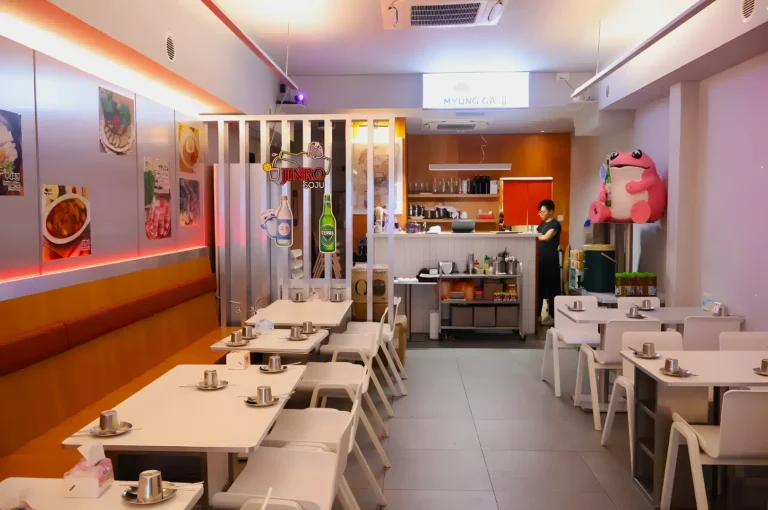
Korean Restaurants: Korean BBQ, banchan sharing, and drinking customs reflect respect and hierarchy. At many venues featuring Korean street food or barbecue, the youngest diners may grill for elders, and you’ll notice everyone turns away slightly when sharing a traditional drink, much like how sharing bowls of bak chor mee or chili crab signals camaraderie at Singapore’s best tables.
For breakfast, the traditional Singaporean experience at a coffee shop (kopitiam) includes kaya toast, ya kun kaya toast, and soft boiled eggs seasoned with soy sauce and white pepper, often enjoyed with a cup of local coffee. This iconic set is a must-try for anyone looking to savor the nostalgic flavors of Singaporean mornings.
Street food favorites like oyster omelette, spicy noodle soup such as curry laksa (with coconut milk and rice noodles), and peranakan food—known for its unique fusion of Chinese, Malay, and Western influences—are sure to excite your taste buds with their bold flavors. Don’t miss the Singapore Sling, an iconic local cocktail, and remember that lime juice is a popular condiment for many dishes.
Special Dining Situations
Beyond the type of cuisine, the context of the meal also shapes etiquette, especially as you dine out Singapore-style enjoying beloved dishes like chicken rice, chili crab, or a hearty bowl of bak chor mee at the best hawker stalls or food centres.
Business Dining: Whether your business meal is at one of the best Singapore restaurants, sharing a platter of hainanese chicken rice, or sampling signature dishes like char kway teow or bak kut teh with colleagues, punctuality remains non-negotiable. If you are the host, you are expected to pay the bill. The guest should not offer to split unless the host insists multiple times. Business is often discussed after the food has been ordered and served, not immediately upon sitting.
Group Dining: Coordinating a large group to eat in Singapore—perhaps feasting on chili crab or booking tables at a popular food centre—requires patience. When splitting the bill with friends, many modern restaurants and hawker stalls now accommodate separate payments. Still, it is polite to calculate this beforehand or use an app like PayLah! to reimburse one person who pays the master bill. For gathering a crowd over your favorite hawker fare, like bak chor mee or hainanese chicken rice, check out our “Best Group Dining Restaurants: Singapore Ultimate Guide” for the top places to host large parties.
Dietary Restrictions: Whether you’re visiting the best hawker stalls for char kway teow, a food centre for a plate of chicken rice, or an upscale eatery, always communicate allergies or restrictions (like “no pork, no lard”) clearly and politely at the start of the meal, or better yet, when making the reservation. Singaporean kitchens—from street food to fine dining—are generally accommodating, but clarity prevents mishaps.
Children: Singapore is family-friendly, and whether you’re tucking into hainanese chicken rice at a food centre or dining out at one of the best Singapore restaurants, it’s good dining etiquette Singapore parents follow to bring entertainment (coloring books, tablets with headphones) for children to keep noise levels down, especially in quieter or more refined venues.
Common Etiquette Mistakes to Avoid
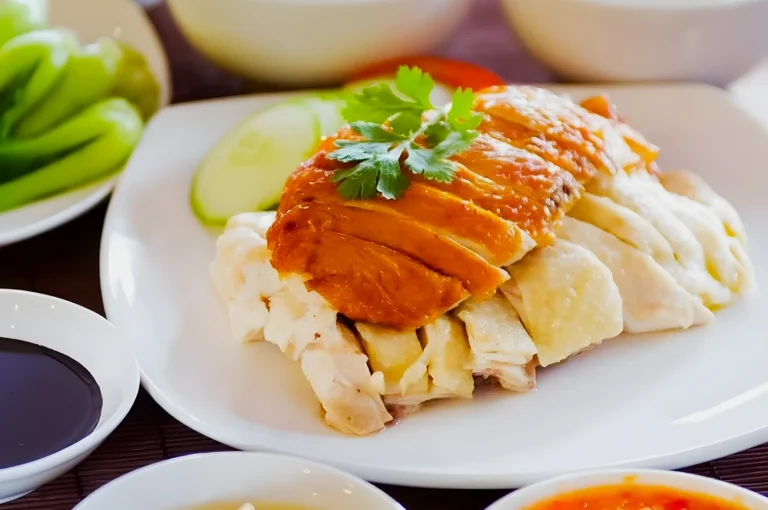
Even seasoned food lovers eager to dine out Singapore-style or sample popular dishes like chicken rice, chili crab, or char kway teow at the best hawker stalls can make etiquette missteps. Here are a few common mistakes to avoid as you navigate everything from a bustling food centre to the best Singapore restaurants—ensuring your behavior matches the great taste of hainanese chicken rice, bak kut teh, or bak chor mee you’ve come to enjoy:
Ignoring the Queue: Never cut in line or “chope” a table at a full-service restaurant before being seated by the host.
Snapping Fingers: Trying to get a waiter’s attention by snapping fingers or whistling is seen as highly derogatory.
Leaving Trays Behind: In hawker centres and fast-food outlets, leaving your tray is no longer just rude; it’s against the rules.
Assuming Western Norms: Don’t assume everyone is comfortable shaking hands or that every meal requires a knife and fork. Be adaptable.
Overstaying: At busy cafes or hawker centres during lunch hour, sitting for 30 minutes after finishing your meal while others are hovering for a seat is considered inconsiderate.
Conclusion
Navigating Singapore restaurant etiquette is about more than just following rules; it’s about joining the dynamic rhythm of those who love to dine out Singapore-style on everything from classic chicken rice and spicy chili crab to soulful hainanese chicken rice. When you embrace customs at a bustling food centre, savor char kway teow from the best hawker stalls, or enjoy bak kut teh or bak chor mee at one of the best Singapore restaurants, you move beyond being just a consumer—you become part of Singapore’s celebrated food culture. Whether you’re tasting your way through signature dishes or exploring where to eat in Singapore next, knowing these traditions helps turn each meal into a genuine local experience.
We hope this guide helps you dine with confidence and grace. Whether you are looking for a hole-in-the-wall gem or a grand banquet hall, SG Dining Guide is your complete resource for navigating Singapore’s diverse and delicious dining landscape. Explore our cuisine-specific guides today and eat like a local