I remember a time when the word “fusion” on a menu was almost a warning label. It conjured images of confused plates where ingredients from opposite sides of the globe were forced into an awkward embrace, often for the sake of shock value rather than flavor. But walking through the city today, the landscape feels entirely different. The asian fusion restaurant singapore scene has shed its teenage awkwardness and grown into a confident, sophisticated adult. Singapore’s Asian fusion restaurants now draw inspiration from across Asia and the world, blending diverse culinary traditions to create innovative and memorable dining experiences. It is no longer defined by the loud clash of cultures, but by a quiet, seamless harmony that reflects the very soul of this multicultural city. This shift mirrors a broader rethinking of fusion dining explored in What a Fusion Restaurant in Singapore Really Represents Today, where the focus moves from novelty to cultural confidence.
A hallmark of Asian fusion is the art of flavor layering, where chefs achieve a harmonious combination of sweet, sour, salty, bitter, and umami tastes in each dish, elevating the dining experience.
Today’s harmony is not accidental. Asian fusion cuisine in Singapore blends diverse Asian traditions with global techniques, resulting in creative dishes like Chicken Teriyaki Tacos and Curry Risotto that showcase the city’s culinary innovation.
Early Fusion as Experiment in Fusion Food
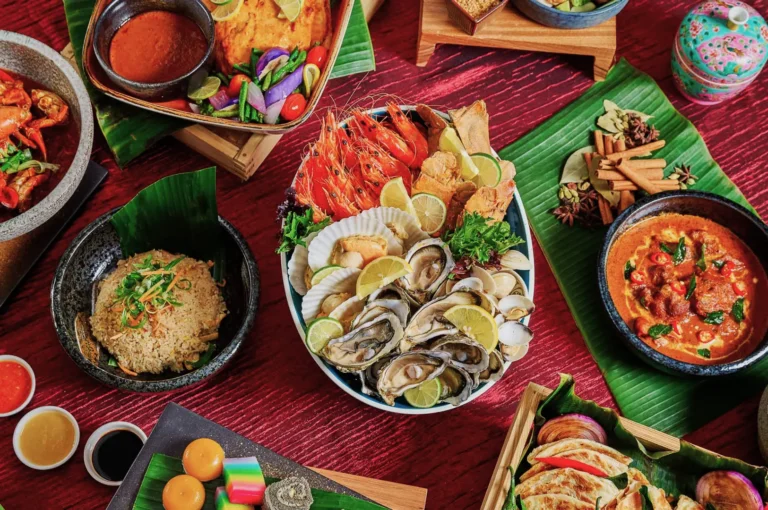
In the early days, fusion food felt like a laboratory experiment. It was an era of boundary-pushing, where chefs seemed determined to prove that East and West could meet, regardless of whether they actually got along. We saw wasabi foam on everything and pasta dishes drowning in heavy curries that didn’t quite work.
Looking back, I view this phase as a necessary adolescence. It was concept-driven and often attention-seeking, a way for the culinary scene to assert its modernity. While not every experiment was a success, these bold moves broke the rigid rules of traditional dining. They opened the door for a more playful approach to food, even if the results were sometimes more interesting to talk about than to eat.
Cultural Fluency Replaces Novelty in Fusion Restaurants
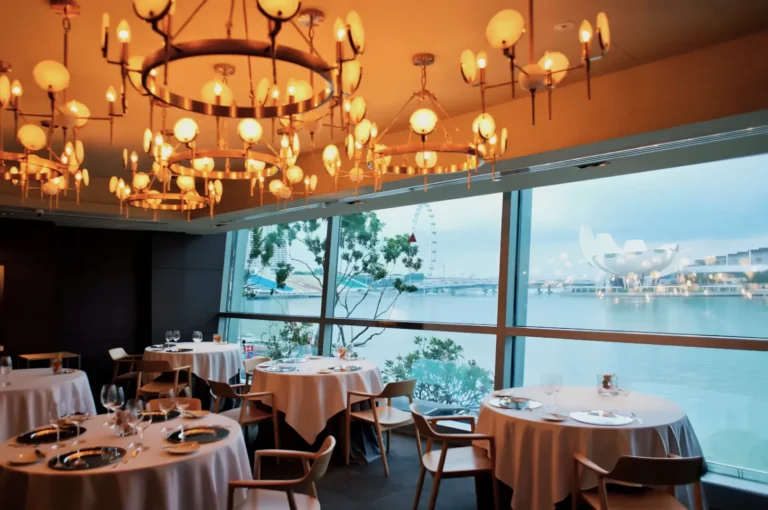
What separates the current era from those early days is a shift toward cultural fluency. The best fusion restaurants and chefs working today aren’t just grabbing ingredients off a shelf; they are diving deep into the histories and philosophies behind them. They show a deep appreciation for the traditions that shape each cuisine, encouraging a curious approach to exploring the stories and philosophies behind every dish.
Today, when I dine out, I see a respect for culinary traditions that grounds even the most inventive dishes. The blending of flavours feels natural rather than forced. For example, Peranakan cuisine is a prime example of cultural fluency, combining Chinese ingredients with Malay spices, as seen in dishes like Laksa. A chef might use a fermentation technique from Korea to deepen the flavor of a French sauce, not because it sounds exotic, but because it is the best way to achieve the desired taste. This evolution marks a move away from novelty for novelty’s sake. The goal is no longer to surprise the diner with a strange combination, but to comfort them with a delicious one.
Technique as the Unifying Language in Asian Fusion Restaurant Singapore
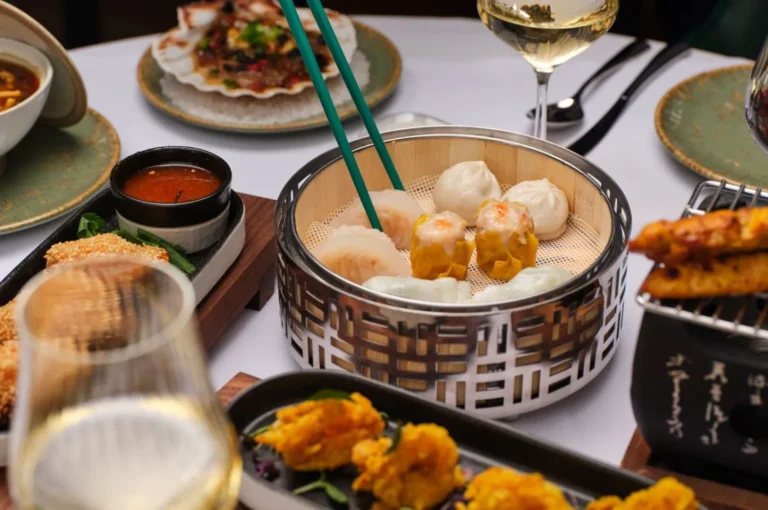
As the “wow” factor of fusion has faded, technique has emerged as the new anchor. In many successful asian fusion restaurants in Singapore, the common language is no longer just the ingredients, but the precision of the craft and how each element is expertly cooked to perfection. Whether it is the mastery of binchotan charcoal grilling or the delicate balance of a broth, execution has become the priority.
This focus on technique brings a consistency that was often missing in the past. It transforms fusion from a vague concept into a tangible display of skill. When the technique is flawless, the origins of the dish’s components matter less than the harmony of the final plate. It allows for a dining experience where the food speaks for itself, requiring no lengthy explanation from the server to justify its existence.
By 2026, Singapore’s culinary scene features a mix of casual eateries and Michelin-starred restaurants, all showcasing innovative dishes.
The Role of Local Taste in Spicy Food and Fusion Cuisine
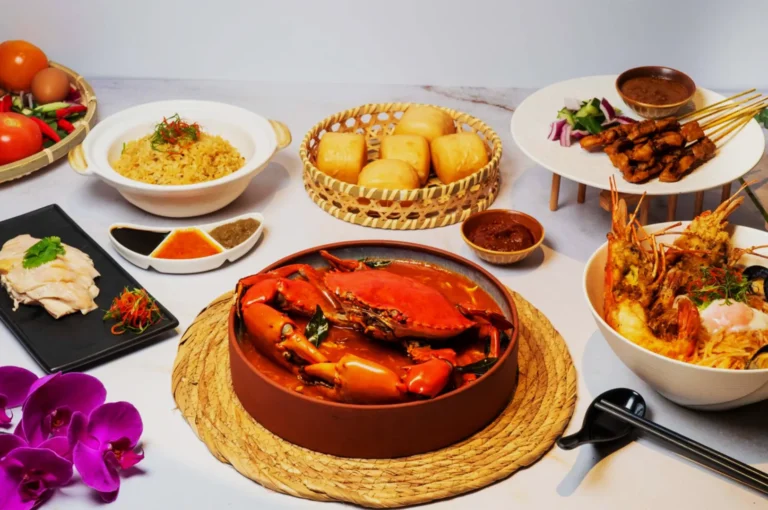
We must also give credit to the diners. The evolution of asian fusion Singapore style dining has occurred alongside the maturation of our own palates. Singaporeans are incredibly sophisticated eaters; we grow up navigating a complex landscape of Malay, Chinese, Indian, and Peranakan flavors. We are comfortable with complexity and spice.
Because of this, we no longer need fusion to be labeled with flashing neon signs. We expect coherence. We can taste the difference between a thoughtful integration of flavours and a lazy mash-up. This symbiotic relationship between chef and diner has raised the bar. It signals a mutual confidence—chefs trust us to understand their nuance, and we trust them to respect our taste memories.
Eating Asian fusion pasta dishes in Singapore often means enjoying flavors from Singaporean, Japanese, and Thai cuisines, creating a unique and memorable dining experience. Dishes like Laksa Sayang Eh! and Seafood Tom Yam Cream Pasta are prime examples, blending traditional Asian flavors with pasta for a creative twist.
From Statement to Everyday Dining at the Best Fusion Restaurants
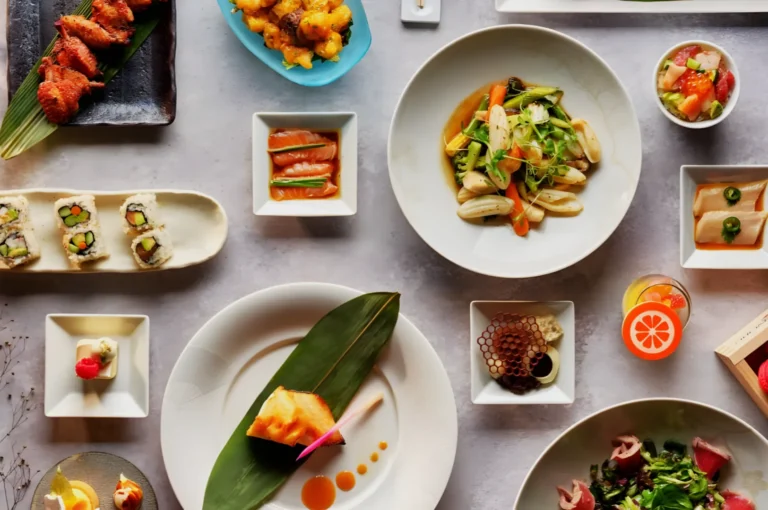
Perhaps the most significant sign of maturity is how the asian fusion restaurant has moved from being a special occasion destination to a part of our everyday lives. It is no longer just high-concept fine dining; it has trickled down into casual bistros and neighborhood eateries. Many Asian fusion restaurants now serve brunch, making them accessible for relaxed weekend dining. These restaurants also serve a variety of dishes suitable for kids, making them family-friendly and welcoming for all ages. With the convenience of searching by location and booking a table in real time, finding a nearby Asian fusion restaurant and reserving your spot has never been easier.
This shift—from spectacle to routine—is evident across many of the restaurants we feature on SG Dining Guide, where fusion dining is treated as part of everyday Singapore eating, not a special occasion novelty.
This integration suggests that fusion is no longer a “statement” we make when we go out to eat. It is simply how we eat. It reflects the reality of living in a global city where boundaries are fluid. We don’t overthink a taco filled with bulgogi or a pasta tossed with chili crab meat sauce; we just enjoy it because it makes sense to us. Looking ahead, by 2026, Singapore’s Asian fusion landscape will include hyper-local sourcing and a greater emphasis on complex fermentation, further evolving the dining experience.
Notable Asian fusion restaurants in Singapore include Candlenut, widely regarded as one of the best, and Restaurant Labyrinth, which is highly recommended for its innovative approach. At Labyrinth, Chef LG Han reimagines local Singaporean dishes using avant-garde techniques. Nouri, led by Chef Ivan Brehm, is known for its ‘Crossroads Cooking,’ blending global influences with Asian roots. Quenino, a MICHELIN-selected restaurant at Esplanade Mall, is helmed by Chef Sujatha Asokan and was developed in collaboration with Chef Victor Liong; while not a fusion restaurant, Quenino focuses on retelling Southeast Asian cuisine and offers an exceptional dining experience for special occasions. Other standouts include FOOK KIN 福劲 in Orchard, Chifa! for Peruvian-Chinese fusion, Nobu for Japanese-Peruvian fusion, Ms Maria & Mr Singh for Mexican-Indian fusion, and Tambi, which serves a blend of Korean and Southern Indian cuisine.
Fusion Pasta Dishes: A Modern Twist on Tradition
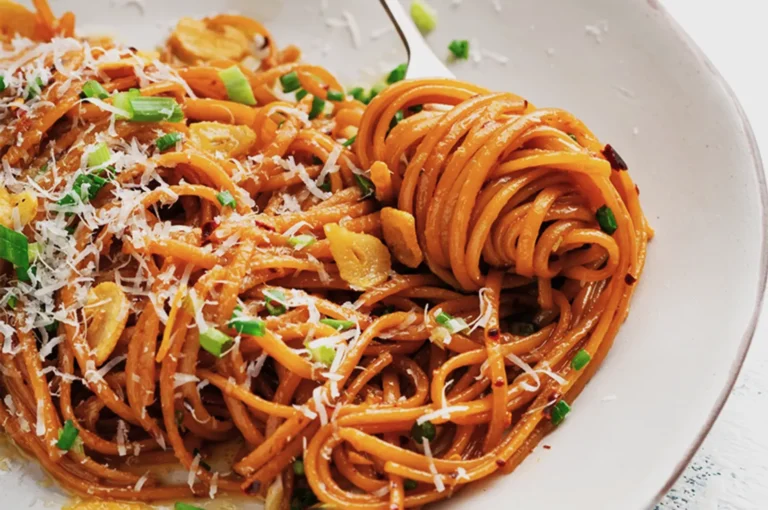
One of the most exciting trends in asian fusion restaurant singapore is the rise of creative pasta dishes. These dishes blend traditional pasta with Asian flavours, often incorporating fresh seafood like crab meat or salmon, and spices that bring a spicy, creamy, or salty bite. Fusion restaurants also offer inventive noodle and rice dishes, sometimes using grilling techniques to add depth of flavor to their menu. For example, tom yam seafood cream pasta combines the richness of cream sauce with the spicy tang of tom yam, offering a fantastic fusion dining experience.
Ingredients in these dishes are expertly cooked, with some chefs using sugar to caramelize meats and enhance the overall flavor profile. Other dishes like beef bolognese with an Asian twist or the Salmon Mentaiko Pasta—featuring spaghetti mixed with salmon and topped with mentaiko—showcase a Japanese-Italian fusion that is highly recommended by food critics and diners. The Dragon Chamber stands out for its inventive Chinese fusion dishes such as Truffle Hor Fun, all served in a hidden speakeasy setting. Chifa! offers a unique Peruvian-Chinese fusion cuisine, bringing together diverse culinary traditions with rice and noodle-based dishes.
Many fusion restaurants make the dining experience fun by offering customizable fusion bowls or dishes, allowing guests to tailor their meals. To complete the meal, these establishments often serve quality coffee and a variety of dessert options, making them a great choice for breakfast, lunch, or dinner.
Conclusion: A Dining Experience Packed with Flavours and Inspiration
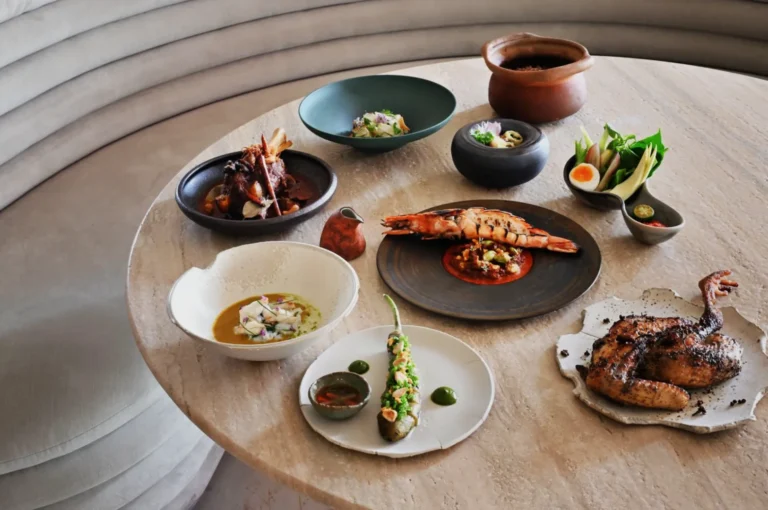
Ultimately, the journey of the asian fusion restaurant singapore scene mirrors the broader cultural journey of the city itself. We have moved from trying to prove our cosmopolitanism to simply embodying it. Today, fusion cuisine represents a comfort with complexity, a deep respect for heritage, and a quiet assurance that we no longer need to choose between tradition and modernity. We can have both, on the same plate, in perfect harmony.
Whether you visit a japanese restaurant, a casual eatery in Esplanade Mall, or one of the best fusion restaurants in town, you can expect a warm atmosphere, fresh ingredients, and a team of chefs passionate about delivering an enjoyable meal. So next time you’re hungry for a fantastic dinner or lunch, don’t forget to indulge in the rich, spicy, and creamy flavours that define Singapore’s vibrant fusion food scene.