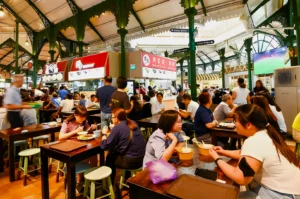
Every act of singapore eating out begins not with a craving, but with a question: what is the occasion? To truly eat in Singapore is to immerse yourself in a city where culinary diversity meets an endless array of options, from street food to fine dining, making every meal an experience in itself. In a city famed for its vibrant street food culture and diverse restaurants in Singapore, the process of choosing where to eat is a complex and fascinating ritual. From bustling hawker centres like maxwell food centre and airport road food centre, the heart of local food in Singapore, offering budget-friendly, authentic dishes from various cuisines, to elegant alfresco restaurants and michelin starred restaurants, the decision reveals much about our values, our relationships, and our place in society. Singapore’s fine dining scene includes numerous Michelin-starred restaurants offering innovative international cuisines.
This evolving relationship between food, identity, and community is explored in greater depth in Dining Out in Singapore: A Window Into Cultural Convergence, which examines how shared meals reflect the nation’s cultural diversity and social rhythms.
Chicken Rice and the Occasion-First Mindset
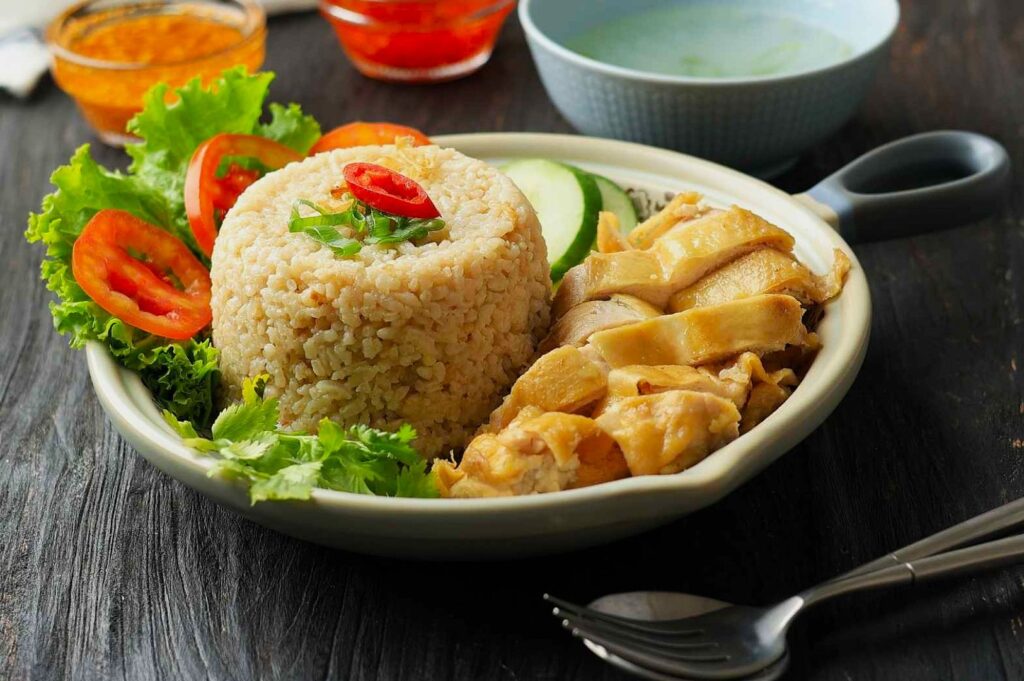
Before considering cuisine or budget, the occasion dictates the direction of our search. This “occasion-first” mindset anchors singapore eating out culture. For example, a casual family dinner might call for a visit to a hawker stall known for hainanese chicken rice, served with fragrant rice cooked in chicken broth, accompanied by soft boiled eggs and pureed ginger. Places like maxwell food centre are famous for this popular dish, where the flavorful rice and tender chicken combine to delight the taste buds.
Airport Road Food Centre and Best Hawker Stalls
When it comes to finding the best hawker stalls, venues like airport road food centre are iconic. Here, you can savor char kway teow, a beloved stir-fried noodle dish made with egg noodles, dark soy sauce, and often featuring pork belly and pork lard for added richness. Another must-try is the oyster omelette, a crispy and savory treat typically served at these hawker centres. Don’t miss the carrot cake, which, despite its name, is made from rice cakes and often fried with fried tofu and minced pork.
Chili Crab and Other Local Delights
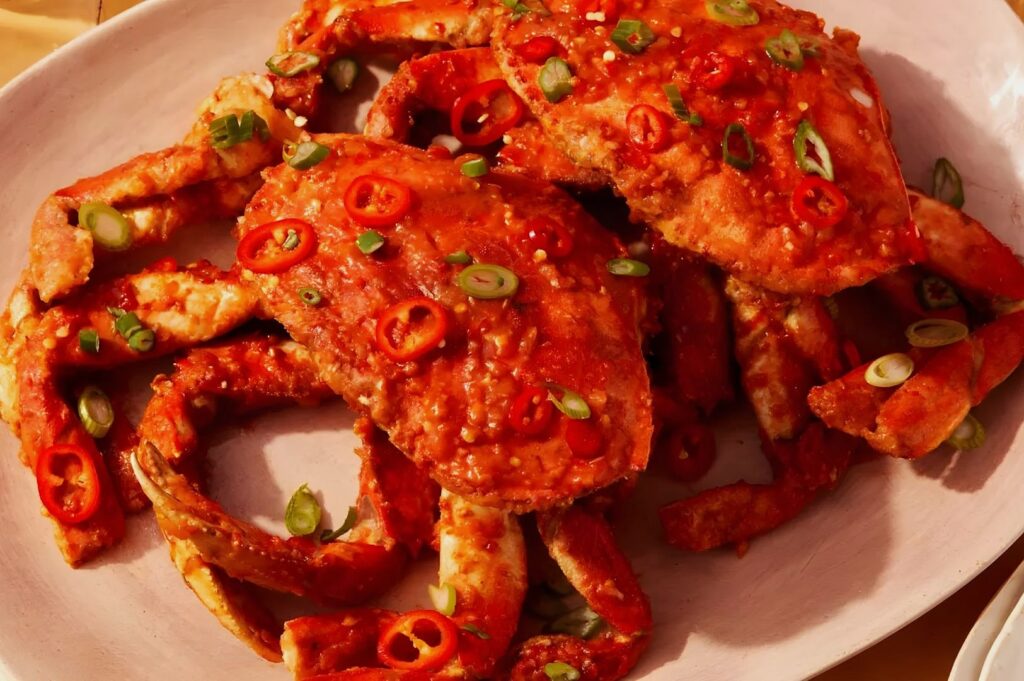
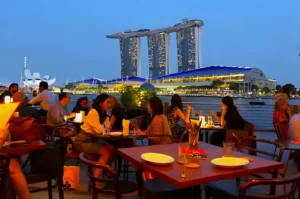
No discussion of singaporean food is complete without mentioning chilli crab, an iconic Singaporean dish and national treasure. This dish features fresh seafood cooked in a rich, tangy sauce with coconut milk and a hint of sweetness. Chilli crab has Chinese origins and is celebrated as a local delicacy, beloved by both locals and travelers. The sauce is incredibly tasty, making it a must-try for anyone eating out in Singapore. For those seeking variety, black pepper crabs offer a spicy and equally incredibly tasty alternative. These dishes are often enjoyed in restaurants in Singapore located near marina bay or within the marina bay sands complex, where alfresco dining options abound, including a few outdoor tables that allow diners to enjoy the stunning waterfront views.
Lime juice is a popular, refreshing drink that pairs perfectly with spicy seafood dishes like chilli crab. Another local favorite is fish head curry, a dish that combines Indian and Chinese culinary traditions, featuring a fish head cooked in a spicy curry sauce. Satay, skewered and grilled meat served with a flavorful peanut sauce, is commonly found at hawker centers and is another must-try when exploring Singapore eating out.
Char Kway Teow and Carrot Cake: Street Food Staples
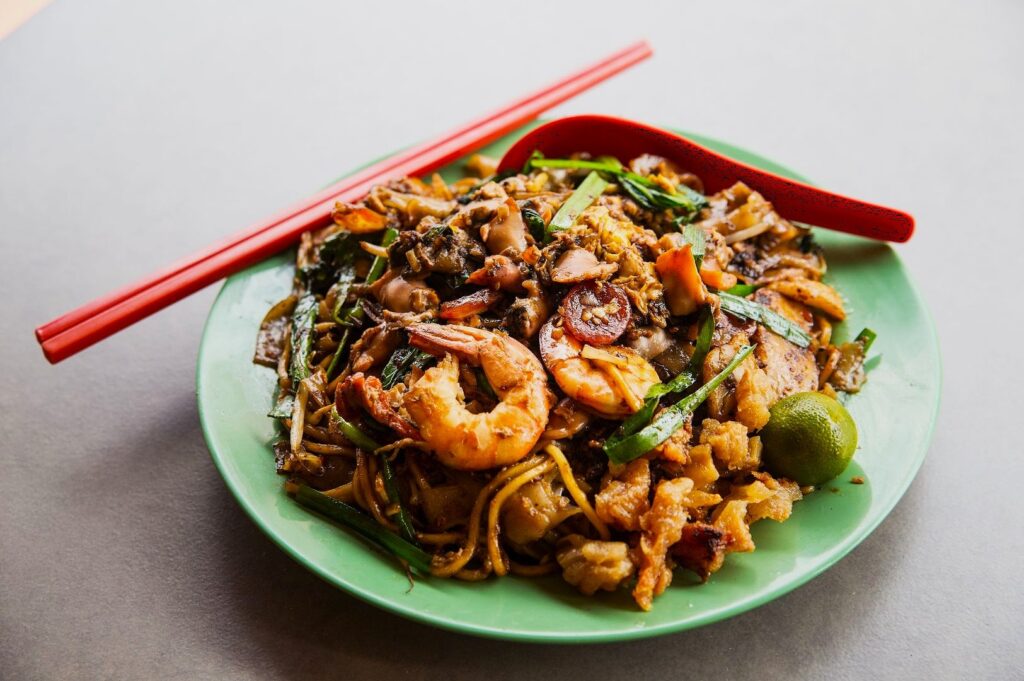
Char kway teow and carrot cake are staples of Singapore’s street food scene, available at many food centres and hawker stalls. The noodles in char kway teow are stir-fried with a savory blend of dark soy sauce, shrimp, and Chinese sausage. Char kway teow has Chinese origins and is a popular stir-fried noodle dish in Singapore made with flat rice noodles, soy sauce, and various ingredients like shrimp and Chinese sausage. Carrot cake is a delightful mix of steamed glutinous rice, fried with eggs and often garnished with chili or sweet chili sauce.
White pepper is often used to season traditional Singaporean breakfast dishes, enhancing their flavor.
Best Singapore Restaurants and Alfresco Dining
Singapore offers a spectrum from casual hawker stalls to the best singapore restaurants, including peranakan food specialists such as Candlenut, a Michelin-starred restaurant known for its Peranakan cuisine, and those serving beef rendang and chicken curry. Rempapa is another notable singapore restaurant, offering modern heritage cuisine that combines flavors from Singapore’s diverse culinary roots. For an enhanced experience, many diners opt for alfresco dining at venues like the open farm community or singapore botanic gardens, where you can enjoy fresh, locally sourced ingredients in a lush setting. Many outdoor dining restaurants in Singapore offer kid-friendly menus and activities. Restaurants like PS Cafe provide outdoor dining with beautiful views and a kid-friendly menu. Additionally, many alfresco restaurants in Singapore are located near parks or waterfronts, enhancing the dining experience. These alfresco restaurants often feature extensive drinks menus with creative cocktails such as the iconic singapore sling, paired perfectly with local delicacies.
Bak Kut Teh and Bak Chor Mee: Traditional Comfort Foods
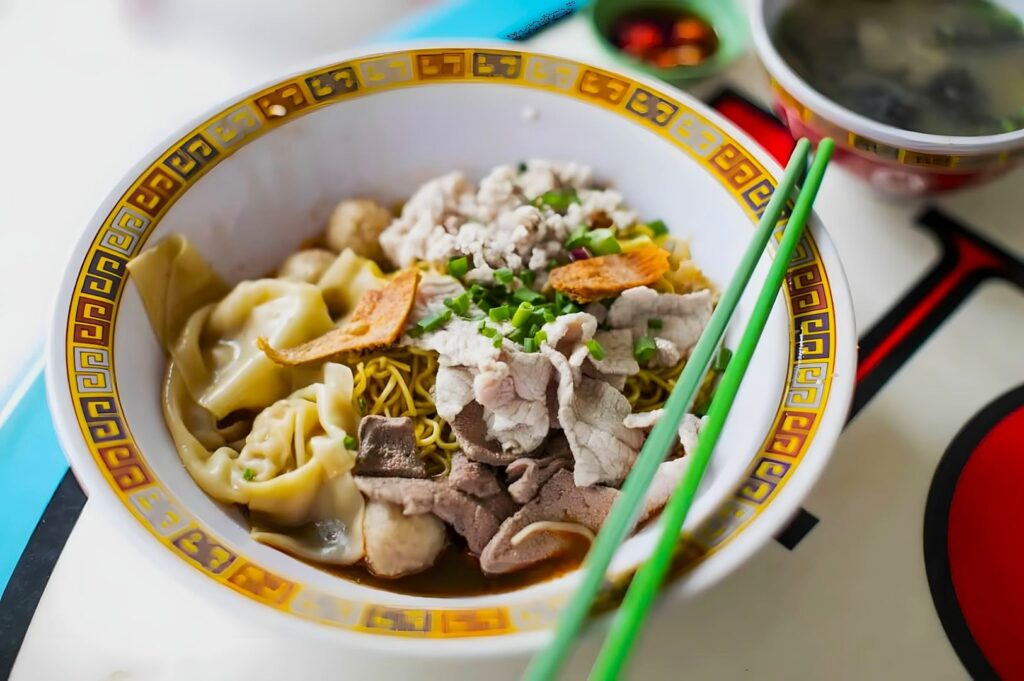
Among the beloved traditional dishes are bak kut teh, a hearty herbal soup made with pork bones and ribs. Bak kut teh has Chinese origins and is a dish made with pork ribs simmered in a broth of herbs and spices, with white pepper being a key ingredient, typically served with rice and tea. Bak chor mee, which literally translates to minced pork noodles, is another favorite. Both dishes are typically served with egg noodles or rice noodles and are favorites at many coffee shops (traditional kopitiams) and hawker centres across the city.
The rich broth and tender meat make these dishes incredibly satisfying, especially when enjoyed in a coffee shop setting with a side of ya kun kaya toast, a quintessential Singaporean breakfast dish made with toasted bread spread with kaya, a sweet coconut and pandan jam, often served with coffee and soft-boiled eggs. Kaya toast is a popular breakfast item in Singapore, reflecting the city’s vibrant food culture.
Outdoor Dining Experiences in Singapore
Singapore’s outdoor dining options are seriously impressive—and I’ve eaten my way through enough of them to know what works. You’ve got everything from family-friendly and romantic spots that actually deliver on both fronts, plus plenty of places smart enough to offer kid-friendly menus and activities without dumbing down the food. Whether you’re after casual spots with just a couple of outdoor tables or upscale alfresco dining that overlooks marina bay, the tropical climate here means you can eat outside year-round. That’s a win.
The spots near botanic gardens and ginger garden are where you want to go for that serene backdrop—and the food delivers too. Fresh seafood, proper roti prata that’s crispy when it should be, nasi lemak with fragrant basmati rice cooked the traditional way. Little India is where you go when you want authentic Indian food—real Dosas, curries that have depth. Arab Street does traditional Malay and Indonesian food right. No shortcuts, just the real deal.
Conclusion
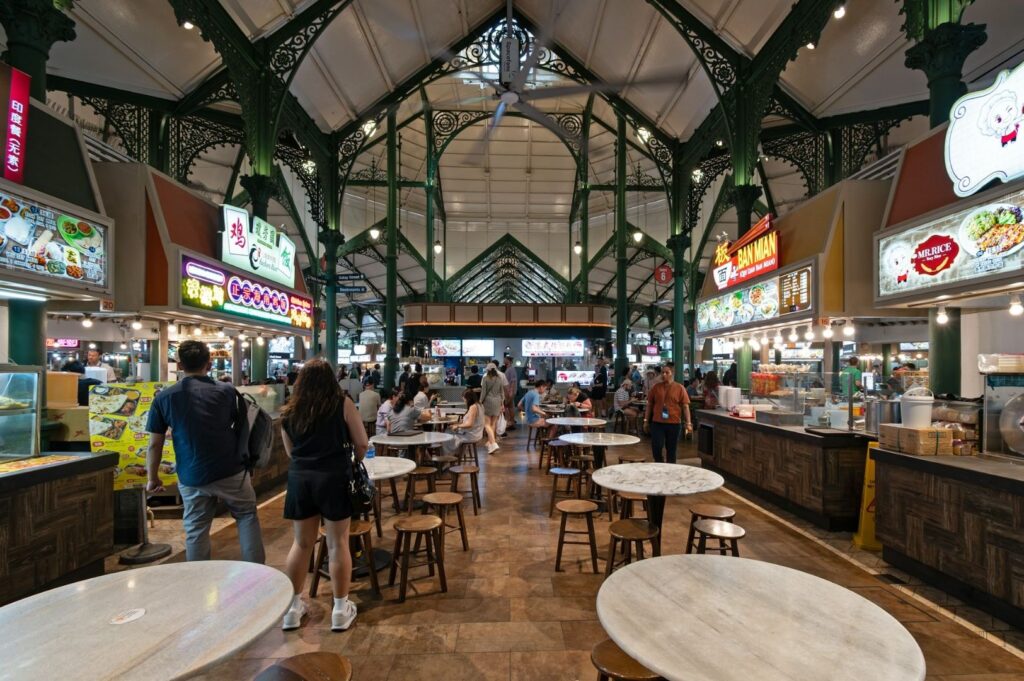
Look, dining in Singapore? It’s basically a masterclass in how food culture should work. You’ve got your fried chicken at the food centres, and trust me, some of those stalls have been perfecting their recipe longer than most restaurants have been open. Then there’s the spicy noodle soup game at hawker stalls, where the uncle behind the counter probably knows more about heat levels than any chef with fancy credentials. And yeah, you can hit up those Michelin-starred spots with their alfresco setups if that’s your thing.
Here’s what I’ve learned after eating my way through this city: every single choice tells you something about how Singapore actually works. The food centres, the hawker culture, the high-end scene, it’s all connected. You’re not just ordering a meal, you’re tapping into decades of tradition and some seriously smart food evolution. That’s what makes eating out here so damn satisfying, and honestly? Once you get it, you’ll never look at Singapore’s food scene the same way.