In our years of chronicling Singapore’s vibrant culinary scene, we have witnessed the remarkable evolution of fusion cuisine singapore. Singapore’s diverse demographics have made it an epicenter of fusion cuisine for centuries, where cultures and flavors from around the world converge. Once regarded as a novelty or a gimmick, fusion food has now become an integral and respected part of the city’s dining culture. The roots of fusion cuisine lie in centuries of culinary globalization, as ingredients and techniques have historically crossed cultural boundaries—indeed, all food can be considered fusion food in this sense. The Singapore Tourism Board actively promotes native cuisine as a tourist attraction, further highlighting the city’s culinary diversity. This transformation reflects not only the creativity and expertise of chefs, who create dishes that blend global influences and pay homage to various culinary traditions, but also a deep appreciation from diners who have matured in their taste buds and culinary understanding.
This shift speaks directly to the ideas explored in What a Fusion Restaurant in Singapore Really Represents Today, where fusion food is framed not as novelty, but as a marker of Singapore’s culinary maturity.
Fusion Food: From Novelty to Everyday Delight
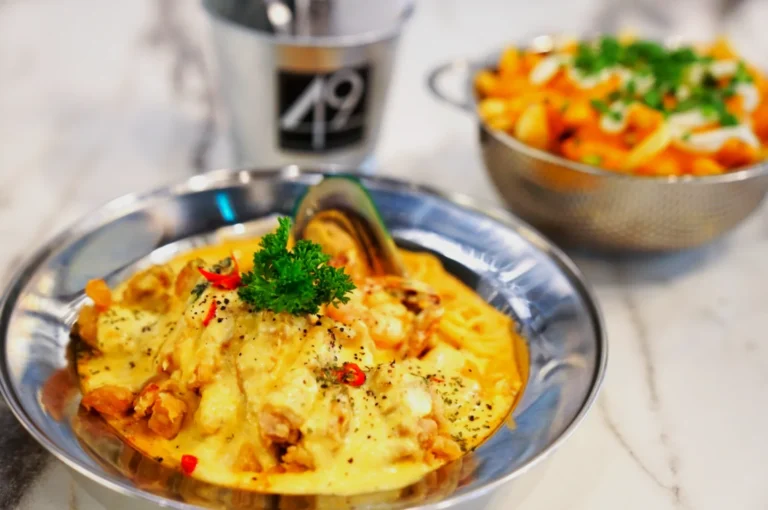
Early fusion food in Singapore often relied on the shock value of combining different cuisines in unexpected ways. However, today’s fusion restaurants focus on creating dishes that offer a balanced and harmonious blend of flavours. Diners can expect thoughtfully composed plates that highlight the best elements of each culinary tradition. The evolution of fusion cuisine in Singapore has been greatly influenced by Chinese flavours, which are often combined with other Asian and Western elements. The emphasis has shifted from mere surprise to delivering a memorable dining experience where each dish is thoughtfully crafted and inspired by a variety of global and local traditions. It’s important not to miss the subtle nuances and creativity that go into these innovative combinations.
The Best Fusion Restaurants: Celebrating Creativity and Technique
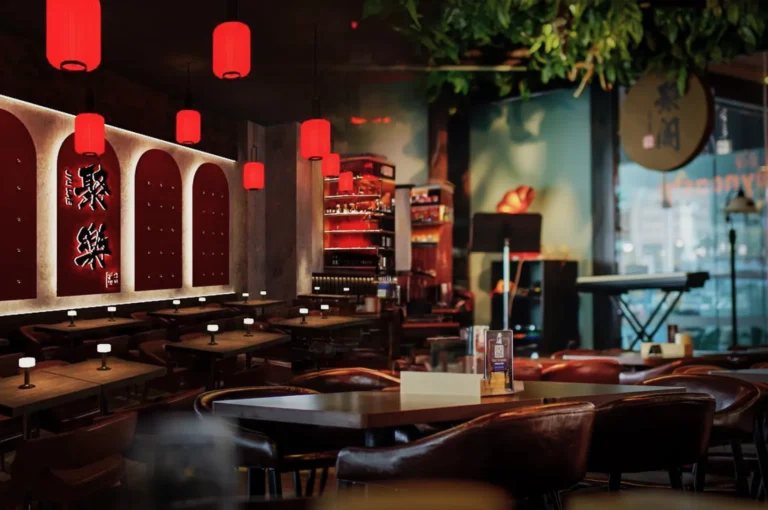
Among the best fusion restaurants in Singapore, there is a clear trend of chefs showcasing their creativity while respecting the culinary traditions they draw from.
Notable fusion restaurants in Singapore include Candlenut, the world’s first Peranakan restaurant awarded a Michelin star and one Michelin star, which serves elevated Peranakan cuisine with bold spice and signature meals like Candlenut Buah Keluak Ice Cream. Labyrinth, located at Esplanade, offers avant-garde modern Singaporean cuisine, transforming local classics like Chilli Crab and Bak Chor Mee into innovative plates with artistic presentations. Odette features French-Asian fusion cuisine, with a menu that highlights premium ingredients and artistic plating, such as lobster with coconut milk elegantly arranged on each plate.
Tambi blends Korean and Southern Indian flavors, serving meals like chicken curry laced with kimchi and dishes from the grill. Ms Maria & Mr Singh combines Mexican and Indian home cooking, with a menu that serves crab curry and truffle quesadilla. Chifa! specializes in Peruvian-Chinese fusion, offering meals like crab reventado jiao zi and traditional Chinese roasted pork with tamal dumplings, often featuring rice as a key component. Barood presents a fusion of Latin American and Indian flavors, with spiced paneer tacos and biryani arancini on its menu. Nobu is known for its Japanese-Peruvian fusion, serving signature dishes like tuna sashimi with guacamole and salmon with Peruvian spice, as well as F1 Japanese ribeye steak.
Cherki is a Peranakan fusion restaurant that serves traditional flavors with contemporary techniques. Li Yuan Mee Pok offers Japanese fusion mee pok, combining local noodles with shoyu or miso tare and Japanese chashu. Hambaobao features fusion burgers, such as crispy pork belly burger with hoisin sauce and ayam buah keluak burger. The Maha Co uses Indian dosa as a base for Mexican fillings, serving meals like vegetable curry and lamb rendang. Vatos Urban Tacos is known for its Korean-Mexican fusion, serving spicy kimchi carnitas fries and galbi short rib tacos.
Fusion Cuisine Singapore: A Reflection of Cultural Fluency
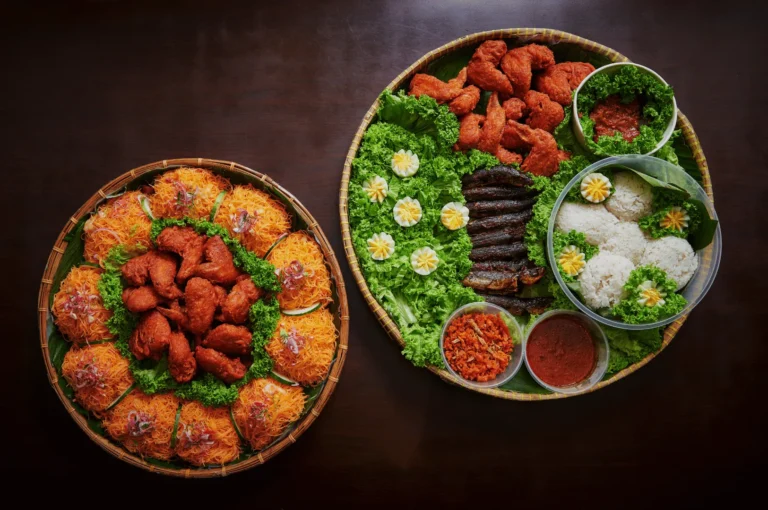
Singapore’s multicultural fabric means that diners have an inherent understanding of flavors from the East, West, Middle East, and beyond. In Singapore, the practice of gathering to eat together is an important part of daily life, reflecting the city’s rich culinary traditions. The influence of Chinese cuisine is especially prominent in fusion dishes, with rice often serving as a staple ingredient. For example, Laksa is a signature hybrid dish merging Chinese rice noodles with a spicy coconut milk broth. This cultural fluency allows chefs to experiment confidently, combining elements like crab meat in innovative ways or pairing ramen with local spices. The result is a fusion that feels natural and satisfying, inviting diners to indulge and savour every bite.
Japanese Restaurant Influence in Fusion Dining
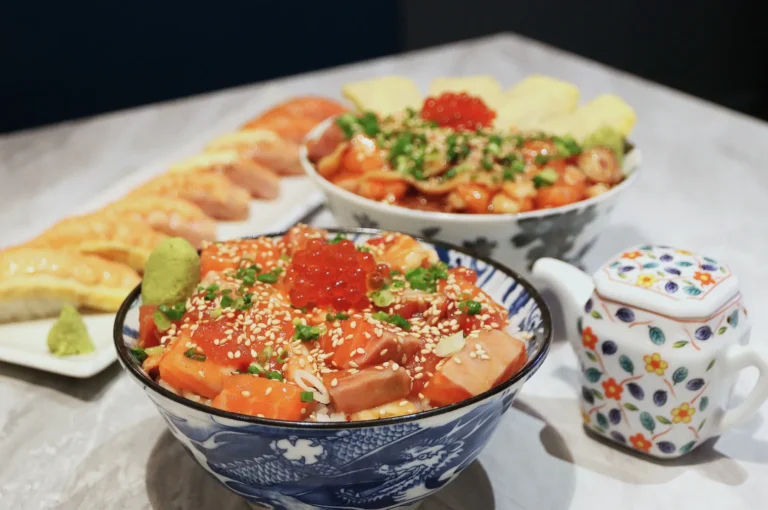
Japanese culinary traditions have also influenced fusion food in Singapore. Many Japanese restaurants incorporate premium seafood and precise techniques that elevate fusion dishes. For example, Nobu is renowned for its Japanese-Peruvian fusion cuisine, offering signature dishes that combine Japanese ingredients like salmon with Peruvian flavors, showcasing how salmon can be reimagined in a fusion context. The meticulous attention to detail and respect for ingredients seen in these establishments inspire fusion chefs to bring similar craftsmanship to their menus, enhancing the overall dining experience.
Fusion Restaurants: More Than Just Food
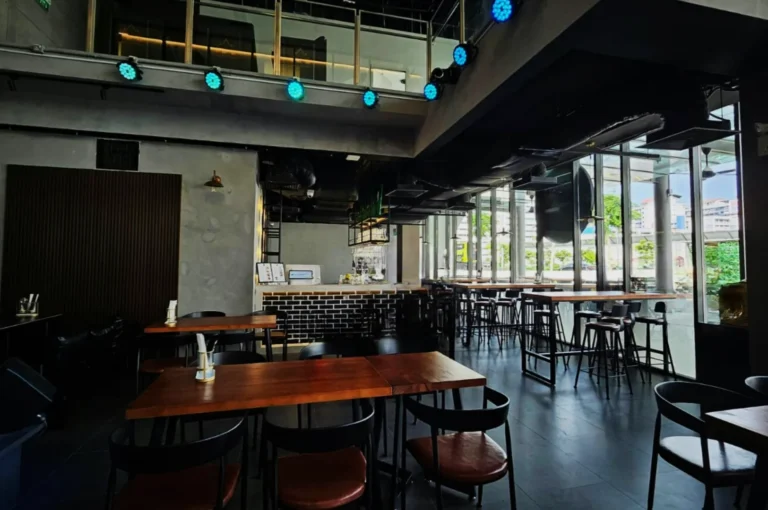
Beyond the food itself, many fusion restaurants in Singapore feature inviting bars where guests can enjoy an expertly crafted drink that complements the flavors on their plates. Specialty coffee is also available at many venues, often served as part of breakfast, dessert, or set menus, and can be paired with signature fusion dishes or cakes. Whether it’s a casual lunch, a lively brunch, or an elegant dinner, these spaces encourage diners to relax, share tapas, and create lasting memories with friends and family, including kids. Booking a table at popular fusion restaurants in Singapore is easy, with many offering convenient online reservation options.
Conclusion: Fusion Food as a Culinary Story
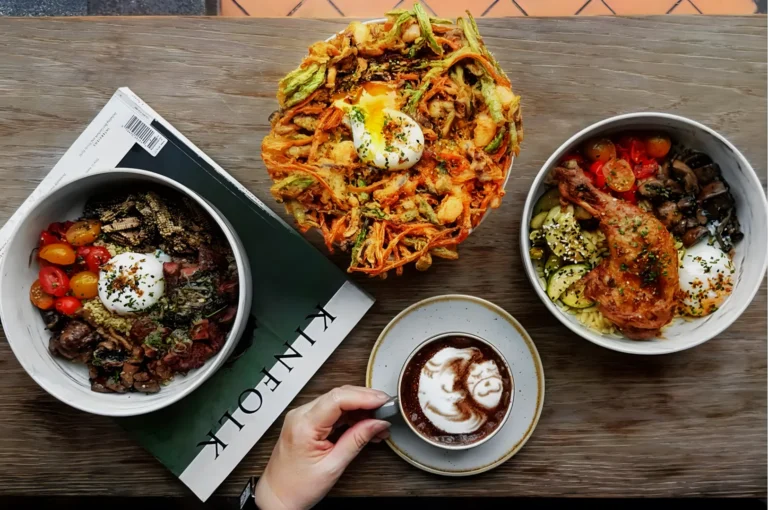
Ultimately, fusion cuisine in Singapore tells a story of blending cultures, flavors, and traditions. It is about chefs who have a passion for creating dishes that honor the past while pushing culinary boundaries. It is about diners who approach each course with an open mind and a willingness to explore. Whether it’s the first bite or the final dessert like a coconut-infused cake or pandan pancakes, fusion food invites everyone to delight in a truly unique and balanced gastronomic journey.
It is this ongoing culinary story—of confidence, fluency, and shared taste—that we continue to follow at SG Dining Guide, where fusion food is understood as an expression of who we are, not just what we eat.