In our years of navigating Singapore’s izakayas in singapore, few questions land in our inbox with as much frequency as this one: “Where is the best izakaya?” It seems like a straightforward request for a recommendation, a plea for a name that sits at the top of a hierarchy. Yet, whenever we attempt to answer it, we find ourselves hesitating. The hesitation isn’t born from a lack of options—our city is teeming with charcoal smoke, sake barrels, and the rich izakaya flavours of traditional izakaya cuisine—but rather from the realization that the question itself is flawed. In the world of the japanese izakaya, the concept of “best” is a slippery, subjective thing. It is rarely about technical perfection or culinary prestige; instead, it is about a feeling, a rhythm, and a specific alignment of stars that has more to do with the diner than the chef.
An izakaya is often described as Japan’s version of a gastropub, where food and drinks are shared among colleagues and friends after work. The word izakaya roughly translates to ‘stay-drink-place’, capturing the essence of lingering, sipping sake or beer, and enjoying a variety of small plates. Izakayas are social by design, with food made for sharing and drinks flowing generously, making them the perfect spot for communal gatherings centered around food and drinks.
Izakaya as Ritual, Not Destination in Singapore's Izakaya Scene
To understand why this ranking is impossible, we must first look at the function of the izakaya itself. Unlike a sushi counter where the focus is laser-sharp on the produce, or a kaiseki style meal that demands reverence, the izakaya is a space designed for decompression. It is the architectural equivalent of a loosened tie. The izakaya culture encourages connection and relaxation after a long day, making them popular among office workers.
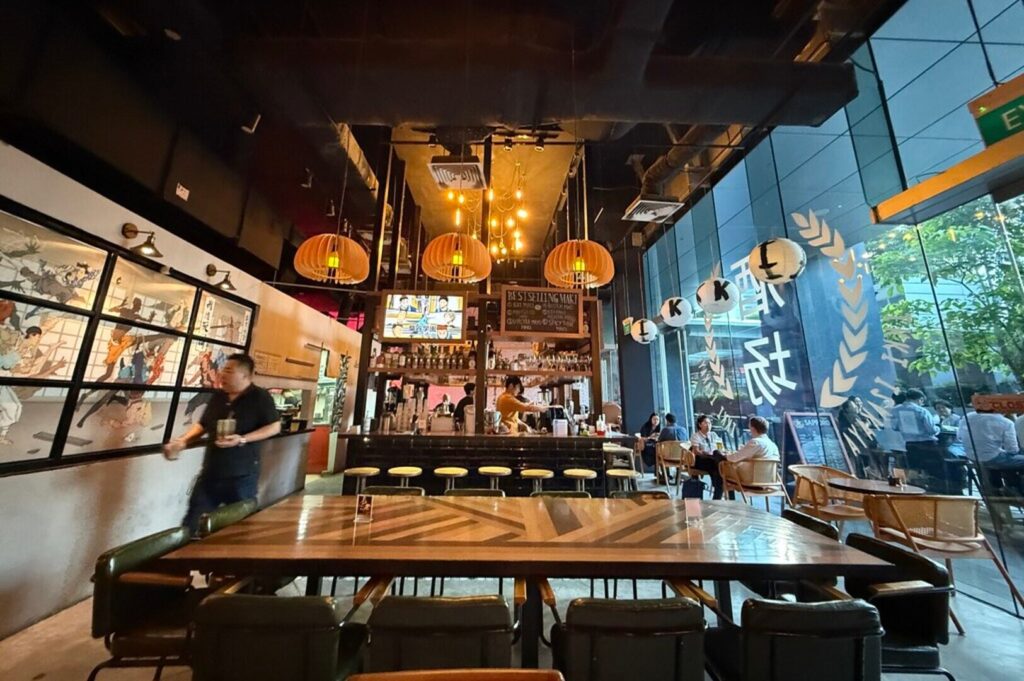
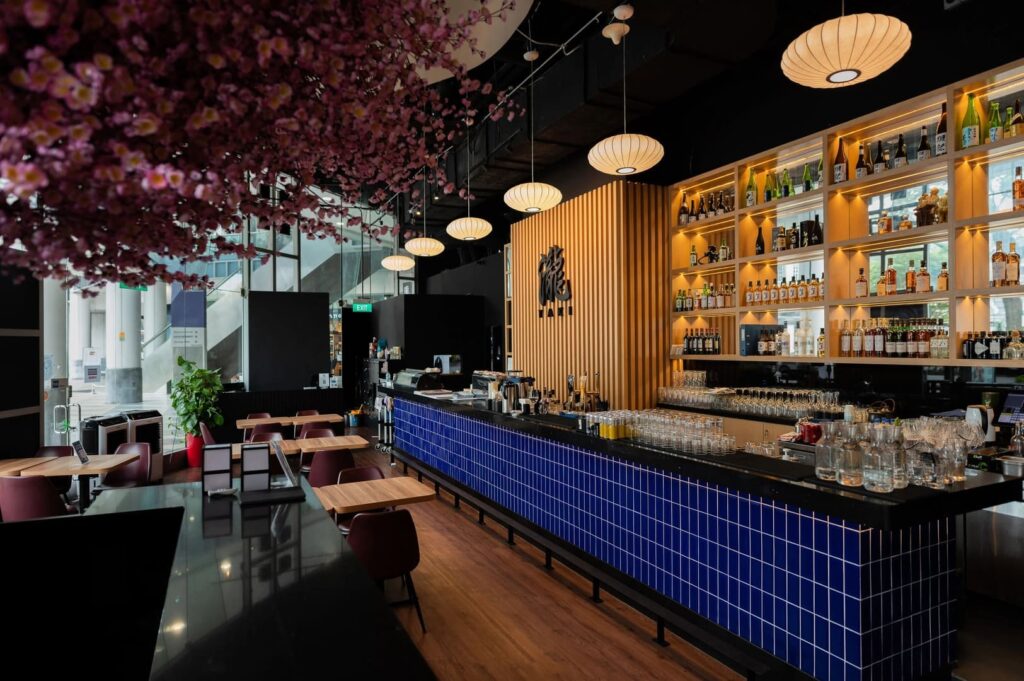
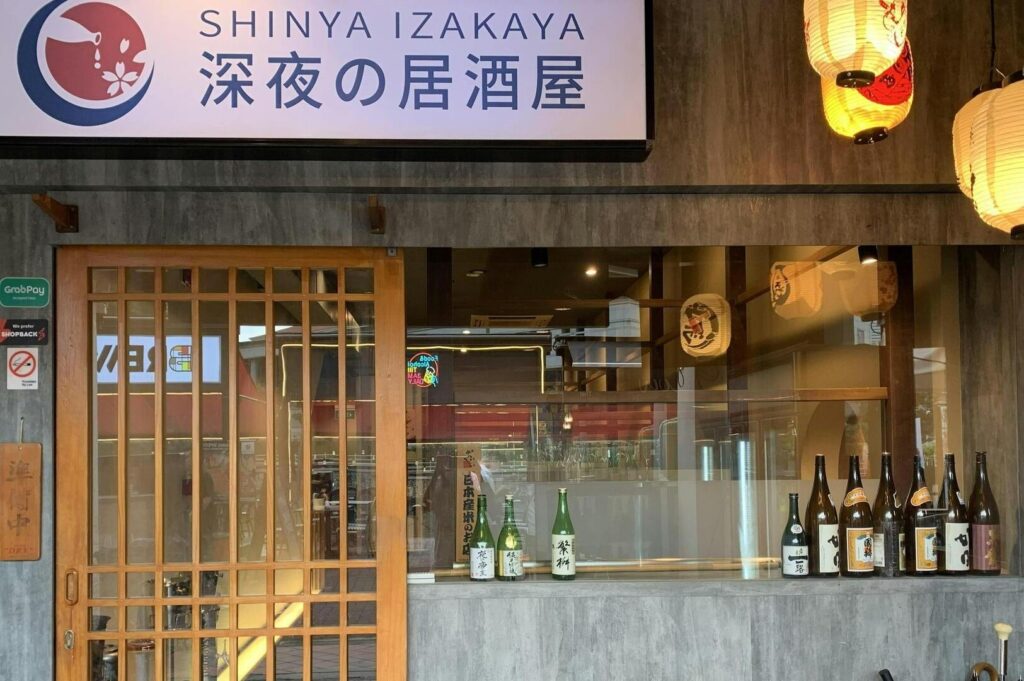
Many izakayas recreate a traditional Japanese atmosphere with paper lanterns and welcoming staff. In Singapore, izakayas often feature wooden interiors, handwritten menus, and sake bottles lining the shelves. These details provide a little escape, allowing patrons to feel like they are stepping into Tokyo’s back alleys without leaving the city.
These are casual eateries built for ritual rather than discovery. We don’t go to an izakaya to be challenged intellectually by a plate of food; we go to wash away the day with good food and a few drinks. The value lies in the repetition—the familiar clinking of glasses at the sake bar, the predictable cadence of ordering yakitori skewers or grilled pork, the noise that swells as the night deepens. Because the primary function is emotional release, the “best” spot is simply the one that facilitates this release most effectively for you. It is less of a dining destination and more of a sanctuary for the weary, where the rhythm of the service matters as much as the salt on the grilled chicken skin.
The buzzing, lively atmosphere of a public izakaya, especially during after work drinks hours, attracts crowds from nearby offices, making it a favorite spot for unwinding and socializing.
Atmosphere Over Technical Brilliance: The Izakaya Flavours You Crave
When we strip away the hype, we realize that our favorite nights at an izakaya are defined by atmosphere. The lighting needs to be low enough to encourage intimacy but bright enough to see the extensive menu. The acoustics must balance the energetic din of the crowd with the ability to hear your companion across the table.
Small izakayas in Singapore are especially known for their cozy, intimate settings that encourage relaxation and socializing after a long day. The decor in these small izakaya establishments often features wooden interiors, paper lanterns, and sake bottles lining the shelves, creating an authentic Japanese dining experience. Many izakayas offer a variety of seating options, including tatami mats, private dining room booths, and counter seating, catering to both small groups and solo diners. The lively, buzzing energy attracts after-work crowds, and the welcoming staff often greet patrons with a cheerful ‘Irasshaimase!’ to recreate the feel of Japan’s nightlife.
Izakayas serve a variety of small plates designed for sharing, such as yakitori, karaage, and oden, making them ideal for social gatherings. The flexible ordering process allows diners to order dishes as they go, enhancing the casual, laid-back experience. A small, mandatory appetizer called otoushi is typically served as a seating charge, adding to the authentic izakaya experience.
We often find that comfort outweighs innovation in these spaces. While technical skill in preparing charcoal grilled dishes or fried food is expected, it is rarely the foregrounded element. We aren’t analyzing the smoke ring on a yakitori skewer with the same scrutiny we apply to a fine-dining wagyu steak. Instead, we are soaking in the vibe. A technically perfect skewer served in a sterile room will never taste as good as a decent one served in a place that feels alive. The quality we are searching for is felt, not analyzed, making it incredibly difficult to pin down on a scorecard.
Mood, Company, and Timing: Finding Your Place Among Japanese Eateries
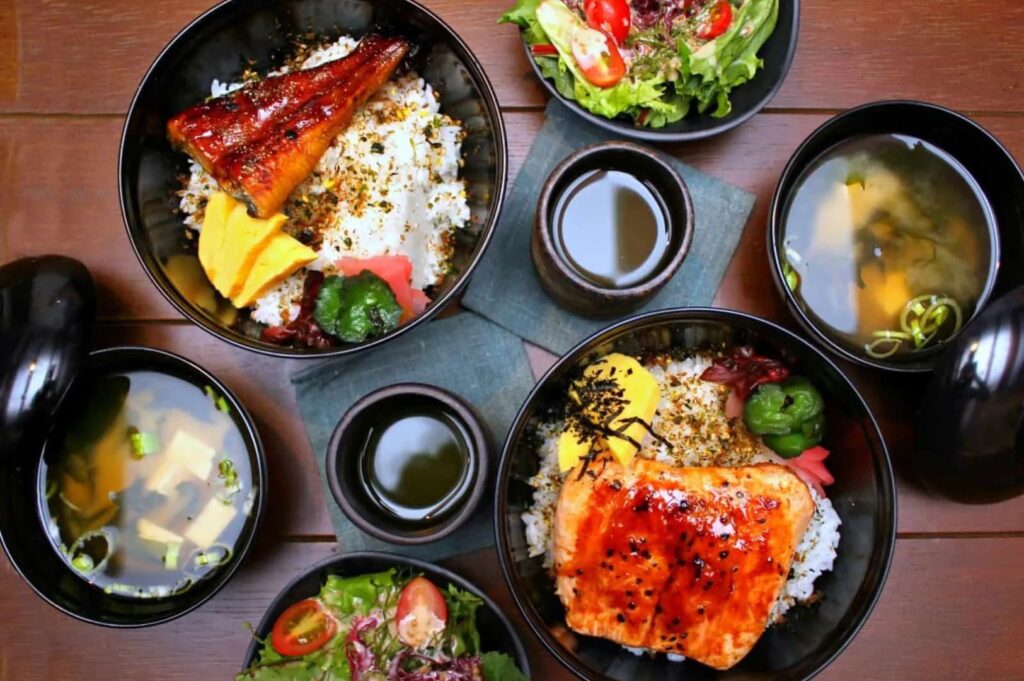
Further complicating the search for a singular champion is the variable of context. The answer to “which is the best izakaya?” changes entirely depending on who is asking and when. The rowdy, smoke-filled joint that is perfect for a Friday night with a group of colleagues is the wrong choice for a quiet Tuesday catch-up with a close friend. Izakayas are characterized by a social atmosphere that fosters camaraderie and relaxed dining experiences.
Our perception of quality is reshaped by our mood. On a high-energy evening, we crave the chaos of a shouting staff and banging drums at a lively japanese bar like neon pigeon. On a contemplative rainy evening, we might prefer a quiet counter where the chef works in silence, savoring fresh sashimi platters or a salmon mentaiko donburi. Izakayas encourage lingering, sharing, and conversation, similar to tapas bars or pubs. They often feature a variety of seating options, accommodating both small and large groups, which enhances the dining experience. Many of the best izakayas in Singapore are known for serving traditional izakaya cuisine, offering authentic dishes and an atmosphere reminiscent of classic Japanese establishments. The venue hasn’t changed, but its suitability has. There is no universal answer because there is no universal context. The “best” is a moving target, shifting with the clock and the company we keep.
Familiarity and Trust: The Heart of the Friendly Traditional Izakaya
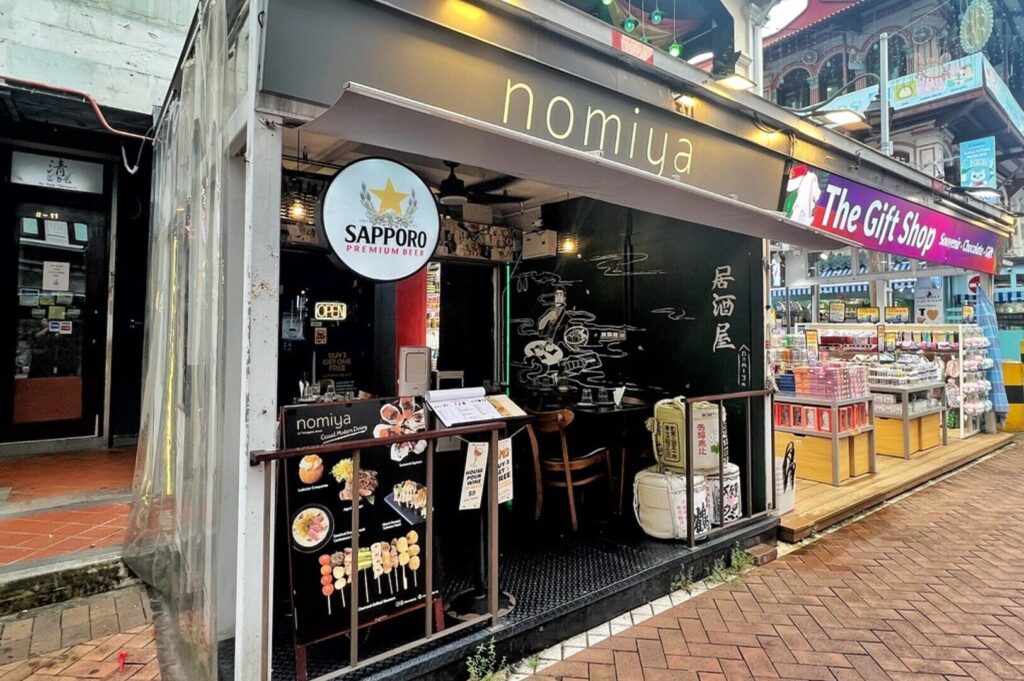
Perhaps the most overlooked factor in this equation is familiarity. In the realm of casual eateries, trust often replaces curiosity. We tend to gravitate back to the friendly traditional izakaya where we know the menu by heart, where the staff nods at us in recognition, and where we know exactly which house sake or japanese style cocktails to order without looking at the drinks menu.
Izakayas, like many japanese restaurants in Singapore, often provide affordable dining options, including ‘all-you-can-drink’ (nomihodai) and ‘all-you-can-eat’ (tabehodai) plans. They cater to a wide range of budgets, ensuring there’s always an izakaya suited for any occasion. Many izakayas offer set lunches that provide value for money, with prices starting from around $15 to $50 depending on the establishment. Some izakayas provide a casual dining experience with affordable prices, making them ideal for after-work gatherings, while upscale izakayas may offer premium dishes and a more refined atmosphere for those seeking a special experience. Reservations are recommended at popular izakayas, especially during peak hours, to secure your spot.
This familiarity reduces the friction of decision-making, which is exactly what we want at the end of a long week. The izakaya that feels like “ours” becomes the best simply because it requires the least amount of effort to enjoy. It is a relationship built on reliability. We forgive small inconsistencies because the overall experience provides a sense of belonging that a new, technically superior restaurant cannot replicate on a first visit.
Why Consensus Is Impossible in Singapore's Izakaya Scene
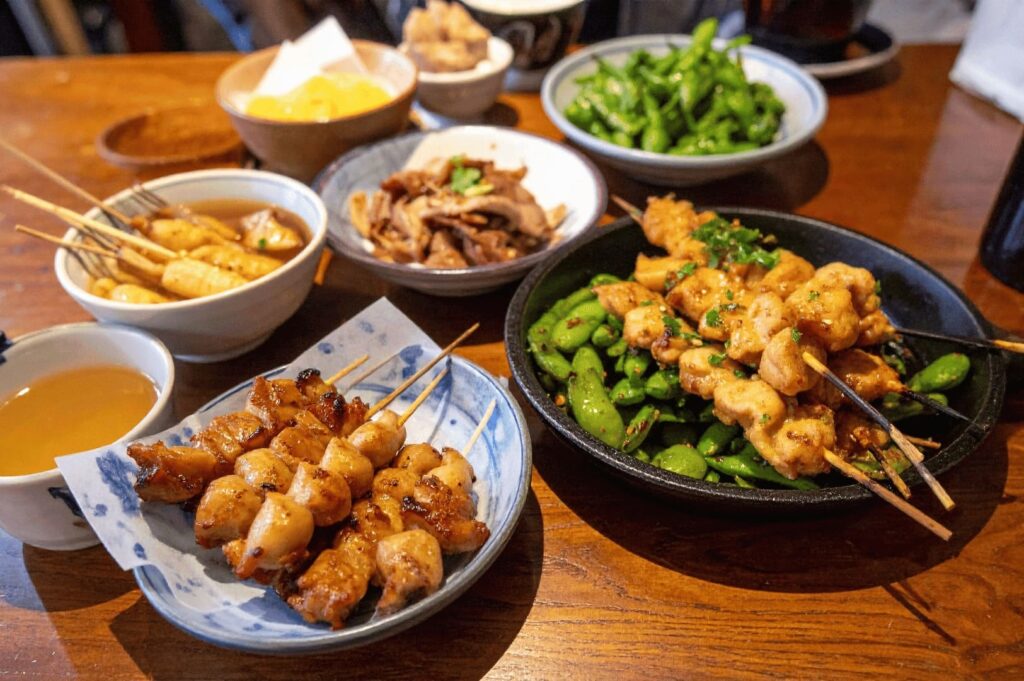
Ultimately, asking for a definitive ranking of izakayas is a futile exercise because consensus is impossible. Our personal rituals are too distinct. One person’s noisy paradise is another’s headache. One diner’s beloved classic dish is another’s boring standard.
Many izakayas feature seasonal specials that highlight seasonal produce flown in from Japan, ensuring a dynamic and ever-changing menu. Signature dishes at izakayas often include unique offerings like mentaiko dishes, creative bar bites, and a dedicated yakitori menu that showcases expertly grilled skewers. Izakayas also often feature premium cuts of seasonal raw fish presented as fresh sashimi. Guests can enjoy a wide selection of drinks, including sake, shochu, and highballs, which complement the food offerings. Known for their lively atmosphere, izakayas are popular spots for after-work gatherings and socializing. Popular izakaya dishes include kushiyaki skewers, sashimi platters, donburi bowls, and highlights from the yakitori menu.
In this genre of dining, context overrides quality metrics every time. The magic of these spaces lies in their plurality—the fact that so many different versions exist to serve so many different needs. Trying to flatten this vibrant, chaotic landscape into a linear list misses the point entirely.
Conclusion: Seek Your Authentic Izakaya Experience
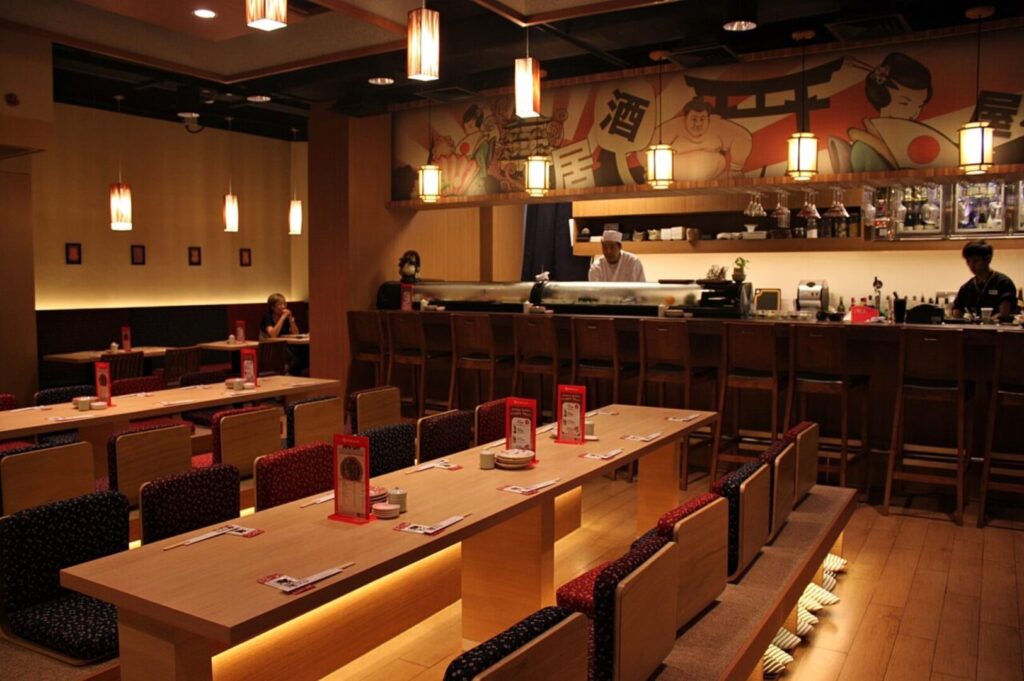
So, we invite you to stop searching for the best izakaya as if it were a trophy to be hunted. Instead, look for the one that fits your current state of mind. Look for the place that welcomes you in, pours you a drink of japanese sake or craft beer, and lets you exhale. The beauty of these establishments isn’t found in their star ratings or their exclusive ingredients, but in their enduring ability to offer us a pause, a connection, and a moment of shared ease in a busy city. Whether it’s enjoying robatayaki and izakaya dishes, charcoal grilled delights, or fresh seafood, that, we believe, is the only standard that truly matters.
Signature izakaya experiences often include charcoal grill specialties, grilled skewers like chicken neck and chicken wing, a variety of grilled food, hot dishes, miso soup, oden soup, and classic seasonings such as soy sauce. You’ll also find unique items like crab gratin, curry chips, foie gras, and Tokyo hummus, alongside traditional dishes and modern innovations. For food enthusiasts, izakayas are a haven, offering everything from karaage—Japanese-style fried chicken prized for its crispy exterior and juicy interior—to standout fish specialties like Daikon Ankimo (monkfish liver) or yakitori, often grilled over binchotan charcoal for enhanced flavor. Many izakayas, such as Shukuu Izakaya, are recommended for their authentic Japanese food, curated yakitori menu, and yakitori omakase—a premium, guided tasting of expertly grilled skewers. Don’t miss the craft alcohol selections, including local sake, shochu, and Japanese craft beers.
Consider exploring spots like Izakaya Hikari for charcoal grilled specialties and creative bar bites, Shunjuu Izakaya at Robertson Quay for fresh seafood, over 60 assorted kushiyaki, and a curated sake collection, or Issho Izakaya at One Fullerton for a waterfront dining experience with an extensive menu and fresh sashimi. FYIzakaya in Singapore stands out with Kurobuta pork skewers and Agedashi Tofu, while Zenryoku Izakaya along Upper Thomson Rd offers a lively atmosphere and a menu built for sharing. The Public Izakaya, with outlets at 100AM Mall and Enggor Street, is famous for its yakitori platter and pork belly ramen, perfect for the everyday salaryman. Uoharu, a Tokyo kaizen izakaya, recently opened in Downtown Singapore, and SHINRAI at Telok Ayer Street focuses on premium ingredients. For those seeking a premium experience, try a yakitori omakase to explore the full range of expertly grilled skewers.
It’s this quieter, more personal way of thinking about dining that we continue to explore at SG Dining Guide, where food is approached not as a ranking to be settled, but as a lived, evolving experience.