In our years of navigating Singapore’s izakayas in singapore, few questions land in our inbox with as much frequency as this one: “Where is the best izakaya?” It seems like a straightforward request for a recommendation, a plea for a name that sits at the top of a hierarchy. Yet, whenever we attempt to answer it, we find ourselves hesitating. The hesitation isn’t born from a lack of options—our city is teeming with charcoal smoke, sake barrels, and the rich izakaya flavours of traditional izakaya cuisine—but rather from the realization that the question itself is flawed. In the world of the japanese izakaya, the concept of “best” is a slippery, subjective thing. It is rarely about technical perfection or culinary prestige; instead, it is about a feeling, a rhythm, and a specific alignment of stars that has more to do with the diner than the chef.
An izakaya is often described as Japan’s version of a gastropub, where food and drinks are shared among colleagues and friends after work. The word izakaya roughly translates to ‘stay-drink-place’, capturing the essence of lingering, sipping sake or beer, and enjoying a variety of small plates. Izakayas are social by design, with food made for sharing and drinks flowing generously, making them the perfect spot for communal gatherings centered around food, drinks, and even omakase-style dining experiences.
Izakaya Meaning and Its History
The word “izakaya” (居酒屋) combines two Japanese characters: “i” (居), meaning “to stay,” and “sakaya” (酒屋), meaning “sake shop” or “liquor store.” Put together, izakaya literally translates to “a place to stay and drink,” capturing the essence of these establishments as casual spots where patrons linger over drinks like sake and shochu and small plates of food such as miso soup, gyoza, and hot dishes. Unlike formal dining, izakayas emphasize a relaxed, social atmosphere where friends and colleagues can unwind after a long day.
The History and Evolution of Izakaya
Historically, izakayas originated during the Edo period (1603–1868) in Japan, evolving from sake shops that allowed customers to drink on the premises. Over time, these shops began offering simple snacks to accompany the alcohol, gradually transforming into the lively pubs known today. Izakayas became popular gathering places for workers and merchants seeking a communal space to enjoy grilled skewers like yakitori, fresh seafood including scallops and seasonal vegetables, and a wide variety of Japanese food alongside sake, beer, and shochu.
The evolution of izakayas reflects Japan’s cultural emphasis on hospitality and social bonding through shared meals and drinks. Today, izakayas continue to thrive both in Japan and around the world, celebrated for their convivial atmosphere, diverse menus featuring must try dishes like bara chirashi and tokyo hummus, and the unique blend of comfort and tradition they offer. In Singapore, izakayas such as Shunjuu Izakaya, Issho Izakaya, and Zenryoku Izakaya have adapted to local tastes while preserving the core spirit of these beloved Japanese establishments.
Izakaya as Ritual, Not Destination in Singapore's Izakaya Scene
To understand why ranking izakayas is impossible, we must first grasp their purpose. Unlike sushi counters focused on precise produce or kaiseki meals demanding reverence, izakayas are spaces for decompression—like a loosened tie. They encourage connection and relaxation after a long day, popular among office workers.
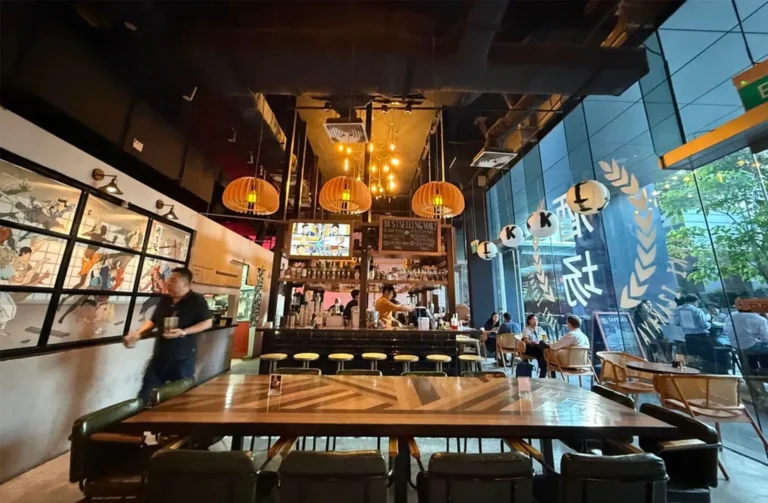
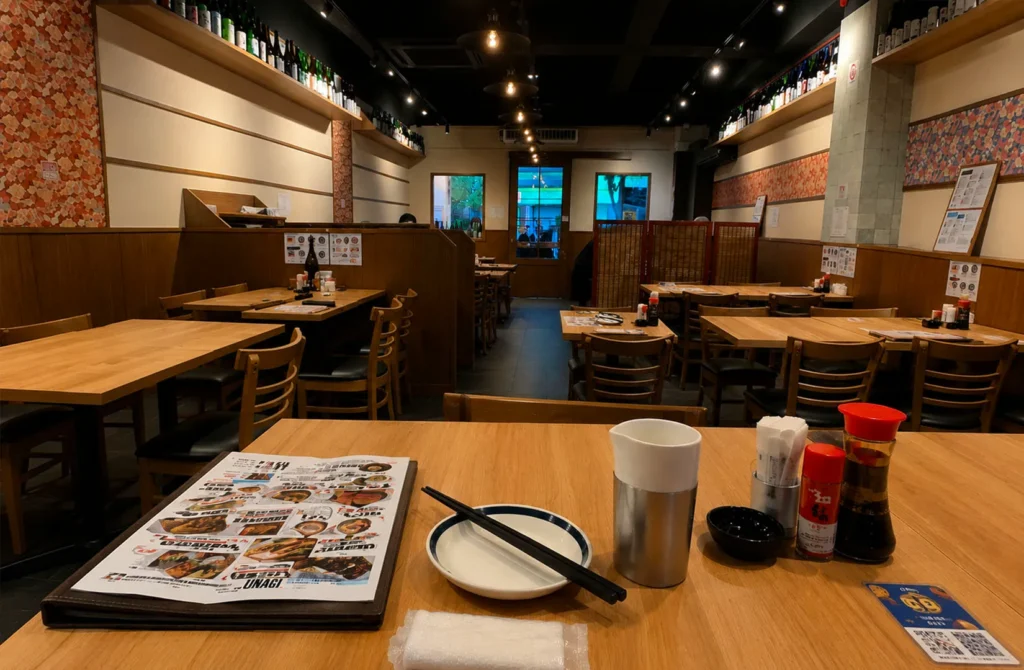
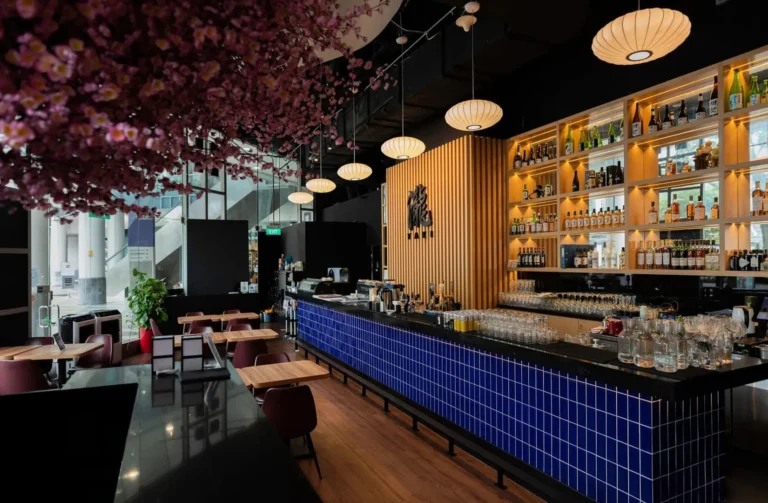
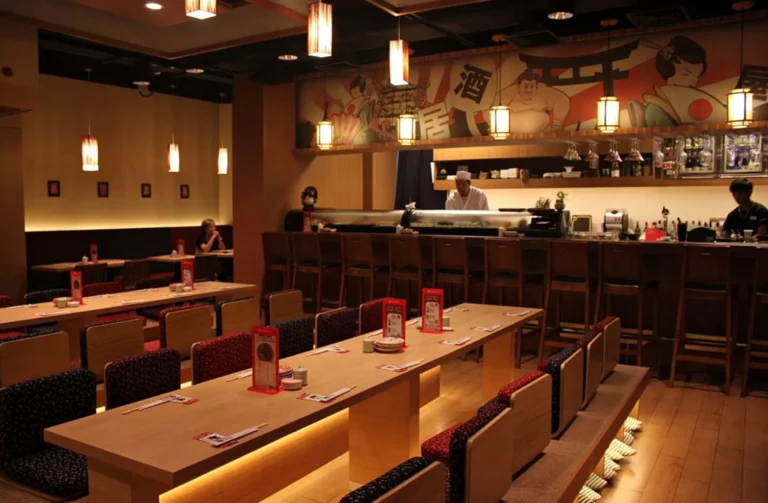
Many izakayas recreate a traditional Japanese atmosphere with paper lanterns, wooden interiors, handwritten menus, and sake bottles lining shelves. These details offer an authentic izakaya experience, transporting patrons to Tokyo’s back alleys without leaving Singapore.
These casual eateries thrive on ritual, not discovery. We visit izakayas to wash away the day with good food and drinks like sake, shochu, and Japanese style cocktails. The value lies in repetition—the familiar clinking of glasses at the sake bar, ordering yakitori skewers, grilled pork, or golden mushroom, and the lively noise as the night deepens. Because the primary function is emotional release, the “best” izakaya is the one that facilitates this most effectively for you. The buzzing atmosphere during after work drinks makes izakayas beloved spots for socializing and dinner.
Exploring Must-Try Japanese Izakaya Dishes and Drinks in Singapore
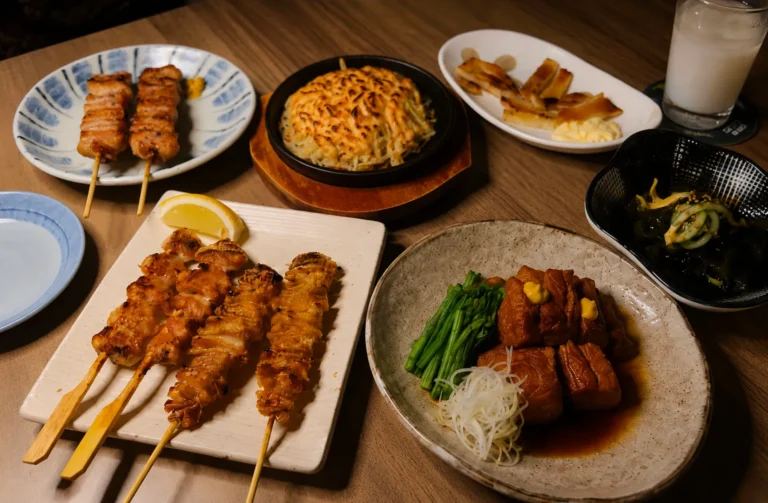
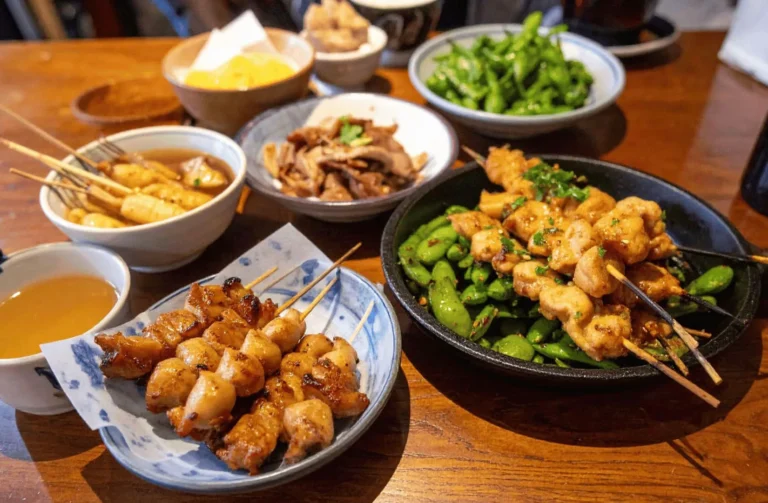
When visiting the best izakayas in Singapore, indulging in authentic Japanese restaurant staples is essential. Izakayas typically serve a variety of shareable small plates, including kushiyaki skewers like yakitori, which are charcoal-grilled to perfection. Popular dishes often include buta kakuni (braised pork belly), jaga mentaiko (potato with spicy cod roe), and fresh sashimi moriawase platters featuring seasonal raw fish flown in from Japan. These dishes pair wonderfully with a wide selection of drinks such as sake, shochu, Japanese draft beer, and highballs, all expertly curated to complement the food.
Unique bar bites like the kfc bao—a Japanese-inspired fried chicken bao—add a modern twist to traditional izakaya fare, especially at contemporary spots like Neon Pigeon. For seafood lovers, Toku Nori stands out by specializing in fresh seafood handrolls and wagyu, elevating the izakaya experience with refined flavors. The attentive staff at quality izakayas also guide patrons through sake and shochu options, enhancing the overall dining experience.
Whether you prefer comforting dishes like oden soup or crave expertly grilled skewers, Singapore’s izakayas offer a vibrant menu that caters to diverse palates. This blend of traditional and innovative dishes, alongside a lively atmosphere, makes the izakaya experience in Singapore truly unforgettable.
Atmosphere Over Technical Brilliance: The Izakaya Flavours You Crave
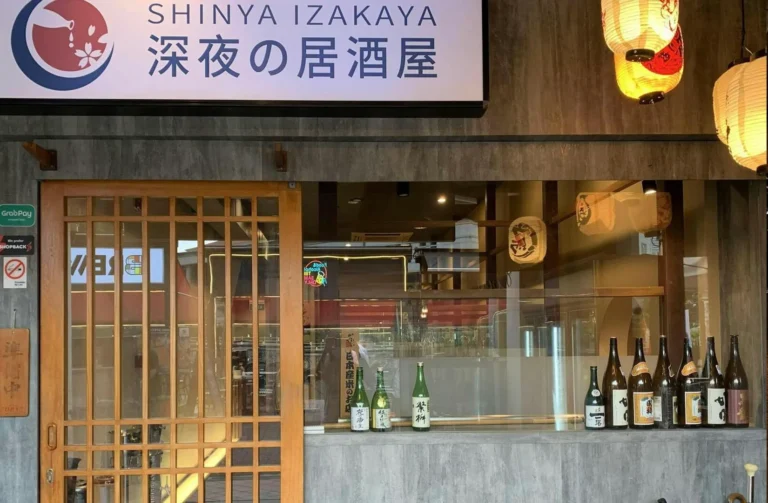
Our favourite izakaya nights are all about atmosphere. Lighting should be dim enough for intimacy but bright enough to read the extensive menu. The lively buzz balances energy and conversation.
Small izakayas in Singapore excel at cozy, authentic vibes with wooden interiors, paper lanterns, and sake bottles lining shelves. Seating options include tatami mats, private dining rooms, and counters, perfect for groups or solo diners. The lively energy attracts after-work crowds, greeted warmly with ‘Irasshaimase!’
Izakayas serve shareable small plates like yakitori, karaage, and oden, ideal for social dining. Flexible ordering lets diners enjoy dishes like grilled chicken skewers and noodles at their own pace. A small appetizer called otoushi is usually served as a seating charge, adding to the authentic izakaya experience.
Comfort often beats innovation here. While charcoal-grilled dishes and fried food are expertly prepared, the real appeal is the vibrant, social mood—not just technical skill. A well-made skewer in a lively izakaya always outshines a perfect one in a sterile room. The quality is felt in the atmosphere, making the best izakaya Singapore offers a deeply personal choice.
Mood, Company, and Timing: Finding Your Place Among Japanese Eateries
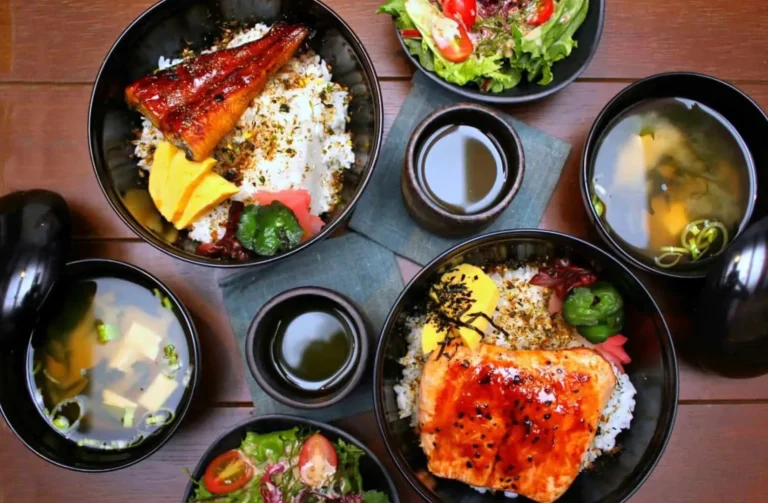
Further complicating the search for a singular champion is the variable of context. The answer to “which is the best izakaya?” changes entirely depending on who is asking and when. The rowdy, smoke-filled joint that is perfect for a Friday night with a group of colleagues is the wrong choice for a quiet Tuesday catch-up with a close friend. Izakayas are characterized by a social atmosphere that fosters camaraderie and relaxed dining experiences.
Our perception of quality is reshaped by our mood. On a high-energy evening, we crave the chaos of a shouting staff and banging drums at a lively japanese bar like neon pigeon. On a contemplative rainy evening, we might prefer a quiet counter where the chef works in silence, savoring fresh sashimi platters or a salmon mentaiko donburi. Izakayas encourage lingering, sharing, and conversation, similar to tapas bars or pubs. They often feature a variety of seating options, accommodating both small and large groups, which enhances the dining experience. Many of the best izakayas in Singapore are known for serving traditional izakaya cuisine, offering authentic dishes and an atmosphere reminiscent of classic Japanese establishments. The venue hasn’t changed, but its suitability has. There is no universal answer because there is no universal context. The “best” is a moving target, shifting with the clock and the company we keep.
Familiarity and Trust: The Heart of the Friendly Traditional Izakaya
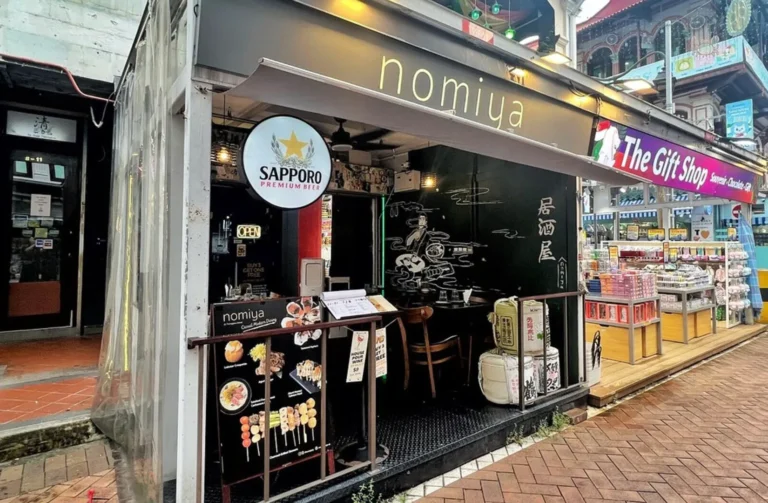
Familiarity plays a key role in choosing an izakaya. We often return to a friendly traditional izakaya where the menu and house sake are known, and staff greet us warmly. Many japanese izakayas in Singapore offer affordable options like all-you-can-drink (nomihodai) and all-you-can-eat (tabehodai) plans, catering to various budgets. Set lunches typically range from $15 to $50, making them ideal for casual after-work gatherings or special occasions.
Key points:
- Trusted izakayas reduce decision fatigue, making them feel like a second home
- Options range from casual public izakaya spots to upscale venues with premium dishes like wagyu steak and foie gras
- Reservations are recommended during peak hours to secure your spot
- Familiarity builds loyalty despite minor inconsistencies, enhancing the overall izakaya experience
This blend of comfort, affordability, and trusted service defines the best izakaya Singapore diners keep coming back to.
Why Consensus Is Impossible in Singapore's Izakaya Scene
Ultimately, asking for a definitive ranking of izakayas is a futile exercise because consensus is impossible. Our personal rituals are too distinct. One person’s noisy paradise is another’s headache. One diner’s beloved classic dish is another’s boring standard.
Many izakayas feature seasonal specials that highlight seasonal produce flown in from Japan, ensuring a dynamic and ever-changing menu. Signature dishes at izakayas often include unique offerings like mentaiko dishes, creative bar bites, and a dedicated yakitori menu that showcases expertly grilled skewers. Izakayas also often feature premium cuts of seasonal raw fish presented as fresh sashimi. Guests can enjoy a wide selection of drinks, including sake, shochu, and highballs, which complement the food offerings. Known for their lively atmosphere, izakayas are popular spots for after-work gatherings and socializing. Popular izakaya dishes include kushiyaki skewers, sashimi platters, donburi bowls, and highlights from the yakitori menu.
In this genre of dining, context overrides quality metrics every time. The magic of these spaces lies in their plurality—the fact that so many different versions exist to serve so many different needs. Trying to flatten this vibrant, chaotic landscape into a linear list misses the point entirely.
Conclusion: Find The Perfect Izakayas in Singapore
Instead of chasing the “best izakaya,” seek the one that matches your mood and company. Whether you crave grilled items like yakitori and buta kakuni, fresh sashimi moriawase, or comforting oden soup, the right izakaya offers an authentic atmosphere with great cocktails, craft beer, and fresh seasonal produce. From hidden gems like Izakaya Hikari in Fortune Centre to vibrant spots like Neon Pigeon, Singapore’s izakaya scene delivers diverse experiences for every palate.
Embrace the lively mood lighting, share all the izakaya favourites, and enjoy the communal spirit that defines this beloved Japanese tradition. Your perfect izakaya awaits—just check the opening hours and dive in.