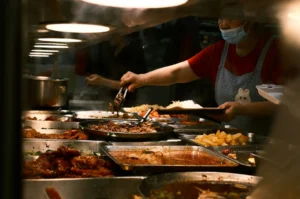
Mexican cuisine, with its vibrant Mexican flavours, fresh ingredients, and roots in traditional Mexican dishes, has captured palates worldwide. In Singapore—a true melting pot of international cuisine—Mexican food has undergone a fascinating transformation, evolving from a lesser-known street food novelty to a celebrated staple on restaurant menus across the city-state. Today, the craving for authentic Mexican food Singapore is stronger than ever, with diners seeking both bona fide delicacies and bold Tex-Mex Singapore adaptations. The story of Mexican food Singapore is one of adaptation, authenticity, and continual innovation—a culinary tale of how comida mexicana found its place among the island’s diverse eats and stunning views.
The Early Days: Mexican Food’s First Appearances in Singapore
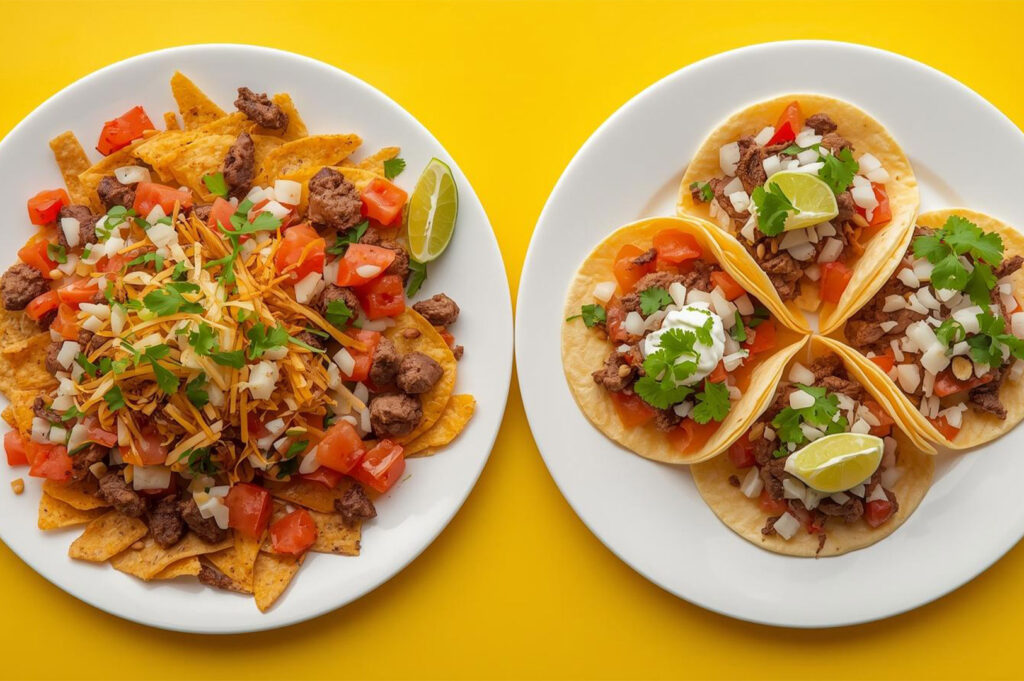
The Mexican culinary history Singapore dates back to the 1980s and 1990s, as an era when adventurous restaurateurs introduced the first Mexican restaurants and Tex-Mex eateries. These pioneering establishments, such as El Felipe’s Cantina, became foundational in shaping early perceptions of Mexican food in Singapore. Instead of the refined authenticity seen today, most menus were dominated by Tex Mex classics like loaded nachos, fried corn tortillas, burritos, and Quesadillas, topped with melted cheese, refried beans, salsa verde, sour cream, and all the toppings one would expect at a casual Mexican cantina.
Ingredient availability posed a significant challenge. Quality corn husks, annatto seed, banana leaves, or even chipotle for a proper chipotle prawn chimichanga were nearly impossible to source locally. Chefs improvised by substituting fresh ingredients and spices with what was available, making an effort to preserve the essence of traditional Mexican, even as menu items sometimes leaned toward Americanized tastes. Singaporeans were drawn to the novelty of Mexican food—especially dishes that could be generously stuffed, shared, and paired with an alcoholic beverage or refreshing beverage for happy hour along the Singapore River or in Holland Village.
The Tex-Mex Phase: Adaptation to Local Tastes in Mexican Restaurants
To many locals, early Mexican restaurants were synonymous with Tex-Mex: bold, cheesy, and approachable. Tex-Mex cuisine is a regional American style that combines elements from Mexican and Southern American food, featuring small portions packed with big taste—think bar bites, tortilla chips, and meat-heavy offerings smothered with cheese and spices. Signature dishes from this era included loaded nachos, chicken and beef burritos, fajitas served with lime juice, and crispy tacos filled with various fillings.
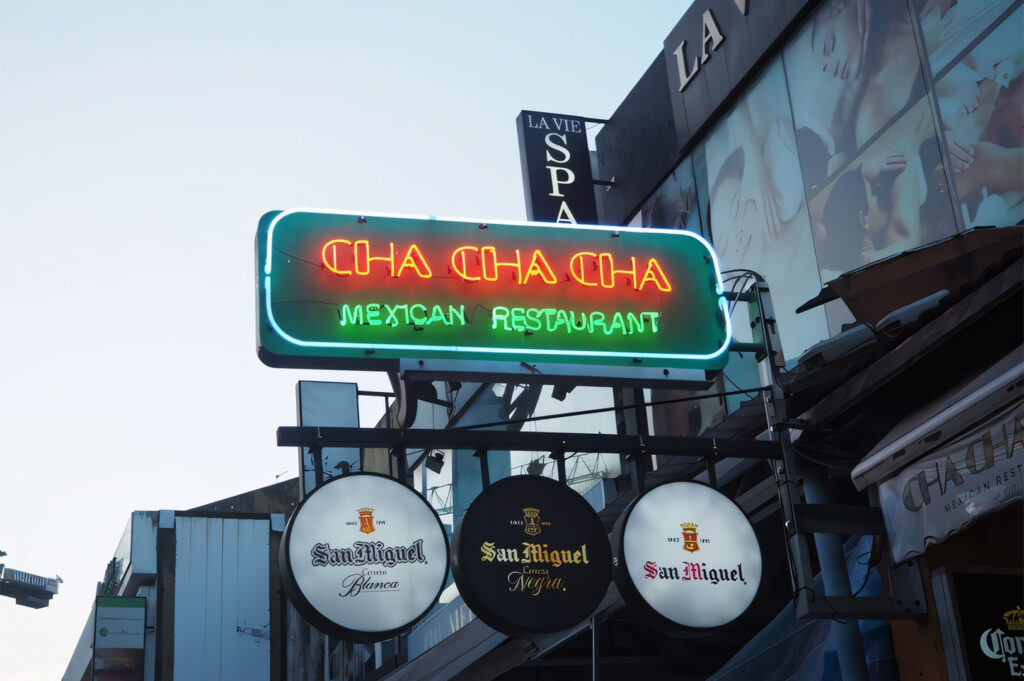
These Tex-Mex Mexican restaurants like Cha Cha Cha enthusiastically marketed comfort food that complemented Singapore’s social culture. Local adaptations altered spice levels, sometimes introduced sweet sauces, and even swapped fried chicken for the classic pork or beef fillings to suit Singaporean palates. Side dishes like tortilla chips, salsa, and refried beans quickly became favorites. Though not all offerings were authentically Mexican, these restaurants were instrumental in making Mexican food culture mainstream, paving the way for the demand for authentic Mexican food and authentic Mexican cuisine Singapore would see in the coming decades.
The Authenticity Movement: A Culinary Shift Toward Authentic Mexican Cuisine
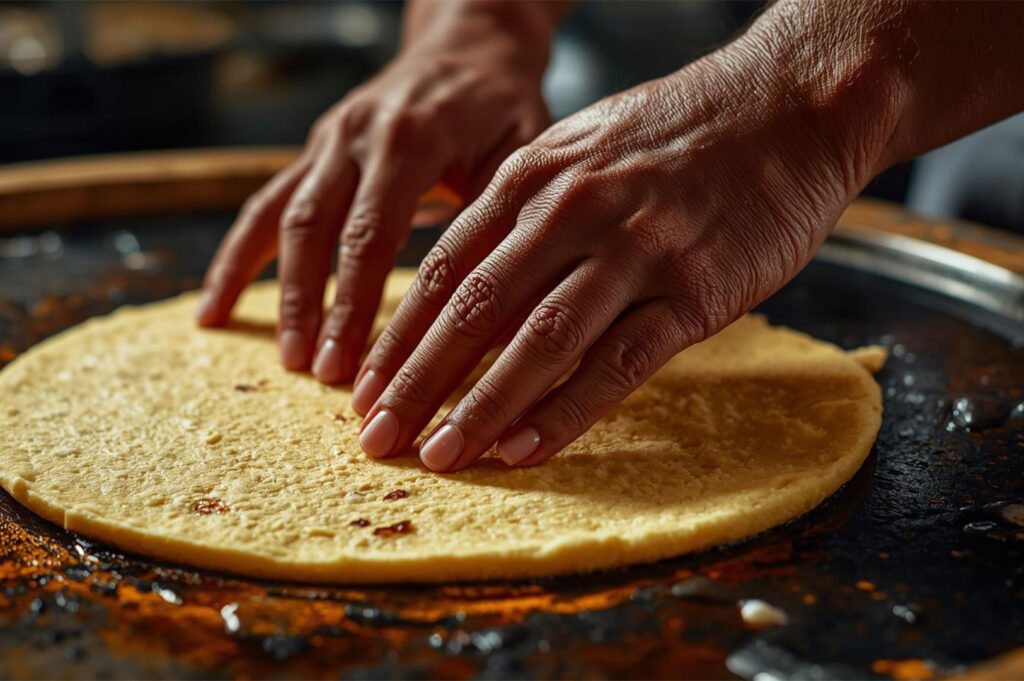
By the late 2000s and 2010s, Singaporean foodies began looking for authentic global cuisine—and Mexican food Singapore was ready for a transformation. Diners, increasingly aware of the difference between Tex-Mex and true comida mexicana, wanted to explore dishes straight from Mexico City and Oaxaca. Authentic Mexican restaurants led by Mexican chefs and passionate locals began to emerge, emphasizing fresh ingredients, traditional Mexican dishes, and faithful regional specialties.
One notable player was Lucha Loco, a Mexican cantina that burst onto the scene in 2012 with a vibrant atmosphere, regional street food favorites like tacos al pastor, and creative options like cochinita pibil served in banana leaves. Others, like Piedra Negra and El Mero Mero, enriched the scene with their robust menus—think mole, the much-loved Oaxacan sauce; fresh salsas; tacos with pork, beef, or vegan options; and even baked crab enchiladas stuffed with shrimp or chorizo.
Ingredient sourcing also greatly improved. Importers began offering corn masa, fresh fruit, and a variety of authentic chiles, making it possible to prepare dishes such as pozole, chilaquiles, and tamales wrapped in corn husks. Mexican food Singapore was well on its way to rivaling other cuisines in complexity and quality, and Singapore Mexican restaurants blossomed as reliable destinations for authentic Mexican food and Mexican street food.
Mexican Food Singapore Today: A Diverse Dining Scene
Mexican food culture in Singapore now spans a broad spectrum—quick street food bites to upscale culinary experiences beside a stunning view. Modern Mexican restaurants offer both authentic Mexican cuisine and fusion dishes, serving everything from generously stuffed tacos to smaller, sophisticated plates.
Papi’s Tacos has become a standout destination for Mexican street food Singapore, offering classics like tacos with all the toppings, burritos, and bar bites such as tortilla chips with salsa or guacamole. Many restaurants have diversified their food menu with Mexican dishes such as cochinita pibil, chorizo, tamales, and vegan options featuring fresh ingredients. For those who love variety, chains like Guzman y Gomez serve Tex-Mex and authentic options (including beef, pork, and chicken tacos, burritos, and quesadillas) for dine-in or takeaway, making Mexican food accessible across Singapore, from Little India to Holland Village.
Social media and influencer culture have helped popularize Mexican cuisine, showcasing colourful dishes, happy hour cocktails, and desserts such as churros, tres leches cake, and even fusion items packed with Singaporean spices.
Beyond Tacos and Burritos: Exploring Regional and Traditional Mexican Dishes
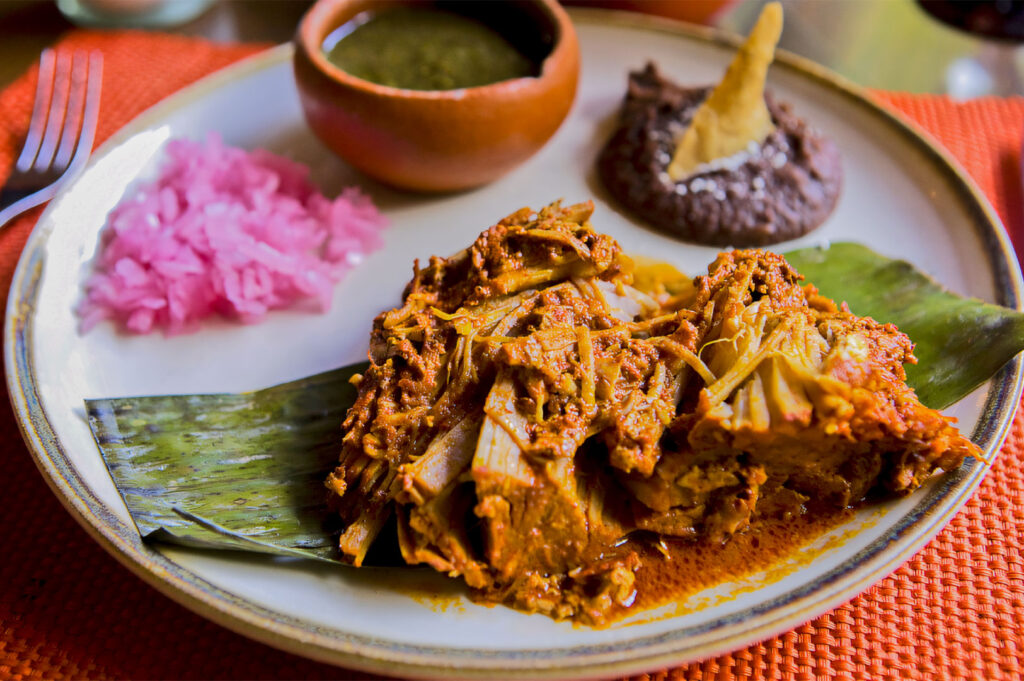
The Singaporean appetite for Mexican food has moved beyond simple Tex-Mex. Diners are eager to explore regional specialties—Oaxacan mole, Yucatecan cochinita pibil wrapped in banana leaves, and Mexico City-style al pastor tacos. Lesser-known dishes, such as baked crab enchiladas, pozole, chilaquiles, and even mole with complex layers of chocolate and spices, are finding their way onto menus at establishments like El Mero Mero and Papi’s Tacos.
Restaurants are increasingly sourcing fresh ingredients to create dishes true to authentic Mexican cuisine, with traditional cooking techniques like slow-roasting pork, preparing tortillas with corn masa, and serving vibrant salsas—salsa verde, for example—beside every meal. Vegan options are also gaining popularity, with jackfruit “carnitas” and plant-based loaded nachos among the new menu staples. These developments reflect not only increased awareness but also a genuine appreciation for traditional Mexican food, flavours, and street food experiences.
Cultural Exchange: Singapore’s Influence on Mexican Cuisine
The evolution of Mexican food Singapore is not a one-way street—Singaporean tastes are influencing Mexican dishes in surprising ways. Chefs are experimenting with local spices, tropical produce, and serving formats. Chilli padi often finds its way alongside chipotle or chili de arbol. Creative fusion items such as salted egg taco, laksa-inspired enchiladas, and even rendang-filled burritos are now showcased at local Mexican restaurants.
Happy hour menus frequently offer both Mexican alcoholic beverages and Southeast Asian-inspired refreshing beverages with mango, fresh fruit, and lime juice. The outcome? A thriving Singapore Mexican food culture that welcomes both authenticity and playful culinary crossovers, building a distinctive profile in both taste and presentation and attracting fans from the Singapore River to the trendy enclaves of Holland Village and beyond.
The Future of Mexican Cuisine in Singapore: What’s Next?
Looking ahead, the Mexican food Singapore scene is poised for further innovation and growth. Rising interest in Mexican home cooking has led to specialty products—corn masa, fresh annatto seed, banana leaves—becoming readily available in wet markets and gourmet stores. Home cooks are embracing authentic Mexican recipes, from tamales in corn husks to spicy salsa verde and small portion street food favorites.
Expect more Mexican restaurants to carve their niche, whether they focus on sustainable ingredient sourcing, organic produce, or showcasing the seafood traditions of Baja California and the spicy stews of Mexico City. “Not all” new concepts will be strictly traditional; some will continue expanding Singapore’s international cuisine footprint with creative fusion: think chipotle prawn chimichanga with Asian curry spices, or tacos topped with pickled green papaya for extra zing.
As sustainability and localization become priorities across the Singapore F&B industry, customers can look forward to meals that are not just delicious, but thoughtful—reflecting both the roots and evolution of Mexican cuisine.
Conclusion: A Culinary Journey Worth Celebrating
From loaded nachos at Tex-Mex cantinas to refined, authentic Mexican food at bustling street food stalls and elegant rooftop restaurants, Mexican food Singapore has earned its place in the island’s food culture. Its journey from obscure novelty to a featured cuisine in Singapore Mexican restaurants reflects an evolution powered by passionate chefs, curious diners, and a vibrant multicultural landscape. Whether you’re in the mood for a quick taco, a plate of cochinita pibil, a glass of lime juice, or banana leaf-wrapped tamale, Singapore’s Mexican food journey shows no sign of slowing down. The spice, creativity, and celebration of authentic Mexican cuisine are sure to shape the city’s culinary future for years to come. And if your palate craves a different adventure, explore the breadth of fine dining with our guide to a perfect Tasting Menu Singapore: From Affordable to Michelin-Starred Experiences, or take a delicious detour by Discovering Regional Italian Cuisine Singapore: From Milan to Naples.