Italian food Singapore is beloved for its universal appeal and timeless flavours. The simple, heartfelt joy found in a perfect plate of fresh pasta or a slice of wood-fired pizza resonates with people everywhere. In Singapore, a city renowned for its vibrant culinary tapestry and dynamic international cuisine, the story of Italian cuisine is a rich journey of evolution. Italian restaurants, once a niche offering, have become a cornerstone of Singapore’s diverse dining scene, reflecting the city’s transformation into a sophisticated global food destination. This article traces the path of Italian food Singapore, from humble beginnings and local adaptations to today’s emphasis on authentic Italian cuisine and contemporary southern Italian cuisine.
Italian Cuisine: The Early Days in Singapore
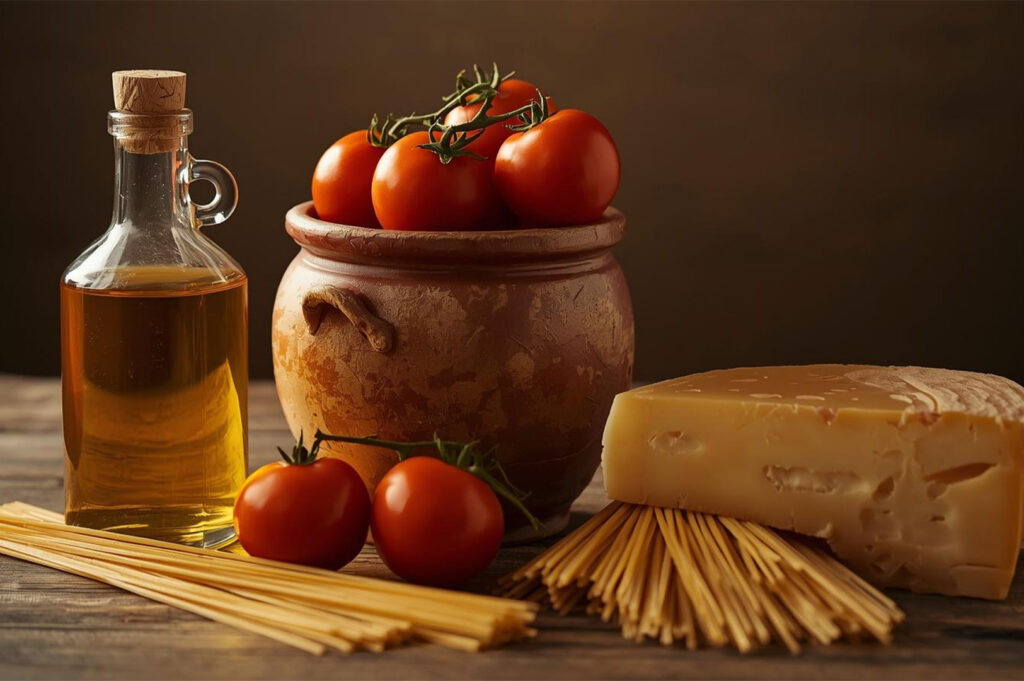
The early history of Italian cuisine in Singapore began taking shape in the 1980s and early 1990s. The arrival of the first Italian restaurants marked an exciting new era, introducing authentic Italian flavours like tomato sauce, garlic, and olive oil to curious diners. Many offerings were inspired by Northern Italian regions, with dishes tailored to broader Mediterranean tastes or simplified to suit the local palate.
Establishing an Italian restaurant in Singapore during this era came with challenges—ingredient availability was a constant struggle. Chefs had to adapt, sometimes using local substitutes due to the difficulty sourcing signature cheese, olive oil, San Marzano tomatoes, and specialty Italian flour. Despite these obstacles, pioneering establishments like Ristorante Bologna at Marina Mandarin Singapore showcased refined Italian food, setting standards for those who followed. These early restaurants cultivated an appetite for rich Italian food, pasta made from scratch, and celebrated a dining experience that other cuisines soon strove to match.
Adaptation to Local Tastes: How Italian Food Adjusted in Singapore

As Italian cuisine’s popularity grew, chefs began adapting their menus, using fresh seasonal ingredients and adjusting recipes to suit Singaporeans’ tastes. The adaptation meant smoother sauces, softer handmade pastas, and plenty of creamy tomato or pesto sauces. Pizzas loaded with cheese and different meats, as well as generous seafood-based dishes—reflecting the traditions of Italy’s south and the bounty of the sea—were among the best-loved menu items.
Fusion creations were soon found across the city. Pasta with chili crab sauce or risotto with Asian aromatics are classic examples of how Singapore’s flavours met Italy’s techniques. Restaurants like Pasta Fresca Da Salvatore became household names for delivering classic comfort food made with seasonal ingredients and traditional methods. Such innovations paved the way for Italian food Singapore to become a staple across lunch and dinner tables, and for a new generation of Italian restaurants to thrive.
Authentic Italian Cuisine Movement: The Rise of True Italian Flavour
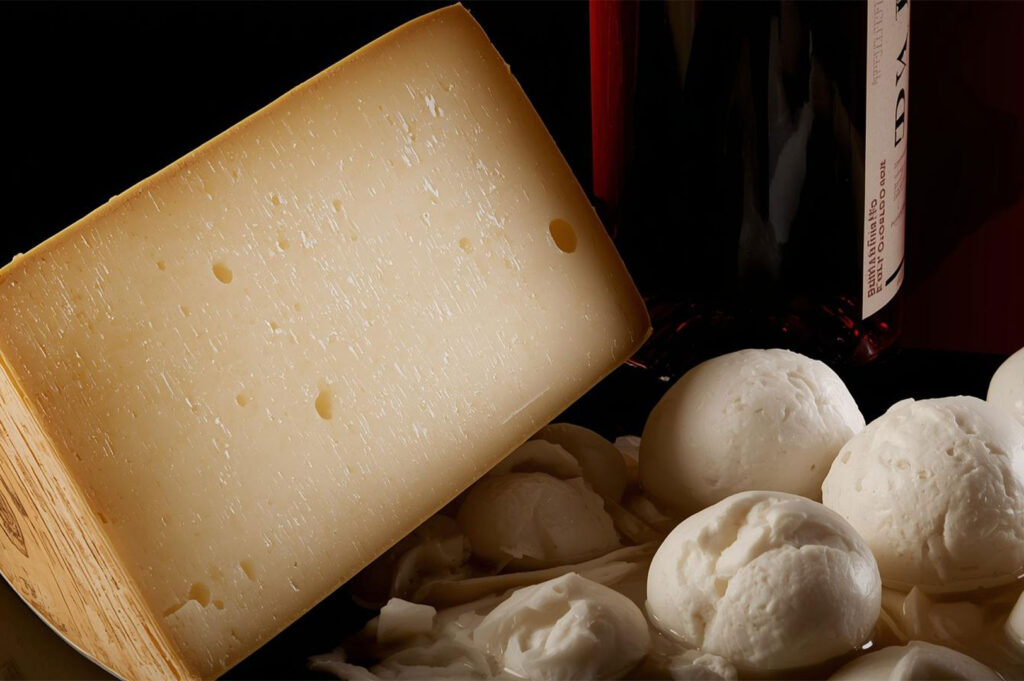
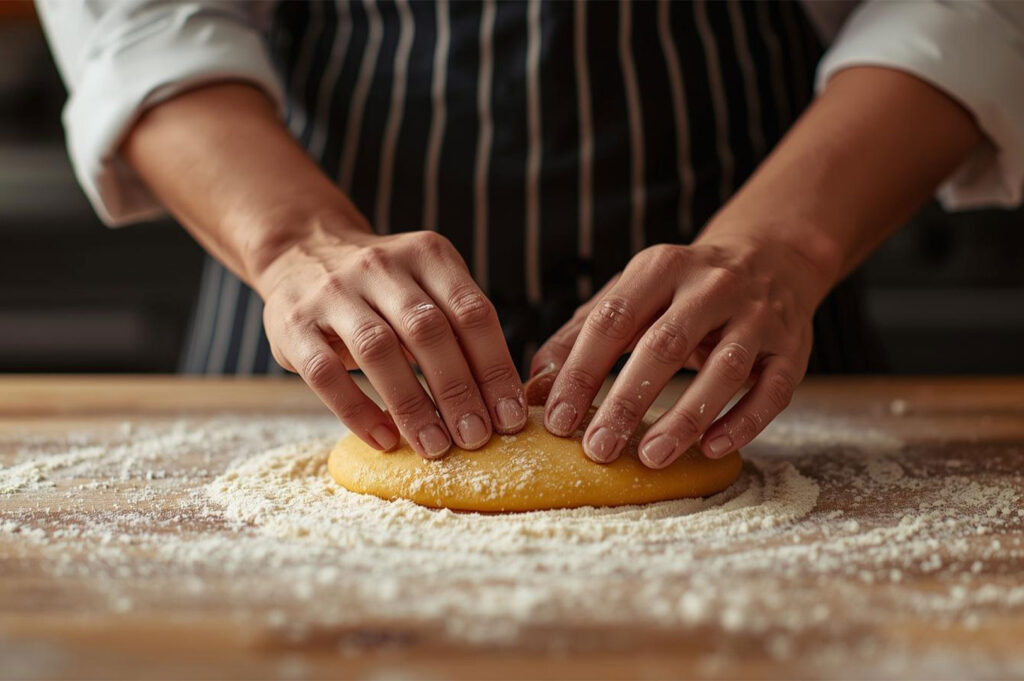
By the 2000s, authentic Italian cuisine began to take hold as Singaporean diners became more adventurous and discerning. Realizing the diversity of Italian regions—from Naples to Milan and Tuscany—diners sought more than just pizza and spaghetti. Italian chefs and culinary experts brought tradition, expertise, and a refined approach to Italian cooking. Improved global importation of authentic ingredients like buffalo mozzarella, high-quality olive oil, classic Italian wines, and aged Parmigiano-Reggiano made all the difference.
Signature restaurants championing authenticity, such as Garibaldi Italian Restaurant & Bar, showcased classic techniques, handmade pastas, and elegant antipasti, emphasizing dining as a celebration of Italian tradition and Mediterranean elegance. Other standout establishments include Da Paolo and Basilico, where dishes made by Italian chefs are inspired by regional heritage yet refreshed for the Singaporean context. From sumptuous seafood risotto reminiscent of southern Italian cuisine, to the refined dining experience of antipasti platters, the evolution of Italian restaurants in Singapore is a mix of cultural celebration and modern innovation.
Italian Restaurant Scene: Contemporary Italian Dining in Singapore
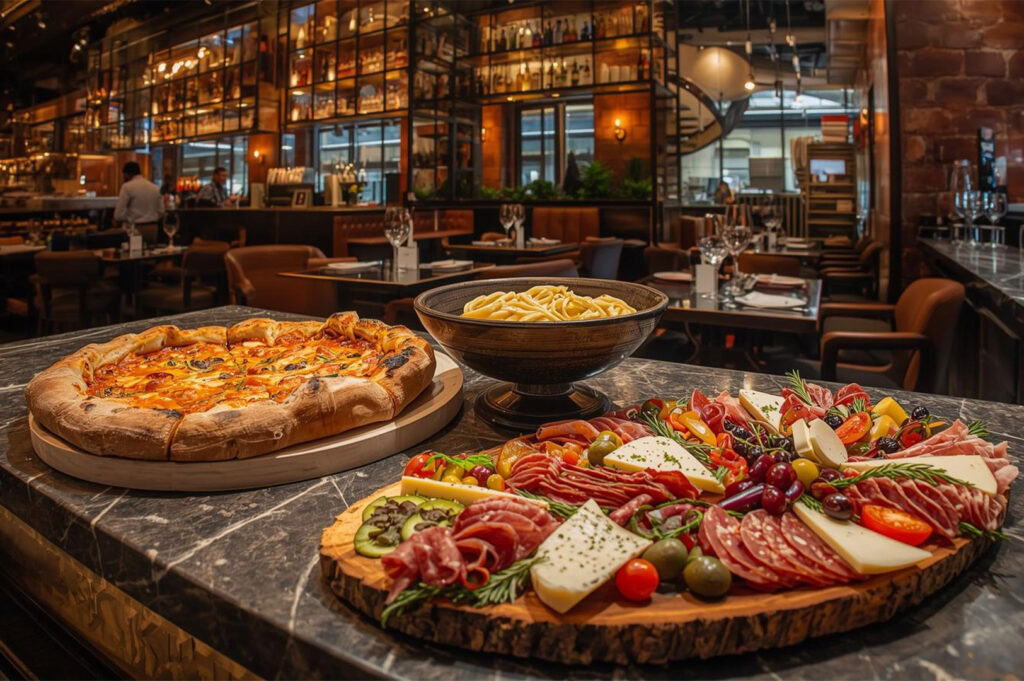
Today, Italian dining is more diverse and exciting than ever in Singapore. The city offers everything from family-run trattorias with freshly baked breads and hearty plates, to ultra-refined fine dining restaurants featuring classic Italian food and modern interpretations. Modern mainstays such as Basilico at Conrad Singapore Orchard are often celebrated for their lavish buffets and variety of dishes designed around seasonal ingredients. The Da Paolo Group’s range of venues is another testament to the popularity of authentic Italian cuisine, from breakfast focaccias to dinner featuring handmade pastas, fresh seafood, and traditional meats.
Social media and food bloggers have created a knowledgeable and curious customer base, keen to savour new flavours. Diners actively seek out both authentic experiences and unique fusions—think Sospiri Rooftop Bar’s blend of Italian wines and Mediterranean small plates, or casual Italian restaurant tables where wood-fired pizza is served alongside innovative desserts inspired by Italian classics. The menu at many popular locations now includes a rich variety of dishes, antipasti, fresh pasta, and locally inspired plates that capture the essence of Italian food Singapore.
Southern Italian Cuisine and Regional Italian Food: Exploring New Flavours
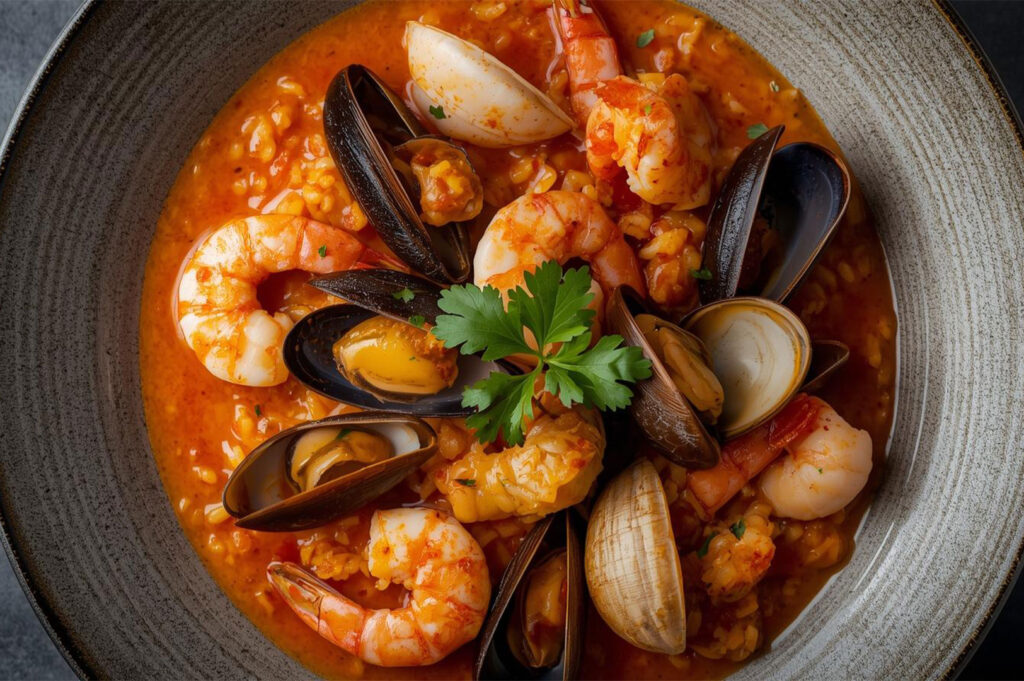
As Singaporean palates have matured, so too has the appreciation for the diversity of Italian cuisine. Regional specialties beyond pizza and pasta have become increasingly popular, spotlighting both northern and southern Italian cuisine. Diners now embrace antipasti, classic south-of-Italy tomato-based sauces, seafood from Naples and the Amalfi Coast, and hearty Tuscan meat dishes.
Restaurants focusing on regional Italian flavours are growing in popularity, with menus highlighting fresh pasta, homemade dough, specific sauces, and seasonal ingredients tied to different Italian regions. The fascination with Italian food culture is evident in the celebration of Mediterranean seafood, rich stews, refined desserts such as tiramisu, and cheeses imported or crafted to tradition. This all adds up to a dining experience that goes far beyond the traditional and becomes a true showcase of Italy’s culinary heritage.
The Italian-Singaporean Exchange: Cultural Fusion and Culinary Innovation
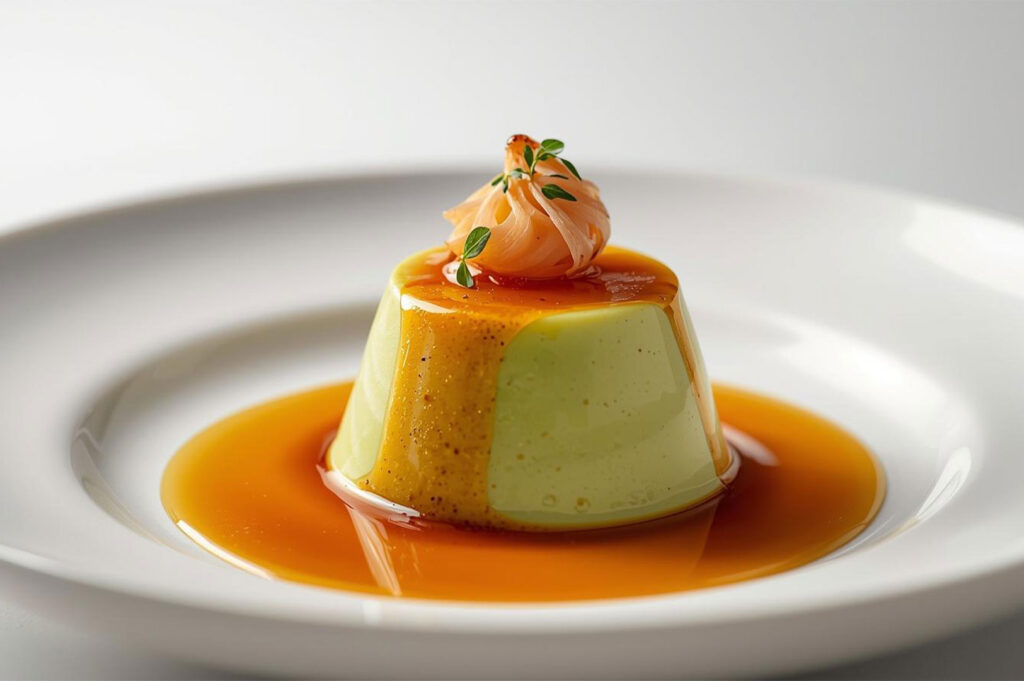
The dialogue between Italy and Singapore has spawned delicious culinary experiments. Innovative chefs have created Italian recipes using beloved local ingredients—pandan or gula melaka panna cottas, Singaporean chili notes in seafood pasta, or even handmade pizzas topped with local favorites. Singaporean spice and bold flavours often find their way into Italian restaurant menus, and restaurant events might host fusion nights or special Wednesday Italian dinners with a Southeast Asian twist.
Cross-cultural collaborations have brought a new sophistication to both Italian and Singaporean tables. Fresh pasta made from scratch is filled with local seafood, or classic antipasti are served with Asian herbs. Such innovative dishes showcase how Italian food can be both authentic and inspired by its environment, offering diners in Singapore a unique mix of heritage and innovation.
The Future of Italian Cuisine in Singapore
Looking ahead, the future of Italian food Singapore is full of promise and refinement. The demand for quality handmade pastas, traditional Italian cheese, seasonal seafood, and fresh tomato sauces will likely rise. Sustainability and local sourcing of ingredients will become more central, with chefs striving to balance tradition and environmental responsibility.
More specialized concepts—such as restaurants focusing on single Italian regions, or wine bars offering exclusive varietals—are paving the way for even more innovation. Italian home cooking is set to become more accessible as well, thanks to improved ingredient availability and an appetite for creating authentic meals at home. From heritage recipes to bold new plates, Singapore’s love affair with Italian cuisine ensures this dining journey is far from over.
Conclusion
The journey of Italian cuisine in Singapore has been nothing short of inspiring. From early northern Italian food and simplified plates to today’s explosion of southern Italian cuisine, fresh handmade pastas, and authentic dining experiences, Italian food has become a cherished aspect of Singapore’s food culture. With passionate chefs, innovative menus, and diners always eager to explore, the future of Italian food Singapore promises a continued celebration of Italy’s rich culinary world—one unforgettable plate at a time. You can also explore how other culinary traditions have evolved through The Evolution of Mexican Food Singapore: From Obscurity to Local Favorite or dive into elevated dining with Tasting Menu Singapore: From Affordable to Michelin-Starred Experiences.