In Singapore, the question “Have you eaten?” is more than just a pleasantry; it is a greeting, a sign of care, and an invitation. Food is the language we use to connect, and nowhere is this more beautifully expressed than in the bustling, welcoming spaces of a local food plaza. These vibrant hubs are a cornerstone of daily life, representing a unique intersection of culinary diversity and community spirit that defines the Singaporean experience. Food plazas foster connection by bringing people together, encouraging social interaction, and strengthening community engagement among visitors and locals alike.
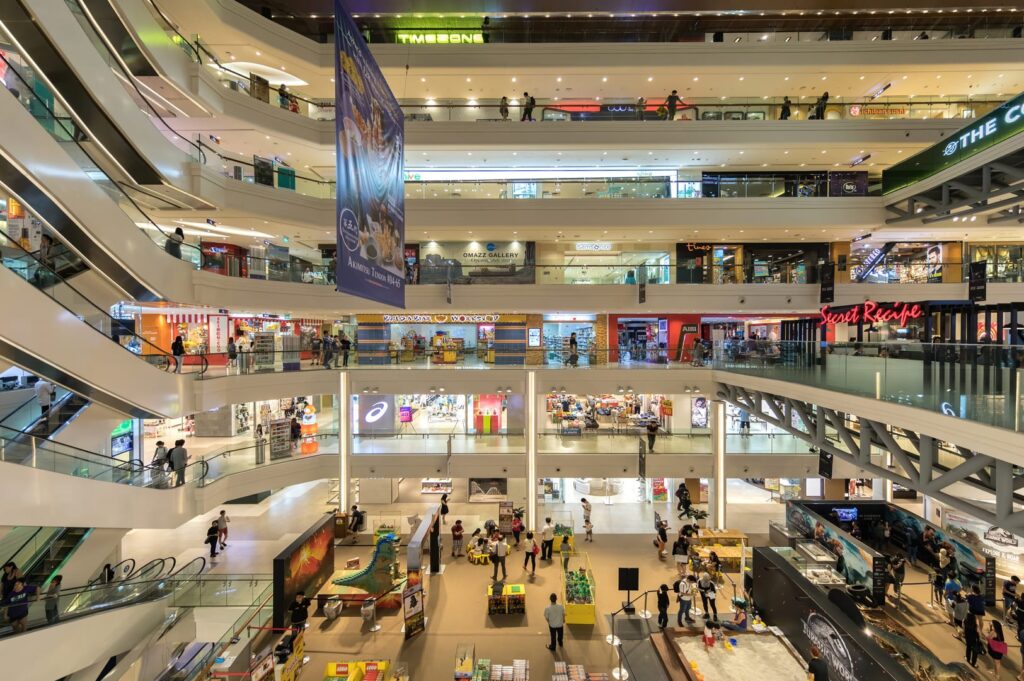
Plaza Singapura is a popular destination for food lovers in Singapore.
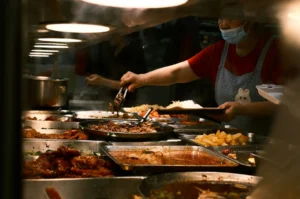
More than just a place to grab a quick meal or fast food, a food plaza Singapore is where people come to eat, making eating a central activity that brings everyone together. Across the island, food plazas can be found in many neighborhoods, reflecting Singapore’s status as an island nation with diverse and accessible dining options spread throughout. It offers a sensory journey: the sizzle of a hotplate, the fragrant steam from a bowl of noodles or miso soup, the kaleidoscope of colors from various cuisines, and the gentle hum of conversations between friends, families, and colleagues. In this guide, we will explore the social and cultural significance of these beloved spaces, celebrate their incredible variety, and show you why your next meal should be a communal one.
Understanding Food Plaza Culture in Singapore
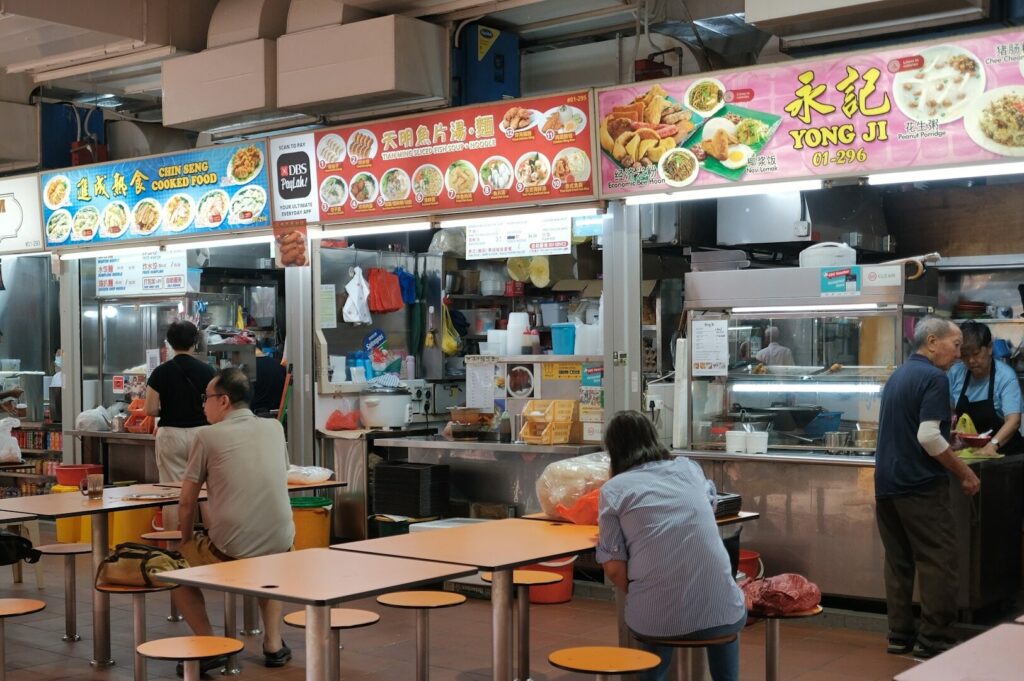
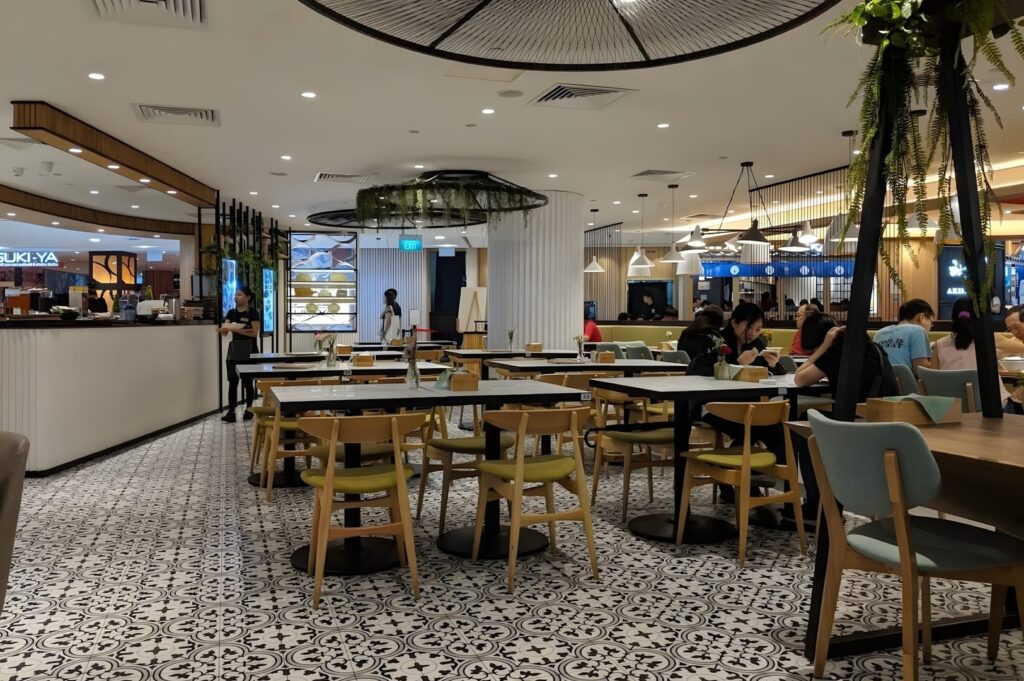
While often mentioned in the same breath as their famous cousins, the hawker center and the mall food court, food plazas carve out their own distinct identity. A hawker center Singapore is steeped in heritage, often government-run, and celebrated for its multi-generational stalls specializing in a single dish or signature dish. A mall food court is typically a commercial tenant mix in a shopping center. A food plaza, however, often feels like a modern evolution of the two—a privately-managed space that blends the authenticity of hawker-style variety with the comfort and curated environment of a modern dining hall.
Historically, these spaces evolved to meet the needs of residential neighborhoods and business districts, offering a clean, convenient, and affordable place for daily meals at reasonable prices. Many food plazas are strategically located in central areas such as Raffles Place or within the Central Business District, making them highly accessible and visible to both office workers and residents. Architecturally, they are designed for interaction. Long communal tables, open-air seating, and a bright, welcoming layout all encourage a sense of shared space. Unlike the quiet cubicles of a formal restaurant, the design here invites you to be part of a larger community, even if you are just sharing a table with a stranger for a few minutes. This is the essence of community dining Singapore prides itself on.
A unique aspect of dining at a food plaza in Singapore is the practice of reserving a table by placing a tissue packet on it, known as “chope-ing.” This custom is widely recognized and reflects the local dining etiquette and culture.
Culinary Diversity: A World of Flavours in One Space
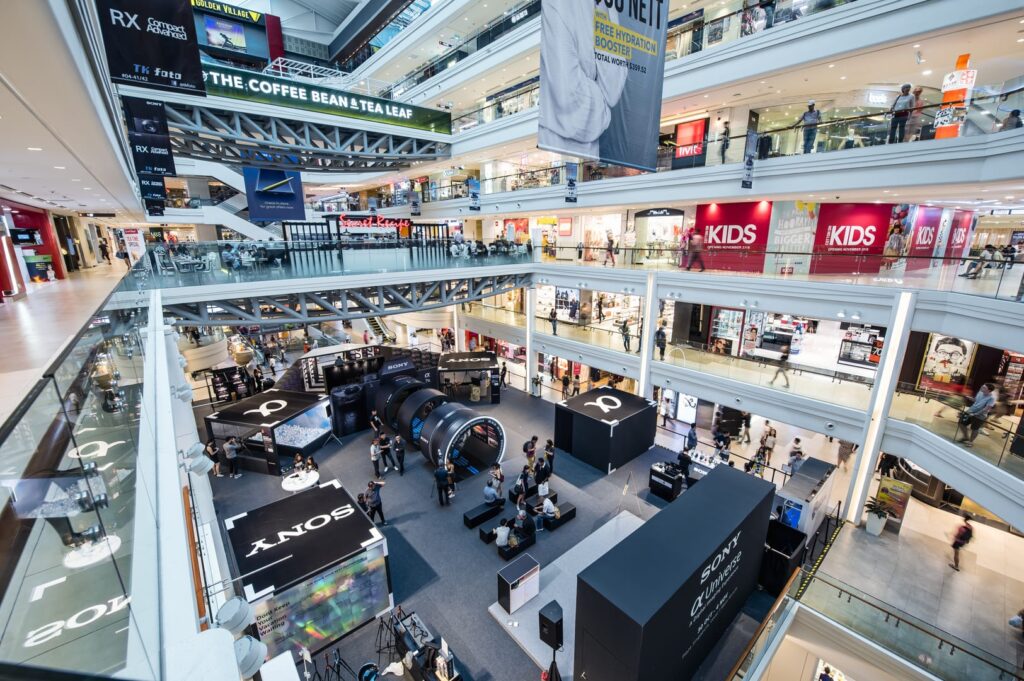
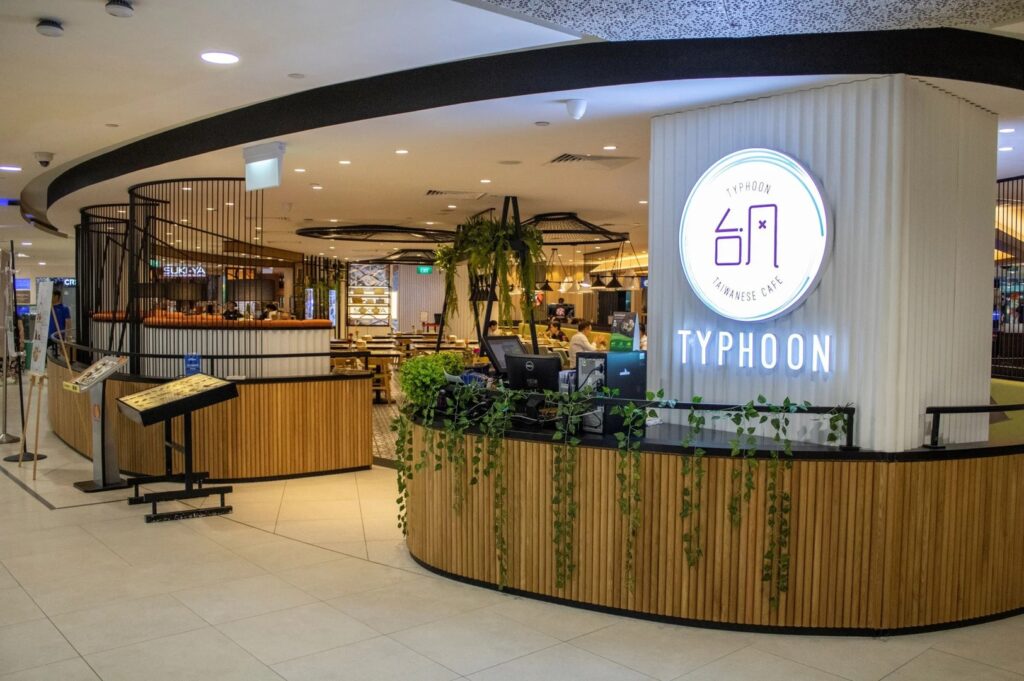
One of the greatest delights of visiting a food plaza Singapore is the sheer breadth of choice. Plaza Singapura, for example, offers a variety of cuisines including Vietnamese, Japanese, Chinese, Thai, and Western food, making it a true destination for culinary diversity. Singapore’s popular food plazas, known as Hawker Centres, showcase a vibrant mix of Chinese, Malay, Indian, and Peranakan cuisines. It is a microcosm of Singapore’s multicultural fabric, where you can travel the world with your taste buds without ever leaving your seat. This is where a family can come together, and everyone gets exactly what they are craving. Dad can have his hearty plate of Hainanese Curry Rice, Mom can enjoy a spicy bowl of Thai Tom Yum soup, and the kids can choose between Japanese Tonkatsu or a classic Western-style fried chicken chop.
The variety is astounding and speaks to the island’s incredible Singapore culinary diversity. Dishes are prepared by skilled chefs who emphasize freshness, delicious flavour, and the tender, juicy quality of meats, ensuring every bite is memorable. You will typically find a plethora of stalls, cafes, shops, and stores representing:
Chinese Cuisine: From Cantonese roast pork and crispy roasted meats to dim sum and flavorful noodle dishes like Ban Mian, often paired with pickles or fresh vegetables. Don’t miss Bak Kut Teh, a pork rib soup simmered in herbs and spices, with Song Fa Bak Kut Teh being a well-known stall. Singaporean Chinese cuisine also features iconic dishes such as Hainanese Chicken Rice—fragrant rice cooked in chicken broth, served with poached or roasted chicken—and Char Kway Teow.
Malay & Indonesian Fare: Rich and aromatic Nasi Padang, sizzling Satay with peanut sauce, and the comforting Mee Rebus served with a side of miso soup or light bites. Peranakan cuisine, influenced by both Chinese and Malay flavors, is also prominent, with Laksa—a spicy coconut curry noodle soup—as a standout example.
Indian Delights: Fluffy Roti Prata with savory curry, fragrant Biryani, and a rainbow of vegetarian and non-vegetarian thali sets.
International Favorites: Stalls and cafes serving everything from Korean Bibimbap and Japanese ramen to Italian pizza and hearty American-style burgers like those from Five Guys, where diners can customize their burgers with up to 15 toppings for a truly personalized menu experience. Many dishes are inspired by street food from Japan and Thailand, and you’ll often find snacks or sides featuring potato as a popular ingredient, as well as salads, smoked salmon, and onsen egg as part of the diverse menu options. Look out for crispy pork belly, juicy burgers, and pasta with local flavours.
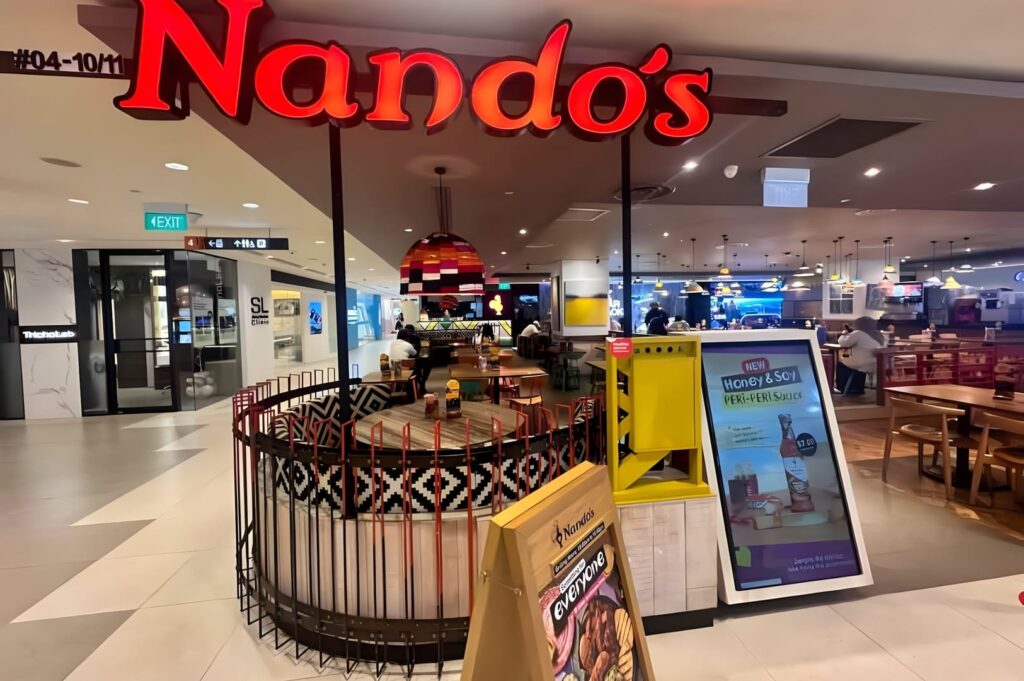
Plaza Singapura has seen a rise in unique dining experiences, such as Cajun on Wheels, which offers a fun seafood boil dining style perfect for groups of diners, and is known for its Louisiana seafood boil buckets served in a fun sharing style. New food trends at Plaza Singapura include the latest addition of international chains like Five Guys and Nakiryu, which have garnered significant attention. The opening of Cafe&Meal Muji at Plaza Singapura has introduced a unique economy rice concept with a focus on healthy and delicious deli selections, including a 2 deli set for S$14.80 and a new festive menu. Plaza Singapura is embracing food trends that emphasize customization, as seen in restaurants like Five Guys, where customers can personalize their burgers with various toppings. The trend of offering unique dessert experiences is evident with the arrival of Nunsaram Korean Dessert Cafe, specializing in bingsu, a popular Korean shaved ice dessert and a delightful treat for those seeking something sweet. Plaza Singapura has welcomed new restaurant concepts that focus on interactive dining experiences, such as Tsukada Nojo, known for its beauty collagen hotpot, and the introduction of Okashi Gaku’s cake-in-a-can vending machines reflects the growing trend of innovative and convenient dessert options.
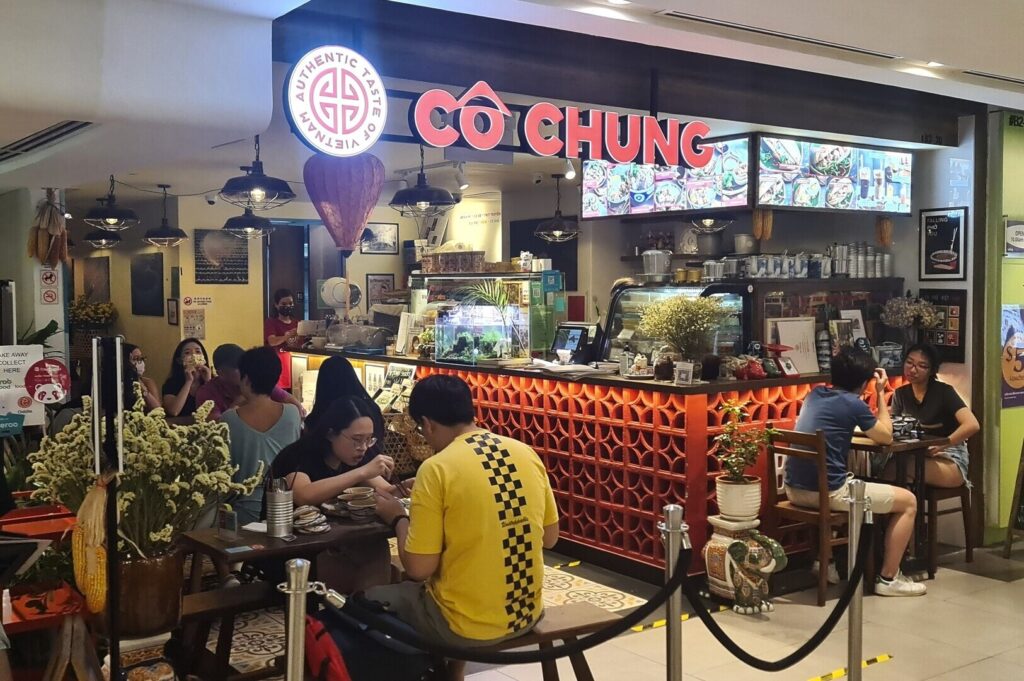
Other notable outlets include Co Chung Restaurant, which offers a wide range of beautifully plated Vietnamese food including bahn mi and pho; Tamoya Udon & Tempura, serving hand-pulled udon noodles and crispy tempura made daily on-site; Nanjing Impressions, providing authentic Chinese Nanjing fare in a rustic setting; Go-Ang Pratunam Chicken Rice, a Michelin Bib Gourmand-awarded shop known for its chicken rice and Thai dishes with meal options starting from S$5.50; Mamma Mia Trattoria E Caffe, serving Italian fare with attentive and friendly service; Paper Rice Vietnamese Kitchen, known for its extensive menu of Vietnamese dishes; Arteastiq DePatio, offering European-inspired dishes with sophisticated flavours; Katsuyoshi, specializing in katsu dishes with free-flow cabbage and rice; Talad Thai Banana, famous for its crispy deep-fried banana fritters starting from S$5 for six pieces; Eat Pizza, offering $1.99 pizzas on specific promotional days; Bizen Wagyu & Salad Bar, which includes a super salad buffet with every main course; and Nunsaram Korean Dessert Cafe, where the Mad For Bingsu at S$20.90 is meant for sharing among diners.
Popular dishes you shouldn’t miss include Oyster Omelette (Orh Luak), made with eggs and fresh oysters and served with chili sauce; Cendol, a traditional dessert of shaved ice, coconut milk, and palm sugar; and Laksa, the spicy coconut curry noodle soup. Tiong Bahru Market is a modernized yet traditional food plaza offering unique local breakfast items, while Chomp Chomp Food Centre is known for grilled seafood and classic BBQ fried chicken wings. Old Airport Road Food Centre is a local favorite, famous for its legendary stalls and spacious layout, and Newton Food Centre is renowned for BBQ seafood, particularly black pepper crab. Lau Pat Sat is a historic structure known for its “Satay Street” offering diverse local eats, and Food Republic is a food plaza found in malls, known for elevated versions of local favorites.
This culinary democracy makes the food plaza dining experience incredibly convenient and accessible. Prices are wallet-friendly, with many outlets offering affordable prices and great value for money, catering to everyone from students to office workers. You can have a simple, satisfying meal for under $10 or indulge in a more elaborate seafood spread. Many hawker stalls maintain Michelin Bib Gourmand awards or have longstanding reputations, so you know you’re getting quality. Hygiene ratings at hawker centres are displayed visibly to ensure food safety, with high standards enforced by the Singapore Food Agency. Payment at stalls is easy, with options for cash, cards, and digital payment methods such as PayNow and GrabPay. The freedom to mix and match—grabbing a sugarcane juice from one stall, a plate of Hokkien Mee from another, and a dessert of cake, cendol, or ice kachang from a third—is a unique pleasure and a true delight. Whether you’re after the usual favorites or want to try something new, there’s always a reason not to miss out on the signature dishes and desserts prepared with care and skill. For a special treat, Cajun on Wheels even offers a free lobster with any purchase of an Olympian bucket during your birthday month.
In the evening, some outlets introduce special menu items or shift to a more lively ambiance, making dinner at a food plaza a warm, fun, and memorable experience for all diners.
Community Dining: The Social Heart of Food Plazas
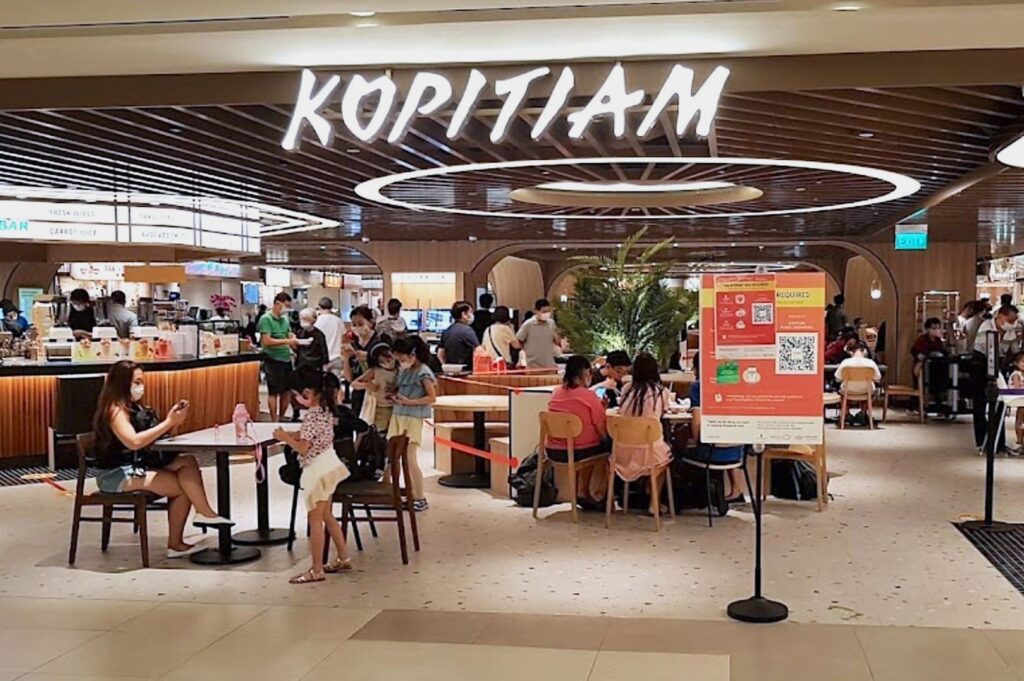
Beyond the food itself, the true magic of these spaces lies in their social role. Food plazas are the unofficial community centers of every neighborhood. They are where a group of elderly uncles gathers for their morning kopi (tea), where office workers unwind over lunch, and where multi-generational families come together for a weekend dinner. The practice of communal eating Singapore embodies is on full display here.
The open seating arrangement naturally fosters interaction. Sharing a table is common and expected, leading to small, pleasant encounters that build a sense of community. You will see parents chasing toddlers, teenagers sharing a plate of fries or a bowl of ramen, and colleagues debating work projects over bowls of laksa. It is an environment built on an unspoken code of mutual respect—clearing your tray after your meal, minding your volume, and giving a polite nod to your table-mate.
This inclusive atmosphere is a key part of their appeal. Everyone is welcome, regardless of age, income, or background. It is a place where you can dine alone without feeling lonely, surrounded by the gentle buzz of the city. This spirit of togetherness and shared experience is what makes a food plaza more than just a collection of kitchens; it makes it a home away from home.
Notable Food Plazas Worth Exploring: Including Plaza Singapura
Across Singapore, certain food plazas have become icons in their own right, each offering a unique lens into the city’s vibrant food culture. Take Lau Pa Sat in the heart of the financial district: renowned for its stunning Victorian cast-iron architecture, this bustling destination transforms at night as Boon Tat Street fills with the smoky aroma of satay, drawing crowds eager for charcoal-grilled skewers in an electric open-air setting.
For those seeking Halal options and vibrant Malay, Indonesian, and Indian fare, the Bagus Food Court chain stands out. With outlets in malls like Century Square and Northpoint City, Bagus captivates with its broad selection—especially the Nasi Padang counters piled high with colorful dishes—making it a favorite for communal meals during lunch and dinner hours.
Meanwhile, Food Republic takes the food plaza concept up a notch, blending nostalgia with comfort. Step into the VivoCity outlet and you are surrounded by thoughtfully curated stalls under decorative themes that evoke Singapore’s street-food heritage, all within a cool, air-conditioned space—perfect for a midday retreat or a casual group outing without the crowds of peak hours.
Each of these food plazas delivers more than just a meal; they offer a uniquely Singaporean experience, blending history, diversity, and community under one inviting roof.
Ultimately, a visit to a food plaza is an immersion into the rhythm of everyday Singapore. It is a celebration of our two greatest passions: food and community. The dual appeal of endless culinary choice and the warmth of a shared dining space makes it an experience that is both deeply personal and universally Singaporean.
So, the next time you are looking for a meal, we encourage you to step into the lively atmosphere of a neighborhood food plaza. Grab a tray, wander the aisles, and follow your senses. Find a seat, share a table, and enjoy a meal that nourishes both body and soul. This is how you truly taste Singapore.
The Authentic Singapore Experience: Exploring Local Flavours
Ultimately, a visit to a food plaza is an immersion into the rhythm of everyday Singapore. It is a celebration of our two greatest passions: food and community. The dual appeal of endless culinary choice and the warmth of a shared dining space makes it an experience that is both deeply personal and universally Singaporean.
So, the next time you are looking for a meal, we encourage you to step into the lively atmosphere of a neighborhood food plaza. Grab a tray, wander the aisles, and follow your senses. Find a seat, share a table, and enjoy a meal that nourishes both body and soul. This is how you truly taste Singapore—an experience further explored in Exploring the Best Cuisines in Singapore: From Heritage Flavors to Contemporary Dining and Beyond the Plate: Understanding Singapore’s Dining Culture from Within.