Convenience has changed the way I eat in Singapore.
I can order a meal without leaving home, pay without touching cash, and choose from hundreds of food options on my phone. On busy days, that convenience feels necessary. It saves time, removes effort, and makes food fit more easily into modern life.
But I sometimes wonder what we give up when everything becomes too convenient.
Food has never been only about the final dish. It is also about the process around it; the queue, the wait, the smell from the stall, the quick exchange with the hawker, the sound of plates being cleared nearby. These details may seem small, but they shape the experience. When food becomes just another item delivered to our doorstep, some of that context disappears.
This is where the trade-off begins. Convenience gives us access, but it can also flatten the experience. A bowl of noodles packed into a plastic container may still taste good, but it is not always the same as eating it fresh at the stall. Fried food loses crispness. Broth cools down. Sauces settle. Certain dishes were simply not built to travel well.
That does not mean delivery or takeaway is bad. Many food businesses depend on these channels, and many customers genuinely need them. Convenience has helped smaller operators reach more diners and survive difficult periods. I understand why it matters.
Still, authenticity often depends on conditions that convenience cannot fully recreate.
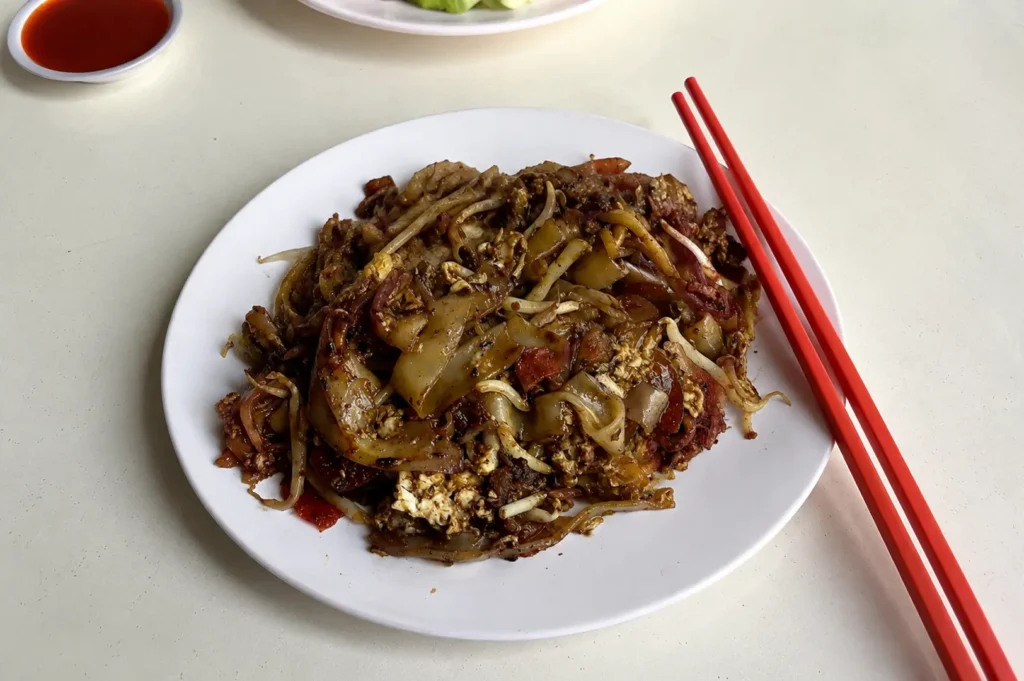
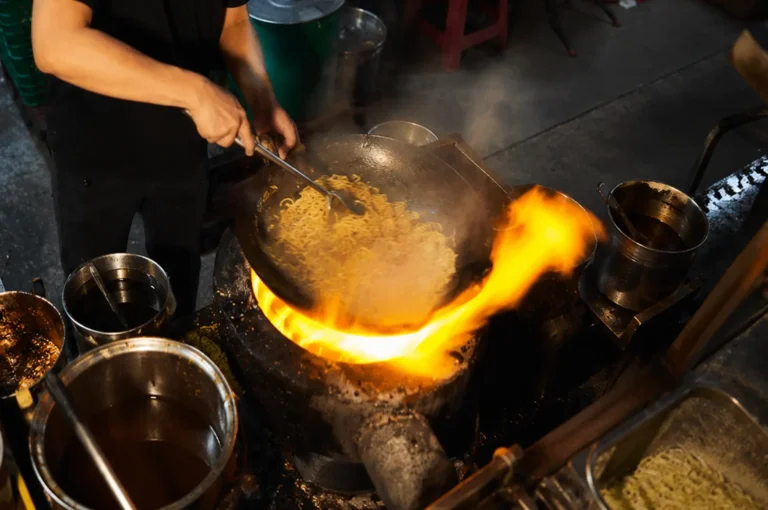
Some dishes are meant to be eaten immediately. Some require the heat of the wok hei, the timing of assembly, or the balance between texture and temperature. When those details are changed for speed, packaging, or wider distribution, the food may become more efficient, but less true to itself.
There is also another layer to this. As diners become used to convenience, food businesses may feel pressure to adapt their recipes, menus, and operations to suit faster service. Items that are easier to pack may become more attractive than dishes that require care. Menus may become shorter. Flavours may be adjusted to travel better. Over time, these small changes can alter what we think of as authentic.
The challenge is that most of these changes happen quietly. We do not always notice them at first. We only realise something is different when an old favourite no longer tastes the way we remember.
I think Singaporeans understand this better than we admit. That is why many people still make the effort to visit certain stalls in person. They know the dish is not just about the ingredients. It is about eating it in the right place, at the right moment, prepared in the way it was meant to be served.
Convenience will always have a place in Singapore’s dining culture. Our lives are too fast, our schedules too packed, and our food scene too wide for it not to matter. But we should be honest about the cost.
The goal is not to reject convenience. It is to know when it serves the food and when it weakens the experience. Some meals can travel well. Others deserve to be eaten where they are made.
In the end, authenticity is not only about tradition. It is about respecting the conditions that make a dish what it is. For more reflections on Singapore’s dining culture, food habits, and local food stories, visit SG Dining Guide by clicking here: https://sgdiningguide.com.sg/