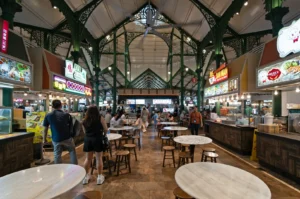
There is the Singapore you see in glossy travel brochures—pristine plates of chili crab enjoyed by the bay—and then there is the Singapore where we actually live. As locals, we often watch visitors navigate our food scene with a mix of amusement and sympathy. They queue for hours at “famous” hawker stalls we haven’t visited in years, while we are happily tucking into a superior bowl of noodles just two streets away. To understand food Singapore style, you have to look past the Michelin stars and tourist traps.
Singapore restaurants, from bustling hawker centers to acclaimed fine dining establishments, are a testament to the city’s diverse dining options and vibrant food landscape.
The reality of the Singapore authentic food experience is gritty, fast-paced, and governed by a set of invisible rules that prioritize efficiency and flavor above all else. Our Singapore’s food culture and Singapore’s culinary scene are shaped by a unique blend of Chinese, Malay, Indian, and Peranakan influences. Singaporean cuisine is a reflection of our multicultural society, with a rich tapestry of flavors and dishes that tell the story of our history and culture. It isn’t just about what is on the plate; it is about the rhythm of the day, the unspoken etiquette of the queue, and the collective wisdom of the neighborhood. If you want to know what eat in Singapore like a local truly feels like, you need to understand the practicalities that shape our daily meals.
To truly understand food Singapore style, you need to look beyond glossy travel guides and curated Instagram lists.
Hainanese Chicken Rice and Daily Eating Patterns
To understand food in Singapore—what makes it truly iconic—you have to look beyond individual dishes and observe how people eat, where they gather, and why certain habits persist generation after generation.
For most of us, the day begins not with a leisurely brunch, but with efficiency. Breakfast culture revolves around the neighborhood kopitiam (coffee shop). You will see uncles reading papers with a “kopi-o” (black coffee with sugar) and a half-boiled egg before the sun is fully up. It is quick, it is cheap, and it fuels the workforce. Breakfast often includes kaya toast—traditional toasted bread spread with kaya (coconut jam) and butter, often served with soft-boiled eggs—and sweet milk tea or kopi with condensed milk.
Nasi lemak, a traditional Malay dish of rice cooked in coconut milk and served with sambal, fried chicken, and various accompaniments, is another popular breakfast or main meal, celebrated for its rich flavors and cultural significance. Roti prata, with its Indian roots, is also a beloved breakfast option, typically enjoyed with curry and found at many local stalls.
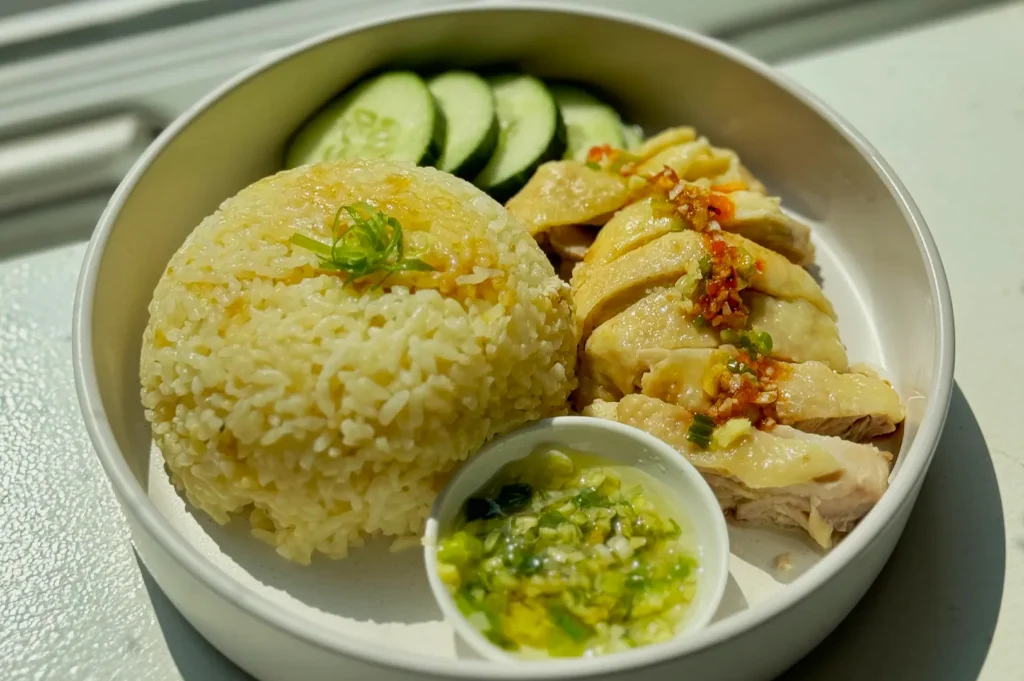
The lunch rush, however, is a combat sport. Between 12 PM and 2 PM, the Central Business District (CBD) and heartland hawker centres transform into hives of activity. Timing is everything. We know which hawker stalls have a 20-minute wait and which clear their queue in five. We strategize our Singapore local eating habits around these peak hours—eating at 11:30 AM or 1:30 PM to avoid the crush. Popular dishes at lunch include fragrant rice cooked with chicken fat served alongside chicken curry or roast meats such as roasted chicken and pork belly. Hainanese chicken rice, which originated from Hainan, China, was adapted in Singapore by Hainanese immigrants and has become a national favorite.
Hawker Stalls and the Unwritten Rules of Local Dining
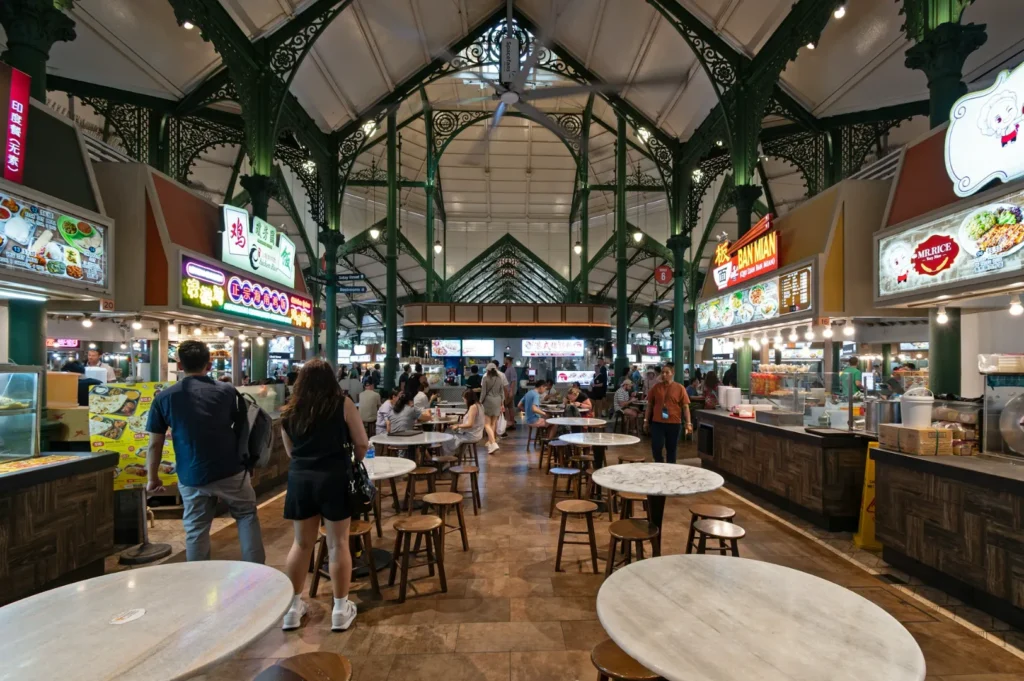
If you walk into a hawker centre and see a packet of tissue paper on an empty table, do not sit there. This is the first rule of local dining Singapore: the law of “chope.” That tissue packet is a reservation sign as legally binding as a written contract. It allows us to secure a seat before joining the queue for food, a necessary tactic in crowded food centres. A hawker center is an open-air food market offering a wide variety of affordable, delicious, and authentic local dishes under one roof, and is an essential part of experiencing food Singapore. Ignoring this is a major social faux pas.
Queue etiquette is another pillar of our dining society. If you see a long line, you join it—often before even knowing what is being sold. We trust the collective judgment of our peers implicitly. When you finally reach the front, hesitation is not an option. You need to know your order. Terms like “makan” (eat here) or “bao” (takeaway) should be on the tip of your tongue.
We also practice a unique form of communal solitude. Sharing a table with strangers is standard. You nod, sit down, eat your meal, and leave without exchanging a word. It is efficient and respectful of space. And when you are done, the tray return station is your destination. Tray return has shifted from a courtesy to a civic duty (and now a law), reflecting a broader sense of responsibility within our Singapore’s culinary scene. Hawker centres are truly the heart of Singapore’s food culture, providing a wide range of choices from cheap but legendary hawker stall meals to trendy dining concepts, all celebrated for their variety, affordability, and authenticity. Tipping? It is rarely expected in these settings; the best compliment you can give is becoming a regular.
Char Kway Teow, Chicken Rice, and What Locals Actually Order
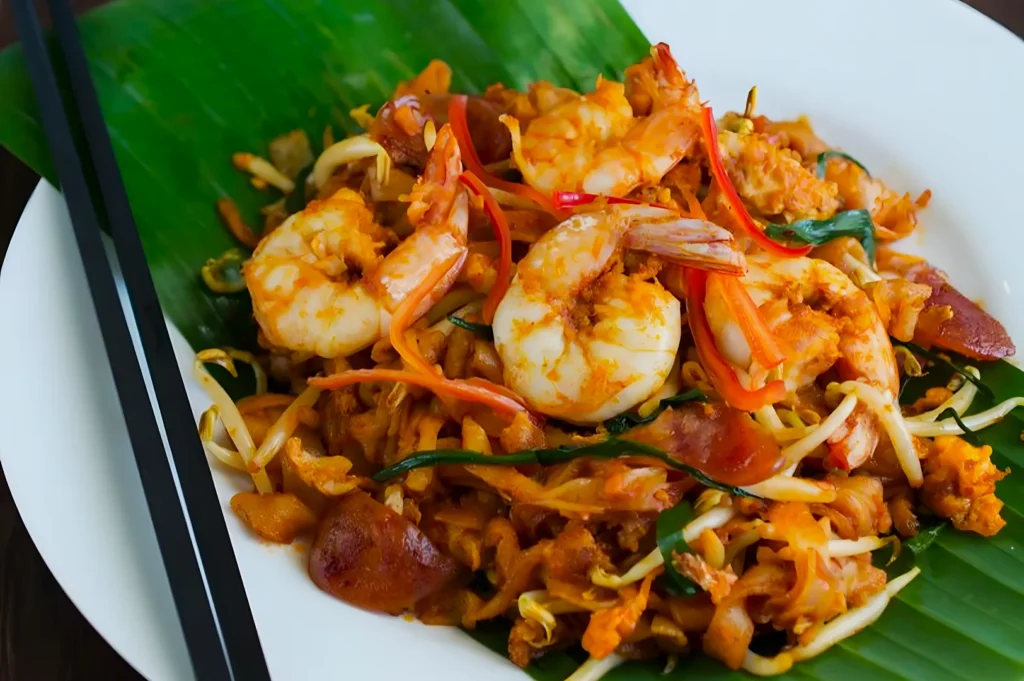
Tourists flock to Newton Circus for overpriced seafood; locals head to their specific neighborhood haunt for “cai fan” (economy rice). This is the backbone of Singapore local food habits: the mix-and-match plate where we point at three dishes to go with fragrant rice or basmati rice. It is affordable, customizable, and comforting. We value the “cheap and good” philosophy intensely.
When we do order specific dishes, we customize relentlessly. Many locals opt for a noodle dish, such as bak chor mee with minced pork or ramen with tender pork slices, both of which are beloved for their flavor and texture. “Mee pok, tah, chili, no vinegar” (flat egg noodles, dry version, with spicy chili sauce, no vinegar) is a standard level of specificity. Soy sauce and dark soy sauce are often added to noodle dishes to enhance their savory, smoky, and rich flavors. We rarely order the “chef’s recommendation” blindly; we order the version we grew up eating.
Condiments are essential—chilli sauce is a key accompaniment that elevates the flavors of many local dishes, from chwee kueh to laksa.
Beverages are just as specific. We do not just order coffee; we order “kopi-c-kosong” (coffee with evaporated milk, no sugar) or “teh-peng” (iced tea with condensed milk). Weather dictates choices, too. On a scorching day, sugar cane juice with lemon is medicinal. On a rainy afternoon, fish soup sees a surge in popularity. We rely on word-of-mouth within our social circles to find new spots. If a colleague says the char kway teow in Bedok is good, we travel there. Char kway teow is a popular dish and signature dish—a stir-fried noodle dish made with flat rice noodles and various ingredients, known for its savory and smoky flavors. Hainanese chicken rice is considered Singapore’s national dish, featuring poached chicken served with fragrant rice and a variety of sauces. Many food bloggers recommend specific hawker stalls for their unique dishes, often leading to long queues, and many of these legendary stalls have been operating for decades, passed down through generations. We follow trust, not hype.
Hawker Centres, Food Courts, and Beyond
While the hawker centre is iconic, how Singaporeans eat extends far beyond it. We are just as likely to be found in air-conditioned food courts in malls—not for the ambiance, but for the sheer convenience and sweat-free comfort. It is the pragmatic choice for a quick dinner after work.
Home cooking still plays a role, but the definition has shifted. Many families rely on “tingkat” (catering) services for weekday dinners to ensure a home-cooked feel without the labor. When we do cook, it is often simple soups or stir-fries on weekends. For celebrations without the formality of a hotel, we hit the neighborhood zi char restaurants—these are the unsung heroes of local dining Singapore. They offer restaurant-quality wok hei dishes at a fraction of the price, served on plastic tables under fluorescent lights. Peranakan food is another highlight, with Peranakan cuisine representing a unique blend of Chinese and Malay culinary traditions, and the Peranakan culture itself characterized by a fusion of Chinese, Malay, and Indonesian influences.
Indian food is also a major part of the food Singapore scene, with Indian restaurants—especially those in Little India—serving a diverse range of dishes shaped by Tamil, North Indian, and Punjabi influences. This balance of eating out frequently while watching the budget is the true art of the Singaporean lifestyle.
Carrot Cake and Other Popular Street Food
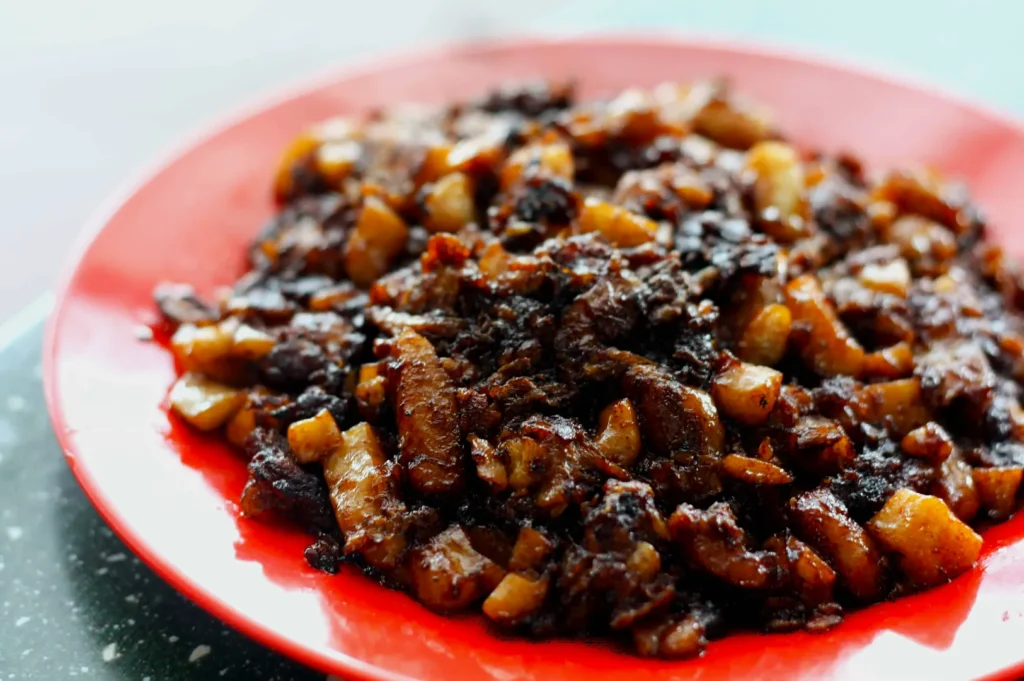
Singapore’s street food scene is vibrant and diverse. Dishes like carrot cake made from glutinous rice and served alongside fried tofu and crispy pork lard are beloved snacks, often garnished with bean sprouts or crunchy bean sprouts for added texture. You will also find rice cakes, oyster omelette, and fresh seafood prepared with garlic butter or chili sauce at the best hawker stalls. Popular seafood dishes include chili crab and black pepper crabs, both signature highlights of Singaporean cuisine.
Noodle dishes are a staple, with laksa standing out as a favorite that combines Chinese and Malay flavors. Laksa features rice noodles or flat rice noodles in a spicy coconut milk broth, often topped with fish cake and fried fish. Char Kway Teow is another beloved stir-fried noodle dish made with flat rice noodles, pork fat, Chinese sausage, shrimp, and bean sprouts or crunchy bean sprouts, all cooked over high heat for a smoky flavor. Hokkien Mee and other noodle dishes also commonly include bean sprouts for freshness and crunch.
Nasi lemak is a traditional Malay dish consisting of flavorful rice cooked in coconut milk, served with sambal, anchovies, peanuts, fried fish, and fish cake as common accompaniments. Satay, a dish of skewered and grilled meat served with peanut sauce, is popular in Singapore and influenced by Indonesian cuisine. Beef rendang, a rich and aromatic dish, is also widely found at hawker stalls.
Bak kut teh, also known as ‘meat bone tea’, is a comforting soup made with pork ribs cooked in a flavorful broth of herbs and spices, traditionally enjoyed with Chinese tea and fragrant, flavorful rice. Roti prata, a flaky flatbread with Indian origins, is commonly served with curry in Singapore. The best hawker stalls across the city are renowned for serving these iconic dishes, making them must-visit destinations for food lovers exploring food Singapore.
For those looking to explore these flavours beyond first impressions, platforms such as SG Dining Guide offer a deeper look into Singapore’s evolving food culture—bridging traditional hawker heritage with modern dining experiences.
Conclusion: Join a Food Tour to Taste Singapore's Culinary Soul
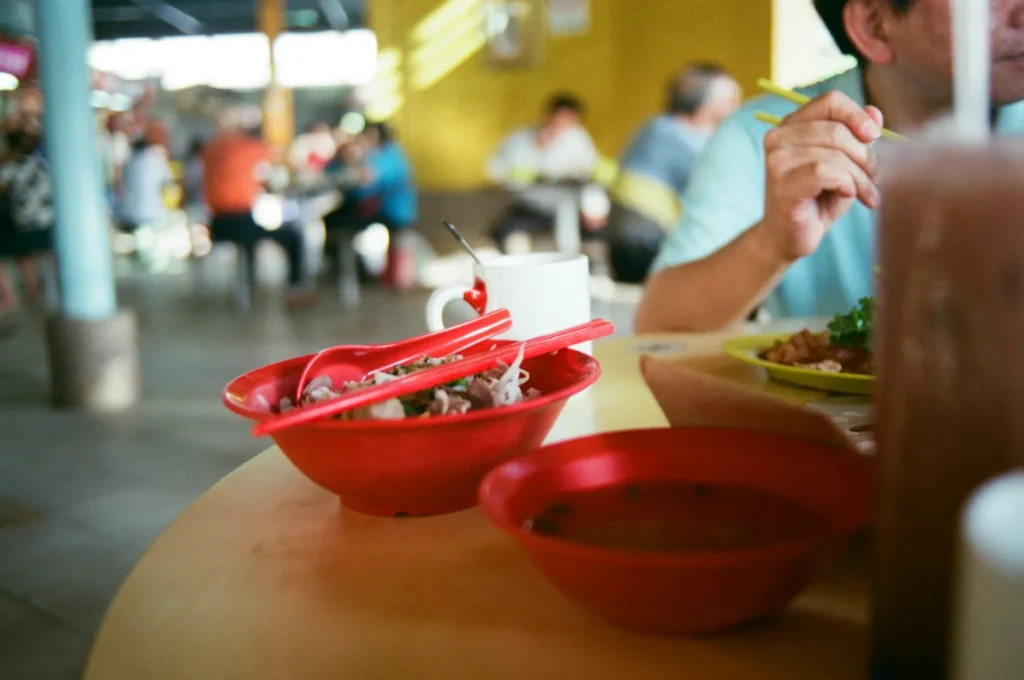
To truly understand food Singapore style, you must observe the context, not just the cuisine. Our food habits are shaped by pragmatism, a desire for value, and a deep-seated need for community. It is a system built on efficiency, from the tissue packet reservation to the acronym-heavy drink orders. By adopting these Singapore local eating habits, you stop being a spectator and start participating in the real, delicious rhythm of our city. Eat where the uncles eat, queue where the locals queue, and you will find the soul of Singapore on a melamine plate.
Ultimately, food in Singapore is not found in a single dish, but in the collective rhythm of daily life, from hawker queues to shared tables and trusted flavors passed down through generations.
For visitors, joining a food tour is one of the best ways to experience the incredible variety of hawker centres, restaurants in Singapore, and street food that define our culinary landscape. From the iconic hainanese chicken rice at Maxwell Food Centre to the irresistible chili crab and savory flavors of char kway teow, a guided tour will awaken your taste buds to the authentic tastes of Singapore.