The first time I walked into a Korean dessert café in Singapore, I made a rookie mistake. I ordered the biggest, most colourful bingsu on the menu, took about twenty photos of it, and by the time I picked up my spoon, the beautiful snow ice had collapsed into a soupy puddle of sweet milk. My friends laughed. I learned. And that single melted bowl sent me down a delicious rabbit hole of understanding just how varied, and genuinely fun, this corner of our dining scene really is. Korean desserts is a whole other level from your usual Korean cuisines you see in Singapore.
Here is the thing I wish someone had told me back then: Korean dessert cafés are not all the same. They are not all about bingsu, and they are definitely not interchangeable. Once you understand the different types, from royal court-inspired traditional desserts to modern Korean creations like stuffed croffles and pancake-style hotteok, you can match the café to your mood, your weather, and your company. So let me walk you through it the way I would explain it to a friend over a shared box of injeolmi bingsu, careful to enjoy every bite before the snow ice melts.
What Actually Counts as a Korean Dessert Café? Understanding Korean Desserts
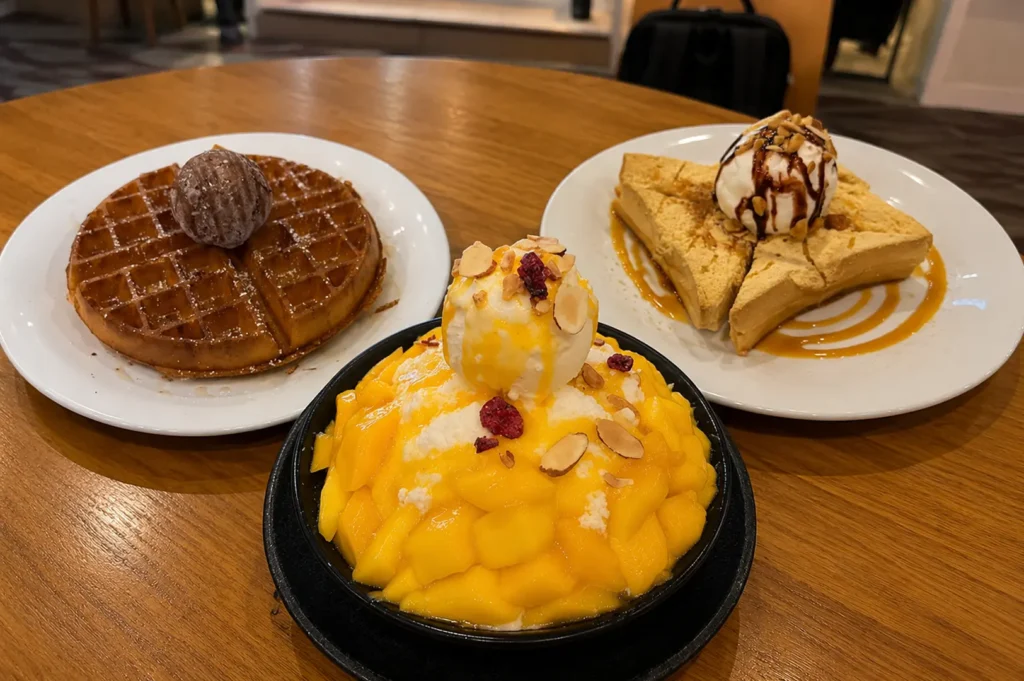
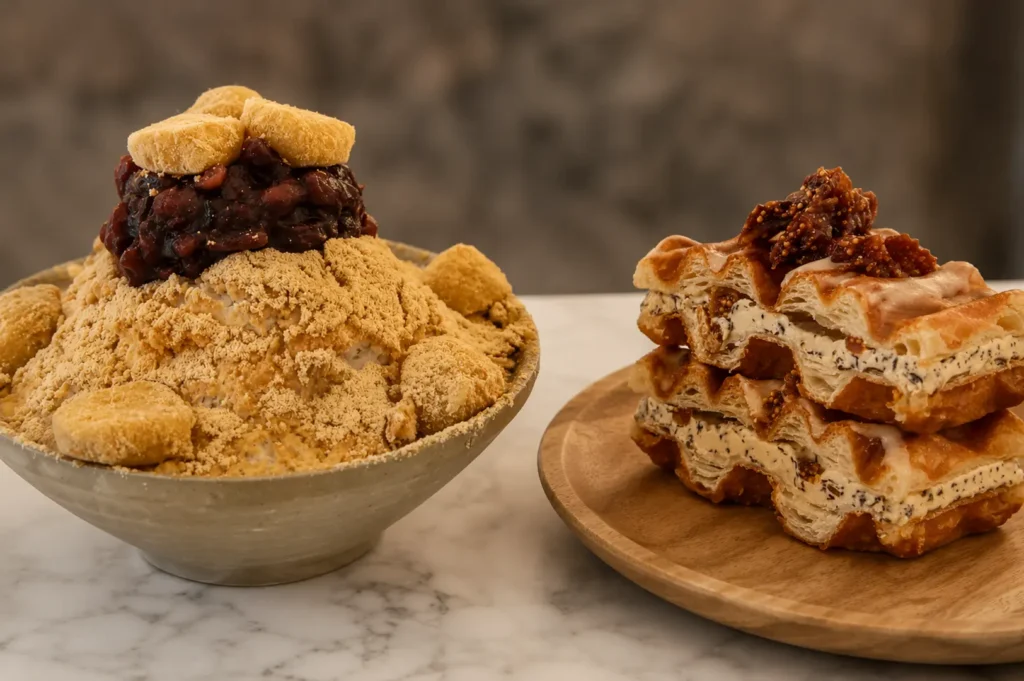
When people say “Korean dessert café,” they usually picture a bowl of shaved ice piled high with fruit. And yes, bingsu is still the most recognisable item by a mile. It is made with finely shaved frozen milk rather than plain ice, which gives it that soft, snow-like texture that melts on your tongue. You will find flavours like injeolmi (a nutty soybean powder classic), mango, strawberry, matcha, Oreo, Milo, durian, and sweet red bean across most menus.
But here is where it gets interesting. The category has grown well beyond shaved ice. A Korean dessert café today might be a bakery café serving garlic cream cheese buns and loaded bagels, a croffle spot turning out crisp croissant-waffle hybrids, or a drink-focused café pouring dalgona lattes and sweet potato lattes. Some cafés even pair bingsu with savoury comfort food like tteokbokki and kimbap. So when you are deciding where to go, the first question is not “which café,” but “what kind of café.”
The Main Types of Korean Dessert Cafés: From Traditional Korean to Modern Korean Desserts
Let me break down the six types I keep returning to, and who each one suits best.
Bingsu and Shaved Ice specialist cafés
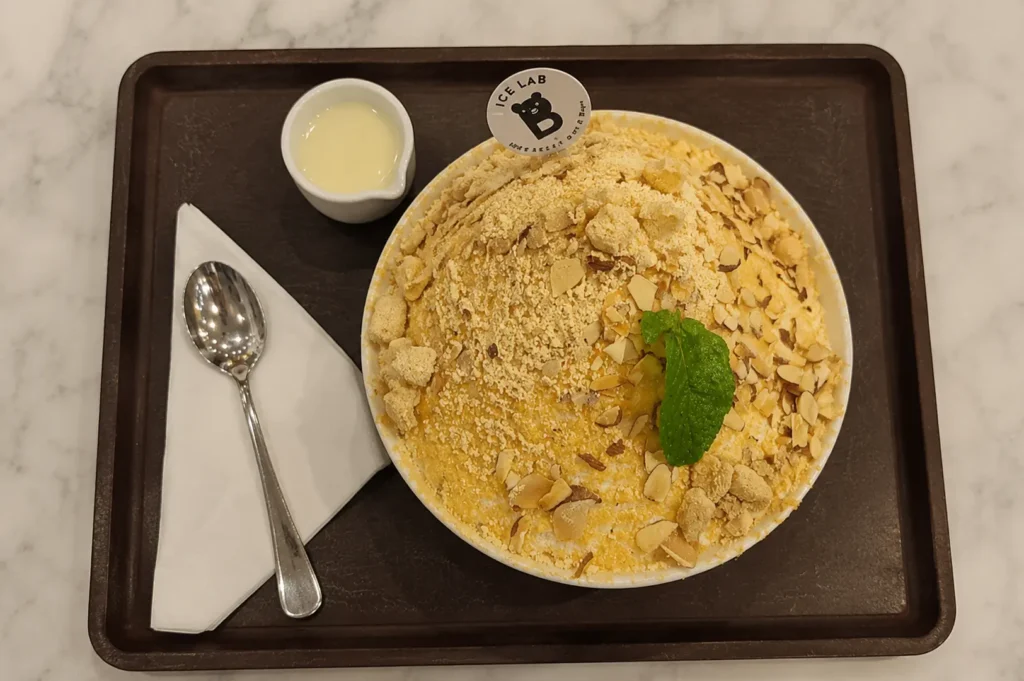
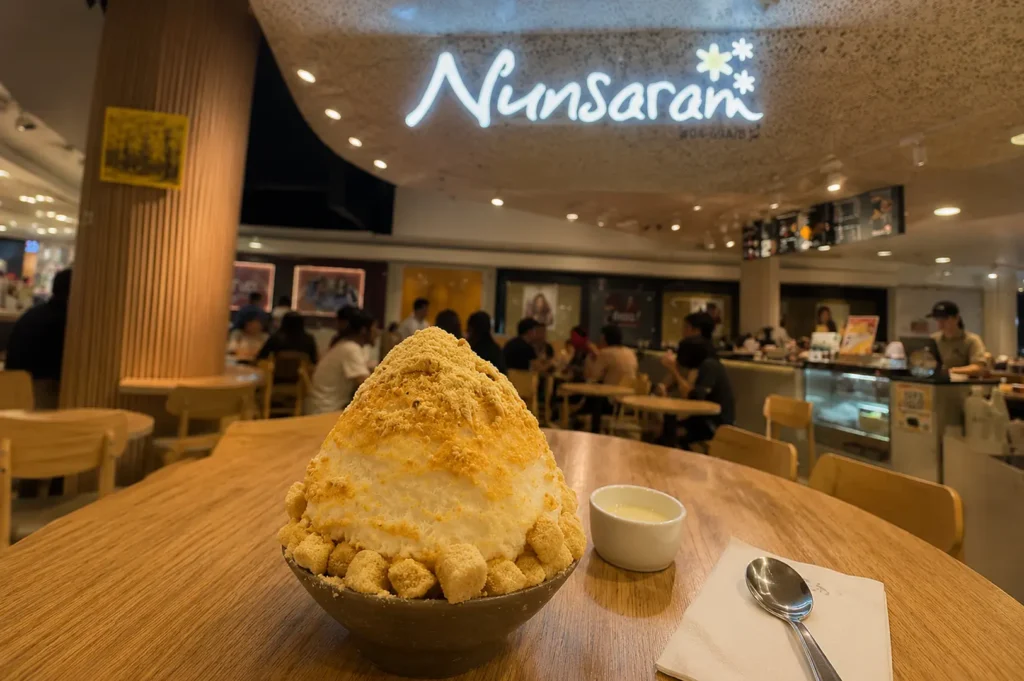
These live and breathe shaved ice desserts made from finely shaved milk ice that is creamy and refreshing. Spots like Nunsaram, Ice Lab, and O’ma Spoon fall here. Their bingsu often features toppings such as fresh strawberries, sweet red bean paste, nuts, and chewy korean rice cakes (tteok). They are perfect for cooling down on a brutal Singapore afternoon, sharing dessert with friends, or rounding off a casual group catch-up. If shaved ice is what your taste buds crave, start here.
Korean bakery cafés.
This is the closest you will get to that Seoul bakery experience without a plane ticket. Think garlic cream cheese buns, scones, cakes, and cream pastries made with wheat flour and traditional recipes. These suit slower afternoons, brunch outings, or a quick takeaway pastry run, and a beautifully finished cake also works well for special occasions. The bakery items often balance mildly sweet flavors with fillings like sweet red bean or honey, offering an authentic taste of Korea’s baking heritage through desserts inspired by Korean ingredients and recipes.
Croffle and waffle cafés.
Croffles are croissant dough cooked like a waffle, so you get buttery layers with a crisp finish, usually topped with cream, fruit, ice cream, or syrup. I love these when I want something warm rather than icy. They are a lovely middle ground between traditional korean desserts and modern korean desserts.
Korean coffee and drink cafés.
Here the focus tips towards drinks: dalgona lattes made with baking soda to create that signature frothy texture, sweet potato lattes, Einspänner-style cream coffee, and fruit ades. Cafe BomBom, a large Korean chain with a Singapore outlet near Bugis MRT station, leans this way with items like dalgona bingsu and sweet potato latte. Ideal for a coffee break that happens to come with a sweet edge.
The Fears and Misconceptions Worth Clearing Up About Korean Desserts Singapore
Let me tackle the things I hear most often, because a few of these tripped me up too.
“Don’t they all serve the same thing?” No, and assuming so is how you end up disappointed. A bingsu specialist is a completely different experience from a bakery café or a late-night fusion café-bar. Check the menu before you travel across the island.
“Isn’t bingsu just ice kacang with Korean toppings?” I used to think this, and I was wrong. Both are shaved ice desserts, but bingsu uses finely shaved milk ice for that creamy, fluffy texture, while ice kacang is built on local shaved ice with syrup, red beans, jelly, and attap chee. They are cousins, not twins.
“The biggest bowl is the best value, right?” Not necessarily. A good bingsu depends on ice texture, fresh toppings like sweet red bean paste and fresh strawberries, a delicate balance of sweetness, and whether it still tastes good after several bites. The first bite should feel light in the mouth, not heavy with syrup. A huge bowl loaded with cereal and syrup gets tiring fast. I would rather pay for a smaller, well-made bowl than a giant mediocre one.
“Are they all halal?” No. Some Korean dessert cafés are halal-certified or Muslim-owned, and guides often point to options like Sweet Reservations. But certification can change, so always verify the current status before you go, and watch for gelatin or alcohol-based flavourings.
Pro tip: Eat your bingsu within the first few minutes. Take your photos quickly, then mix and dig in before the milk ice collapses. Trust me, the difference between fresh and melted bingsu is night and day.
How to Choose the Right Café: Opening Hours, Location, and Menu
When friends ask me where to go, I run through four quick filters: mood, weather, area, and occasion.
Step one, decide your dessert type. Hot and sticky day? Bingsu or shaved ice. Want a light snack? A croffle or pastry. Craving the full café experience? A bakery café. Late-night dessert after dinner? A fusion café-bar. Big group sharing? A large bingsu or dessert platter.
Step two, check the area and opening hours. Tanjong Pagar is brilliant for Korean food clusters and late-night café-bars. Bugis is accessible and youth-friendly, especially near MRT stations like Somerset and Bugis. Orchard and Somerset are great for mall cafés and group meetups. Jalan Besar and Kampong Glam lean trendier for café-hopping. Beauty World has smaller neighbourhood-style finds.
Step three, read the menu first on the café’s website or social media. Some cafés are bingsu-focused, others only have a small dessert section. A two-minute menu check saves a wasted journey.
Step four, match the café to the occasion. Family dessert suits a mall-based bingsu café. A date calls for a quieter lifestyle café. After Korean BBQ, pick a bingsu place nearby. For Muslim diners, confirm halal status first.
The Practical Side: Prices, Timing, and Ordering
Here’s a quick overview of what to expect when ordering Korean desserts in Singapore:
Standard bingsu bowls typically range from SGD 14 to 24, with premium fruit or durian varieties going up to SGD 28 to 35.
Budget-friendly options like Sweet Reservations offer bingsu starting around SGD 6.90.
Croffles are priced between SGD 5 to 8 for plain and SGD 8 to 14 with toppings.
Fatcarons usually cost around SGD 4 to 7 each.
Drinks such as dalgona or sweet potato lattes fall in the SGD 6 to 9 range.
Weekday afternoons (2pm to 4pm) are ideal for a quieter café experience.
Popular bingsu cafés tend to be busy on weekends, especially from 2pm to 6pm.
Bring a card or mobile payment option as many cafés are cashless.
Wet wipes are useful when sharing sticky desserts like muah chee or injeolmi.
Quality Indicators and Red Flags in Korean Desserts Singapore
After enough visits, you start reading the signs. Here is what I look for.
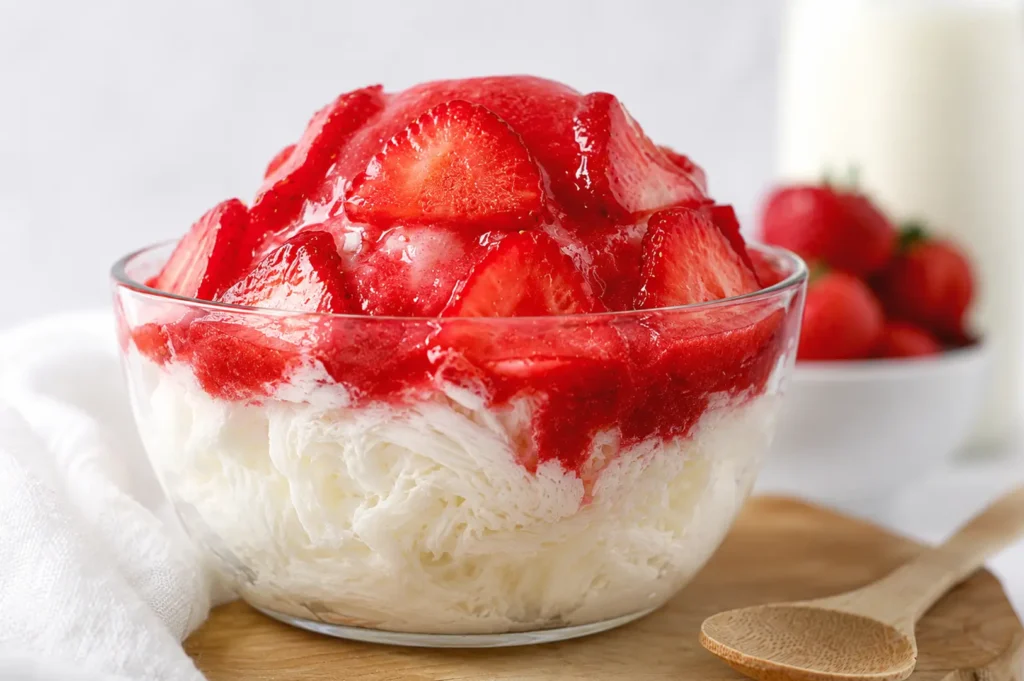
For bingsu and shaved ice, good signs are fine, snow-like shaved ice, balanced sweetness, fresh fruit like strawberries and watermelon, and toppings spread throughout rather than just sitting on top.
Price-wise, common picks include O’ma Spoon’s Fresh Strawberry Bingsu at $18.90, Nunsaram’s Strawberry Bingsu at $13.90, Nunsongyee’s Injeolmi Bingsu at $14.90, and Banana Tree’s Pot Bingsu at $12.50, while Plan A’s Cookies & Cream Bingsu starts at $8.50. Nunsaram also carries flavors such as Injeolmi and Oreo. Red flags are bingsu that melts into watery milk too fast, dull or sour-looking fruit, and bowls that are mostly cereal and whipped cream with little substance.
For bakery cafés, freshly baked pastries with good butter aroma and steady replenishment through the day are what you want. Beautiful display but stale taste is the classic trap. Fatcarons are best when filled properly, and Haengbok Cakeyo’s Fatcarons filled with double cream for S$18 are a useful benchmark. Visit earlier for the freshest pickings.
For croffles, they should arrive warm and crisp. A soggy, room-temperature croffle has lost the plot. Eat ice-cream-topped ones immediately.
For lifestyle cafés, the honest test is whether the food matches the décor. I have walked into stunning spaces with average coffee and overly sweet desserts more times than I would like to admit. My lesson learned: check whether regulars mention the taste and texture, not just the interior. A café built only for photos, with cramped seating and unclear topping prices, is usually a let-down.
Final Thoughts on Korean Desserts Singapore
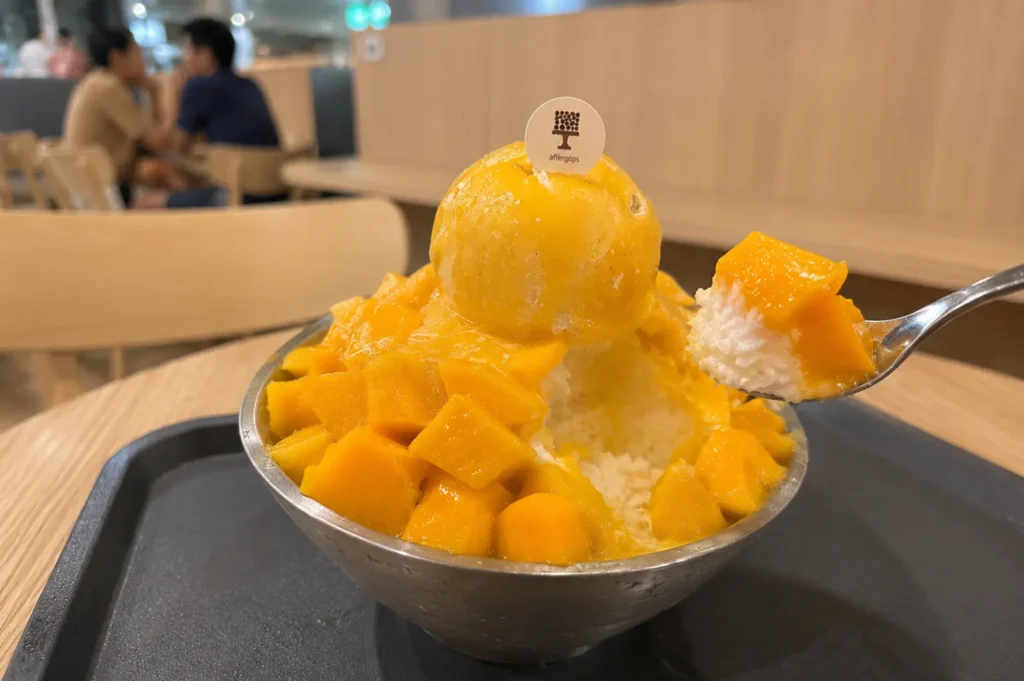
Korean dessert cafés in Singapore are far richer and more varied than that first melted bowl of mine suggested. Once you know the difference between a bingsu specialist, a bakery café, a croffle spot, a lifestyle café, a drink-led café, and a hybrid snack-dessert café, you stop guessing and start choosing well. My honest advice: start with a classic injeolmi or mango bingsu to understand the format, eat it fast, share generously, and always check the menu and halal status before you travel.
Most of all, treat it as part of your own culinary journey. Half the joy is the discovery, the photos, and the shared experiences with the people around your table.
If you enjoyed this guide and want more honest, practical takes on where and what to eat across the island, head over to SG Dining Guide for more articles like this one.
Your next sweet adventure is just a spoonful away.