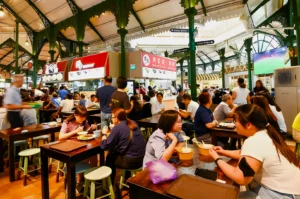
In recent years, the aroma of fermented cabbage and spicy chili paste has become as familiar in Singapore as the scent of Hainanese chicken rice. The explosion of Korean culture, driven by the global Hallyu wave, has done more than just dominate our playlists and screens; it has fundamentally altered our pantries. The korean mart in singapore scene has evolved from a niche market catering to expatriates into a vibrant, essential component of our island’s food ecosystem. From the shelves of specialized marts to the aisles of major supermarkets, the availability of authentic Korean ingredients signifies a culinary shift. Many of these products are imported directly from Korea, ensuring their authenticity and true Korean origin.
Popular grocery items in Korean supermarkets include instant noodles, snacks, soju, fresh and frozen meats, sauces, kimchi, and Korean beauty products. Korean products available for purchase include food items like kimchi, ramen, and snacks. This isn’t just about the popularity of K-drama; it is about how Korean ingredients Singapore residents now rely on have seamlessly integrated into our multicultural dining landscape.
The Foundation: Essential Korean Staples at Your Favorite Korean Mart in Singapore
At the heart of any korean mart in singapore lies the “jang” (fermented sauces) and the ubiquitous kimchi. Understanding these foundational elements is key to navigating the aisles. Kimchi Singapore consumers seek out today goes far beyond the standard Napa cabbage variety. Discerning shoppers now look for kkakdugi (radish kimchi), oi sobagi (cucumber kimchi), and even fresh, unfermented geotjeori. These are not merely side dishes but cultural markers of flavor depth and fermentation science.
Equally critical is Gochujang Singapore home cooks are learning to master. This thick, savory-sweet red chili paste is the backbone of countless dishes, from tteokbokki to bibimbap. Quality markers to look for include the ratio of chili powder to fermented soybean, with premium brands offering a deeper, more complex umami profile. Alongside gochujang sits doenjang (fermented soybean paste), an earthier, saltier cousin essential for stews, and gochugaru (Korean chili flakes). Unlike generic chili powders, gochugaru offers a specific sun-dried smokiness and varying heat levels that define the authentic red hue of authentic Korean food Singapore loves.
When it comes to pantry staples, noodles are a must-have. Ramyeon is a perennial favorite, and ramen—particularly instant noodles—is widely available in Korean marts in Singapore, offering a quick and satisfying meal option for busy households.
As Korean ingredients become increasingly accessible, they are not only transforming home cooking but also shaping more intimate dining experiences across the city. This shift is reflected in curated concepts such as Intimate Dining Singapore: Best Private Dining Rooms for Memorable Gatherings, where thoughtfully prepared cuisine meets private, experience-driven settings.
Fresh and Refrigerated Selections: Check Out the Best Korean Products
Venturing into the refrigerated sections of a korean mart in singapore, one encounters a treasure trove of fresh ingredients that were once difficult to source. The selection of banchan (side dishes) has expanded dramatically, offering everything from seasoned spinach to stir-fried anchovies, allowing busy Singaporeans to recreate a full Korean table setting at home. Fresh produce is another area of growth, with items like distinctively broad perilla leaves, sweet and crunchy Korean pears, and stout Korean radishes becoming staples in local fridges.
For meat lovers, the precision of Korean butchery is a major draw. You can easily find high-quality cuts specifically prepped for barbecue, such as impossibly thin bulgogi-sliced beef and thick slabs of samgyeopsal (pork belly). The refrigerated aisles also boast an impressive array of tofu varieties—from silken blocks for stew to firm blocks for pan-frying—alongside specialized Korean dairy products. This availability of fresh, specific ingredients ensures that the K-food Singapore enthusiasts cook at home maintains the texture and flavor integrity of the dishes enjoyed in Seoul.
Pantry Essentials and Packaged Goods: Add These to Your Cart
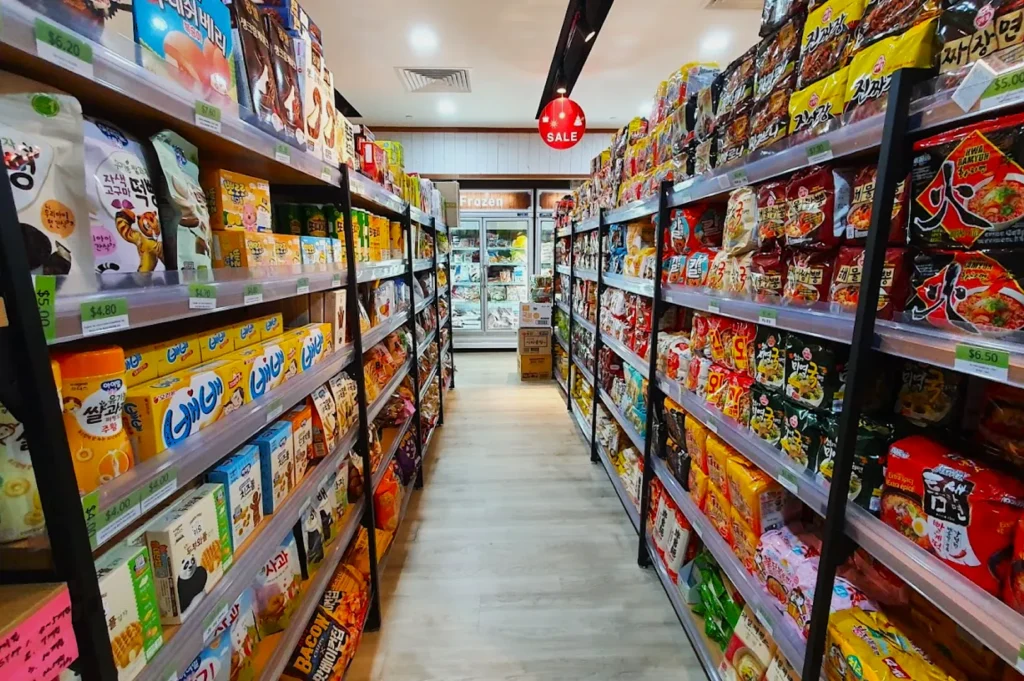
The dry goods section of any korean mart in singapore outlet is a testament to the country’s innovation in packaged foods. Noodle varieties dominate the shelves, ranging from the chewy, potato-starch noodles used for japchae to the buckwheat strands essential for naengmyeon (cold noodles). Of course, the vast wall of ramyeon remains a crowd favorite, offering flavors that go far beyond simple spice.
Beyond noodles, the pantry essentials include specific short-grain rice varieties that provide the necessary sticky texture for Korean meals. The sauce aisle is equally comprehensive, stocking essential condiments like toasted sesame oil—prized for its intense nutty aroma—various grades of soy sauce for soup versus stir-fry, and fruit vinegars. For snack lovers, the options are endless, from seaweed snacks to sophisticated tteokbokki kits that make cooking accessible. Beverages have also carved out a significant niche, with korean mart in singapore shelves lined with iconic banana milk, roasted barley tea, and an ever-expanding selection of makgeolli and soju flavors. Practical shoppers will also find specialized equipment here, such as stone pots (dolsot) for heat retention and the indispensable Korean kitchen scissors, proving that the hardware is just as important as the software in this cuisine.
Preferred Delivery Date and Convenience: Shop Korean Products from Home
Many korean marts in singapore now offer online shopping options, allowing customers to browse products, add items to their cart, and place orders directly from the comfort of their homes. This convenience includes the ability to select a preferred delivery date, ensuring that your Korean groceries arrive when it suits you best. Whether you are stocking up for a special Korean feast or simply replenishing your pantry staples, the efficient delivery services make it easy to enjoy authentic Korean flavors without leaving Singapore.
The Cultural Impact on Singapore's Food Scene and Your Rights as a Shopper
The proliferation of these products speaks to a deeper cultural integration. The demand for Korean ingredients Singapore is experiencing is not fleeting; it is a structural change in our dining habits. The Korean Wave may have sparked the initial interest, but the culinary merit of the food has sustained it. We are seeing a democratization of Korean cooking, where ingredients like gochujang are being used in non-traditional ways, finding their way into marinades for local barbecue or fusion pasta dishes.
The growth of korean supermarket singapore chains into neighborhood heartlands means that these ingredients are no longer exclusive to the central districts. This accessibility supports a growing community of home cooks—both locals and expats—who are serious about replicating authentic Korean food Singapore style. It fosters a cross-cultural exchange where a Singaporean grandmother might now keep a tub of kimchi next to her jar of sambal, illustrating how food bridges cultural divides.
As a shopper, you have rights when purchasing from these marts, including clear information about products, transparent pricing, and reliable delivery services. Always check the terms and conditions when placing your orders, and ensure your rights are respected, especially when selecting your preferred delivery date or managing returns.
Conclusion
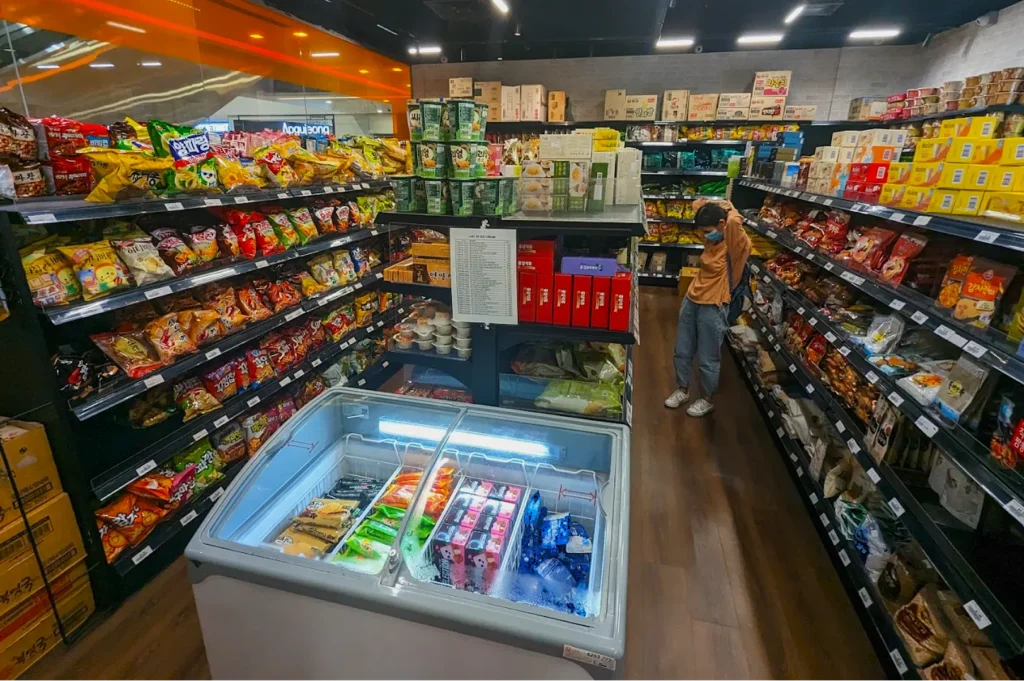
Singapore’s embrace of the Korean grocery landscape is a reflection of our open, curiosity-driven palate. We have moved past the phase of novelty into a period of deep appreciation and integration. With accessibility and authenticity now coexisting, the market for K-food Singapore is set to mature further. As consumers become more knowledgeable, we can expect even greater diversification of products, cementing Korean cuisine as a permanent, vibrant pillar of our national pantry.
As Singapore’s food culture continues to evolve, so too does the way people choose to dine—moving toward more personal, immersive experiences. For readers looking to explore how these ingredients translate into restaurant experiences, resources such as SG Dining Guide offer curated insights into Singapore’s evolving dining landscape.