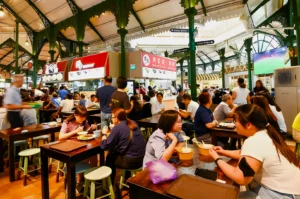
There is a beautiful shift happening in Singaporean kitchens. The vibrant, soulful flavors of Korean cuisine, once primarily sought out in restaurants, are now finding a permanent home on our dinner tables. More and more, I see friends and fellow food lovers enthusiastically embracing Korean home cooking Singapore style. This is not just about replicating a dish seen in a K-drama; it is a genuine embrace of a rich culinary tradition. The growing accessibility of authentic Korean items and a shared cultural curiosity have empowered us to move beyond being diners to becoming creators, turning the dream of authentic Korean cooking into a delicious, everyday reality.
As Korean cuisine becomes more deeply woven into everyday cooking, many home cooks turn to trusted resources such as Korean Mart in Singapore: From Kimchi to Gochujang to better understand where to find authentic ingredients and how to use them in their own kitchens.
The Heart of the Biggest Korean Supermarket Singapore Experience
When it comes to sourcing ingredients, the biggest Korean supermarket Singapore has to offer is a treasure trove for any home chef. These marts are tucked across the island, offering a wide variety of food items, from fresh produce and meat to popular snacks and instant noodles. Often referred to as a ‘Korean mart’, these specialized grocery stores focus on authentic Korean products, including traditional foods, banchan, and side dishes.
Whether you’re looking to shop for staple sauces like gochujang or pick up fresh vegetables for your bibimbap, these stores bring the heart of Korea right to your doorstep. Note that many of these Korean marts in Singapore also provide online shopping and delivery services, with free delivery often available for orders above a certain amount. Korean grocery delivery services allow customers to avoid crowds and shop from home, and orders placed on weekdays are typically delivered within 1-3 days.
Korean Snacks and Side Dishes to Elevate Your Meals
No Korean meal is complete without an array of side dishes or banchan. From spicy kimchi to savory pickled radishes, these small plates add depth and flavor to any spread. Korean snacks like rice cakes, seaweed chips, and sweet treats are also widely available in these marts, perfect for a quick bite or to complement your meals. Popular items such as dumplings and seasoned soju are also staples that you can easily shop for, whether you’re planning a casual night in or a festive gathering on a Friday or Saturday.
Sol Mart: A One-Stop Korean Supermarket for All Your Grocery Needs

Sol Mart is pretty much your one-stop shop for Korean groceries in Singapore, known for its extensive selection of groceries and fresh ingredients. From freshly flown-in produce and a well-stocked butchery section to a wide range of snacks and drinks, Sol Mart caters to both everyday cooks and gourmet enthusiasts.
Sol Mart has been in Singapore since 2002 and currently operates 4 physical stores.
The store’s reputation for quality and variety makes it a popular destination for those looking to find authentic Korean food items and products all under one roof.
Butcher's Dining: Premium Korean Meat and More
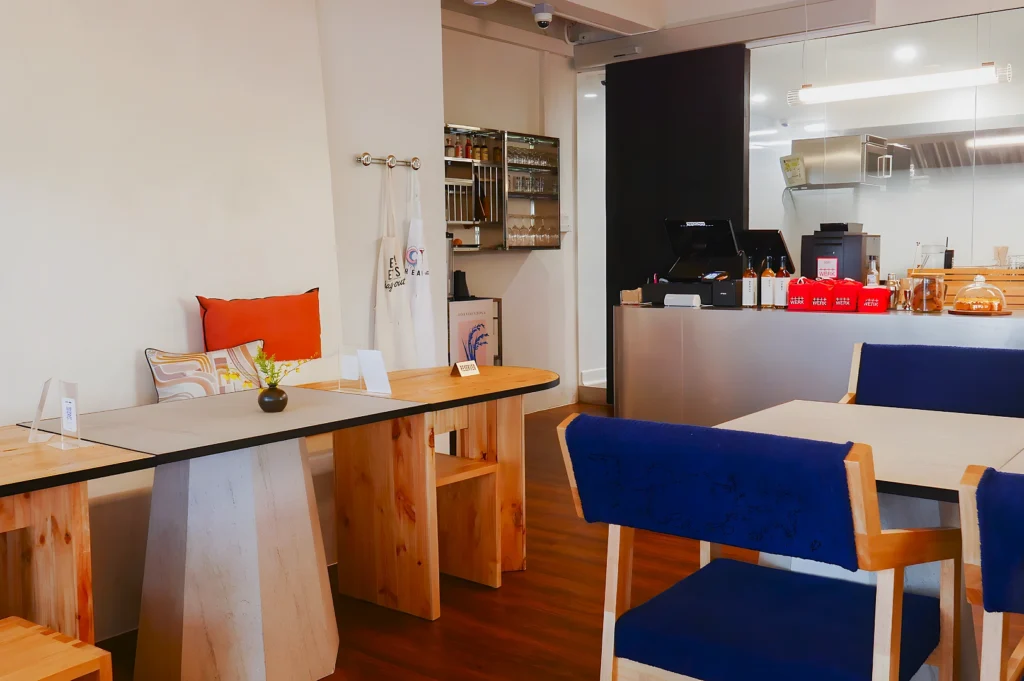
For those seeking premium cuts and specialty meat products, Butcher’s Dining offers a curated selection that brings the best of Korean butchery to Singapore. This unique store combines the traditional mart experience with gourmet options, including rare cuts and carefully prepared food items perfect for Korean BBQ or home cooking. Alongside high-quality meat, you can also find complementary side dishes and sauces to complete your meal.
Chorok Market: Fresh Produce and Ready-to-Eat Korean Delights

Located in the heart of Singapore, Chorok Market is a must-visit for fresh produce and authentic Korean groceries. Known for its seasonal fruits and vegetables air-flown directly from Korea, Chorok Market also offers a variety of ready-to-eat dishes such as dumplings and frozen meals that make cooking at home convenient. Whether you’re stocking up for the week or looking for specific korean snacks and food items, this market provides a comprehensive selection to check out.
Essential Korean Cooking Techniques and Popular Items
Before diving into specific recipes, understanding a few core Korean cooking techniques is key. The soul of the cuisine lies in fermentation. Mastering the balance of jang (fermented sauces) like gochujang and doenjang is fundamental. This is less about exact measurements and more about tasting and adjusting to achieve that signature deep, savory, and slightly sweet flavor profile.
Proper rice preparation is another non-negotiable. Korean meals revolve around short-grain rice, which requires careful washing until the water runs clear, followed by a soaking period to ensure a fluffy, sticky texture. The art of banchan is also central to Korean cooking at home. The trick is efficiency—blanching several types of vegetables at once or making a versatile seasoning base that can be used for multiple dishes. Ultimately, Korean cuisine home cooking is about layering flavors with intention, managing heat to get the perfect sear on your bulgogi, or a gentle simmer for your stew.
For those looking to explore these ingredients further, guides offer a helpful overview of where to source authentic products and how to incorporate them into everyday cooking.
Weeknight Korean Meals for Singapore Homes
Bringing Korean food into your weekly rotation does not have to be complicated. Many classic Korean recipes Singapore homes can adopt are surprisingly flexible and quick. Bibimbap, for example, is the perfect customizable meal. You can use whatever vegetables you have on hand, top it with a fried egg, and tie it all together with a generous dollop of gochujang. Kimchi fried rice is another go-to comfort food, brilliantly transforming leftover rice and aged kimchi into something deeply satisfying in under 20 minutes.
For a nourishing one-pot meal, a simple doenjang jjigae (soybean paste stew) is hard to beat. It is a hearty, flavorful stew that comes together quickly with just a few core ingredients. If you are looking to get ahead, japchae (glass noodle stir-fry) is an excellent candidate for meal prep; you can prepare the components separately and assemble them when ready. Even bulgogi, which sounds impressive, simply requires a good marinade made from pantry staples like soy sauce, garlic, and sesame oil. Marinate the meat overnight, and it cooks in minutes on a hot pan, making it a perfect weeknight treat for any Korean home chef Singapore has.
Adapting Korean Recipes to the Singapore Context
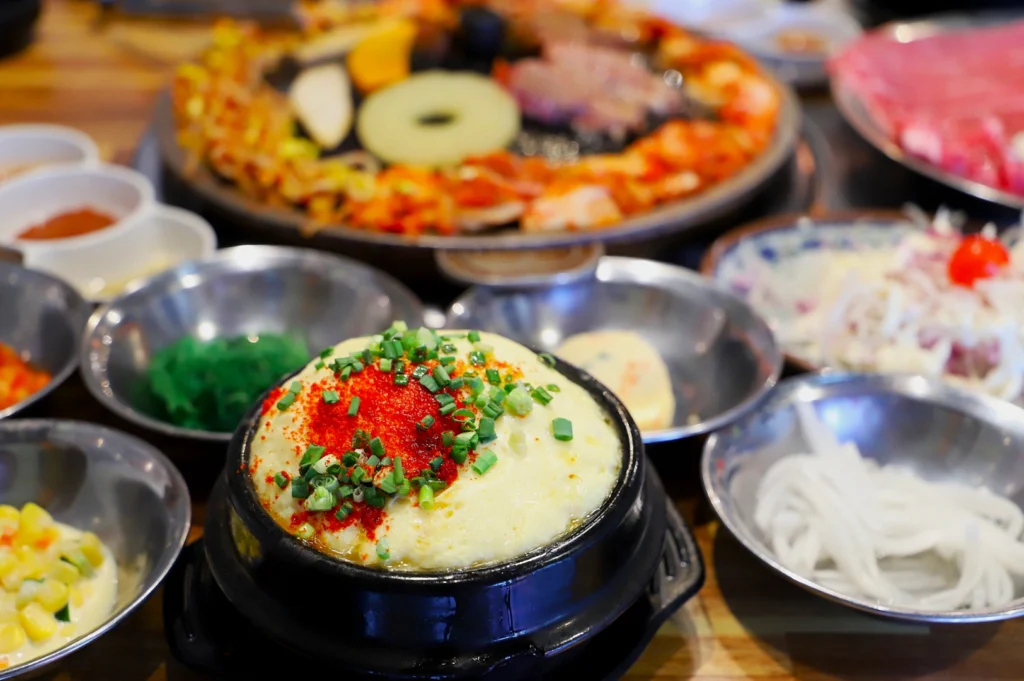
A crucial part of successful Korean home cooking Singapore style is adaptation. While Korean marts are now widespread, you might not always have the exact ingredient a recipe calls for. Do not let that stop you. If you cannot find Korean radish, a daikon will work in a pinch. If a specific vegetable is out of season, substitute it with a local green like choy sum.
Adjusting spice levels is also important. Authentic Korean food can be fiery, so feel free to reduce the amount of gochugaru (chili flakes) or gochujang to suit your family’s palate. Our tropical climate also presents unique challenges for storage and fermentation. Kimchi might ferment faster on your countertop than a recipe suggests, so taste it regularly. When it comes to portioning, many traditional recipes are designed for larger families, so feel comfortable scaling them down for smaller Singapore households. The beauty of Korean cooking at home is making it your own.
Building Your Korean Kitchen Arsenal
Setting up your Korean kitchen Singapore does not require a massive investment. A few key pieces of cookware will make a significant difference. A stone pot (dolsot) is fantastic for stews as it retains heat beautifully, while a good non-stick pan is essential for everything from pan-frying tofu to making pancakes. And do not underestimate the utility of a pair of Korean kitchen scissors for cutting everything from noodles to kimchi directly in the pot.
Your pantry is your most powerful tool. Start with the holy trinity: gochujang, doenjang, and soy sauce. Add to that sesame oil, rice vinegar, and gochugaru. Decide when to make things from scratch and when to buy prepared items. For instance, you might choose to buy kimchi initially while you get comfortable with the basics. Store your fermented products in the fridge to slow down the aging process, and keep dried goods like seaweed and anchovies in airtight containers to protect them from humidity.
Conclusion
Embracing Korean home cooking Singapore style is more than a trend; it is a joyful expansion of our already diverse food culture. The accessibility of ingredients and information has empowered a new generation of home chefs to explore these authentic flavors with confidence. As Korean cuisine continues to weave itself into the fabric of our daily meals, it enriches our understanding of food and community.
As interest in Korean home cooking continues to grow, many readers turn to trusted local resources such as sgdiningguide.com.sg to discover where to find authentic ingredients, recommended Korean marts, and curated food experiences across Singapore.