Imagine this. On a recent weekday morning, Mr Lim found himself pausing at the hawker centre’s tray return station, scanning yet another new sign about group size and other dine in rules Singapore diners know all too well. Just last month, the requirements were different, and now, even as the roast chicken rice aroma drifted in the air, the rhythm of dining felt unfamiliar again. His confusion, shared by many, hints at a bigger truth: in Singapore, dining is never just about the food, it’s where official regulations and lived culture intersect, sometimes in the most surprising ways; SG Dining Guide.
This is the spirit of Singapore’s food scene: efficient, orderly, but alive with local colour. It’s why a meal is more than sustenance. Getting things right at the table, whether you’re a local or a guest, means staying aware of the explicit dine in rules, group size limits, and establishment guidelines; but also reading the room, understanding the unspoken etiquette, and appreciating why it all matters. So, what does it really mean to dine out in Singapore now, when rules and local customs often blur together? Let’s pull up a seat and find out.
Dine In Rules as Cultural Mirror: How Regulations Reflect Singapore’s Values
There’s something uniquely Singaporean about the way our dine in rules have evolved; precise, rapid, and always watching out for the greater good. Whether the regulations called for only groups of up to five people, or had special policies on who could gather (family, colleagues, or friends) the motivation was clear: keep establishments open, keep diners safe, but never lose that pulse of social connection at the table.
Ask anyone who’s juggled group size limits or adjusted plans when only small group gatherings were allowed, and you’ll hear stories loaded with resilience and a touch of resigned good humour. Singaporeans get it, rules are part of life here, whether waiting for seats at hawker centres, noticing staff gently reminding customers of the latest requirements, or watching for signs that mark the spacing of tables. It’s not just about compliance; it’s about respect and collective responsibility.
Some might see endless reminders about group size or restrictions around only groups of certain sizes as a hassle, but for many locals, they’re a sign that establishments can remain open in uncertain times. If there’s one thing the past has made clear, it’s that rules, whether about group gatherings, safe distancing, or when only groups from the same household could dine, reflect a culture that values both individual dining pleasure and the well-being of the country’s community as a whole. It’s a balancing act, and it’s what keeps Singapore’s food culture vibrant and everyone at the table.
Table Manners: Where Formal Dine In Rules Meet Local Customs
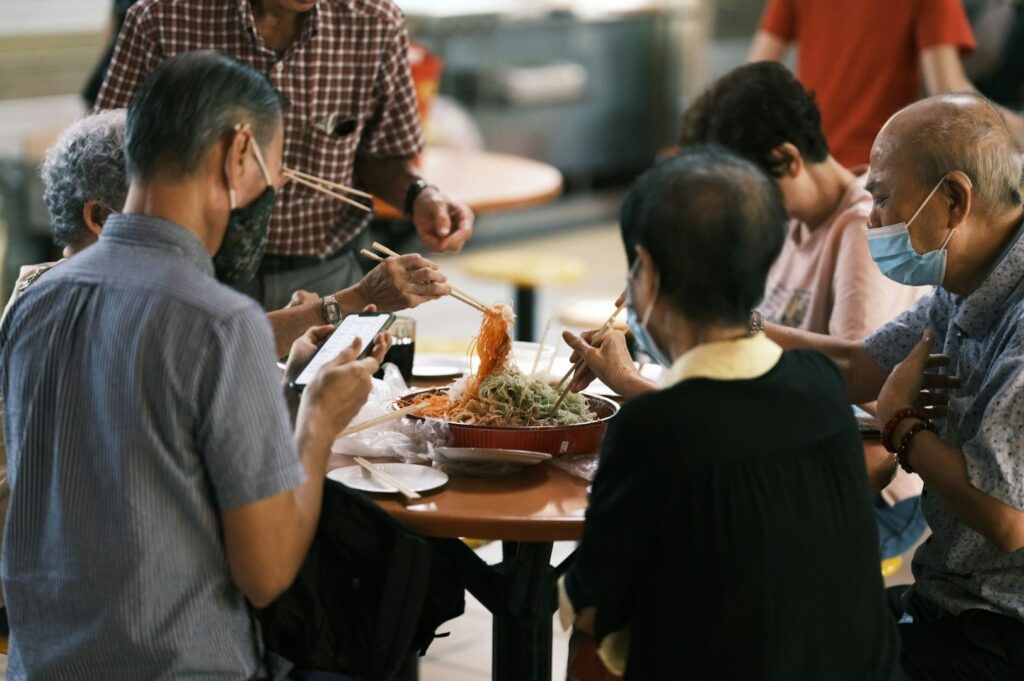
If you’ve ever hesitated before lifting your spoon at a friend’s dinner, you know that table manners in Singapore go miles beyond posted guidelines. Formal dine in rules, the things that might get you in trouble if ignored, merge almost seamlessly with softer, though equally important, dining etiquette.
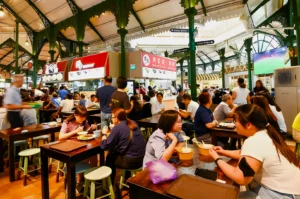
Walk into hawker centers or smart restaurants and you’ll spot both regulatory signs and the subtler choreography of local customs. One’s about what you must do: checking in, waiting to be seated (especially if you’re a guest), and not crowding the table, especially when only up to five people are allowed. The other is about what you should do: waiting until everybody has been served, deferring to the host, and treating all diners with a certain understated respect.
It’s not just about the meal, or the first dish; timing is everything. The host typically signals when it’s time to start, everyone holds back from talking with their mouth full, and parents quietly teach children the basics of Singapore’s unique brand of dining etiquette. These small details, waiting, listening, treating others well, are what truly transform a dish from food into a shared experience. In Singapore, etiquette is part of the meal itself, quietly guiding the guests, the family, and every person at the table.
The Unspoken Rules: Cultural Nuances Every Diner Should Know
Singapore’s dining scene isn’t just regulated by law, but woven through with unspoken codes. A local can spot someone “not from here” by the way they navigate a table, so here are a few essentials every diner, local or otherwise, should be aware of.
Communal Dining Etiquette
If you’re at a big family celebration or sharing communal dishes at a Chinese restaurant, it’s practically a rite of passage. The serving spoon is your friend. Never, ever use your own chopsticks, fork, or spoon to dig directly into communal food; the serving spoon is essential to keep things hygienic and polite. Double dipping, that is, taking a bite and dipping back into the shared dish, is a definite faux pas, not just for hygiene but for the respect of fellow guests. The same goes for other unwanted organic matter (think bones, used napkins, or food that’s been in someone’s mouth) which should never make their way onto shared plates.
Soup Spoon Etiquette
The soup spoon, often ceramic and deep, has its own etiquette. For Chinese soups, sip gracefully by bringing the spoon to your mouth, never the other way around. When it comes to Western soups, tradition prefers you scoop away from yourself, quietly using the right tool, a small point but one that speaks volumes about local customs and attention to detail. The rice bowl is another hub of etiquette. Bringing the bowl towards you, never leaving your chopsticks sticking up, which, as every local will tell you, signifies bad luck in Chinese culture, and moving methodically, from dish to rice to mouth, are all ways to show consideration for others and for tradition.
Chopsticks and Cutlery
Few utensils say as much about a person’s upbringing in Singapore as chopsticks. Never use them to point at another person; don’t stick them vertically into rice. When eating fish, always start from the top, eating layer by layer, and never flip the fish, especially in Chinese culture, where this act is believed to bring bad luck, a caution shared across generations. Knowing when to use your right hand or left hand also matters in some family traditions or when partaking in Malay or Indian meals, where eating with the right hand is preferred. Cutlery placement, resting your spoon and fork together on the plate, quietly signals to wait staff that you’re done. These cues are part of the way Singaporeans treat each other at the dining table, turning even a casual meal into a lesson in respect.
Dress Code: What Most Restaurants Require
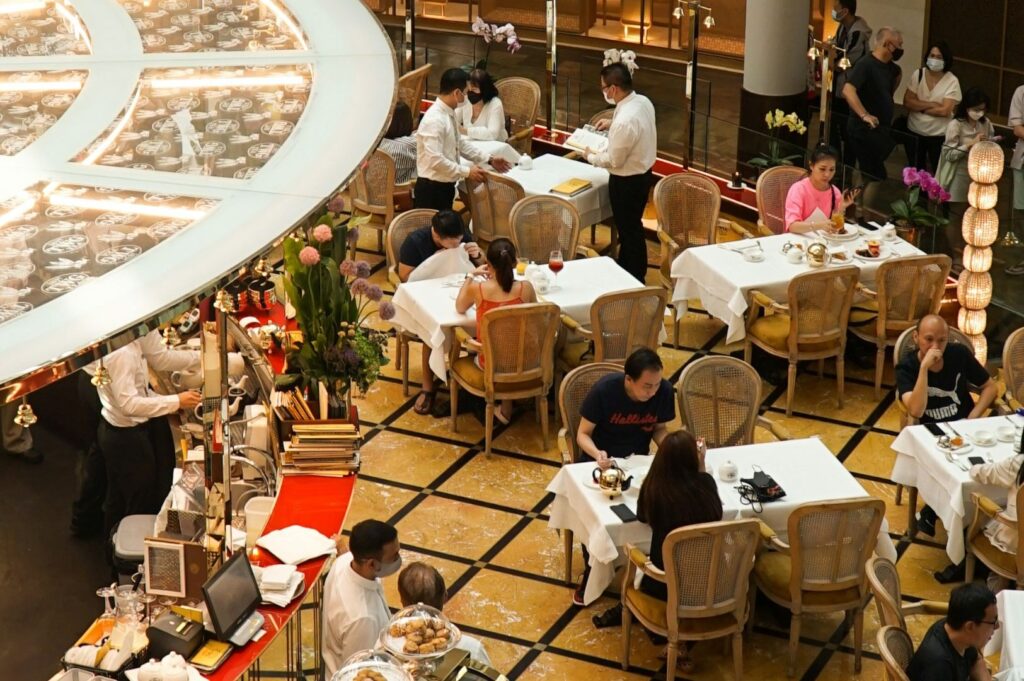
Swing by a hawker centre and you’ll see shorts, flip-flops, and comfort coming first. But step into most restaurants, and especially hotel establishments, and the tone changes quickly. Dress code rules move from casual to smart casual, think collared shirts, smart shoes, and even formal, depending on the venue. It’s always the easy way to plan ahead: check your reservations or the establishment’s website before heading out. Seat yourself according to their requirements, and you’ll avoid any embarrassment at the door.
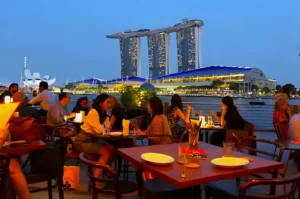
While pandemic-era regulations have faded, the lesson remains: be aware of what the current dine in rules are. Some fine-dining restaurants or private clubs may set their own expectations, especially for romantic rooftop dining Singapore venues designed for date nights and special occasions. While severe penalties for breaches are rare these days, lapses in etiquette or dress can still turn a special meal sour. Always wise to confirm the details at the time you make reservations. Plan ahead for a seamless experience, ensuring your guests are just as comfortable as you are.
For Groups of All Sizes: Understanding Singapore’s Dining Policies
Dining alone? Meeting as two people? Gathered as a small group or even a large family? Singapore’s rules are as varied as her eateries. In hawker centres, grabbing a table sometimes involves more than waiting in line. The famed “chope” culture, leaving a humble tissue packet or umbrella to claim your seat, runs deep. If you want to join a table where someone’s reserved part of it, a polite nod or “May I sit here?” goes a long way.
At coffee shops, hawker centres, and casual restaurants, space gets tight during peak hours. Customers and diners should always clear their trays and be considerate to others waiting for seats. Know that ordering a beverage or drinks for the table often means navigating group dynamics, who orders, who pays, who pours. The rules shift for only groups, small group outings, or those up to five people depending on current guidelines. In all scenarios, table manners, from not monopolizing the rice or food dishes to being aware of each person’s space, keep things harmonious.
Remember: at the end of the day, it’s about respect, respect for rules and respect for others’ enjoyment of their meal.
Conclusion
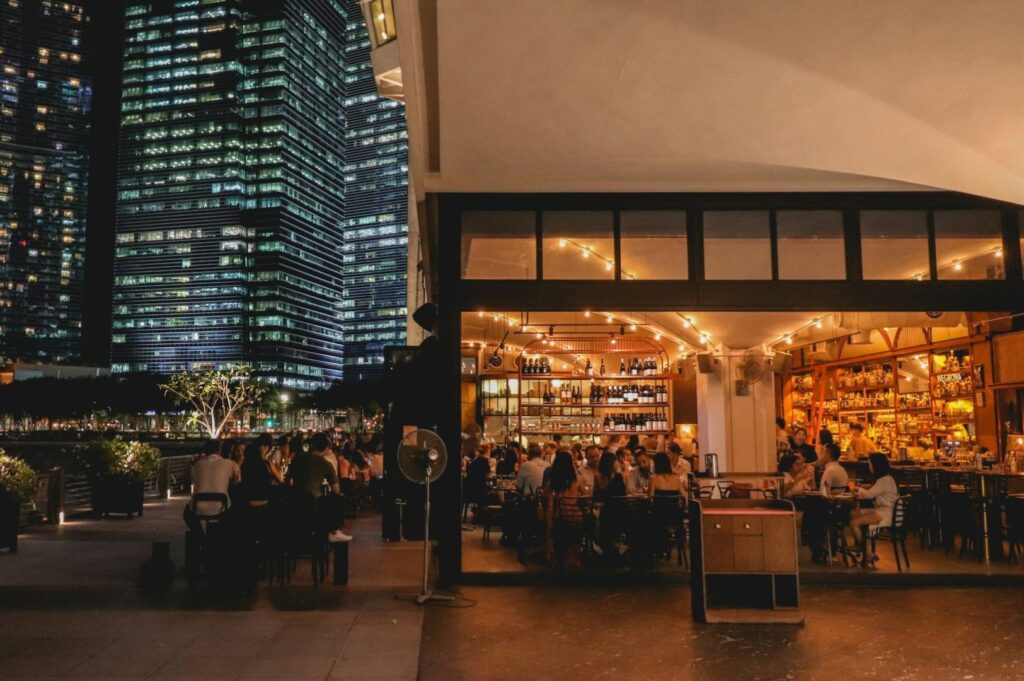
Dining out in Singapore is a lesson in balance, between rule and ritual, precision and hospitality. From vaccination status and dress code to the proper use of a soup spoon or serving spoon, each detail has its place in the country’s living dining etiquette. Just as Mr Lim discovered, moving from confusion to comfort comes from awareness, being mindful of both what the rules require and what the culture values.
The next time you settle in at a hawker centre or make reservations at one of Singapore’s top restaurants, let the city’s rules, table manners, and unwritten codes work together to elevate your meal. In Singapore, dining is a shared language, a meeting of food, family, guests, and community, a uniquely local way of saying that every seat at the table, and every dish served, truly matters.