Who Are the Peranakans?
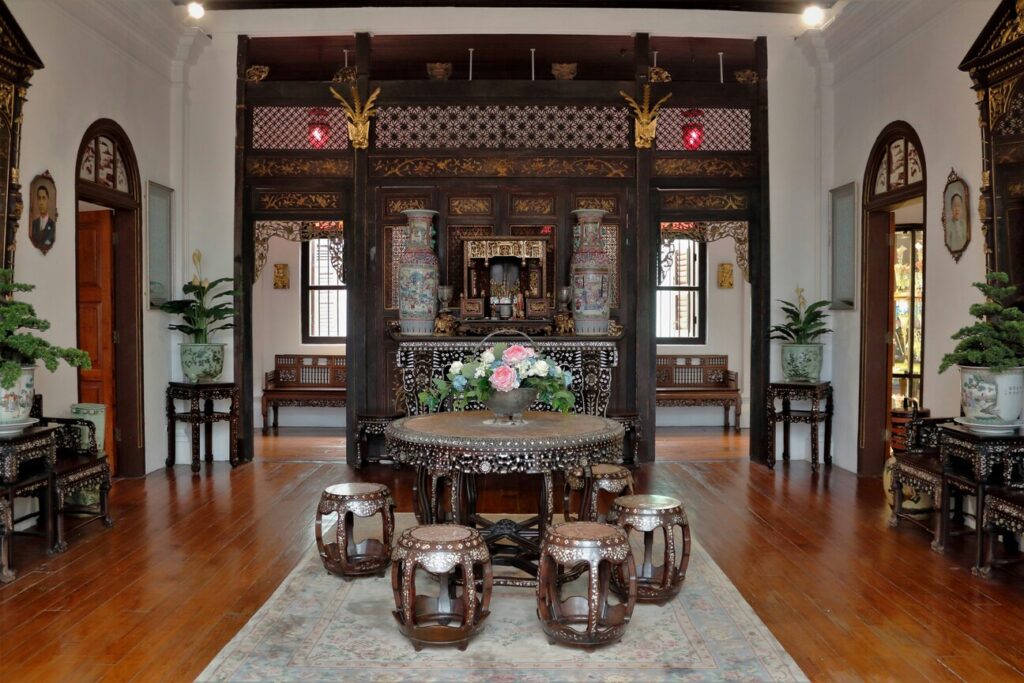
The Peranakan people, also known as Straits Chinese, emerged from centuries of cultural fusion between Chinese immigrants and local Malay communities across Malacca, Penang, and Singapore. This unique heritage began when Chinese traders arrived in the 15th century, intermarrying with Malay women and creating a distinctive community that blended the best of both worlds. The term “Peranakan” itself means “locally born” in Malay, reflecting their deep roots in Southeast Asia.
Peranakan culture extends far beyond food, encompassing a rich tapestry of traditions including the melodious Baba Malay language, elaborate kebaya dress worn by Nyonya women, and beautifully preserved shophouses that still grace Singapore’s heritage districts today. This cultural blend created a sophisticated lifestyle that valued both Chinese ancestral respect and Malay hospitality, forming the foundation for their extraordinary culinary tradition.
Trade, Migration & the Making of a Hybrid Kitchen
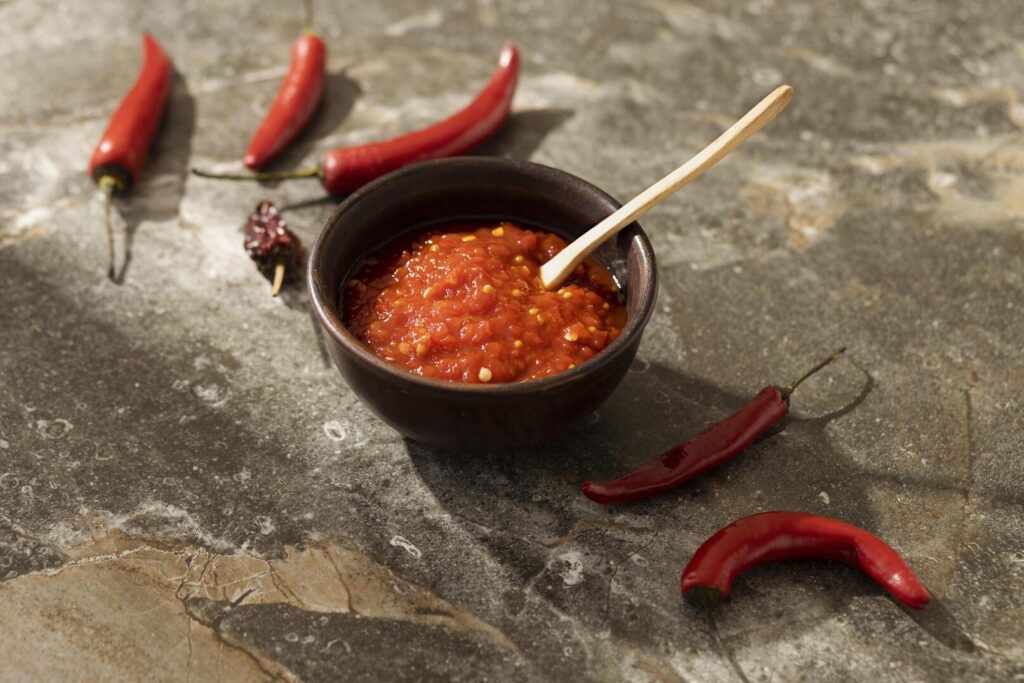
The strategic location of Singapore along ancient spice routes made it a natural melting pot for culinary traditions from across Asia. Peranakan kitchens became laboratories of flavour, where Chinese cooking techniques met the aromatic spice palette of Malaysia and the Malay archipelago. This intersection created a cuisine that borrowed liberally yet respectfully from both traditions.
The Peranakan pantry reflects this heritage through its sophisticated use of spices, sauce bases, and chilli preparations that would be equally at home in a Malay kitchen. Rice remains central to every meal, whilst preserved condiments like taucheo (fermented soybean paste) showcase Chinese influences. This hybrid approach created dishes that were familiar yet distinct, comfort food that told the story of cultural adaptation.The Peranakan Pantry: Core Ingredients & Flavour Builders
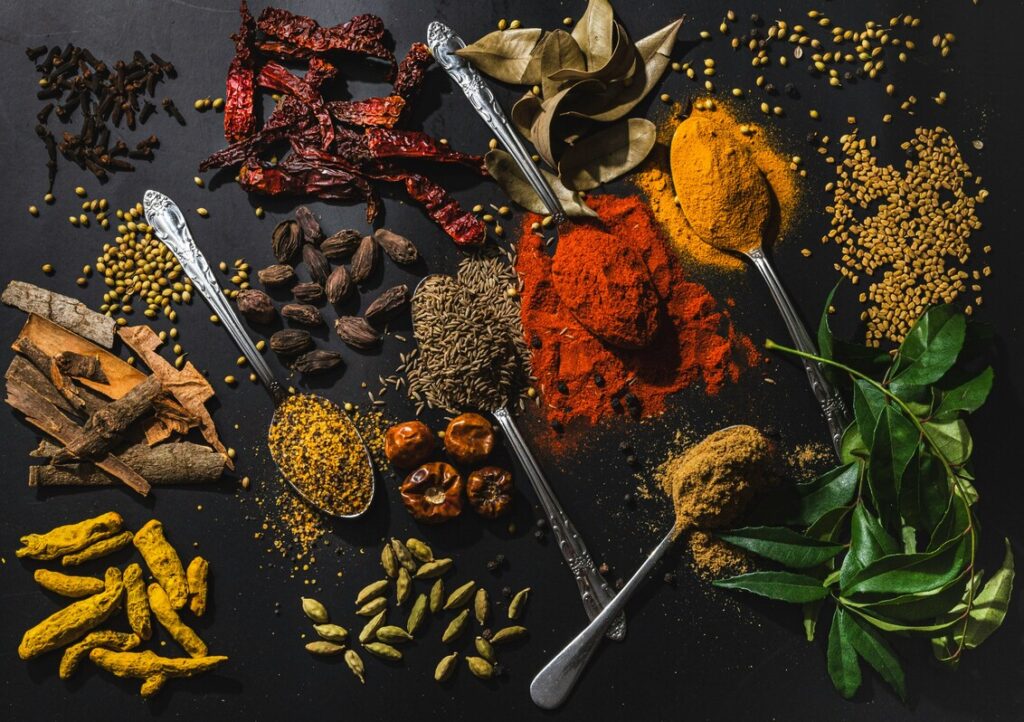
The heart of any Peranakan kitchen lies in its rempah—the aromatic spice paste that forms the foundation of countless dishes. This complex blend typically includes shallots, garlic, candlenuts, dried chillies, and fragrant roots like galangal and turmeric. Coconut milk adds richness and balances heat, whilst tamarind provides the tangy notes that brighten heavy dishes.
Traditional Peranakan cooks insist that rempah must be pounded by hand using a granite mortar and pestle, never blended in modern machines. This labour-intensive process releases essential oils differently, creating deeper, more complex flavours that simply cannot be replicated mechanically. Other essential ingredients include lemongrass for fragrance, gula melaka (palm sugar) for caramelised sweetness, and an array of fresh herbs that change with the seasons.Authentic Peranakan Craft — Rempah, Balance & Tradition
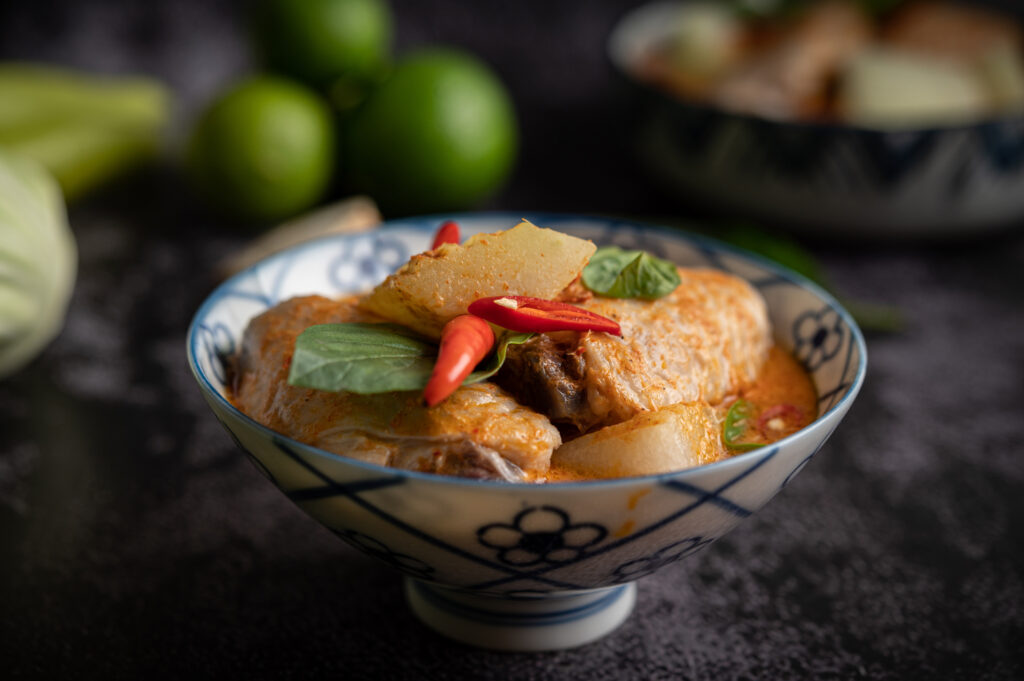
The mastery of authentic Peranakan cooking lies in understanding “pecah minyak”—the moment when pounded rempah releases its oils during slow cooking, filling the kitchen with intoxicating aromas. This technique, passed down through grandma recipes, requires patience and intuition rather than precise measurements. Each family’s rempah recipe varies slightly, creating subtle differences that make every meal unique.
True Peranakan cuisine achieves perfect balance between sweet, savoury, tangy, and spicy elements within each dish. This harmony reflects the community’s cultural approach to life—never too extreme, always seeking equilibrium. Preserving these heritage techniques has become increasingly important as older generations worry about losing traditional knowledge to modern convenience.
Traditional Techniques & Contemporary Concepts
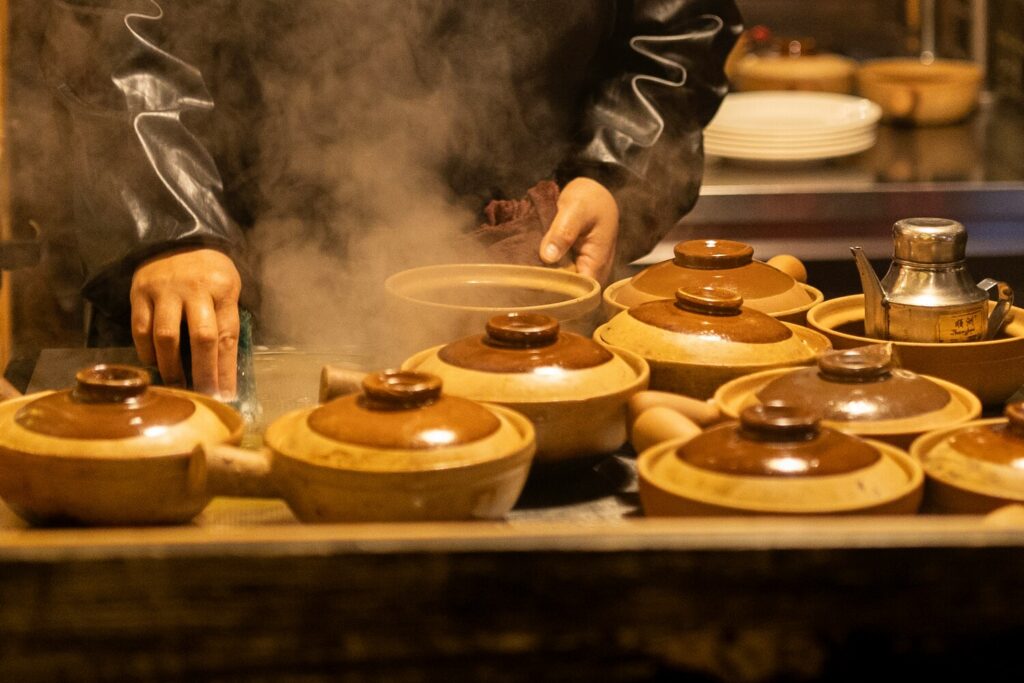
Classic Peranakan cooking employs time-honoured techniques that develop deep, complex flavours. Braising transforms tough cuts into tender morsels in dishes like babi pongteh and ayam buah keluak, whilst steaming preserves delicate textures in fish preparations. Banana-leaf grilling imparts smoky notes to otak-otak, and claypot cooking concentrates flavours whilst creating appealing contrasts in texture.
Modern interpretations respectfully adapt these techniques for contemporary dining, often lightening traditional dishes whilst maintaining their essential character. Contemporary plating presentations showcase the natural beauty of Peranakan ingredients, and some chefs experiment with modern cooking equipment to achieve traditional results more efficiently, though always with deep respect for the original methods.
Peranakan Food — Crowd Favourites & Family Dishes
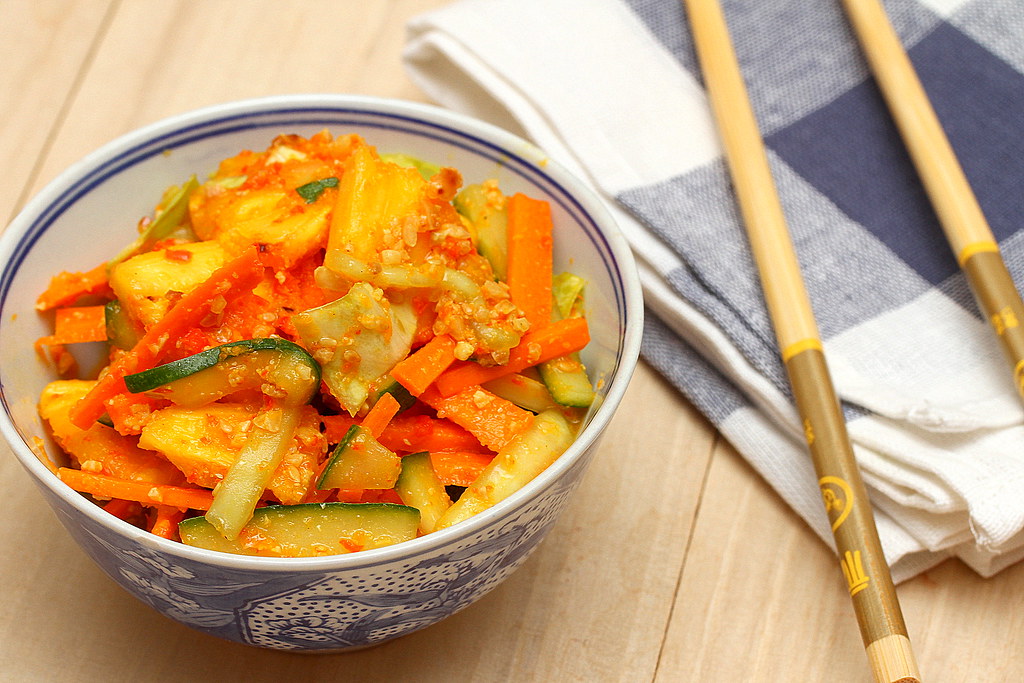
Traditional Peranakan meals follow specific patterns that reflect both Chinese and Malay influences. A typical family meal centres around steamed rice accompanied by several dishes that provide contrasting flavours and textures. Pickled vegetables (achar) cleanse the palate, whilst rich curries and braised dishes provide substance and warmth.
Lunch tends to be lighter, often featuring a single substantial dish with rice, whilst dinner becomes a social affair with multiple dishes shared among family members. Weekend gatherings transform meals into celebrations, with special occasion dishes that require hours of preparation. These crowd favourites often include labour-intensive creations that demonstrate love through effort—a core value in Peranakan food culture.
Iconic Dishes: Ayam Buah Keluak, Babi Pongteh, Beef Rendang, Assam Prawns
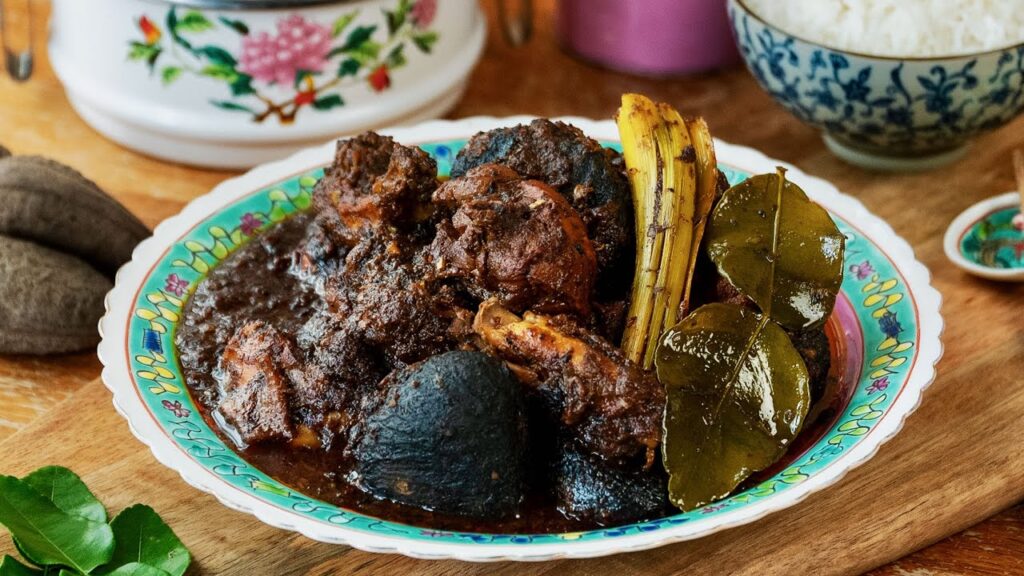
Peranakan cuisine is renowned for its rich tapestry of flavours, skillfully blending Chinese ingredients with Malay cuisine spices to create authentic Peranakan dishes that tell a story of cultural fusion. This section explores some of the most beloved nyonya dishes that have become staples in Peranakan food spots across Singapore, showcasing the depth and complexity that define this heritage cuisine.
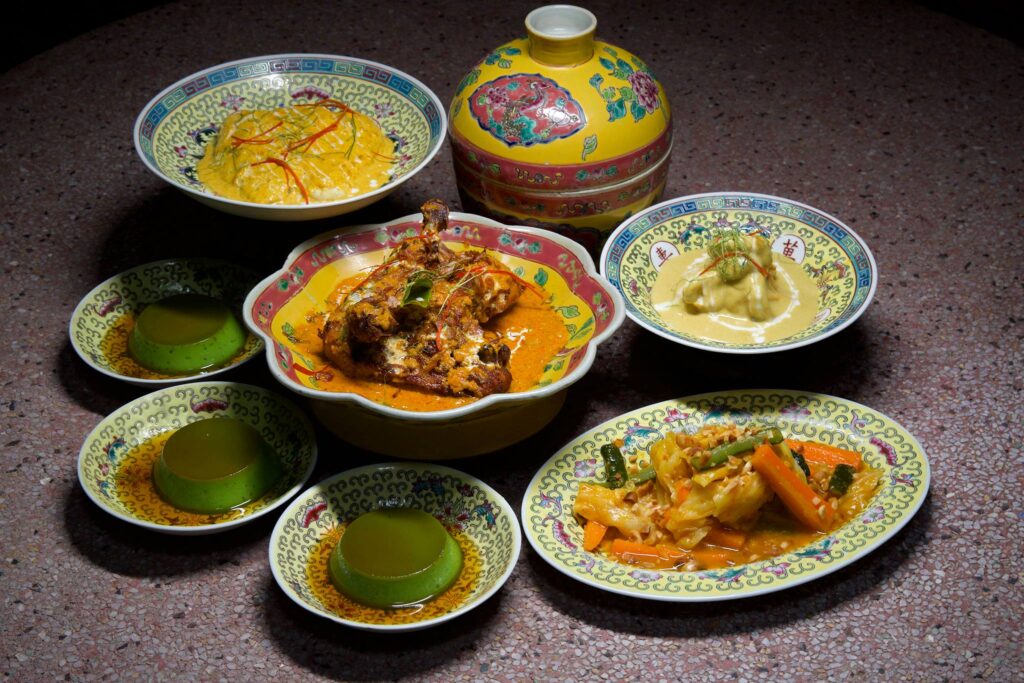
Ayam Buah Keluak: Chicken braised with earthy black nuts, offering a rich, truffle-like depth unique to Peranakan cuisine.
Babi Pongteh: Pork belly braised in a fermented soybean paste (taucheo) sauce, highlighting Chinese culinary influence.
Beef Rendang: A Malay and Indonesian classic adapted by Peranakans, slow-cooked beef in a rich, spicy coconut milk sauce.
Assam Prawns: Fresh prawns glazed in a tangy, sweet, and spicy tamarind-based sauce, exemplifying the mastery of balanced flavours.
Sweet Traditions — Nyonya Food & Desserts
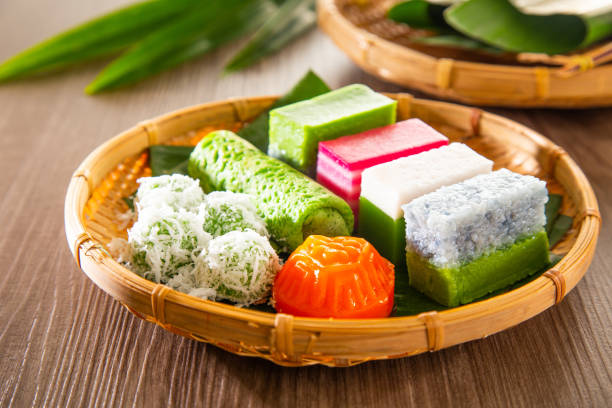
Peranakan cuisine is renowned not only for its savory dishes but also for its vibrant and intricate Nyonya food and desserts. These traditional treats, such as colourful Nyonya kueh made with pandan, gula melaka, coconut milk, and rice flour, reflect the artisanal craftsmanship and rich heritage of Peranakan culture. From deep-fried snacks wrapped in banana leaves to delicate cakes, these sweets offer a perfect balance of flavors that complement the bold spices found in main courses. Exploring these desserts provides a delicious insight into the authentic Peranakan culinary experience cherished across Singapore.
Nyonya Kueh: Colourful traditional cakes and sweets featuring pandan for flavour and natural colouring, gula melaka for caramelised sweetness, and coconut and rice flour bases.
Artisanal Craftsmanship: These delicate confections showcase the community’s artistic sensibilities and technical skill.
Modern Desserts: Contemporary creations like durian pengat pancakes offer playful interpretations of traditional flavours, appealing to both younger generations and traditionalists alike.
Authentic Peranakan Food in Singapore — Where to Dine
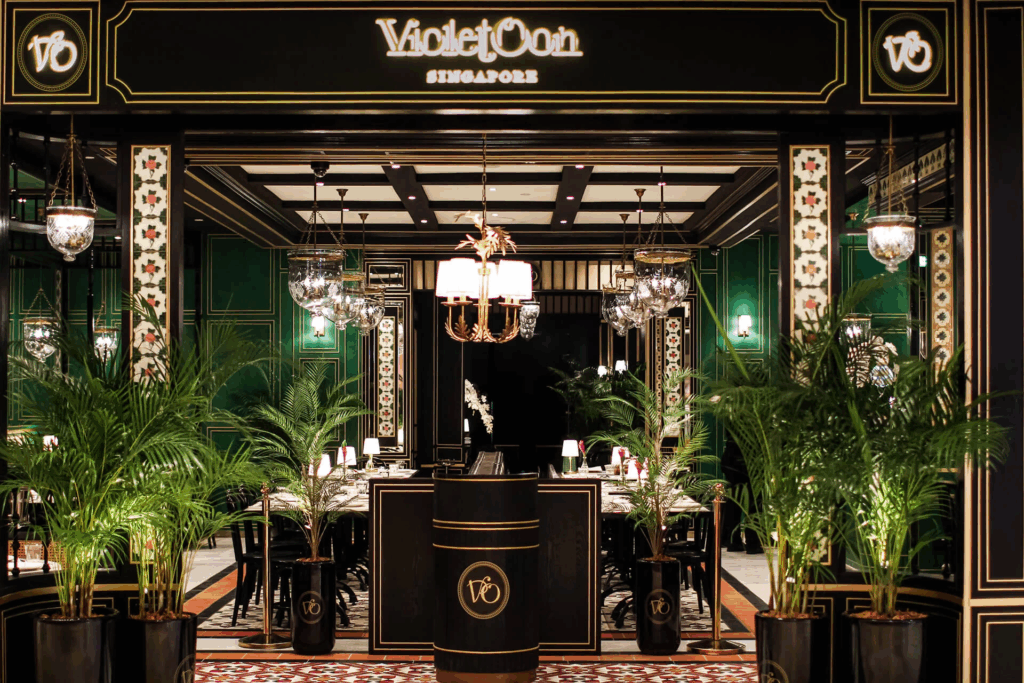
Singapore boasts a vibrant Peranakan dining scene that caters to all tastes and occasions. From heritage establishments preserving age-old recipes to modern Peranakan restaurants offering innovative twists, there’s something for every food lover. This section highlights some of the best Peranakan food spots where you can savour authentic flavours, experience rich cultural traditions, and explore the diverse culinary heritage of the Peranakan community.
Violet Oon Singapore at National Kitchen
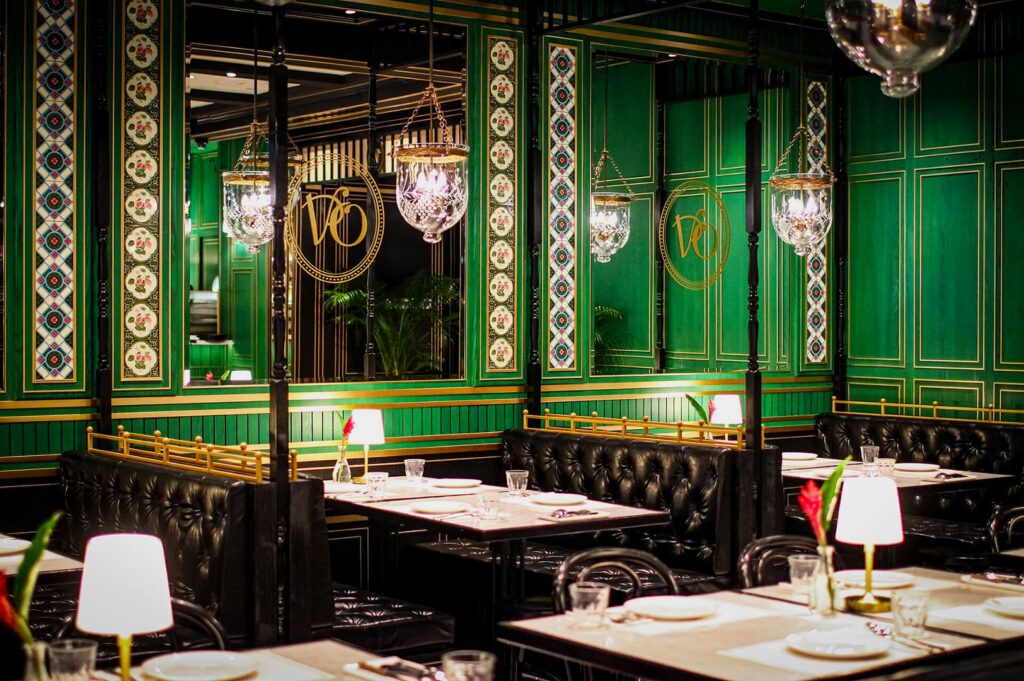
Highlights: Elegant Peranakan classics with refined traditional dishes and innovative creations like dry laksa and artistic kueh presentations
Location: National Gallery Singapore
Price Point: Mid to high range
- The Blue Ginger
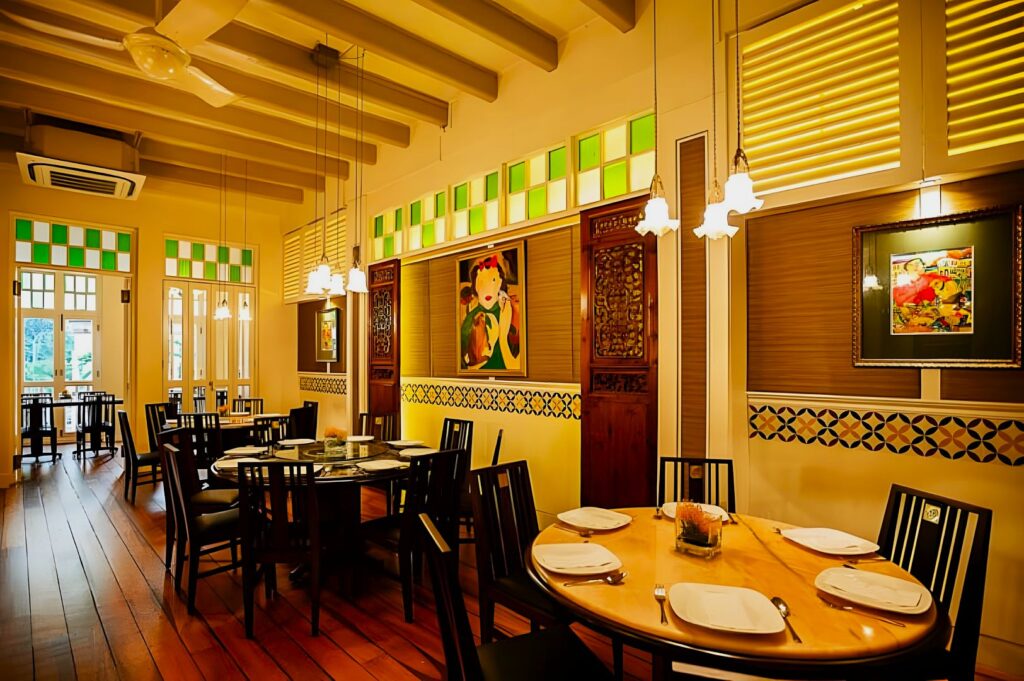
Highlights: Heritage plates staying true to traditional recipes with consistently high quality and a convivial atmosphere
Location: Tanjong Pagar
Price Point: Mid range
Candlenut
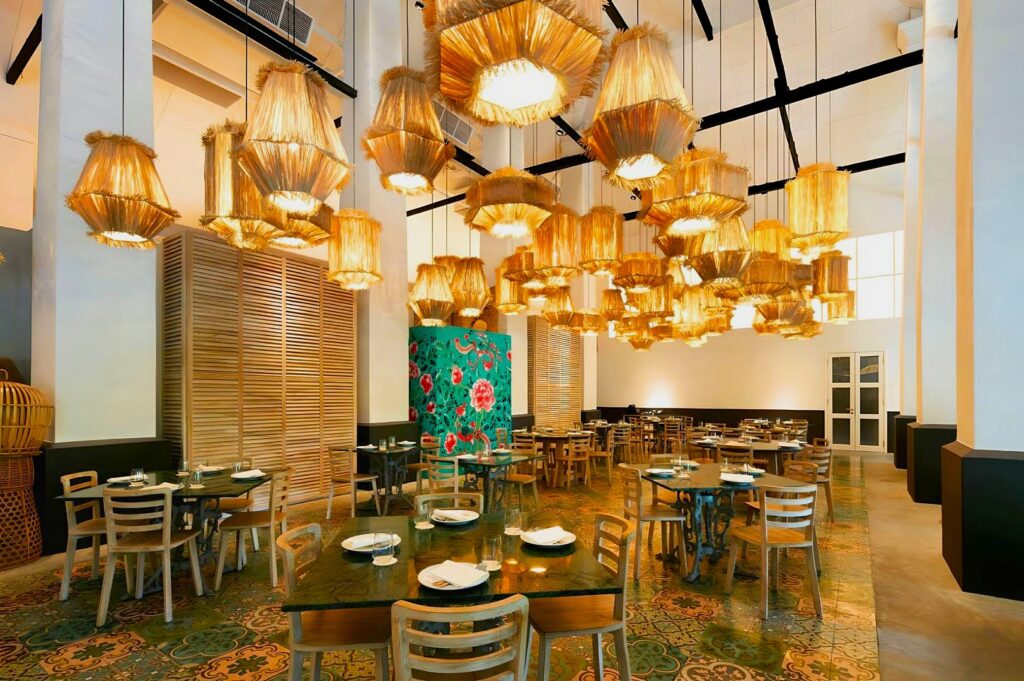
Highlights: Singapore’s Michelin-starred Peranakan restaurant featuring sophisticated tasting menus by Chef Malcolm Lee that honor tradition while pushing creative boundaries
Location: Dempsey Road
Price Point: High end
Peranakan Inn
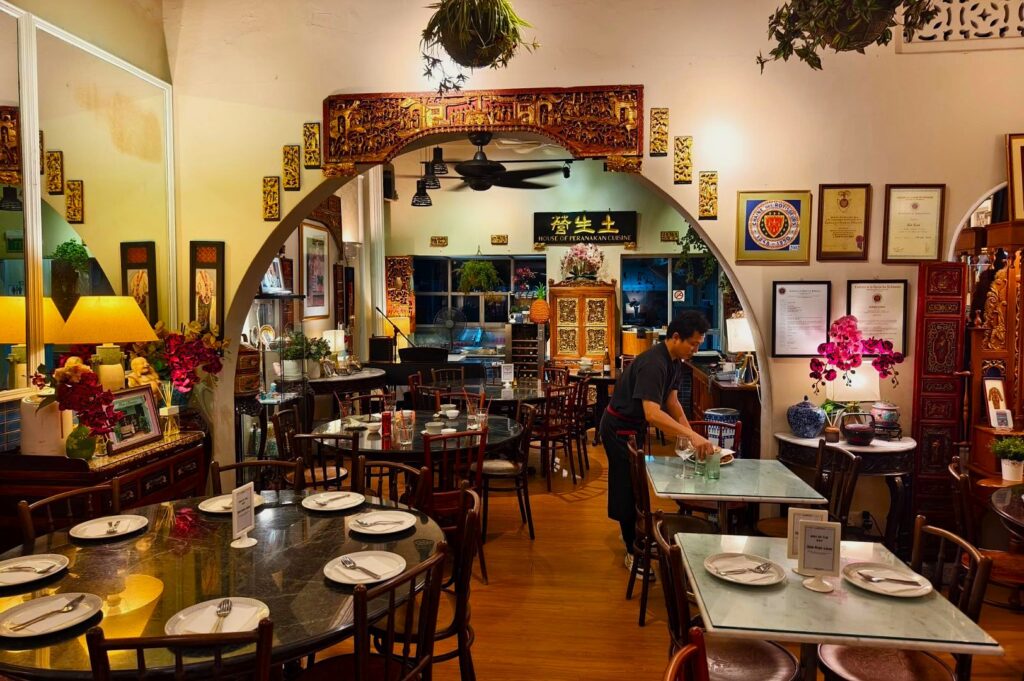
Highlights: Old-school charm with homestyle cooking offering classic Peranakan dishes in a cozy setting
Location: Katong
Price Point: Mid range
Simply Peranakan Cuisine
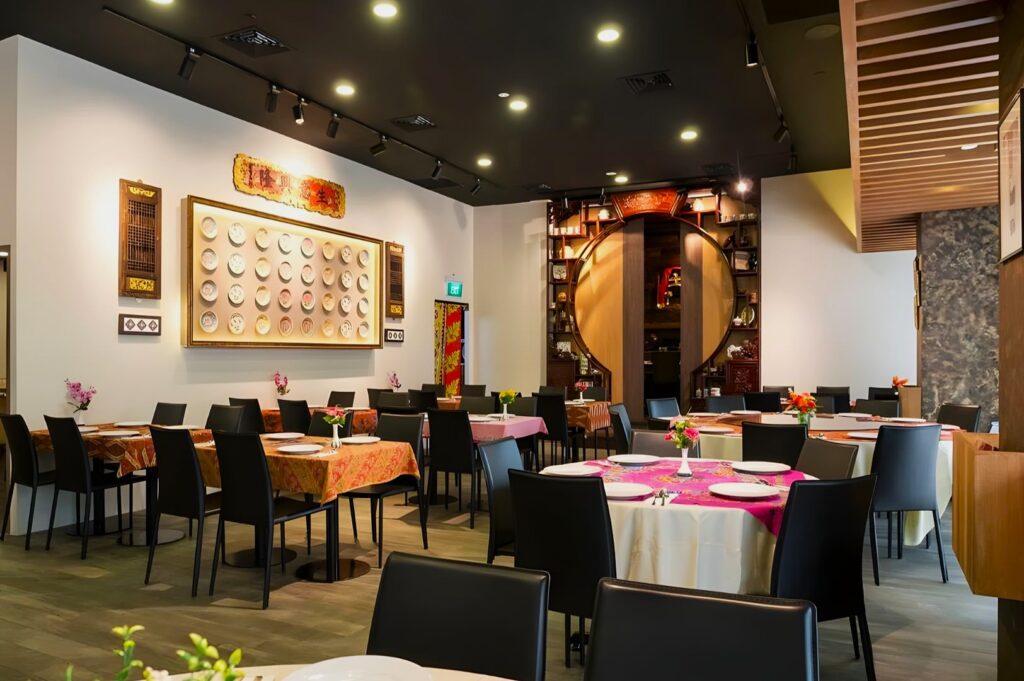
Highlights: Casual Peranakan favorites served in a family-friendly environment, perfect for introducing children to Peranakan heritage
Location: Hotel Chancellor, Orchard
Price Point: Mid range
Halal Peranakan Food: Inclusive Flavours for Everyone
Singapore’s diverse culinary landscape also embraces halal Peranakan food, ensuring that those with dietary restrictions can enjoy authentic Peranakan dishes without compromise. Halal-certified establishments like Old Bibik’s Peranakan Kitchen and StraitsKitchen at the Grand Hyatt offer rich, traditional flavours prepared in accordance with halal guidelines. Old Bibik’s Peranakan Kitchen is particularly notable for preparing all their sauces from scratch, without MSG, preserving the integrity of classic recipes while catering to halal dietary needs.
These halal Peranakan restaurants serve popular nyonya dishes such as ayam buah keluak, beef rendang, and assam prawns, alongside vibrant mixed vegetables and traditional desserts like kueh pie tee. The use of key ingredients like coconut milk, kaffir lime leaves, and sour plums remain integral, maintaining the authentic taste profile. Whether you’re seeking a casual meal or a festive feast, halal Peranakan food options provide an inclusive way to experience this rich culinary heritage.
Neighbourhoods & Trails — Katong, Joo Chiat & Parkway Parade
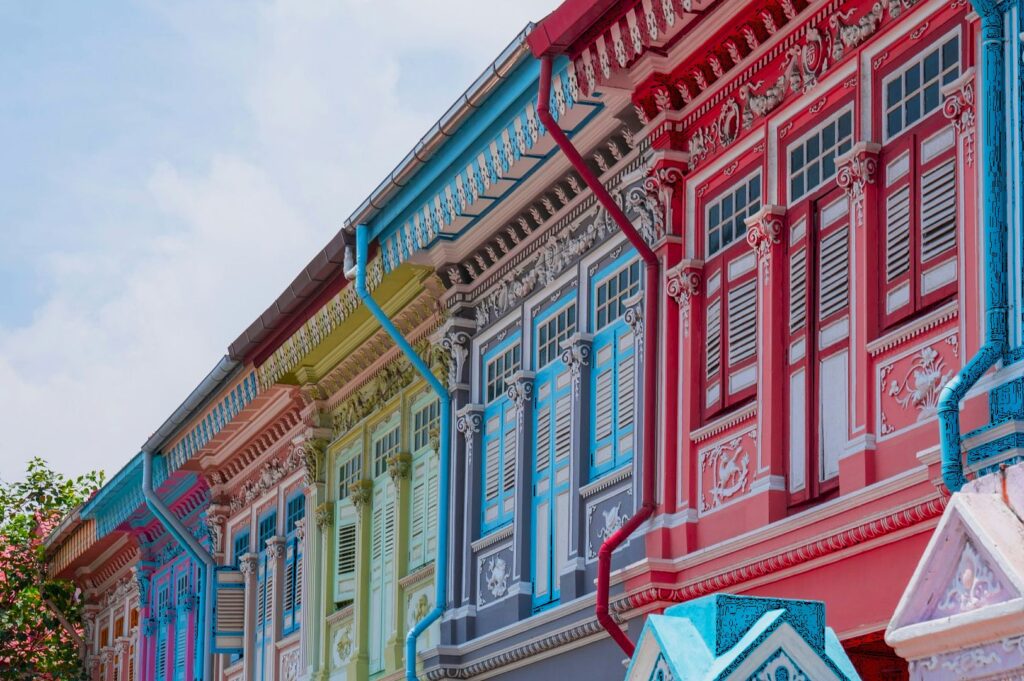
The Katong and Joo Chiat heritage belt offers the most immersive Peranakan dining experience, with numerous restaurants clustered within walking distance of beautifully preserved shophouses. This area’s proximity to Parkway Parade adds modern shopping convenience to traditional cultural exploration, making it perfect for day-long culinary adventures.
Weekend strolls through these neighbourhoods reveal hidden gems alongside established favourites, though it’s wise to avoid the busiest periods on Friday, Saturday, and Sunday when queues can be lengthy. Tuesday and Thursday visits typically offer quieter dining experiences with shorter wait times and more relaxed service.Peranakan Heritage — Preserving Tradition Through People & Places
Behind every authentic Peranakan restaurant lies a story of heritage preservation, often beginning with family notebooks filled with handwritten recipes passed down through generations. Many chef owners have dedicated their careers to documenting and sharing these culinary treasures, conducting workshops and maintaining cooking techniques that might otherwise disappear.
Singapore’s Peranakan cuisine represents one of the world’s most successful examples of culinary fusion, proving that respectful cultural exchange creates something greater than the sum of its parts. Whether you’re seeking your first taste of this remarkable heritage or looking to deepen your appreciation for familiar flavours, the city’s diverse Peranakan dining scene offers endless opportunities for delicious discovery.
What are your favourite Peranakan dishes or restaurants in Singapore? Share your discoveries and recommendations with us in SG Dining Guide—we’d love to hear about your own culinary journey through this fascinating cuisine.