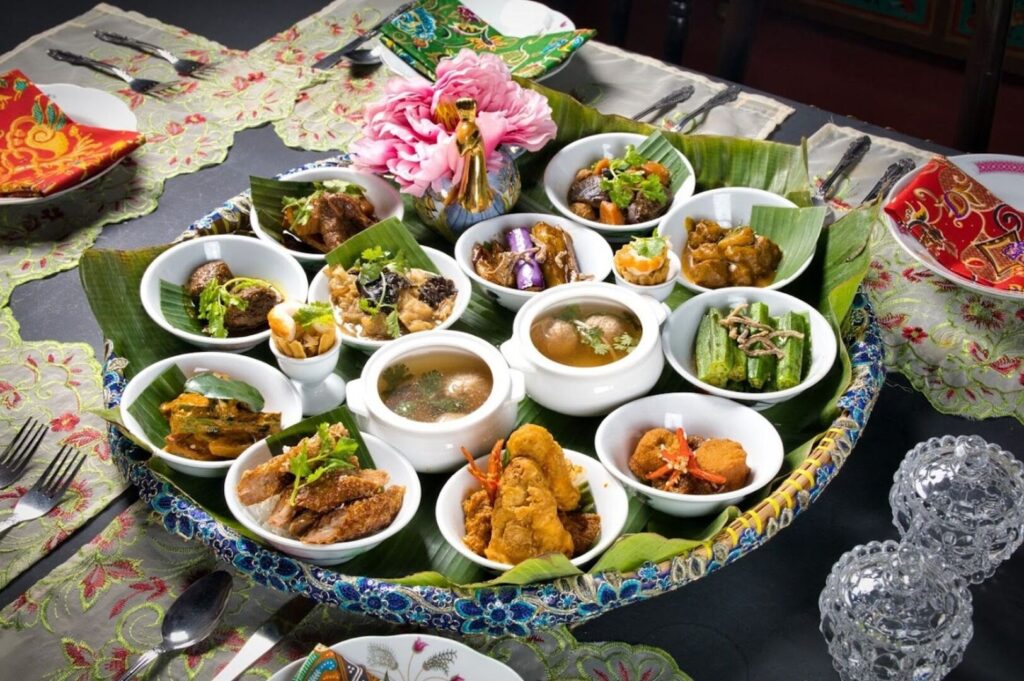
When a bowl of authentic Peranakan food like Ayam Buah Keluak or Nonya Penang Rendang is served at your table, you might think it’s simply a delicious meal—but beneath this feast lies an extraordinary depth of culinary technique and heritage. Peranakan cuisine, whether plant-based or traditional, is about more than bold flavours or fragrant rice. Each dish is a product of patience, craft, and a deep respect for consistent, great quality passed from one generation to the next. Appreciating Peranakan vegetarian cooking techniques enriches not only the way you eat, but also how you connect with Singapore’s vibrant Peranakan culture. Both Singapore and Malaysia are renowned for their authentic Peranakan cuisine, where nyonya dishes showcase the unique heritage and culinary traditions of the region.
Learning about the work and family wisdom behind each bite will transform how you savour every dish, whether at a celebrated vegetarian restaurant like Whole Earth or when preparing a home-style vegan feast. This guide, inspired by the freshest ingredients and time-honored skills, invites you to explore the heart and soul of Peranakan cooking—starting in your own kitchen.
Peranakan Food & The Foundation: Rempah (Spice Paste) Mastery
At the core of authentic Peranakan food is the rempah—a spice paste that defines much of the cuisine’s complexity. The matter of Peranakan cuisine lies in these traditional spice pastes and techniques, which remain fundamental even when adapted for vegetarian diets. If you want to taste the essence of Peranakan vegetarian cooking, mastering how to make rempah is non-negotiable.
The Anatomy of Flavour & Rempah in Peranakan Food
The rempah is the backbone of classic and modern Peranakan vegetarian dishes. Combining onions (especially shallots), garlic, candlenuts, chillies, galangal, lemongrass, turmeric, and sometimes mushrooms, this spice paste uses both traditional and plant based ingredients to create its depth. In authentic Peranakan vegetarian recipes, belacan can be replaced with fermented soybean paste or mushroom powder, providing a vegan-friendly umami hit. The result is a rich, intoxicating fragrance that fills the kitchen and adds layers of flavour to every menu.
The Pounding Rhythm: Family and Heritage
Traditionally, families use a batu lesong (granite mortar and pestle) to coax out the most aroma and oil from each ingredient, a process that’s woven into the everyday lives and heritage of Peranakan communities. The sounds and scents of pounding garlic, chilli, and lemongrass with fresh vegetables and firm tofu create a rhythm that brings people together—just as much as sharing the final meal.
Modern home cooks might use a food processor, but to ensure consistent great quality, it’s important to finely chop harder ingredients and add a drizzle of oil to aid blending.
The Art of Tumis: Cooking Into Essence
The art of tumis (slow-frying spice paste) is a vital element of Peranakan cuisine. Low and slow, you fry the rempah for 30–45 minutes until the oil separates and the paste becomes glossy and caramelized. Recognizing the moment when the rempah reaches its peak—when the vibrant color deepens and the kitchen fills with a mellow, earthy aroma—is a sensory cue that every chef treasures.
With proper vegetarian adaptations, using mushrooms and soybean-based umami boosters, vegetarians and vegans can enjoy dishes with the same depth and soul as traditional Nonya feasts.
Fragrant Rice & Coconut Milk Management: The Art of Santan
No Peranakan vegetarian meal is complete without a bowl of succulent, fragrant rice, perfectly paired with rich, coconut milk-infused sauces. Grains and fruits play a vital role in Peranakan vegetarian cuisine, contributing to wholesome, balanced dishes that celebrate fresh, natural ingredients.
Distinct Layers, Freshest Ingredients
Coconut milk (santan) comes in two grades: the first press is thick and creamy, while the second is lighter—each played at just the right moment in cooking to coax out the most luscious texture. Use only the freshest ingredients: hand-pressed coconut milk, fresh pandan leaves, and quality plant based food accents such as tofu and vegetables, making sure to stir constantly and simmer gently to avoid the dreaded split.
Achieving Lemak, the Signature Peranakan Taste
In both meat free and traditional menus, achieving lemak—a creamy, mouth-filling richness—is a testament to the chef’s skill and knowledge passed through Peranakan families. Whether for vegan laksa, a plant-based ayam buah keluak, or classic curry, careful coconut milk management ensures your dish is always a joy to eat.
Whole Earth of Ingredients: Specialized Ingredient Preparation
Great Peranakan vegetarian food is rooted in careful ingredient preparation—turning every dish into a celebration of earth’s bounty.
Some Peranakan vegetarian dishes feature crispy fried beancurd or tofu, where the golden, crispy exterior adds a delightful crunch and enhances the overall taste and freshness.
Buah Keluak Preparation: From Earth to Iconic Dish
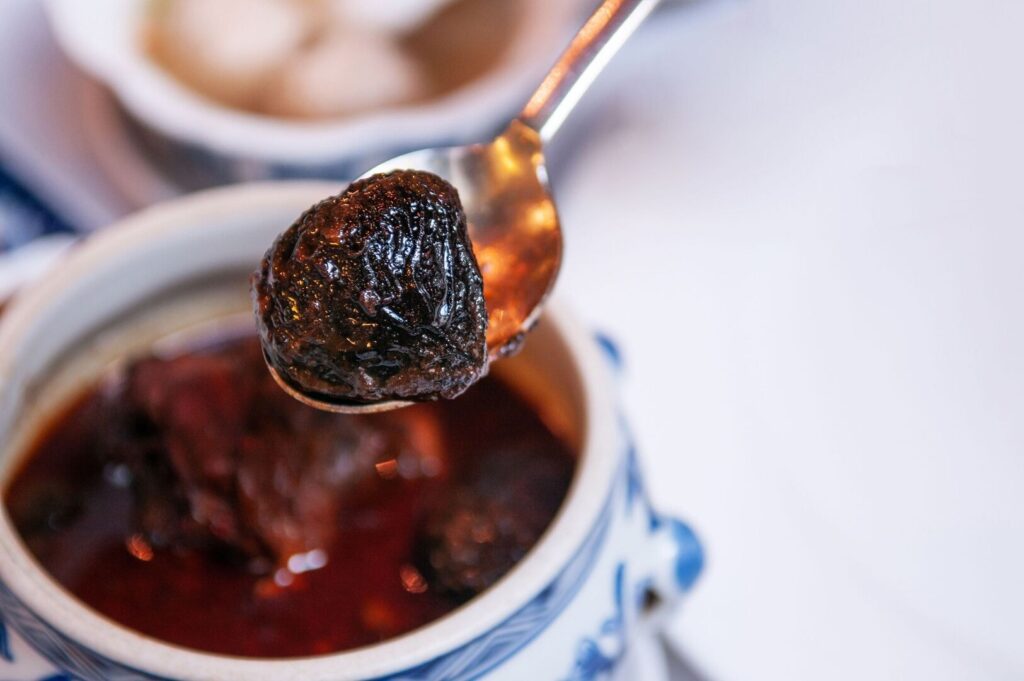
Buah keluak, celebrated in dishes like Peranakan-style vegetarian ayam buah keluak, demands time and attention. After days of soaking and cleaning, the nut’s black paste is mixed with tofu, mushrooms, and plant based spices for a bold, bittersweet stuffing. Safety is essential: only the most recognized chefs and cooks understand how to handle this ingredient so its unique, earthy flavour enhances the dish safely.
Nonya Penang Rendang, Laksa Leaves, and More
Tamarind provides a fresh, sour note and is meticulously prepared, as is the torch ginger flower, whose fine slicing releases a vital perfume. Laksa leaves should be julienned just before serving to maintain freshness and color—delicious in both grain bowls and noodles. When using mock meats or vegetables in these dishes, their texture offers a satisfying chew, much like traditional ingredients. Toasted candlenuts add a creamy richness to sauces, and dried shrimp can be omitted or replaced to honor vegan and vegetarian diners.
Combining elements like fresh herbs, vegetables, and mushrooms with classic Peranakan spices and coconut milk, chefs craft recipes that bring out the full essence of both culture and vegetable-based goodness.
Signature Nonya Penang Rendang & Cooking Methods
Technique is central to Peranakan vegetarian cuisine, whether making Nonya Penang Rendang with mushrooms and tofu or classic babi pongteh sans pork.
Slow-Braising for Depth
Stews and curries—rich with the flavours of rempah and slow-simmered coconut milk—need gentle, hours-long cooking. Dishes are meant to be savoured, with tender mushrooms or tofu soaked in a sauce tinged with lemongrass, garlic, and the freshest vegetables for remarkable depth.
Lemak Curries and Asam Pedas
Lemak-style curries are built in flavorful stages: fry rempah, add vegetables or tofu, mix in thin coconut milk, and finish with the thickest press. Asam Pedas, a tangy, spicy plant based stew, is all about balance—infusing flavour through careful simmering so that every bite offers a play of sour, sweet, and spice.
Kueh Craft and Pickling
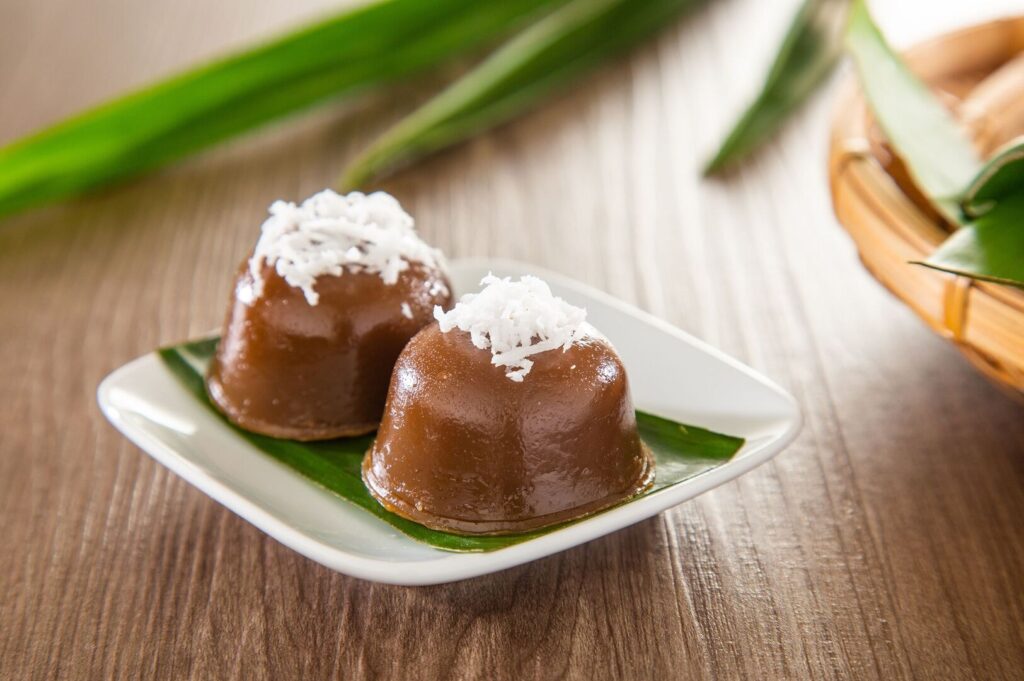
Vegetarian kueh-making requires patience and precision, with each starchy layer steamed to soft perfection. Pickled achar—bright with vegetables and spices—offers a crunchy, refreshing foil to heavier rice or noodle dishes, perfect for round out any authentic Peranakan vegetarian feast.
Fragrant Rice, Flavour Balance & Everyday Lives
Every meal in Peranakan cuisine—from a classic Nonya Penang Rendang to a weekday tofu stir-fry—is about harmony of taste, colour, and fragrance.
A friend of mine particularly enjoyed the Nonya Penang Rendang, which speaks to how memorable and delicious this dish can be.
Flavour Balancing in Plant Based Peranakan Dishes
A home cook or restaurant chef uses sweet, sour, salty, spicy, and umami to construct layers of taste. Onions, lemongrass, garlic, chilli, lime, and palm sugar (gula Melaka) are essentials, but mushrooms and Japanese seaweed have become popular vegetarian umami companions in Singapore’s kitchens.
By learning the art of tasting and adjusting throughout the cooking process, more people can enjoy consistently great quality dishes, whether vegan, vegetarian, or adapted from classic family recipes.
Time Planning & Consistent Great Quality
Preparing authentic Peranakan vegetarian or classic food demands time. Most recipes—from rempah to buah keluak—require planning, patience, and sometimes, collaboration with family or friends.
Some vegetarian Peranakan restaurants recommend making reservations in advance, especially during peak hours or for special occasions, to ensure seating availability. It is also common for last order times to be set before closing, so diners should check these details when planning their visit. Additionally, certain establishments may close or have altered hours on the 1st and 15th days of the lunar month due to cultural observances.
Batch Cooking & Freezing for Everyday Lives
Savvy cooks often make large batches of rempah and freeze it, ensuring a quick start to a weeknight meal while keeping flavors fresh. Many dishes like Ayam Buah Keluak, rendang, or plant based stews taste better the next day, making them ideal for first time cooks to prepare in advance or enjoy over a few days.
When you visit a vegetarian restaurant serving authentic Peranakan cuisine, remember that every dish reflects hours, if not days, of preparation—a true homage to both earth’s gifts and family tradition.
Conclusion: Explore the Essence of Plant Based & Authentic Peranakan Cuisine
Mastering Peranakan vegetarian cooking techniques transforms both the dining and cooking experience, whether you’re a lifelong vegetarian, vegan, or just learning about this colourful cuisine. Start simple, perhaps with a fragrant vegetarian rempah or a family-inspired tofu and fresh vegetable dish, and let your understanding of heritage, flavour, and technique grow.
Be sure to explore our Peranakan Vegetarian Singapore dining guide for recommendations, and savour the freshness, creativity, and cultural richness that define every Peranakan meal. Whether your next order is at a renowned restaurant or in your own home, SG Dining Guide and our team provide the inspiration, advice, and menu picks to help more people experience the consistent great quality and plant based essence of Singapore’s Peranakan world.