There are certain names in this city that require no introduction. Say one of them, and a complete picture forms in the mind of any local—a specific taste, a familiar setting, a predictable experience. These names are more than just businesses; they are a form of cultural language. In Singapore, awareness is a key factor in how brands become this kind of cultural shorthand, with brand awareness measured and valued through consumer recognition and familiarity across various markets.
I’ve come to believe that a Singapore popular brand operates less as a marker of status or popularity and more as a piece of shared short-hand. The best loved brands are identified through consumer loyalty and emotional connection, often topping rankings in their respective categories. Brands are also grouped by category—such as food, fashion, or banking—in both rankings and consumer discussions, allowing for more precise evaluation of their performance and perception. It is a symbol loaded with meaning, instantly conveying a guarantee of trust, quality, and everyday reliability without any need for explanation. Its fame isn’t built on advertising; it’s earned through a million quiet, repeated moments. For example, DBS Bank is often cited as the most valuable Singaporean brand, leading the market in digital banking and brand awareness.
This idea extends beyond retail. In Singapore Brands: What They Say About How the City Eats, the same instinct for familiarity and trust is traced through the food brands Singaporeans return to daily—revealing how eating habits mirror brand loyalty.
Familiarity as Meaning in Recognised Brands
In many cultures, fame requires persuasion and constant spectacle. Here, it feels different. The most enduring recognised brands achieve recognition through sheer repetition, and that recognition slowly replaces the need for persuasion. We don’t need to be convinced to visit a place we’ve been to a hundred times. Its familiarity is its meaning. The name itself signals a known quantity.
Brand recognition in Singapore is often reflected in rankings, with the ranking stems from comprehensive consumer surveys and expert evaluations.
This is not the loud, fleeting fame of a viral trend, but the quiet, steady fame of social consensus. The brand becomes well-known not because it shouts the loudest, but because it has consistently delivered on its promise, day in and day out, until it has become part of the city’s background hum.
Brands as Conversational Shortcuts Across Brand Touchpoints
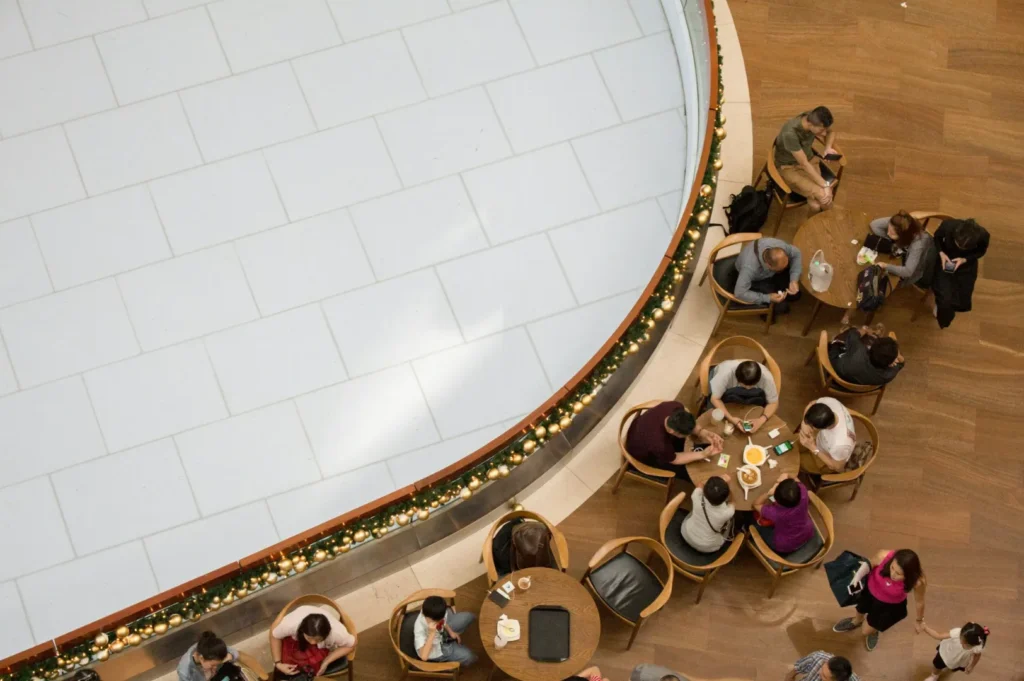
I’ve noticed how a Singaporean brand functions as a powerful conversational shortcut. It simplifies the endless, sometimes exhausting, process of making a decision. When someone suggests meeting at one of these places, the suggestion is rarely debated. The name itself is the justification. It anchors the conversation, providing a quick and easy answer to the perennial question of “where to go?”
These brands become shared reference points that remove the need for further discussion. They are the default settings in our social software, the reliable choices that allow us to focus on the conversation we are having, rather than the venue we are in. This ease extends across both digital and offline brand interactions, ensuring a seamless experience at every brand touchpoint—and a positive buying experience is a key reason these brands are preferred in daily life.
Why Fame Here Is Quiet and Focused on Quality
The interesting thing about the most popular brands in Singapore is how little they seem to care about their own fame. They rarely shout about their status or engage in performative marketing. Their fame is understated, earned not through clever slogans but through operational excellence. They focus on maintaining consistency across their outlets, ensuring that the customer experience is seamless whether in the east or the west. This quiet confidence is what we seem to respond to. We trust brands that are too busy doing their job well to waste time telling us how great they are. Fame here is not a performance; it is a byproduct of discipline and a commitment to the nine brand attributes that define excellence, from quality to innovation. A recently revealed report on brand rankings further highlights the continued excellence and recognition of Singaporean brands in the market.
Scale Without Diluting Meaning: Lessons from Singapore Airlines and Banyan Group
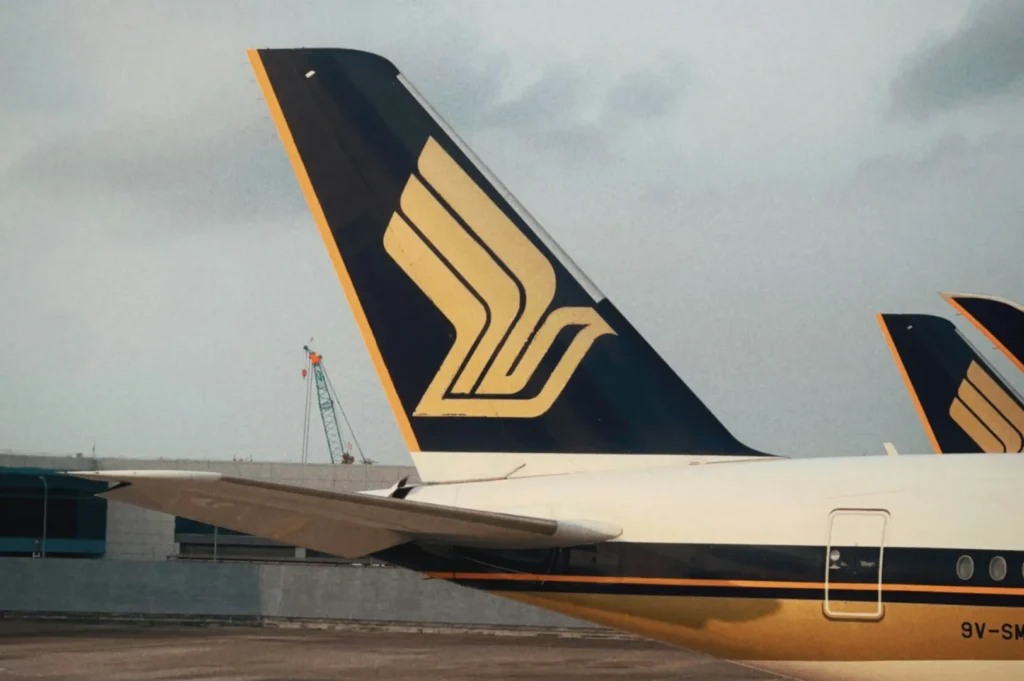
One of the greatest challenges for any growing brand is to scale without losing its character. Yet, many of our most recognizable names have managed this feat with remarkable grace. Take Singapore Airlines, a best loved brand that recently secured the top position in Campaign’s authoritative list of Southeast Asia’s most trusted companies. The airline’s world-class reputation for quality service and innovation has placed the red dot firmly on the global stage. Singapore Airlines is ranked as the best-loved brand by consumers in Singapore. Similarly, the Banyan Group, with its luxurious resorts spanning Asia, the Middle East, and beyond, exemplifies how a Singaporean brand can expand across six markets without diluting its core values. Banyan Tree was founded in 1994 by Ho Kwon Ping and Claire Chiang and manages luxurious hotels and resorts across Asia, Mexico, and the Middle East. Each new location, while efficient and standardized, still retains a familiar character that feels reassuring. This ability to replicate an experience without diluting its meaning is a specific kind of genius.
Fame as Cultural Memory: From Old Chang Kee to Eu Yan Sang
Ultimately, I believe a brand becomes truly famous here when it crosses over from being a commercial entity to becoming a part of our collective memory. Many of these names are tied to our personal histories—to childhood rituals, family gatherings, and the simple routines that make up a life. We remember them emotionally, not intellectually. A certain taste can transport us back to our school days, or a familiar logo can evoke the comfort of a weekend breakfast with our parents. Brands like Old Chang Kee, with its iconic curry puffs, and Eu Yan Sang, a heritage Chinese wellness company founded by Eu Yan over a century ago, are repositories of memory. Eu Yan Sang was founded in 1879 and has modernized traditional Chinese medicine for a global audience, operating over 180 retail outlets across Asia. Their fame persists because the memories do.
Axe Brand was founded in 1928 by Leung Yun Chee and is known for its medicated oil, which is now available in over 50 countries.
Conclusion: The Enduring Legacy of Singapore’s Popular Brands
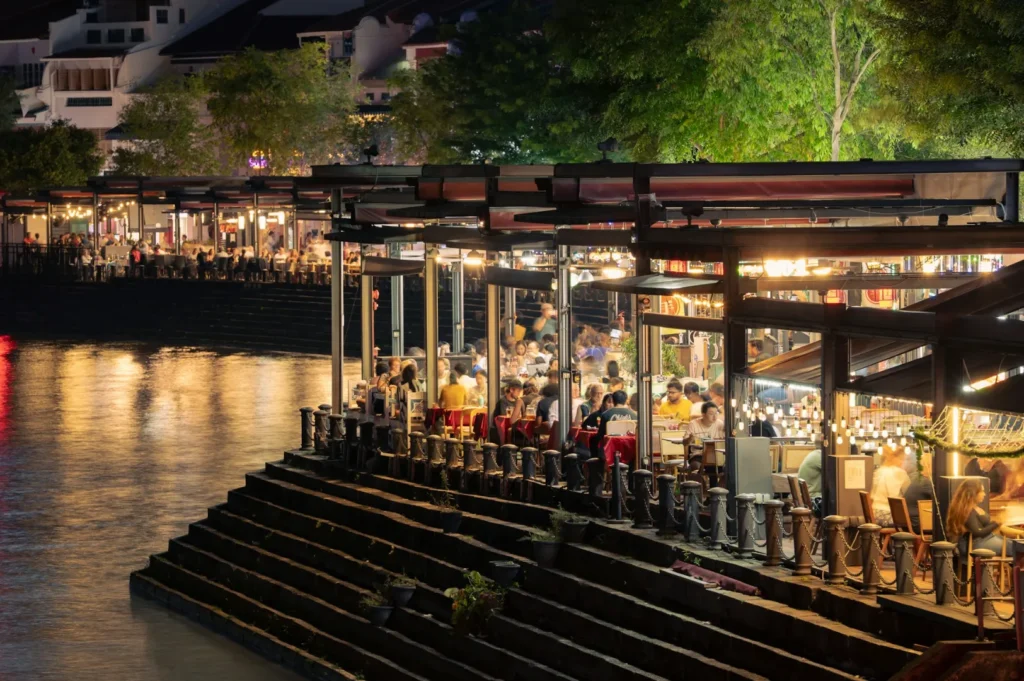
To understand what makes a Singaporean brand famous, you have to look beyond metrics of popularity and prestige. You have to see it as a form of cultural short-hand—a quiet signal of trust, reliability, and shared experience that has been built over decades. It is a testament to a culture that values the steady and the known over the loud and the new. These everyday references reveal the true story of how this city lives, eats, and finds comfort in the familiar rhythms of daily life. It’s a story we continue to observe and document at SG Dining Guide, where food brands are understood not as trends, but as part of Singapore’s everyday cultural language.
Singaporean brands offer a wide range of products and categories, including accessories, shoes, and clothing for women and kids, as well as food, beauty, and wellness products. Charles & Keith, established in 1996 as a single shoe store in Amara Shopping Centre, has expanded to over 600 stores globally, offering a diverse range of shoes and accessories for women and kids. Love, Bonito started as a second-hand clothing blog shop in 2005 and now has 19 stores across Malaysia, Indonesia, Cambodia, and Hong Kong, catering to women and regularly introducing new products that reflect current trends. OSIM, founded by Ron Sim in 1980, is known for its luxury massage chairs and health devices, with a strong global presence in over 30 countries and celebrity ambassadors like Andy Lau and Hyun Bin. TWG Tea, co-founded in 2008 in Singapore, offers over 800 varieties of tea and has expanded to high-end retailers worldwide. Secretlab, founded in 2014 by Ian Ang and Alaric Choo, specializes in ergonomic gaming chairs and has gained a cult following among professional gamers and home office users. Aupen, founded in 2022, is known for its sculptural handbags that have gained attention from celebrities. Razer, co-founded in 2005 by Tan Min-Liang, is a leading brand in gaming hardware and lifestyle products, specializing in high-performance gaming peripherals and fintech services. Eu Yan Sang, founded in 1879, has a heritage of over 140 years and operates over 180 retail outlets across Asia, modernizing traditional Chinese medicine. Axe Brand, founded in 1928 by Leung Yun Chee, is known for its medicated oil and is available in over 50 countries. BreadTalk is internationally recognized for its innovative bread designs and has expanded to countries like Myanmar, Thailand, and Vietnam. FairPrice is Singapore’s largest supermarket chain, known for affordability and popularity. Shopee is a major e-commerce player popular for its wide range of products and seamless purchase experience, often offering free gifts or shipping. Spa Esprit Group owns popular beauty brands like Strip and Browhaus and has expanded internationally, playing a significant role in the beauty industry. NACE Skincare and POSTCARD focus on quality and sustainability in beauty and lifestyle, while Uniqlo leads the fashion retail scene in Singapore with affordable, high-quality basics. Consumer preferences in Singapore are increasingly favoring brands with sustainable practices like Beyond The Vines and Aphy Active.
Singapore Airlines has won multiple accolades in 2024, including World’s Best Cabin Staff and Best Airline in Asia, and is the brand most likely to be recommended by Singaporean consumers. Grab is a ‘super app‘ used daily for ride-hailing, food delivery, and payments. Many Singaporean brands have expanded to Japan and other international markets, emphasizing their global reach. The presence of physical stores and online shops is crucial in providing a positive buying and purchase experience, sometimes enhanced with free gifts or shipping. Trends in fashion and lifestyle influence brands to regularly introduce new products to stay relevant. Beauty and skin care brands, such as Skin Inc, play a significant role in the Singaporean market, alongside the influence of Spa Esprit Group. Major brands also include accessories and products for kids in their offerings. Food brands are central to Singapore’s culture and brand landscape, reflecting local tastes and consumer satisfaction.
From fast fashion brands like those started by the brothers Charles and Keith Wong at Amara Shopping Centre, to luxury labels like Benjamin Barker founded by Benjamin Barker, and tea purveyors such as TWG Tea—whose partnership with international markets has elevated Singapore’s profile—these brands showcase the diversity and resilience of Singapore’s fashion, lifestyle, and wellness industries. Their stories are intertwined with global icons like Taylor Swift and Selena Gomez, who have been seen sporting Singaporean designs, further cementing the city-state’s place on the global stage.
In this way, Singapore’s popular brands continue to create value not just in commerce but in culture, innovation, and everyday life, resonating with consumers across Malaysia, Thailand, Indonesia, Vietnam, the Philippines, and beyond. They are a reflection of a modern, dynamic society that embraces both tradition and change, sustainability and style, digital innovation and timeless quality.