For a while, it felt like Singapore’s traditional coffee shops were being quietly pushed into the background.
New cafés arrived with cleaner interiors, curated menus, and the kind of atmosphere designed for photos. Shopping malls offered air-conditioned dining with predictable comfort. Delivery apps made it easier to eat without stepping outside at all. In the middle of all this change, the old kopitiam could have seemed outdated to some people.
Yet I have noticed something interesting in recent years. More diners seem to be returning to these familiar spaces, not out of nostalgia alone, but because traditional coffee shops still offer something many modern dining places cannot replace.
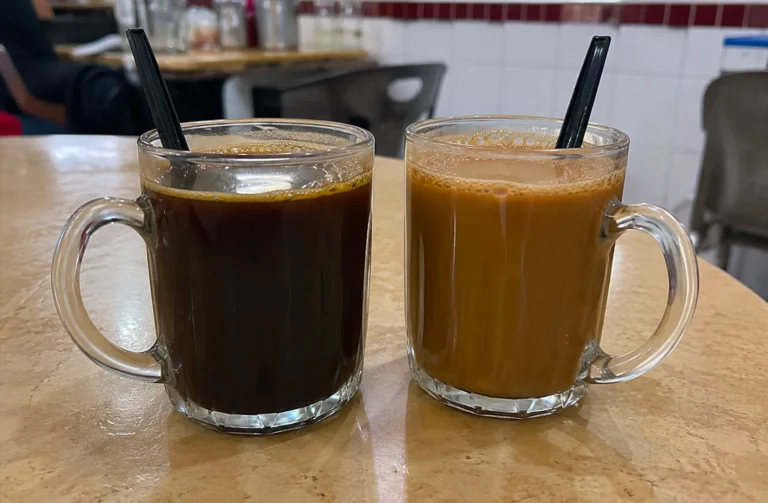
A kopitiam is simple, but that simplicity is part of its appeal. You do not need to dress up, make a reservation, or think too much about the experience. You arrive, order kopi or teh, choose something from the stalls, and sit among people from different walks of life. Office workers, retirees, students, parents with young children, and regulars who seem to know every stall owner by name all share the same space.
That mix is harder to find than we sometimes realise.
In a city where many dining concepts are becoming more specialised, kopitiams remain refreshingly everyday. They are not built around trends. They are built around routine. Breakfast before work, lunch during a break, dinner after a long day, supper when the neighbourhood is still awake. These places serve the rhythm of daily life.
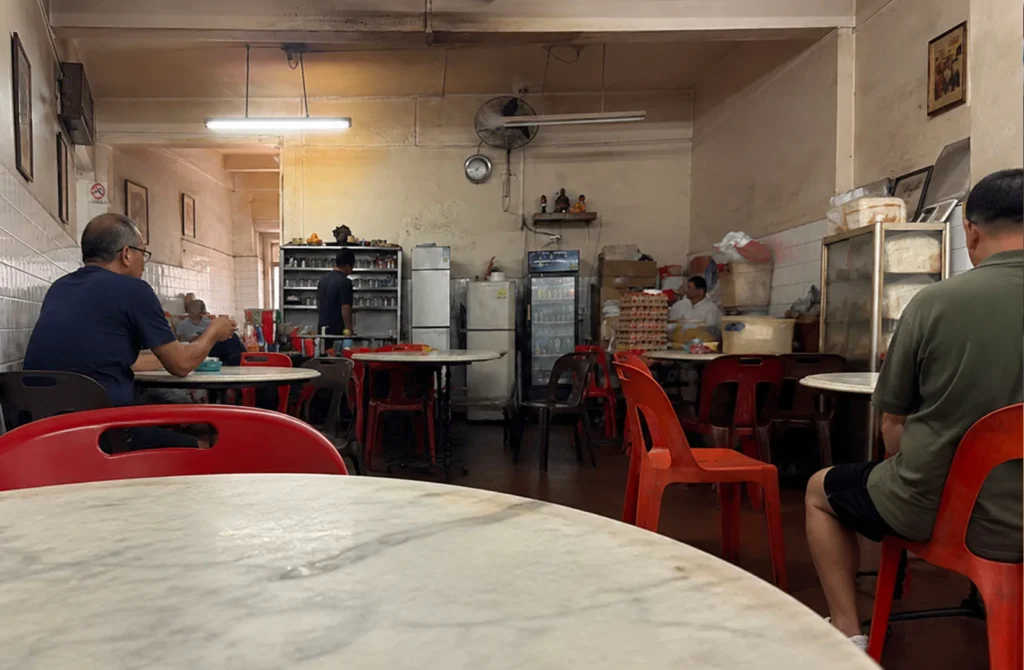
I think that is why their comeback feels meaningful. People are not only returning for kaya toast, economic rice, fishball noodles, or a strong cup of kopi. They are returning to a kind of dining that feels direct and familiar.
There is also trust in traditional coffee shops. Many stalls have served the same dishes for years, sometimes decades. The food may not always be polished, but it carries consistency. Customers know what they are getting. They know which stall has the better chilli, which auntie remembers their usual order, and which table gets the morning breeze.
At the same time, kopitiams are not frozen in the past. Some have been refreshed with better seating, cleaner layouts, and newer food options while still keeping their original character. Younger hawkers and small food operators are also finding room in these spaces, bringing new energy without completely changing what makes the kopitiam special.
That balance matters. The future of traditional coffee shops should not be about preserving every detail exactly as it was. It should be about keeping the spirit intact; affordable meals, familiar faces, open seating, and food that belongs to the neighbourhood.
The quiet comeback of kopitiams reminds me that not every dining space needs to be reinvented to stay relevant. Some places remain important because they continue to serve people well, day after day, without asking for attention.
In the end, the traditional kopitiam is not just surviving because Singaporeans miss the past. It is surviving because it still fits the present. For more reflections on Singapore’s food culture, local dining spaces, and everyday food stories, visit SG Dining Guide.