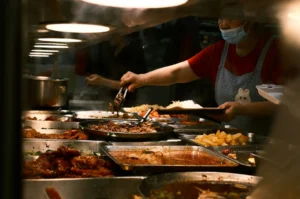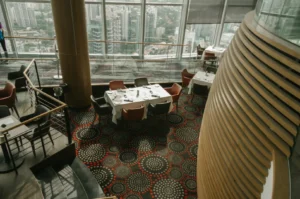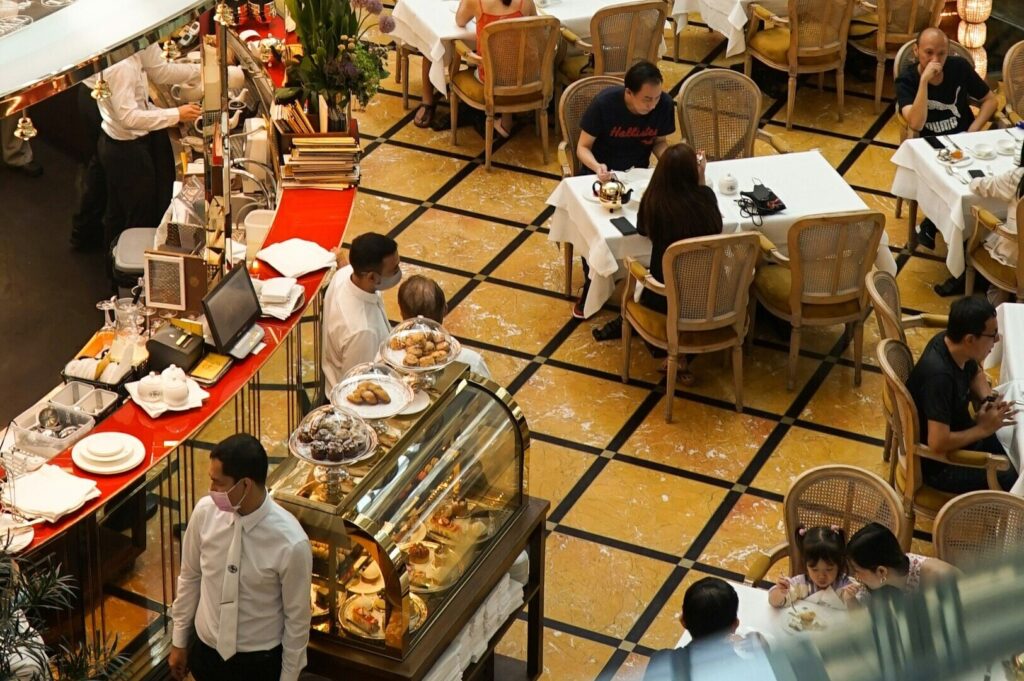
When you think of the restaurant Singapore scene, images of glittering Michelin-starred establishments and world-famous hawker stalls likely come to mind. While those are certainly part of our story, they don’t paint the full picture. The reality of Singapore dining 2026 is far more nuanced, practical, and, frankly, more interesting than what the travel brochures show. The average person living and eating in Singapore experiences a diverse food landscape that balances heritage and innovation, tradition and technology. Across different areas of Singapore—such as Orchard, Tanjong Pagar, and the Central Business District—each area offers its own unique concentration of restaurants and dining experiences, reflecting the city’s rich culinary diversity.
Singapore’s food scene includes both high-end dining and affordable hawker stalls, making it accessible for all budgets.
The gap between perception and reality can be vast. To truly understand how this city eats, you must look beyond the marquee names and observe the everyday rhythms of its people. This isn’t a guide to the most famous places; it’s an honest look at the restaurant Singapore landscape as it exists for us—the locals who navigate it daily, responding to the demands of taste, budget, and convenience.
Singapore Restaurants: The Daily Dining Reality
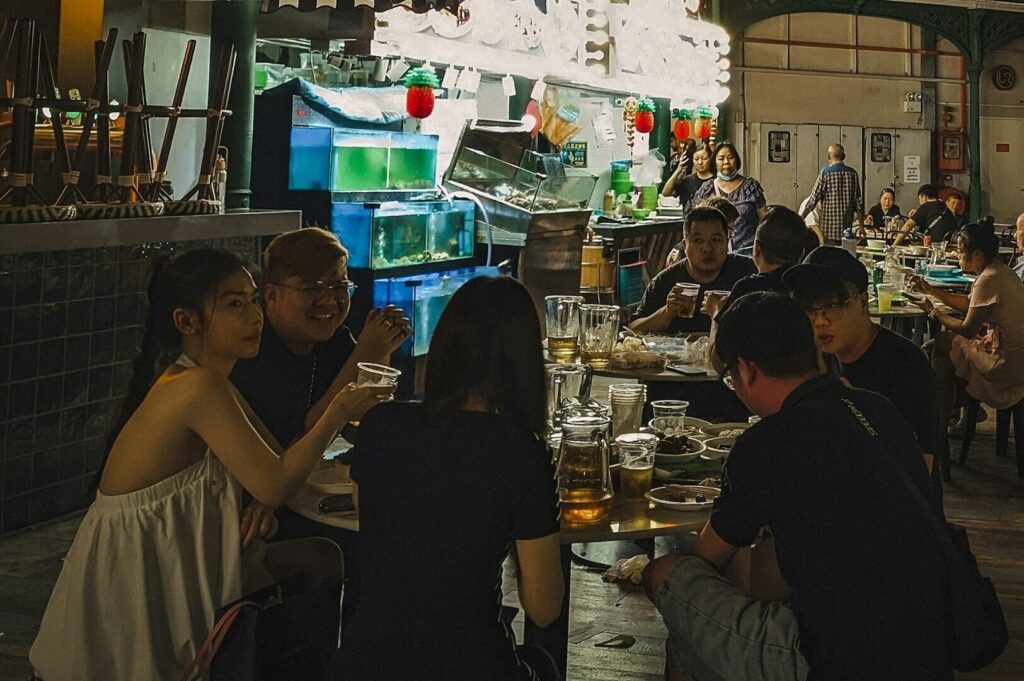
So, how do Singaporeans actually decide where to dine? On a typical weekday, the decision-making process for finding Singapore restaurants locals will frequent is driven by practicality. Convenience and proximity are king. Most of our daily meals are sourced from the ecosystem of hawker centres, kopitiams (coffee shops), and casual eateries located near our homes and workplaces. Hawker centres are essential to Singapore’s food culture, offering a variety of local dishes at affordable prices. Most Singaporeans eat at hawker centres, where dishes typically cost between $3 and $6, and you can easily eat well on under $10 a day if you stick to hawker centres. Many hawker centres operate long hours, with some open late or even 24 hours, making them accessible throughout the day.
The daily ritual of eating in Singapore is a beautiful mix of these environments. Breakfast might be kaya toast—a traditional breakfast item made with coconut-pandan jam and butter, often served with kopi—and Roti Prata, a popular local dish often enjoyed with curry, from a neighborhood coffee shop, served with a side of heritage stories passed down through decades. Lunch is often a quick, satisfying plate of Hainanese Chicken Rice—a must-try dish in Singapore, known for its tender poached chicken and fragrant rice—or Char Kway Teow, beloved for its smoky flavor and stir-fried noodles, from a nearby hawker centre. Dishes like char kway teow, chicken rice, mee rebus, and laksa are commonly found at hawker centres and enjoyed by locals every day. The choice is often made in seconds based on the shortest queue or a familiar, trusted vendor. For dinner, a casual, family-friendly restaurant Singapore has in every neighborhood might come into play, especially for a simple meal with loved ones.
In this context, value is paramount. While headlines celebrate extravagant tasting menus, the bulk of our dining Singapore budget is spent on meals that fall within the $5 to $25 range. It is within this accessible bracket that the heart of our food culture truly beats, offering incredible diversity and quality without breaking the bank.
Tasting Menus and the Restaurant Ecosystem in 2026
The overall landscape of Singapore restaurants 2026 is a hybrid model. The traditional, owner-operated establishments that have defined our neighborhoods for decades now coexist with a tech-driven, efficiency-focused model. Technology, particularly food delivery platforms, has fundamentally reshaped how every restaurant Singapore operates. While convenient, it has also put pressure on profit margins and forced kitchens to design menus that can withstand a 30-minute journey in a plastic box.
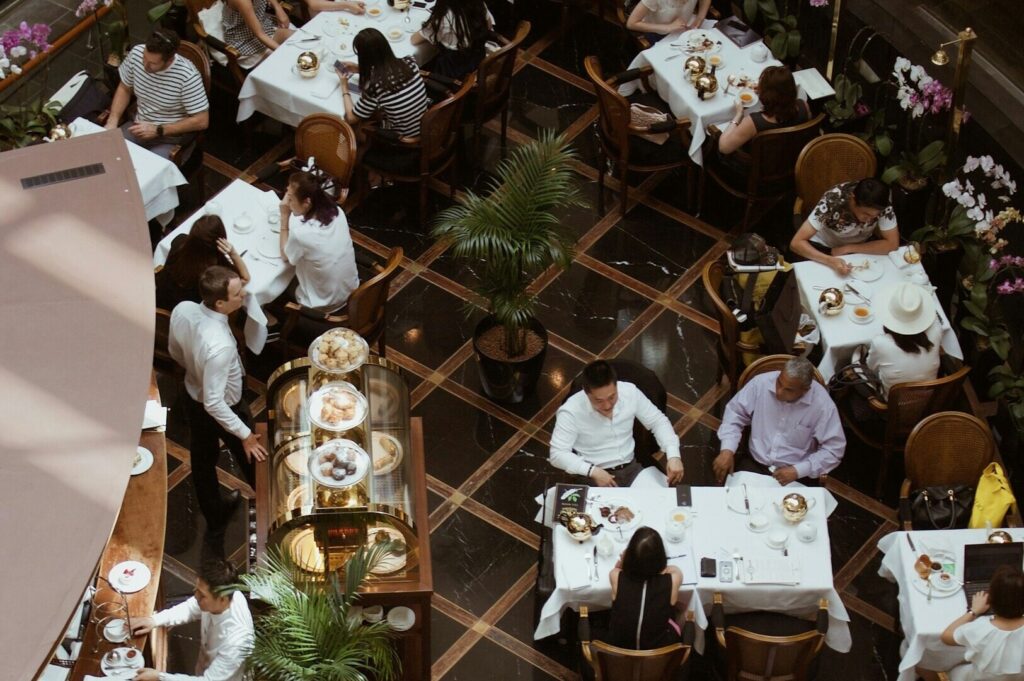
This has led to a clear distinction between “neighborhood” and “destination” dining. Neighborhood spots are the workhorses—reliable, consistent, and deeply integrated into the community. Destination restaurants are for weekends and special occasions, requiring reservations and travel. Many high-end restaurants are located on exclusive levels within luxury hotels or shopping complexes, adding to their sense of privacy and convenience for discerning diners.
When considering the best dining experiences, curated picks of top restaurants in Singapore often highlight not only the cuisine but also the unique space each venue offers. The space in these restaurants is thoughtfully designed, with ambiance and layout enhancing the overall dining experience and immersing guests in a distinctive atmosphere.
At the same time, the Singapore food scene 2026 shows a growing consciousness. Sustainability is no longer a fringe concept. More restaurants are making genuine efforts to source locally from vertical farms and coastal fisheries, reflecting a broader consumer demand for transparency. A unique farm-to-table dining concept in Singapore focuses on sustainability and local produce, featuring an on-site garden that connects diners directly to the source of their food. You will find this ethos not just in fine dining but also in mid-tier cafes and bistros that proudly display their farm-to-table credentials. This is evident in the crafting of tasting menus that pay homage to local heritage and global influences alike.
Singapore boasts a total of 30 Michelin-starred restaurants, offering a diverse range of cuisines including Indian, French, and Peranakan. Notable examples include Thevar, a Michelin-starred restaurant serving a South Indian tasting menu, and Candlenut, which specializes in Peranakan cuisine. The Michelin Guide awards stars based on the quality of the food, with three stars being the highest rating. Dining at these Michelin-starred restaurants can be expensive, with tasting menus often costing over $200 per person.
Burnt Ends and What Locals Actually Value
When you strip away the hype, what makes a restaurant Singapore residents will return to again and again? The answer is simple: authenticity and consistency. Novelty is exciting, but it has a short shelf life. The places that endure are those that deliver the same, high-quality experience every single time. This is a core pillar of our Singapore restaurant culture.
Take, for example, Burnt Ends, a bold and unforgettable dining experience that has been featured globally and loved by diners for its open kitchen and mastery of fire. It’s a place where every dish is crafted with precision, from the perfectly cooked wagyu to the inventive small plates that tease the senses. The staff create a warm atmosphere that feels like home, despite the restaurant’s world-class reputation.
We value diversity in our choices. On any given week, a local might eat Chinese, Malay, Indian, and Western food, often from different types of establishments. This cultural fluency is reflected in our dining habits. We appreciate a restaurant Singapore that stays true to its culinary roots, whether it’s a Peranakan eatery mastering its rempah or an Italian spot making pasta by hand.
Singapore’s vibrant nightlife means there’s always something happening at night, from late-night dining options to lively venues that keep the city buzzing after dark. Many restaurants and eateries offer extended hours, making it easy to enjoy a great meal or drinks well into the night.
The bar scene in Singapore is equally renowned, with standout bars like ATLAS—famous for its Art Deco design and vast gin collection—The Other Room, a hidden speakeasy known for barrel-aged cocktails and an intimate vibe, Junior The Pocket Bar with its rotating menu of creative cocktails inspired by global flavors, and Smith Street Taps, a casual beer bar in Chinatown Complex hawker centre serving local and international brews. Many bars offer happy hour bites or small plates, so you can pair your drinks with light meals. Singapore’s nightlife is diverse, offering everything from swanky cocktails to craft beer and natural wine.
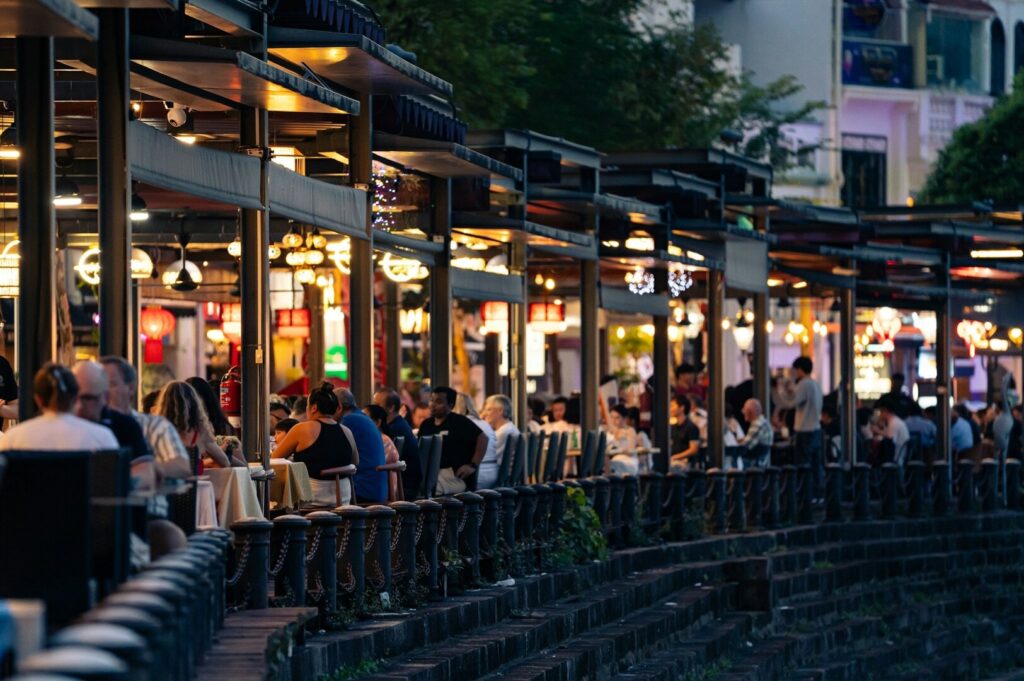
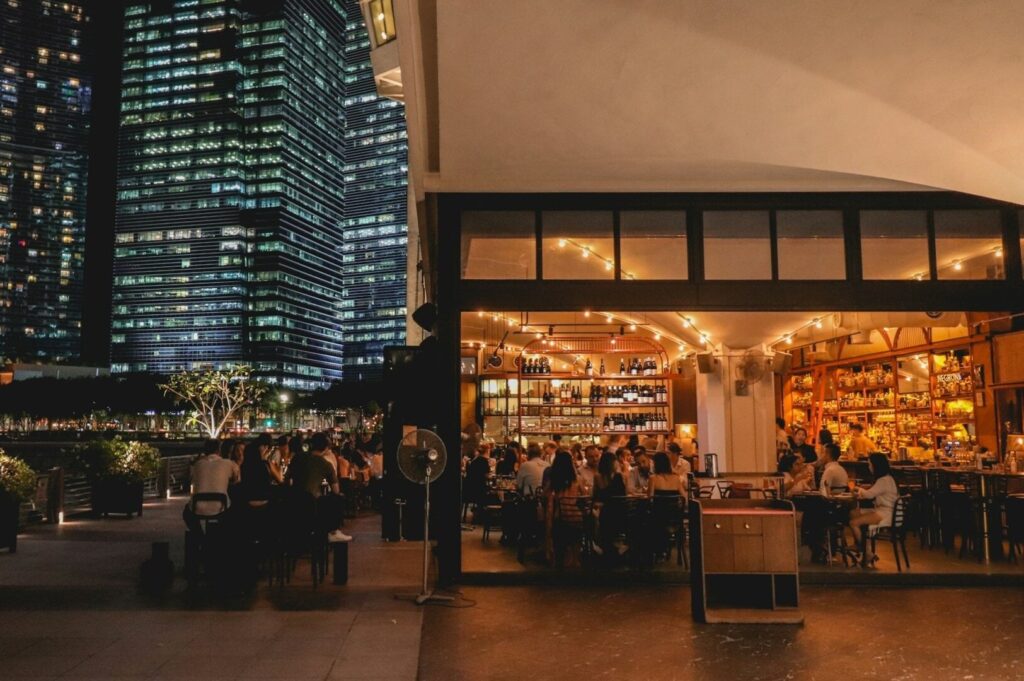
When dining out in the evening, locals often seek out cozy or upscale restaurants for a leisurely experience, enjoying the atmosphere as much as the food. Outdoor dining is also popular, with many eateries providing patio seating for a relaxed meal under the city lights.
Some iconic dishes and restaurants are beloved by locals. JUMBO is famous for its award-winning chili crab, especially at its East Coast Seafood Centre location, where diners don’t mind getting messy with a stack of napkins for this delicious treat. 328 Katong Laksa is another favorite, known for its thick rice noodles and coconut-rich broth—laksa itself is considered an iconic hawker dish, especially the spicy, coconut-rich version.
For those seeking something different, themed cafés in Singapore frequently change their pop-up themes, such as Tokidoki or My Little Pony, with photo-worthy decor that draws crowds even if the food is more about presentation than flavor.
While we embrace experimentation, it must be grounded in familiar flavors. The most successful “Mod-Sin” restaurants are those that innovate without losing the soul of the original dish. Ultimately, dining is a social act. We return to places that feel welcoming, where the service is efficient yet warm, and where the environment allows for easy conversation. A restaurant Singapore locals love is one that feels like an extension of their own home.
Conclusion: The True Magic of Dining in Singapore
The reality of Singapore dining 2026 is a tapestry woven from threads of tradition, technology, convenience, and community. It is less about chasing fleeting trends and more about embracing the comforting consistency of a well-made meal. Understanding these local priorities is the key to unlocking a deeper, more authentic culinary experience.
The true magic of the restaurant Singapore scene lies not just in its peaks of excellence, but in the incredible quality and diversity of its everyday food culture. Whether you’re completing your meal at a neighborhood hawker center or indulging in a multi-course tasting menu at a Michelin-starred spot, the connection between diners and food remains at the heart of it all.
From the bustling hawker stalls to the intimate dining spaces in the heart of Stamford and beyond, Singapore’s dining surroundings invite you to explore, enjoy, and respond to a culinary journey that is literally world-class. Don’t miss the chance to treat yourself to the unforgettable tastes and stories that make this city a true food lover’s haven.
And if you ever find yourself waiting for verification successful waiting messages or dealing with a ray id during online reservations, remember it’s all part of the action that keeps the vibrant restaurant Singapore scene moving forward, connecting people through food, culture, and shared experiences.