Choosing where to eat in Singapore can feel both exhilarating and completely overwhelming. With a culinary landscape that spans from Michelin-starred temples of gastronomy and the best Singapore restaurants to legendary hawker stalls serving iconic street food, the options are endless. Singapore restaurants offer a diverse mix of dining options, from upscale omakase counters to bustling food courts. As one of the top food destinations in the world, Singapore is renowned for its vibrant food scene that attracts both locals and international visitors. But without a plan, you risk falling into tourist traps, blowing your budget, or simply missing out on the best experiences.
This is where having a strategic approach becomes your most valuable tool. This guide isn’t just another list of recommendations; it’s a playbook filled with actionable frameworks to help you make smarter decisions. We’ll teach you the strategic HOW of Singapore dining. As your essential planning platform, sgdiningguide.com.sg provides the tools to navigate this complex scene, ensuring every meal is a victory. Let’s dive into your ultimate dining strategy Singapore playbook.
Understanding Singapore's Dining Economics
A key part of any Singapore dining guide is understanding the costs. The price spectrum is vast, ranging from a delicious $3-5 hawker meal to a $300+ fine dining experience. The secret to maximizing satisfaction is knowing when to save and when to splurge. A good strategy is to enjoy affordable, high-quality hawker meals for daily sustenance and save your budget for a truly special mid-range or fine dining experience that you’ll remember for years.
To identify value, look for long queues of locals, not just tourists. An overpriced spot often has prime frontage but lacks a local following. Also, understand the “plus plus” on your bill: restaurants add a 10% service charge and a 9% Goods & Services Tax (GST). Tipping is not expected but is appreciated for exceptional service. For example, a $4 bowl of noodles at a hawker center is pure value thanks to its generous serving size, while a $30 set lunch at a well-regarded restaurant in the CBD can offer a taste of luxury without the hefty dinner price tag.
Mastering the Art of Queue Strategy
In Singapore, the queue is a cultural institution. A long line often signals exceptional food, but it’s crucial to decode it correctly. Is it a queue of office workers at a hawker center? That’s a great sign. Is it a line of tourists at an Instagram-famous cafe? Proceed with caution. Discerning diners often know which lines are worth waiting for, and a core part of learning how to eat in Singapore is knowing which lines are worth your time.
To beat the crowds at hawker centers, avoid the peak hours of 12-1 PM for lunch and 6-7 PM for dinner. For restaurants, reservations are essential. Book high-end places weeks or even months in advance, while popular mid-range spots may require a week’s notice. Walk-ins are sometimes possible on weekdays, but never a guarantee. Many establishments use digital platforms for bookings, so plan ahead.
Dietary Considerations and Customization
Navigating dietary needs in Singapore is entirely possible with a bit of planning. For halal options, look for the official Halal certification logo displayed at stalls and restaurants. Vegetarian and vegan options are growing, especially in Indian restaurants and modern cafes, but require clear communication at traditional Chinese stalls.
Common allergens include peanuts (in satay sauce), shrimp (in chili and sambal), gluten, and eggs. Eggs are a key ingredient in many local breakfast dishes, such as soft-boiled eggs served with kaya toast, often sprinkled with soy sauce and white pepper. Learn key phrases like “no peanuts” or “I am vegetarian” to communicate your needs. When it comes to spice, “medium spicy” in a local context can be quite fiery for unaccustomed palates; it’s always safer to ask for “less spicy” (kurang pedas in Malay). For families, many restaurants offer kid-friendly options, but hawker centers provide the flexibility for everyone to choose their own meal. Politely requesting modifications is generally acceptable, but understand that busy hawker stalls with set recipes have limited ability to customize.
If you need halal, vegetarian, or allergy-friendly options across various restaurant types, consult Dining in Singapore: The Ultimate Guide to the Lion City’s World-Class Food Scene for curated recommendations.
Location-Based Dining Planning for Hawker Centres
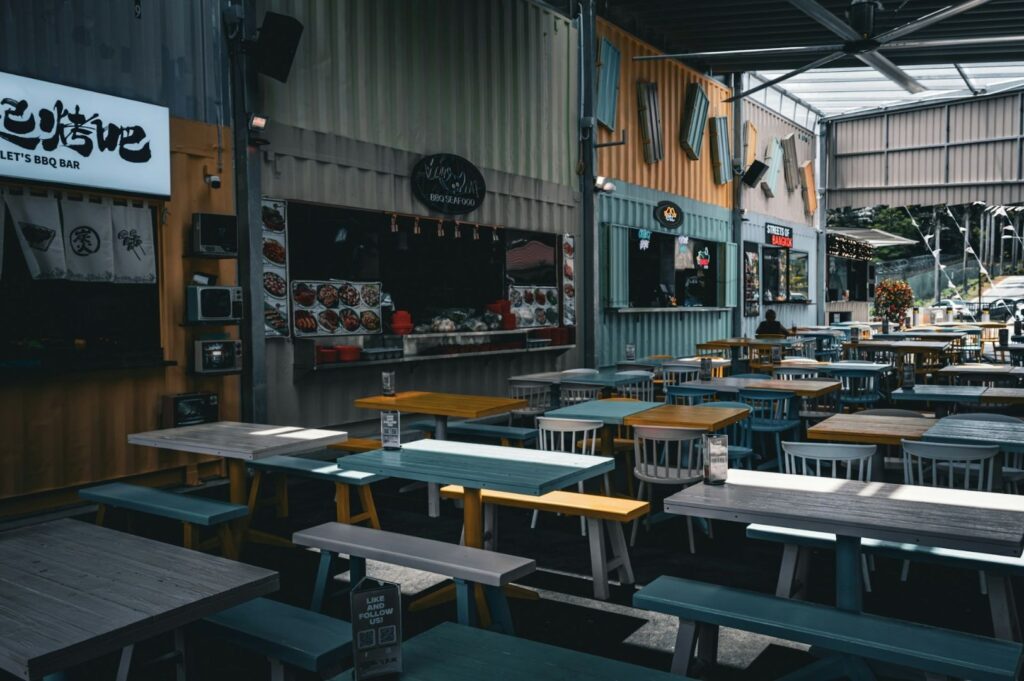
An effective Singapore restaurant planning strategy involves clustering your meals by neighborhood. This saves valuable travel time and allows you to pair dining with sightseeing or shopping. For instance, you could spend a morning exploring the temples in Chinatown, have lunch at Maxwell Food Centre, and then browse the shops at Ann Siang Hill. Other great spots for dining include Holland Village, Little India, Marina Bay, and Orchard Road—each is a recommended destination for food lovers seeking vibrant atmospheres and diverse cuisine.
Given Singapore’s tropical climate, always have a rain contingency. If you plan to eat at an open-air hawker center like Changi Village, have an indoor alternative like a nearby shopping mall food court in mind. Transit times are also a factor; while the MRT is efficient, allow at least 30-45 minutes to travel between distant dining districts like Katong and Jurong. For late-night needs, areas like Geylang are famous for supper spots, while Clarke Quay offers options alongside its bars.
Building Your Personal Dining Itinerary
The best way to explore Singapore’s food scene is with a balanced approach. A great food itinerary should include a mix of hawker experiences, mid-range restaurant meals, and perhaps one fine dining splurge. This strategy helps you manage your budget and avoids “food fatigue” from eating too much of the same thing.
A useful method is the “one must-try per cuisine” approach. Aim to sample iconic dishes like Hainanese Chicken Rice, Laksa, nasi lemak, char kway teow, hor fun, roti prata, chilli crab, dumplings, and curry over several days rather than cramming them into one. Many restaurants offer platters featuring a variety of meats, beef, and fish, perfect for sharing with friends. Dishes are often prepared and cooked with a blend of spices, and traditional meals highlight the use of fragrant rice and basmati rice. Small plates are a great way to sample a variety of menu items, letting you experience more delicious food in one sitting. Enjoy memorable meals at breakfast, lunch, or dinner—you might discover a new favorite dish to try on your next visit. Some of the best memories come from the dishes you ate unexpectedly. It’s also wise to balance a structured hit list with room for spontaneity—some of the best discoveries happen by chance.
Social Dining Dynamics
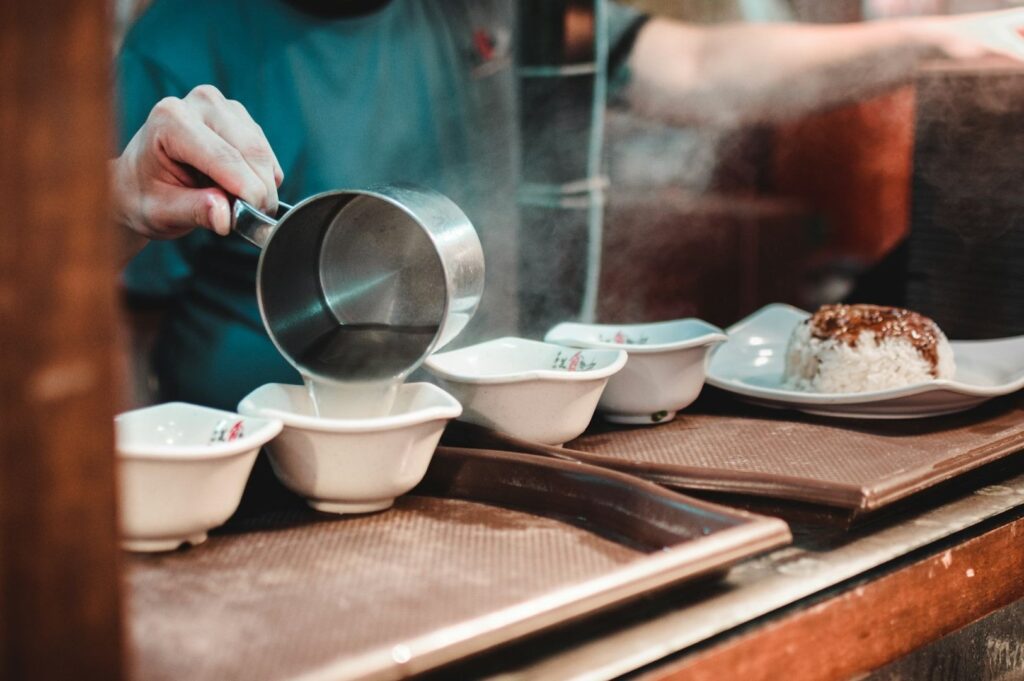
Understanding social etiquette is crucial for a smooth dining experience. Singapore is very solo-diner friendly, especially at hawker centers and casual eateries with counter seating. At hawker centers, food is served quickly and efficiently, and sharing a serving with others can foster a sense of connection among diners. Table-sharing is the norm during peak hours. It’s polite to ask, “Is this seat taken?” before sitting down at a partially occupied table.
For business dining, choose a restaurant with a professional ambiance, manageable noise levels, and reliable service; hotel restaurants are often a safe bet. Some restaurants serve dishes in a way that enhances the social dining experience, encouraging guests to share and connect over each serving. When planning a date night, consider not just the food but the atmosphere. Look for venues with more intimate seating, lower lighting, and good acoustics for conversation.
Leveraging Technology and Local Resources
To navigate Singapore’s dining scene like a pro, you need the right tools. You can also browse menus online to compare offerings and find the best restaurants that match your preferences, whether you’re seeking a sushi omakase, a grill experience, or something else. This is your command center for strategic planning.
Use the platform to discover the best restaurants in Singapore, including those specializing in grill cuisine or offering unique tasting menus.
When reading online reviews, learn to be critical. Look for detailed feedback from local food bloggers over generic, one-line tourist comments. Social media, particularly Instagram, is great for real-time updates and discovering new openings, but be wary of places that are more hype than substance. A smart diner uses a combination of curated platforms, local blogs, and real-time social media to get a complete picture.
Common Mistakes to Avoid
Even seasoned foodies can make simple errors. Here are a few common pitfalls to steer clear of:
Over-planning: Leaving no room for spontaneous discoveries can rob you of some of the best experiences.
Instagram Hype: Don’t let a pretty picture lead you to a mediocre meal. Cross-reference hyped spots with reviews from trusted local sources.
Ignoring Local Advice: If a taxi driver or hotel concierge gives you a tip, listen! Local, human recommendations are invaluable for finding authentic experiences.
Overlooking Hawker Centres and Best Hawker Stalls: Don’t miss out on Singapore’s iconic hawker centres and the best hawker stalls, some of which have been run by three generations of the same family. These places are central to the city’s food culture and offer some of the most memorable meals.
Forgetting Rest Days: Many hawkers and small restaurants close one day a week. Always check opening hours before making a trip.
Conclusion
A strategic approach to dining in Singapore elevates your experience from good to exceptional. It’s about more than just eating; it’s about smart planning, cultural understanding, and maximizing every opportunity. By focusing on the strategic HOW, you complement your knowledge of WHAT to eat, WHERE to find it, and WHEN to go.