Singapore’s Best Food: A Complete Guide to the Lion City’s Most Iconic Dishes
Singapore stands as Asia’s undisputed food capital, where centuries of maritime trade have created the world’s most vibrant culinary melting pot. This island nation’s strategic position attracted Chinese immigrants from southern provinces, Malay communities, Indian traders, and Portuguese descendants, each bringing distinctive flavors that merged into something entirely unique. From humble hawker stalls serving meals for just $3 SGD to Michelin-starred street food, Singapore’s best food represents the perfect fusion of authenticity, accessibility, and innovation.
Whether you’re seeking the perfect bowl of laksa, hunting for Instagram-worthy chili crab, or navigating your first hawker centre experience, this comprehensive guide covers everything food lovers need to know about Singapore’s most iconic dishes and where to find them.
Singapore’s Most Iconic Must-Try Dishes
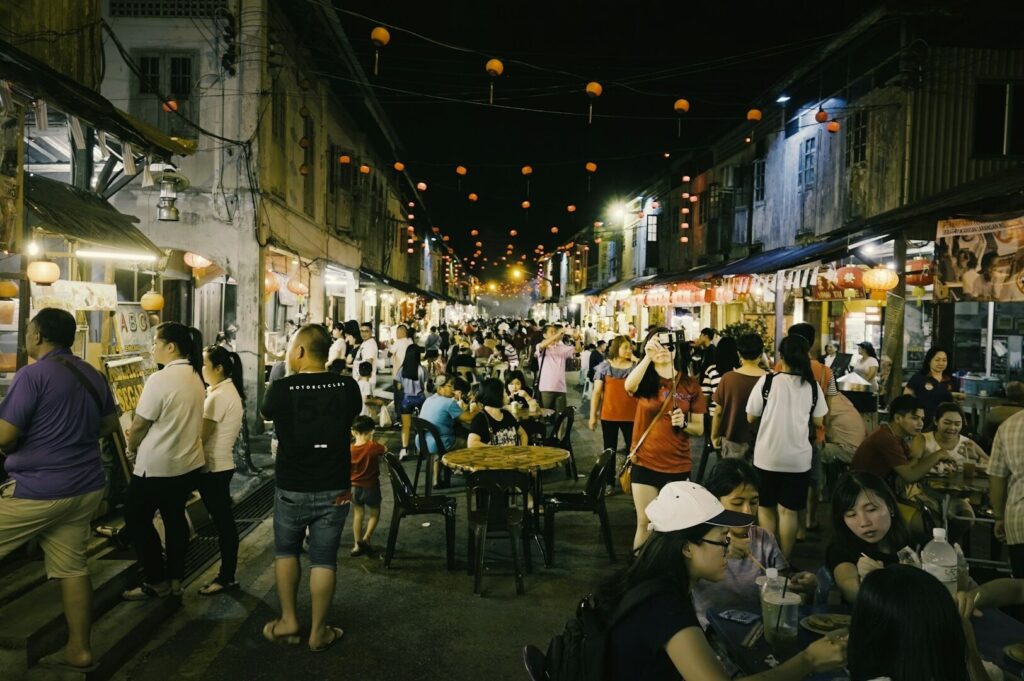
Singapore’s position as a cultural melting pot created unique cuisine that blends Chinese, Malay, Indian, and Peranakan influences into dishes found nowhere else in the world. These five essential dishes represent the foundation of Singapore’s best food and showcase how immigrant communities adapted their homeland recipes using local ingredients and cooking techniques.
Hainanese Chicken Rice - Singapore’s National Dish
Hainanese chicken rice holds unofficial status as Singapore’s national dish, though its journey from China’s Hainan Island to local institution demonstrates how immigrant food traditions evolved in Singapore. This deceptively simple dish requires precise technique: poached chicken served at optimal tenderness alongside fragrant rice cooked in chicken fat, garlic, and pandan leaves. The complete experience includes three signature dipping sauces – chili sauce with ginger and garlic, ginger-scallion paste, and dark soy sauce – allowing diners to customize each bite.
The preparation method separates exceptional versions from ordinary ones. The chicken must be poached at precisely controlled temperatures to ensure the meat remains succulent while the skin achieves a silky texture. The rice component carries equal importance, absorbing the rich chicken stock and aromatics to create a fragrant foundation that complements rather than competes with the protein.
Where to find the best versions:
Tian Tian Hainanese Chicken Rice at Maxwell Food Centre offers internationally acclaimed chicken rice for $12 SGD per half chicken, earning praise from celebrity chefs including Gordon Ramsay
Hup Hong at Yuhua Village Market provides exceptional value at $3 SGD, proving that outstanding chicken rice doesn’t require premium pricing
Different stalls offer variations between soft versus firm chicken texture and light versus richly flavored rice, allowing food lovers to discover their preferred style through multiple tastings.
Chili Crab - The King of Singapore Seafood
Chili crab represents Singapore’s most famous culinary innovation, invented locally in the 1950s by street food vendor Cher Yam Tian who revolutionized stir-fried crabs by adding a sweet-tangy-spicy tomato-based sauce. Unlike many dishes with immigrant origins, chili crab emerged entirely from Singapore’s creative food culture, demonstrating how the city-state continued evolving beyond imported traditions.
The signature sauce balances tomato paste, egg ribbons, and sambal to create complex savory flavors with subtle heat and sweetness. Mud crabs are preferred for their sweet meat and ability to absorb the sauce, while the messy eating experience requires fried mantou buns for mopping up every drop of the precious sauce. The dish achieves perfect harmony between fresh seafood and bold seasonings without overwhelming the crab’s natural sweetness.
Premier destinations for chili crab:
Long Beach Seafood at East Coast offers premium chili crab experiences averaging $100 SGD per person in a scenic waterfront setting
Popular variations include black pepper crab and salted egg yolk crab, each showcasing different sauce preparations with the same quality seafood
The communal aspect of sharing chili crab creates memorable dining experiences, as the messy eating style encourages conversation and laughter while savoring one of Singapore’s greatest culinary achievements.
Laksa - Singapore’s Beloved Spicy Noodle Soup
Laksa exemplifies how Singapore’s food culture blends Chinese and Malay culinary traditions into something uniquely local. The Katong variety, specific to Singapore, features thick rice noodles swimming in rich coconut milk broth infused with aromatic spices, dried shrimp, and laksa leaves. Essential components include fresh prawns, fish cake slices, cockles, and bean sprouts, creating textural variety in each spoonful.
The complex broth requires hours of preparation, combining coconut milk with a spice paste made from chilies, shallots, lemongrass, and galangal. This creates the characteristic orange-red color and layered flavors that balance richness, heat, and aromatic complexity. Traditional preparation involves no chopsticks – diners use only a spoon to fully appreciate the harmony between noodles, seafood, and intensely flavored broth.
Essential laksa destinations:
328 Katong Laksa serves the definitive version of Singapore-style laksa with perfectly balanced spice levels and generous seafood portions
Sungei Road Laksa at Jalan Berseh offers exceptional value at $3 SGD per bowl while maintaining authentic preparation methods and quality ingredients
The dish represents comfort food for locals while providing visitors with an accessible introduction to Singapore’s bold flavor profiles and multicultural culinary heritage.
Char Kway Teow - Smoky Stir-Fried Noodle Perfection
Char kway teow showcases the Chinese mastery of wok cooking adapted to Southeast Asian ingredients and preferences. This beloved noodle dish features flat rice noodles stir fried over intense heat with dark soy sauce, creating the essential “wok hei” or breath of the wok that imparts characteristic smoky flavors impossible to replicate with lower-temperature cooking methods.
Traditional preparation includes beaten eggs, Chinese sausage, blood cockles, fresh bean sprouts, and chili, though many stalls offer variations to accommodate different preferences. The key lies in achieving proper charring without burning, requiring skilled temperature control and precise timing. Quality versions balance sweet dark soy sauce flavors with the natural smokiness from high-heat stir frying.
Outstanding char kway teow locations:
Hill Street Char Kway Teow at Bedok South creates exceptional versions for $4 SGD using traditional techniques and quality ingredients
No.18 Zion Road offers highly regarded char kway teow known for perfect wok hei and generous portions
The dish demonstrates how seemingly simple street food requires considerable technical skill, with the best hawker stalls producing consistently excellent results through decades of practice and refinement.
Satay - Grilled Skewers with Rich Peanut Sauce
Satay represents the Malay tradition of flame-grilled meat skewers that evolved from simple street food into an internationally recognized Singapore specialty. Marinated chicken, beef, or mutton gets grilled over charcoal fires, creating distinctive char marks and smoky aromas while maintaining tender, juicy interiors. The accompanying peanut sauce provides rich, slightly sweet flavors that complement rather than mask the grilled meat.
Traditional satay service includes cucumber slices, diced onions, and compressed rice cakes (ketupat) alongside the signature peanut sauce enriched with palm sugar and aromatic spices. The dipping sauce achieves perfect balance between nutty richness, subtle sweetness, and gentle heat that enhances the charred meat flavors.
Premier satay destinations:
Alhambra Satay at Geylang Serai offers excellent value with 10 skewers for $6.50, featuring perfectly marinated meat and exceptional peanut sauce
Lau Pa Sat Satay Street provides multiple vendors in one location, allowing comparison between different preparation styles and sauce recipes
The communal aspect of sharing satay plates creates social dining experiences while the grilled meat skewers served alongside fragrant rice provide satisfying, complete meals.
Essential Hawker Centre Dishes
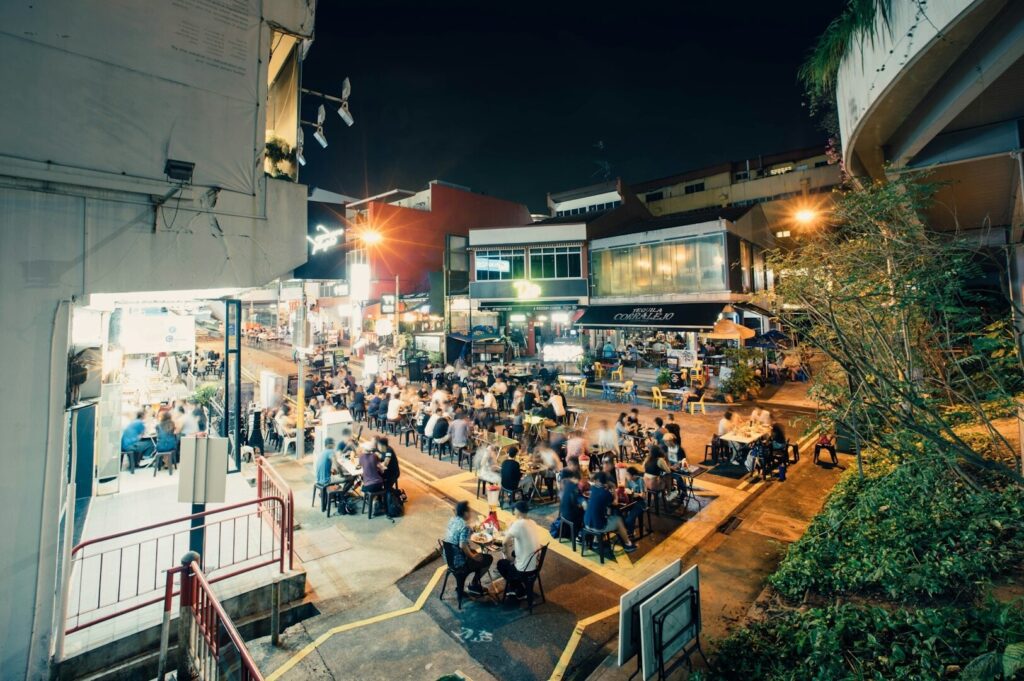
Hawker centres serve as the heart of Singapore’s food culture, these open-air food courts offer authentic local flavors at remarkably affordable prices while preserving generations of culinary tradition. Beyond the internationally famous dishes, hawker stalls serve dozens of local specialties that reveal the depth and diversity of Singapore’s best food scene.
Bak Kut Teh - Herbal Pork Rib Soup
Bak kut teh, literally translated as “pork bone tea,” represents Chinese comfort food adapted to Singapore’s preferences for bold, aromatic flavors. This hearty soup features tender pork ribs simmered in a complex broth infused with white pepper, garlic, and Chinese herbs, creating warming, medicinal qualities appreciated across generations. The traditional dining experience includes drinking Chinese tea alongside the soup, supposedly to aid digestion of the rich pork.
The distinctive peppery broth requires hours of careful simmering to extract maximum flavor from pork bones while achieving the perfect balance between herbal complexity and comforting richness. Quality versions feature fall-off-the-bone tender ribs with intensely flavored broth that provides both nourishment and satisfaction. The dish typically includes preserved mustard greens and steamed white rice for a complete meal.
Best bak kut teh experience:
Outram Park Yahua Rou Gu Cha at Keppel Road serves exceptional versions for $7 SGD with particularly aromatic broth and tender pork ribs
Hokkien Mee - Rich Seafood Noodles
Hokkien mee demonstrates the Chinese immigrant community’s adaptation of homeland recipes using locally available seafood and cooking techniques. This substantial noodle dish combines yellow egg noodles and rice noodles stir fried with prawns, squid, and pork in a rich prawn stock that concentrates seafood flavors into every strand. The essential wok hei technique creates depth and complexity impossible to achieve through gentler cooking methods.
The dark, glossy appearance comes from proper caramelization of ingredients and sauce, while generous seafood portions provide protein and distinctive ocean flavors. Traditional preparation includes hard-boiled quail eggs and crispy pork lard, though many contemporary versions offer lighter alternatives while maintaining authentic taste profiles.
Premier Hokkien mee destination:
Nam Sing at Old Airport Road Food Centre serves legendary versions for $4 SGD, featuring exceptional prawn stock and perfectly balanced noodle textures
Wanton Mee - Cantonese Noodle Comfort Food
Wanton mee represents Cantonese culinary traditions preserved and refined through generations of Singapore preparation. This beloved noodle dish features springy egg noodles topped with delicate pork and shrimp dumplings, sliced char siu barbecue pork, and blanched vegetables in a light, clear broth. The simplicity allows each component to shine while creating harmonious flavors and textures.
Quality wanton mee requires exceptional noodle texture – springy but not tough, with just enough bite to provide satisfaction. The wontons must achieve delicate wrapper texture surrounding well-seasoned filling, while the char siu provides sweet, smoky flavors that complement the subtle broth. Many diners enhance the dish with sambal chili for additional heat and complexity.
Outstanding wanton mee location:
Guangzhou Mian Shi at Tanglin Halt creates exceptional versions for $3 SGD with particularly well-made wontons and perfectly cooked noodles
Where to Find Singapore’s Best Food
Understanding Singapore’s food geography enables efficient exploration of the city-state’s diverse culinary landscape. From tourist-friendly food centres to neighborhood hawker centres known only to locals, each location offers distinct advantages for different dining objectives and budgets.
Top Hawker Centres for Food Adventures
Maxwell Food Centre (1 Kadayanallur Street, Singapore 069184) Operating hours: 8:00 AM – 2:00 AM daily Nearest MRT: Tanjong Pagar (2-minute walk)
Maxwell Food Centre houses Singapore’s most internationally famous hawker stalls, including Tian Tian Hainanese Chicken Rice, making it essential for first-time visitors. The compact size enables efficient sampling of multiple renowned stalls, though tourist popularity means higher prices and longer queues than purely local venues. The central location provides convenient access for hotel guests staying in the Chinatown area.
Old Airport Road Food Centre (51 Old Airport Road, Singapore 390051) Operating hours: 6:00 AM – 2:00 AM daily Nearest MRT: Dakota (10-minute walk)
This expansive complex features over 50 stalls including Nam Sing Hokkien Mee and other legendary vendors. The larger scale creates more authentic hawker centre atmosphere with better value pricing, though the location requires more effort to reach. The diverse selection enables comprehensive exploration of Singapore’s hawker culture in a single visit.
Chinatown Complex (335 Smith Street, Singapore 050335) Operating hours: 6:00 AM – 2:00 AM daily Nearest MRT: Chinatown (2-minute walk)
As Singapore’s largest hawker centre with 260+ stalls across multiple floors, Chinatown Complex offers unparalleled variety and authentic local pricing. The overwhelming selection can challenge first-time visitors, but adventurous food lovers discover exceptional value and dishes rarely found elsewhere. The basement level houses the wetmarket, providing insight into Singapore’s food supply chain.
Newton Food Centre (500 Clemenceau Avenue North, Singapore 229495) Operating hours: 6:00 PM – 2:00 AM daily Nearest MRT: Newton (1-minute walk)
Featured prominently in Crazy Rich Asians, Newton provides scenic outdoor dining with tourist-friendly atmosphere and later operating hours. Prices reflect the convenient location and movie fame, but the experience offers excellent introduction to hawker culture for visitors seeking comfortable surroundings. The seafood stalls particularly excel, though advance price confirmation prevents surprises.
Michelin-Recognized Street Food
Singapore’s hawker culture achieved international recognition when several stalls earned Michelin Bib Gourmand status, proving that exceptional food transcends formal dining environments. These accolades validate what locals always knew – that Singapore’s best food often comes from humble stalls operated by passionate hawkers dedicating decades to perfecting their craft.
Hill Street Tai Hwa Pork Noodles (466 Crawford Lane, Singapore 190465) Operating since 1935, this family-run stall creates exceptional minced pork and fish ball noodles using recipes passed down through three generations. The Michelin recognition brought international attention, resulting in longer queues but unchanged quality and preparation methods.
Liao Fan Hawker Chan (78 Smith Street, Singapore 058972) This modest stall gained worldwide fame as the first street food vendor awarded a Michelin star, serving soy sauce chicken rice and noodles for under $3 SGD. The recognition demonstrates how exceptional flavors and technique matter more than formal dining environments.
The Michelin acknowledgments highlight Singapore’s unique food culture where world-class cuisine remains accessible through hawker centres, maintaining the democratic tradition where outstanding food isn’t restricted by economic barriers.
Singapore’s Unique Food Culture and Heritage

Singapore’s food culture emerged from practical necessity when 19th-century immigrants needed affordable, satisfying meals while working long hours in a new country. Chinese hawkers carried mobile kitchens on bamboo poles, Malay vendors specialized in grilled meats, and Indian hawkers contributed colorful sweets, creating the vibrant street food tradition that evolved into today’s hawker centre culture.
The remarkable affordability meant anyone could purchase substantial meals for just three cents, making quality food accessible across all economic classes. This democratic approach to dining remains fundamental to Singapore’s food identity, where hawker centres serve as social equalizers where business executives and construction workers share tables while enjoying the same exceptional local cuisine.
Peranakan Food - A Unique Cultural Fusion
Peranakan food represents one of Singapore’s most sophisticated culinary traditions, emerging from the unique cultural blend of Chinese immigrants who settled in the Malay Peninsula and adopted local customs while maintaining Chinese culinary techniques. This fusion created complex dishes using European, Chinese, and Malay ingredients and preparation methods that exist nowhere else in the world.
Signature dishes include babi buah keluak, featuring pork stewed with Indonesian black nuts that require extensive preparation, and assam prawns showcasing the Peranakan mastery of sweet, sour, and spicy flavor balance. The cooking techniques involve multiple stages of preparation and rare ingredients like keluak nuts, making authentic Peranakan food increasingly difficult to find as older generations pass away without transferring their knowledge.
Where to experience authentic Peranakan cuisine:
Daisy’s Dream Kitchen at West Coast Road serves traditional dishes ranging from $10-15 SGD with authentic preparation methods and family recipes passed down through generations
The intricate cooking processes and specialized ingredients make Peranakan food labor-intensive and expensive compared to typical hawker fare, but the unique flavors justify the premium for food lovers seeking Singapore’s most distinctive culinary traditions.
Kopitiam Culture - Traditional Coffee Shop Experience
Kopitiam culture represents the intersection of Malay and Chinese traditions in Singapore’s dining landscape, these traditional coffee shops serve as community gathering spaces where locals begin each day with breakfast combining kaya toast, soft boiled eggs, and kopi (traditional coffee). The term kopitiam derives from the Hokkien words for coffee and shop, reflecting the Chinese immigrant influence on local dining customs.
The classic breakfast combination demonstrates cross-cultural fusion: kaya toast features coconut jam on charcoal-grilled bread, soft boiled eggs provide protein with a touch of white pepper and dark soy sauce, while kopi blends coffee with condensed milk using brewing techniques developed specifically for Singapore’s climate and preferences.
Historic kopitiam experiences:
Chin Mee Chin Confectionery (since 1925) preserves traditional atmosphere with vintage tiles, marble tables, and unchanged recipes
Tong Ah Kopitiam maintains authentic kopitiam culture with traditional coffee preparation and classic breakfast combinations
Understanding local coffee terminology enhances the kopitiam experience: kopi refers to coffee with condensed milk, kopi-o means coffee with sugar but no milk, and kopi-c indicates coffee with evaporated milk. These variations reflect Singapore’s multicultural preferences adapted to local ingredients and climate.
Modern Fusion Cuisine Trends
Contemporary Singapore chefs increasingly experiment with fusion concepts that build upon the city-state’s multicultural foundation while applying modern techniques and presentation styles. This evolution respects traditional flavors while making them accessible to international palates and contemporary dining preferences.
Contemporary Takes on Classic Dishes
Modern Singapore restaurants elevate traditional hawker dishes through refined techniques and premium ingredients while maintaining authentic flavor profiles. Upscale establishments serve deconstructed laksa with housemade noodles and intensely concentrated broths, or present chicken rice using free-range poultry and artisanal rice preparations that honor traditional methods while improving quality.
These reinterpretations typically cost 3-4 times more than hawker versions, with restaurant chicken rice ranging from $28-45 SGD compared to $3-12 SGD at stalls. However, the elevated presentations, premium ingredients, and comfortable dining environments appeal to special occasion dining and international visitors seeking familiar flavors in refined settings.
Successful fusion maintains the essential character of traditional dishes while improving technique, ingredients, or presentation. Unsuccessful attempts prioritize novelty over flavor authenticity, creating confusion rather than enhancement of Singapore’s culinary heritage.
Budget-Friendly Food Experiences
Singapore’s hawker centres remain the world’s best value for exceptional food quality, with complete meals available for $3-15 SGD while maintaining standards that rival expensive restaurants. This accessibility stems from government subsidies for hawker centre operations, low overhead costs, and the efficiency of specialized stalls producing high volumes of limited menu items.
The economic model enables quality ingredients and skilled preparation at remarkable prices: fresh seafood in laksa, free-range chicken in chicken rice, and premium cuts in char kway teow all remain affordable through the hawker system’s efficiency and scale.
Best Value Dishes Under $5 SGD
Carrot Cake at Song Zhou Luo Bo Gao – $3 SGD This isn’t actually cake but stir-fried radish cake cubes with eggs and preserved radish, offering substantial portions with satisfying textures and umami-rich flavors. The dish demonstrates how simple ingredients achieve complex satisfaction through proper technique.
Wanton Mee at various hawker stalls – $3 SGD Multiple locations serve exceptional wanton mee for $3 SGD, featuring handmade wontons, quality noodles, and char siu that provide complete meals with balanced nutrition and satisfying flavors. The consistency across different stalls shows how competitive hawker culture maintains quality standards.
Traditional Kaya Toast breakfast set – $4-5 SGD The complete kopitiam breakfast including kaya toast, soft boiled eggs, and kopi provides authentic Singapore experience with historical significance and cultural immersion alongside satisfying flavors and portions.
Money-saving strategies include avoiding tourist-heavy locations like Newton Food Centre in favor of neighborhood hawker centres, eating during off-peak hours when some stalls offer promotions, and sharing multiple dishes rather than ordering individual portions to maximize variety within budget constraints.
Instagram-Worthy Dishes and Dining Spots
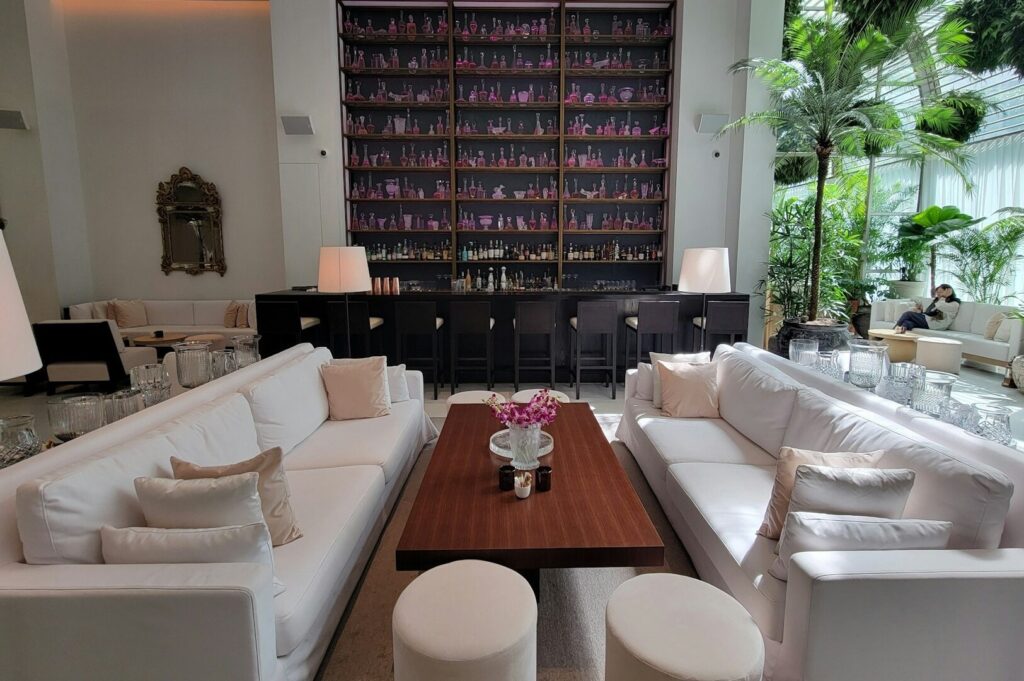
Singapore’s food scene offers exceptional photographic opportunities combining vibrant colors, interesting textures, and atmospheric settings that capture both visual appeal and cultural authenticity. The key lies in understanding which dishes photograph well and selecting locations with appropriate lighting and background elements.
Most Photogenic Food Experiences
Chili Crab creates dramatic visual impact with its vibrant red sauce coating whole mud crabs, the messy eating style adds authenticity to photos, while fried mantou buns provide textural contrast. The communal sharing aspect enables group photos that capture the social dining experience alongside the stunning food presentation.
Durian fruit and desserts generate controversial but visually striking content with their distinctive appearance and reputation as Singapore’s most polarizing food. The spiky exterior and creamy interior create interesting textural contrasts, while the strong reactions from first-time tasters provide entertaining photo and video content.
Colorful rojak salads and ice kachang desserts offer rainbow appearances that photograph beautifully while representing authentic local treats. The ice kachang’s towering shaved ice with colorful syrups and toppings creates particularly striking images that capture Singapore’s tropical climate and playful food culture.
Traditional kopitiam settings provide atmospheric backgrounds with vintage tiles, marble tables, and authentic details that contextualize food photos within Singapore’s cultural heritage. These environments add storytelling elements that elevate simple food photography into cultural documentation.
Successful food photography in Singapore requires understanding natural lighting in hawker centres, managing crowded environments, and respecting other diners while capturing authentic moments rather than staged presentations.
Essential Tips for Navigating Singapore’s Dining Scene
Understanding Singapore’s unique dining customs and practical considerations enables more enjoyable and authentic food experiences while avoiding common mistakes that can diminish the hawker centre adventure.
Hawker Centre Survival Guide
The “Chope” System Singapore’s tissue packet table reservation system represents efficient social protocol where diners place tissue packets, name cards, or personal items on tables before ordering food. This practice, known as “choping,” allows securing seating in crowded venues while food preparation occurs. Attempting to sit at marked tables risks social disapproval and potential confrontation, as locals strictly respect this informal but universally understood system.
Ordering and Payment Process Most hawker stalls operate on direct ordering at individual vendors, with separate payment for each dish. Cash remains the primary payment method at traditional stalls, though digital options like PayNow and GrabPay increasingly appear. Popular stalls often have queues, with queue length serving as reliable quality indicator – locals use wait times as social proof of a stall’s reputation.
Peak Hours and Timing Hawker centres experience distinct rush periods: breakfast (7:00-9:00 AM), lunch (12:00-2:00 PM), and dinner (6:00-8:00 PM). Visiting during off-peak hours provides shorter queues, better seating availability, and sometimes fresher food as stalls prepare new batches. However, some popular stalls sell out early, requiring strategic timing based on specific preferences.
Table Sharing Etiquette Communal seating means strangers often share tables, creating democratic dining environments that cross economic and social boundaries. Simply sit at available spots without extensive conversation, though friendly acknowledgment is appreciated. Clear your own trays and dispose of waste properly, as hawker centres rely on diners maintaining cleanliness standards.
Food Safety and Dietary Considerations
Singapore maintains exceptional food safety standards through rigorous government inspection and grading systems. All food establishments display hygiene grades from A to D, with A indicating the highest standards. Hawker centres undergo regular inspections, making food poisoning extremely rare even from humble stalls.
Vegetarian and Dietary Restrictions Many stalls offer vegetarian options, particularly Indian food vendors and Chinese vegetarian stalls. However, cross-contamination occurs frequently in mixed cooking environments. Strict vegetarians should seek dedicated vegetarian stalls or clearly communicate requirements to vendors.
Halal Certification Muslim-friendly stalls display clear halal certification from MUIS (Islamic Religious Council of Singapore). These stalls maintain strict halal standards including ingredient sourcing and preparation methods. Mixed food centres often feature both halal and non-halal options, requiring careful selection for observant Muslims.
Spice Levels and Modifications Most dishes come at standard spice levels suitable for local palates, which may overwhelm visitors unaccustomed to Southeast Asian heat levels. Most vendors accommodate requests for reduced spicing, though this may affect authentic flavor profiles. Asking for “less spicy” usually results in milder versions without completely removing characteristic flavors.
The democratic nature of hawker centres means exceptional food remains accessible regardless of economic status, maintaining Singapore’s tradition where outstanding local cuisine doesn’t require premium pricing or formal dining environments.
Singapore’s best food represents more than mere sustenance – it embodies the nation’s multicultural identity, innovative spirit, and commitment to preserving culinary traditions while embracing contemporary evolution. From the perfect balance of flavors in hainanese chicken rice to the complex spice work in authentic rendang, every dish tells the story of immigrants who transformed their homeland recipes into something uniquely Singaporean.
The hawker centre experience offers travelers unparalleled access to authentic flavors at remarkably affordable prices, while modern fusion restaurants demonstrate how traditional techniques adapt to contemporary tastes without losing their essential character. Whether you’re savoring chilli crab at a bustling food court or enjoying traditional kaya toast in a heritage kopitiam, Singapore’s food scene provides memories and flavors that last long after the visit ends.
Plan your culinary adventure by starting with the iconic dishes at famous hawker centres, then venture into neighborhood food centres where locals gather for casual meals that reveal the true depth of Singapore’s best food. Remember that the greatest discoveries often come from following your curiosity, engaging with hawkers, and embracing the communal spirit that makes Singapore’s food culture truly special.