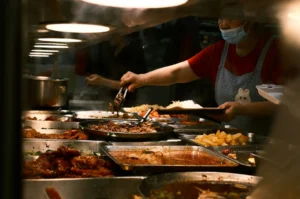
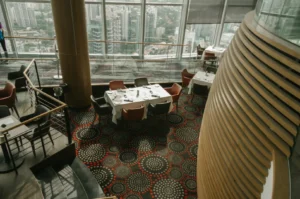
There is a particular rhythm to Singapore that is best understood not through its skyline or its humidity, but through its flavors. To walk the streets here is to be pulled into a sensory current—a drift of charcoal smoke from a corner grill, the sharp tang of tamarind catching in the throat, the gentle steam rising from a porcelain bowl in an air-conditioned dining room. The best cuisines in Singapore are not merely a collection of restaurants; they form a living, breathing tapestry woven from memory and innovation.
For the traveler, and indeed for the local pausing to truly look, this city offers a unique dialogue between the past and the future. It is a place where the humble and the haute cuisine do not just coexist; they converse. To eat here is to participate in a story that stretches from the clay pots of our ancestors to the precise, tweezers-led plating of today’s visionary chefs.
Heritage Flavors: The Roots of Our Culinary Identity and Chicken Rice
To understand where we are going, we must first honor where we have been. The foundation of the Singapore culinary landscape rests on the shoulders of generations who cooked not for accolades, but for sustenance and community. This is a cuisine born of convergence—a beautiful collision of Chinese, Malay, Indian, and Peranakan influences that found a shared language in the wok and the spice mortar.
In the historic enclaves of Chinatown or the vibrant shophouses of Joo Chiat, you can still taste history. It is found in the silky, comforting embrace of Hainanese chicken rice, a beloved dish featuring poached chicken served over fragrant rice cooked in chicken broth with garlic and pandan leaves. This dish is typically served with a trio of sauces, including a spicy chili sauce and a ginger dip, awakening the palate with every bite. The fragrant rice and tender poached chicken make it one of the most iconic beloved dishes in Singaporean food culture.
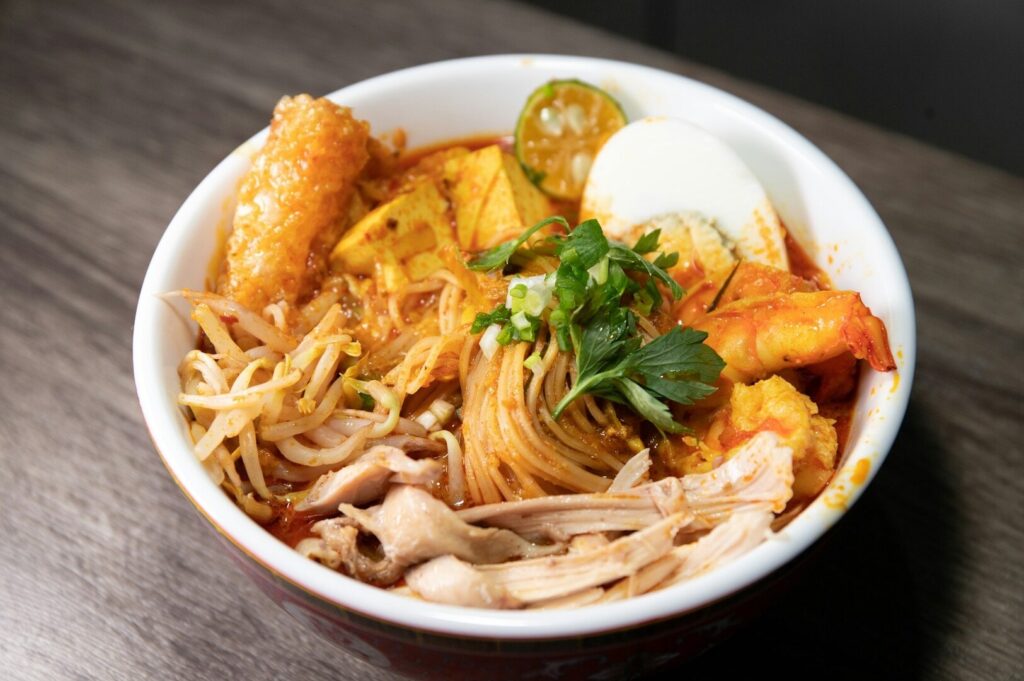
It is also there in the fiery depth of curry laksa, a popular dish in Singapore that features rice noodles in a spicy coconut-based curry broth and combines Chinese and Malay flavors. Here, the richness of coconut milk meets the sharp bite of dried shrimp and fresh herbs, a testament to the Peranakan genius for marrying disparate ingredients into a harmonious whole.
Nasi lemak, a traditional Malay dish that has become a staple in Singapore, consists of fragrant rice cooked in coconut milk and served with various accompaniments such as fried anchovies, peanuts, egg, cucumber, and sambal. This dish is beloved for its aromatic rice and the variety of side dishes that make each plate unique.
Roti prata is a flaky flatbread commonly served with curry in Singapore, popular as a breakfast or snack item, and showcases Indian culinary influence. Its crisp exterior and soft, chewy layers make it a favorite among locals and visitors alike.
And one cannot forget char kway teow, a stir fried noodle dish made with flat rice noodles, dark soy sauce, Chinese sausage, shrimp paste, and often topped with crunchy bean sprouts and cockles, delivering the signature smoky “wok hei” flavor.
Hokkien mee is another classic, featuring a mix of egg and rice noodles stir-fried with seafood and pork, and often enriched with a flavorful stock. This dish has its origins in Fujian province, China, and is now a staple in Singaporean cuisine. Satay, skewered and grilled meat served with peanut sauce, has roots in Indonesian cuisine but is widely enjoyed in Singapore for its smoky aroma and rich, nutty dip.
These heritage flavors Singapore cherishes are most vibrantly alive in our hawker centres. These open-air dining halls are more than just places to eat; they are the communal living rooms of the nation. Here, recipes are guarded like heirlooms, passed down through families who have spent decades perfecting a single broth or a specific marinade. Traditional Singaporean dishes often use pork lard to enhance flavor and texture, adding richness and authenticity to hawker-style cuisine. The UNESCO recognition of our hawker culture was not just an award; it was an affirmation that these rituals of chopping, frying, and serving are cultural artifacts worthy of preservation.
The Food Centre Experience: Discovering Delicious Dishes and Food Stalls
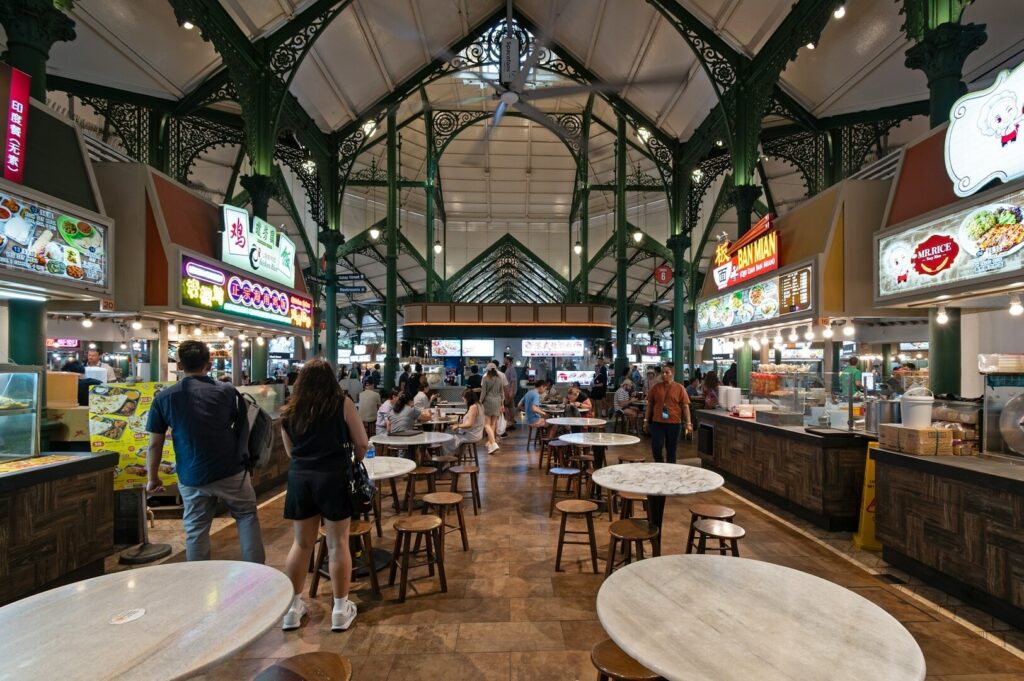
Singapore’s food centres and hawker stalls are treasure troves of delicious food and authentic flavors. At places like Maxwell Food Centre and Adam Road Food Centre, you can sample an array of traditional dishes that showcase the city’s diverse culinary heritage.
Start your day with a classic breakfast of kaya toast paired with soft boiled eggs and a cup of local coffee at a nearby coffee shop. The sweet coconut jam spread on toasted bread, coupled with the creamy eggs, is a comforting ritual typically served across the island.
For lunch or dinner, indulge in nasi lemak, a fragrant Malay dish featuring coconut rice cooked with pandan leaves and served with spicy sambal sauce, crispy anchovies, fried chicken, and sometimes fried fish. The combination of flavors and textures is a perfect example of the best cuisines in Singapore.
Laksa is another beloved noodle soup dish, often topped with fish cake—a common ingredient made from fish paste that adds both flavor and texture to the broth. Sungei Road Laksa is well known among laksa lovers and has been serving laksa for decades, while 328 Katong Laksa is a popular spot for laksa in Singapore.
Other must-try dishes available at food stalls include roti prata served with a rich curry dipping sauce, steamed rice cake made from rice flour or glutinous rice, and the savory white carrot cake, a variation of the popular carrot cake made with shredded radish and stir-fried with eggs and garlic.
Chilli Crab and Black Pepper Crab: Singapore’s Iconic Seafood Delights
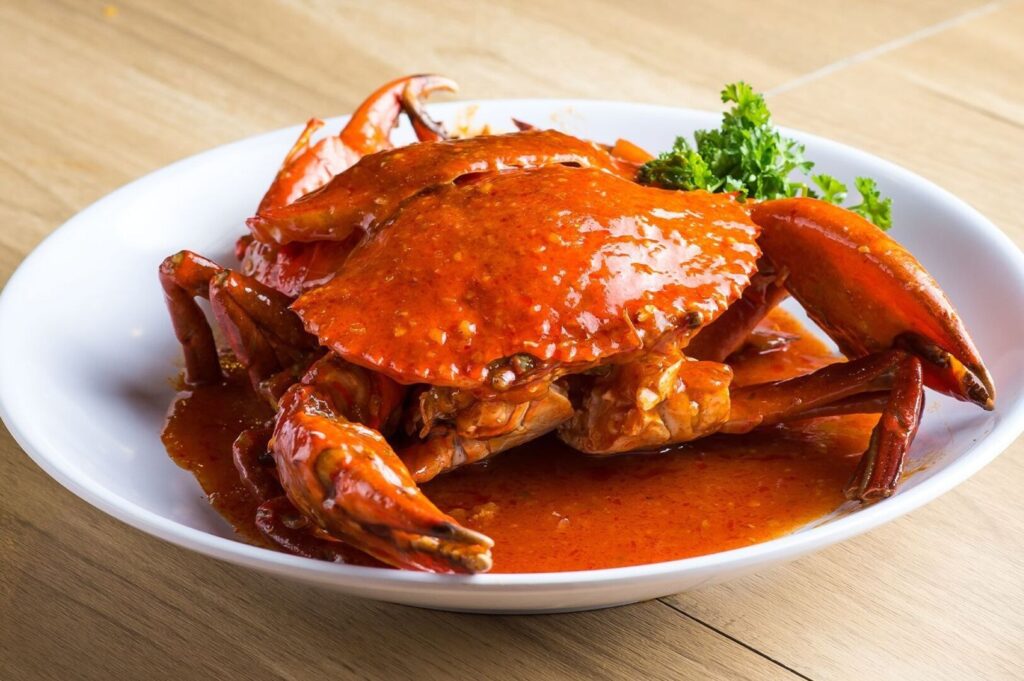
No exploration of Singapore’s culinary scene is complete without tasting the legendary chili crab. Chili crab is considered one of Singapore’s national dishes, made with crabs cooked in a thick, sweet, and spicy sauce. This dish is often made with mud crabs and combines Chinese and Malay culinary traditions, featuring fresh crabs cooked in a thick, sweet, and spicy tomato-based sauce made with chilli sauce, tomato paste, and a hint of lime juice. It’s often enjoyed with fried or steamed buns to soak up the flavorful sauce. Alongside chilli crab, the black pepper crab is another favorite, where crabs are coated in a fragrant peppery glaze that excites the taste buds without overwhelming heat.
Both dishes are staples at many best Singapore restaurants and hawker stalls, with some of the most famous versions found at seafood restaurants along East Coast Road and at renowned hawker centres.
Char Kway Teow and Carrot Cake: Stir Fried Noodles and Savory Snacks
The char kway teow is a quintessential noodle dish in Singapore, loved for its smoky aroma and rich flavors. Made with flat rice noodles, egg noodles, dark soy sauce, minced pork, and topped with fried tofu, Chinese sausage, and bean sprouts, it’s a hearty meal that satisfies any craving for authentic Singaporean food.
Another popular street food is carrot cake, also known as chai tow kway. Despite the name, it contains no carrots but is made from steamed rice cakes or steamed rice cake with shredded white radish (white carrot cake). The dish is stir-fried with eggs, garlic, and preserved radish, resulting in a dish that is both crispy and soft, often enjoyed with a side of chili or chili sauce.
Fish Head Curry and Other Malay Dishes: A Fusion of Flavors
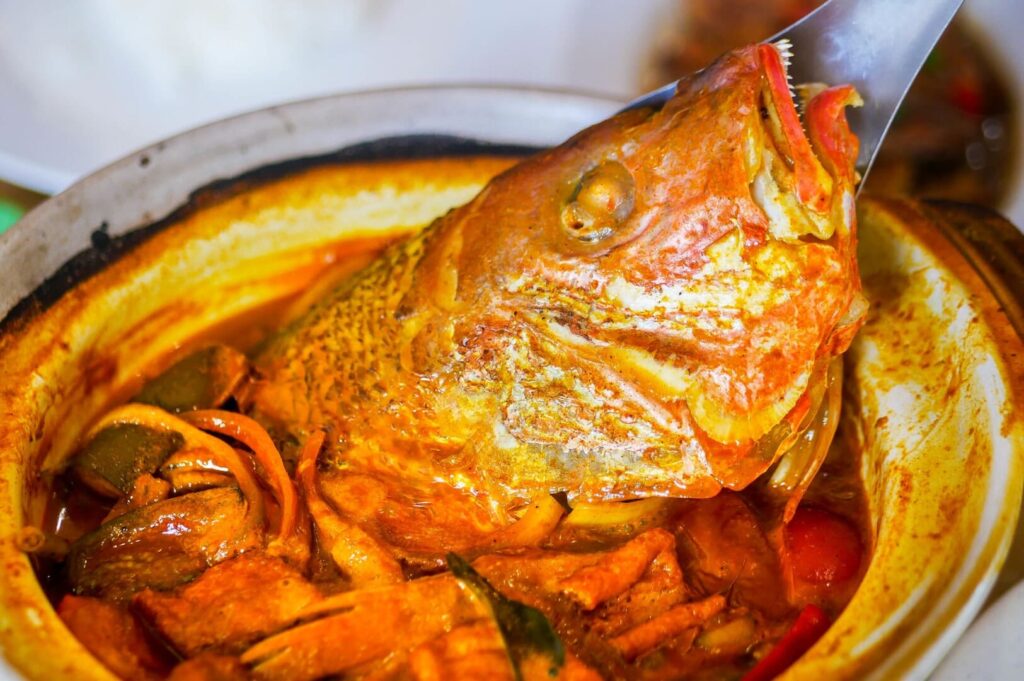
Singapore’s multicultural heritage shines in dishes like fish head curry, which combines Indian spices with Chinese cooking techniques. Fish head curry is a dish that combines Indian and Chinese culinary influences, featuring a whole fish head cooked in curry. The curry is rich and aromatic, often made with a flavorful broth and served with basmati rice or fragrant rice.
This dish, along with other Malay dishes such as beef rendang and fried chicken, showcases the depth of flavor and diversity found in Singapore’s food culture.
Another beloved dish is bak kut teh, or pork bone tea, which has Chinese origins and is popular in both Singapore and Malaysia. It consists of pork ribs and pork bones boiled in a flavorful broth with herbs, resulting in a rich and aromatic soup.
Roast meats are also highly popular in Singapore, with crispy, juicy pork belly being a favorite. The pork belly is typically roasted to achieve a crackling skin and tender, flavorful meat, making it a staple in many local eateries.
Embark on a Food Tour: Experience the Best Hawker Stalls and Food Courts
To truly savor the best hawker stalls and food courts in Singapore, consider joining a food tour. These guided experiences lead you through bustling hawker centres like Maxwell Food Centre, Lau Pa Sat, and Tiong Bahru, where you can taste everything from oyster omelette and satay with peanut sauce to refreshing desserts like shaved ice topped with roasted peanuts.
A Singapore food guide through a food tour not only introduces you to delicious dishes but also provides cultural context, making the experience richer and more memorable.
Contemporary Dining: The Evolution of Singapore’s Best Singapore Restaurants
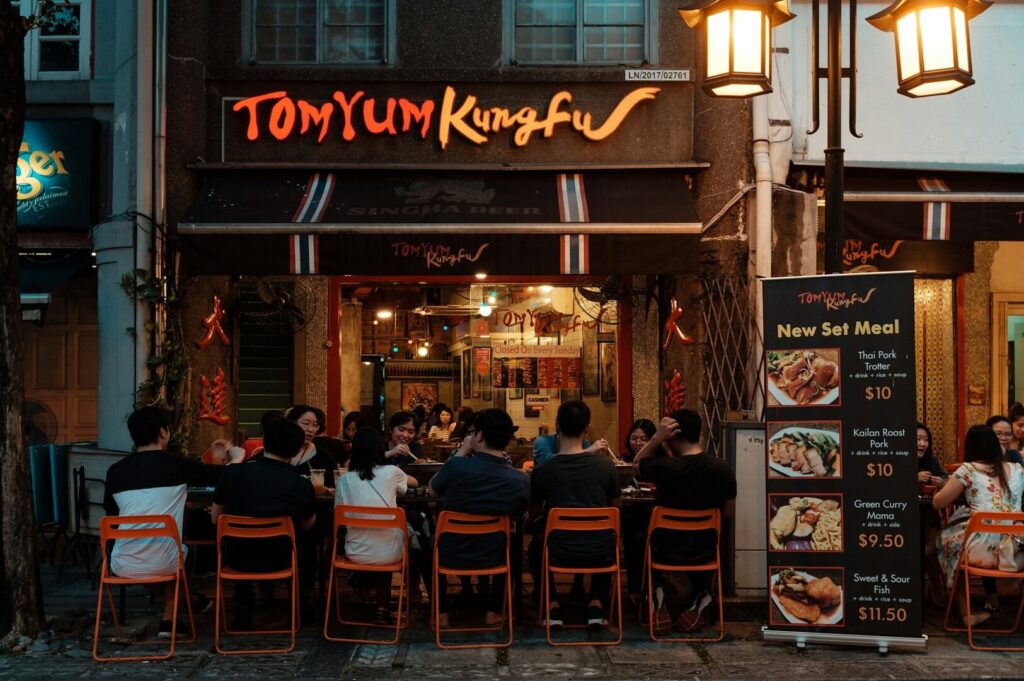
Beyond the street food and hawker culture, Singapore boasts a vibrant scene of best Singapore restaurants that blend tradition with innovation. In elegant settings across the city, chefs reinterpret classics like chicken rice, chilli crab, and peranakan food using modern techniques and locally sourced ingredients such as fresh herbs and sustainable seafood.
This fusion of old and new ensures that Singapore’s culinary landscape remains dynamic, exciting, and deeply rooted in its rich heritage.
A Celebration of Continuity and Flavorful Rice
As the sun sets over the city, casting long shadows across the shophouses and skyscrapers alike, one realizes that the true beauty of Singapore’s food culture lies in its continuity. The grandmother stirring a pot of curry in her flat and the young chef arranging micro-herbs in a glass-walled kitchen are connected by an invisible thread. They are both custodians of flavor.
Whether you are a visitor stepping onto our shores for the first time, or a local seeking to rediscover the magic in your own backyard, I invite you to slow down. Taste the history in the heritage dishes featuring fragrant rice and flavorful rice, marvel at the artistry in the contemporary creations, and savor the diversity of Singapore food. In this rich, diverse, and ever-evolving landscape, there is always a seat at the table for you. For deeper insight and inspiration, continue your journey with Beyond the Plate: Understanding Singapore’s Dining Culture from Within and Exploring Singaporean Restaurants in Singapore: Heritage Hawker Stalls and Modern Culinary Innovations.