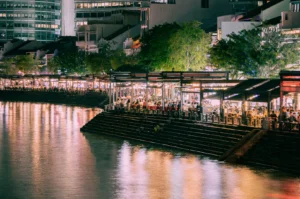
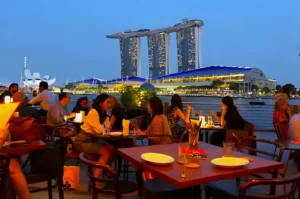
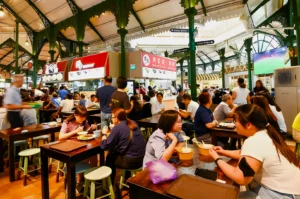
In Singapore, a meal is rarely just about the food on the plate; it’s a rich tapestry of cultural exchange, social harmony, and unwritten rules. Dining in Singapore means more than sampling world-famous dishes like chicken rice, spicy noodle soup, or nasi lemak; it’s also about understanding the manners and customs that give every bite added meaning. The city’s vibrant food landscape—from street food hawker stalls at Maxwell Food Centre to Michelin starred restaurants on Orchard Road—reflects a unique blend of flavors, traditions, and social cues, positioning the city as a dynamic culinary hub and urban center. At SG Dining Guide, we believe that knowing both the official rules and everyday rituals is key to a complete Singapore dining adventure, and encourage you to discover hidden or unique dining experiences throughout the city.
For regulatory guidelines, our companion article, “Dine-In Rules Singapore: Essential Guidelines for Locals and Tourists in 2026”, is your essential resource. This guide, however, explores the unwritten layers of Singapore dining etiquette—from food court etiquette in bustling hawker centres to the subtle art of table etiquette Singapore’s best restaurants. Understand these customs, and every meal—whether it’s late-night chilli crab with friends, or kaya toast and soft-boiled eggs at Ya Kun Kaya Toast for breakfast—will become an experience you’ll never forget.
Hawker Centres: The Heart of Singapore Dine In Culture
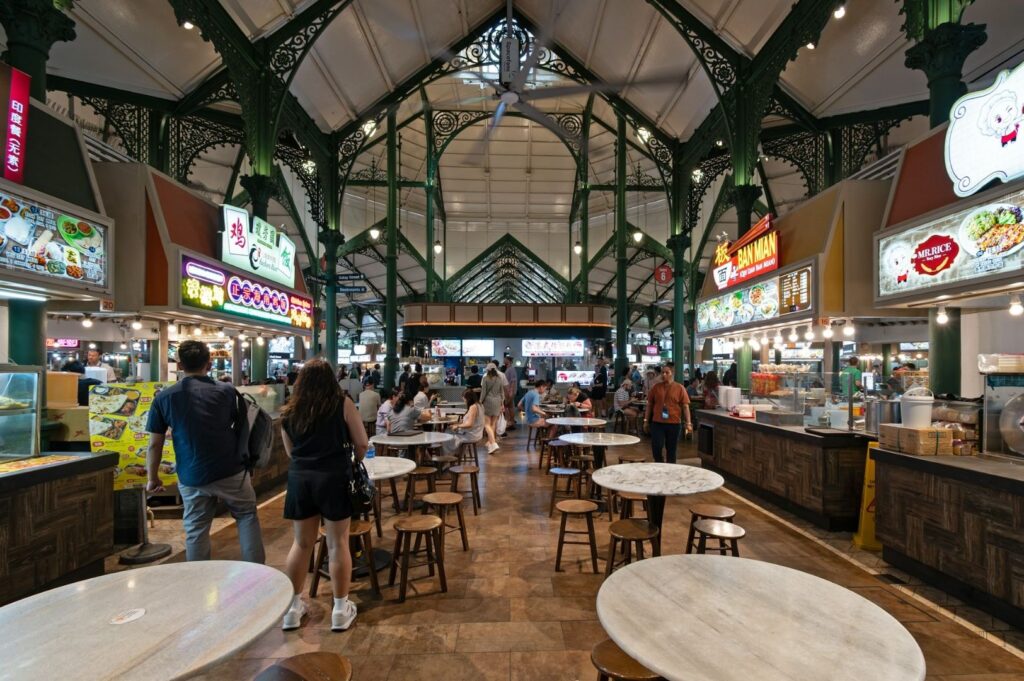
The bustling hawker centres are an essential element of Singapore dining. These vibrant spaces, from Maxwell Food Centre to Chinatown Complex, are filled with locals and visitors alike enjoying delicious food, friendly chatter, and the city’s signature dishes.
The Art of “Chope-ing” at Hawker Centres
No discussion of hawker centre culture Singapore-style is complete without the chope culture—the quintessential act of reserving seats by placing a tissue packet, umbrella, or card at the table. Whether you’re craving a bowl of fragrant rice with hainanese chicken rice or spicy laksa, remember to chope your spot before joining the queue at your chosen stall. It’s a gesture that reflects both resourcefulness and respect for fellow diners in these often-crowded food courts, especially during breakfast, lunch, or the dinner rush.
Communal Tables, Queues, and Ordering Like a Local
Sharing a table with strangers is commonplace and illustrates both the practical nature and communal spirit of hawker centres. If there’s an empty seat, simply ask, “Is this seat taken?” and dig in. Hawker stalls, especially those serving best Singapore restaurants’ favorites such as char kway teow or roti prata, often see long lines. Patience and queue discipline are a must—cutting in line is frowned upon, and the swift pace helps everyone get their food faster. When your turn comes, have your order and payment ready, whether you’re spending at cheap, affordable stalls or trying more renowned outlets. You can easily adjust your spend according to your budget as hawker centres offer a wide range of options to suit every price point.
Clearing Trays and Respectful Interactions
Returning trays and clearing your table isn’t just about cleanliness—it’s become a social norm at hawker centres. Address “Auntie” or “Uncle” at your favourite hawker stall with a smile, and they’ll likely serve you with the kind of warmth that makes Singapore dining so special. Many older hawker stalls remain cash-only, though digital payments are gaining popularity. For more tips and lists of hidden gems among best hawker stalls, check out the hawker centre guides at SG Dining Guide. Some of the most popular dishes and stalls sell out quickly, so don’t miss the chance to try them early.
Restaurant Etiquette in Singapore Restaurants: From Casual Cafés to Michelin Starred Dining
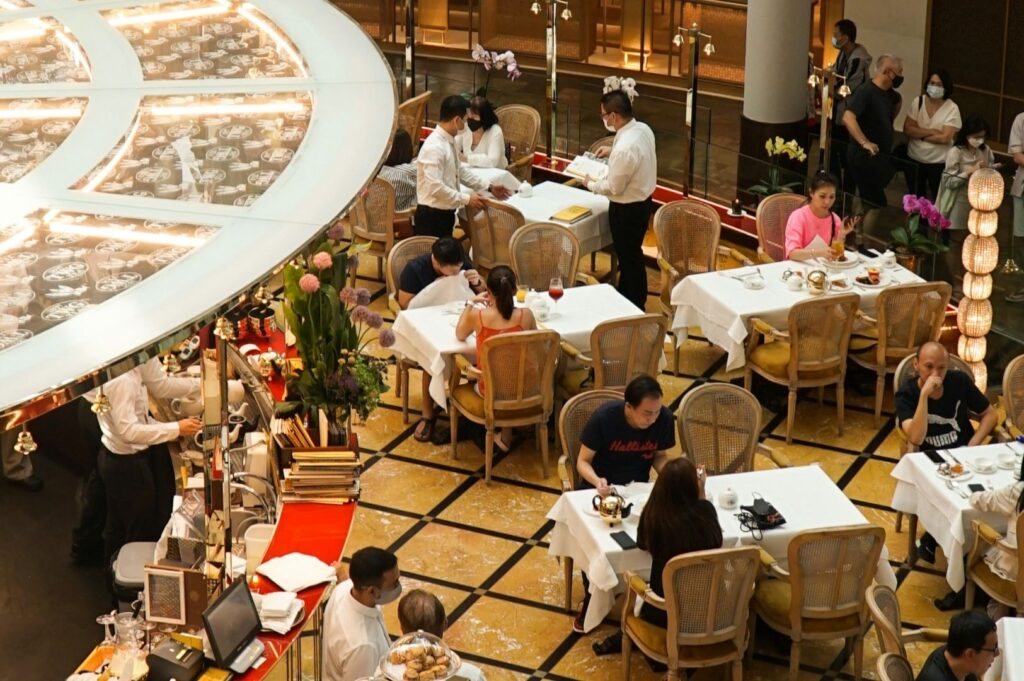
Understanding restaurant etiquette Singapore-style ensures you can enjoy everything from casual meals with friends in Holland Village or Little India, or exploring culturally rich local cafes that are essential dining spots in Singapore, to unforgettable tasting menus at Michelin starred restaurants.
Casual to Mid-Range Dining and Food
Dining at a casual Singapore restaurant or café calls for basic politeness—keep your conversations at a moderate volume, avoid using your phone excessively, and respect fellow diners. When enjoying breakfast options like kaya toast, spicy noodle soup, or a sweet treat like buttered toast and eggs, it’s the rich, creamy butter that enhances the flavor and texture of these traditional dishes, making each bite especially satisfying. There’s a unique cultural and nostalgic charm to savoring these breakfast favorites in the morning at local cafés or bustling hawker stalls, where the early hours are filled with the comforting aromas and routines of Singaporean life.
Fine Dining Etiquette Singapore-Style
At fine dining or best restaurants, you’ll want to pace yourself through each course and engage with the sommelier if you’re sampling local drinks like a Singapore Sling or craft beer. At a certain point in the meal, such as when transitioning from appetizers to main courses, take a moment to appreciate the chef’s presentation and the change in flavors. Dress codes vary, so check your venue on your next visit—especially at upscale restaurants in hotels or around the city’s ZOO or tourist districts. When taking food photos, be discreet and mindful of others, and if something is amiss with your meal or service, address it calmly and kindly. Exceptional service can merit a verbal thanks even though tipping isn’t standard. For memorable fine dining experience recommendations—from bold flavors in small plates to unforgettable tasting menus at Michelin-starred restaurants, where the curated menu shapes the entire dining journey—explore our website.
For the official regulations that apply across casual cafés and full-service restaurants, see our companion article.
Multicultural Dining Singapore: Traditions, Customs, and Flavours
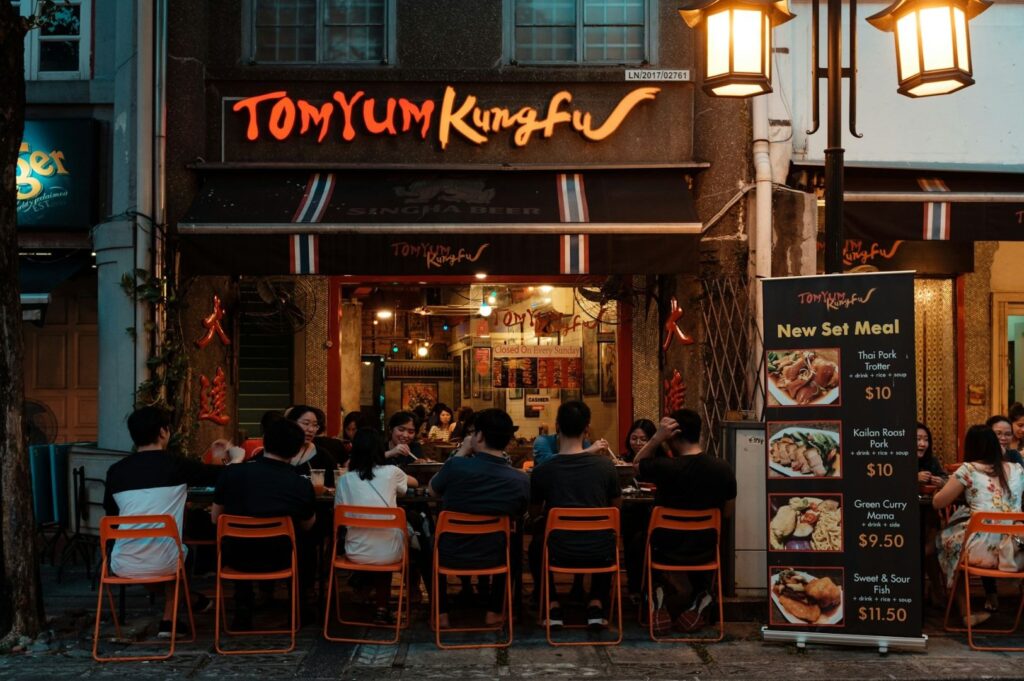
Singapore’s multicultural dining scene means every meal becomes a journey through the city’s rich culinary heritage and food customs. The diverse flavors and aromas found across Singapore’s restaurants offer a feast for the senses, ensuring that every dish excites the taste and delights the taste buds.
Chinese Table Etiquette and Shared Meals
When enjoying Chinese cuisine—think a communal dinner with fragrant Hainanese chicken rice, dim sum, or spicy noodles—wait for the eldest at the table to begin, use shared serving spoons, and pour tea for others. Tap your fingers lightly on the table to thank someone for pouring your tea. Enjoying family-style food served at round tables is a delicious way to experience table etiquette Singapore residents hold dear.
Malay, Indian, and Peranakan Traditions
Malay meals are often served at communal tables, with diners eating with their right hands and sharing homey curries and rice dishes like nasi lemak (coconut rice, eggs, and spicy sambal). A traditional Singaporean breakfast of soft-boiled eggs with kaya toast is commonly seasoned with white pepper, enhancing the authentic local flavor. Indian meals, especially in Little India, may involve eating with hands and sharing plates of roti prata, curry, or meat dishes. Peranakan dining, often enjoyed in hidden gems off the main tourist track, blends Chinese, Malay, and Indonesian influences. Respect for halal requirements, vegetarian, and spice tolerance are all part of Singapore food customs.
Festival Foods and Social Harmony
Dining customs shine brightest during festivals—sharing prosperity dishes like yu sheng at Chinese New Year, gathering for communal feasts during Hari Raya, or savoring sweets and spicy treats at Deepavali banquets. In multicultural dining Singapore, asking about dietary preferences before your meal shows sensitivity and warmth.
Modern Dining Manners Singapore: Reservations, Social Media, and Payment
Booking, Arrival, and Bill Etiquette
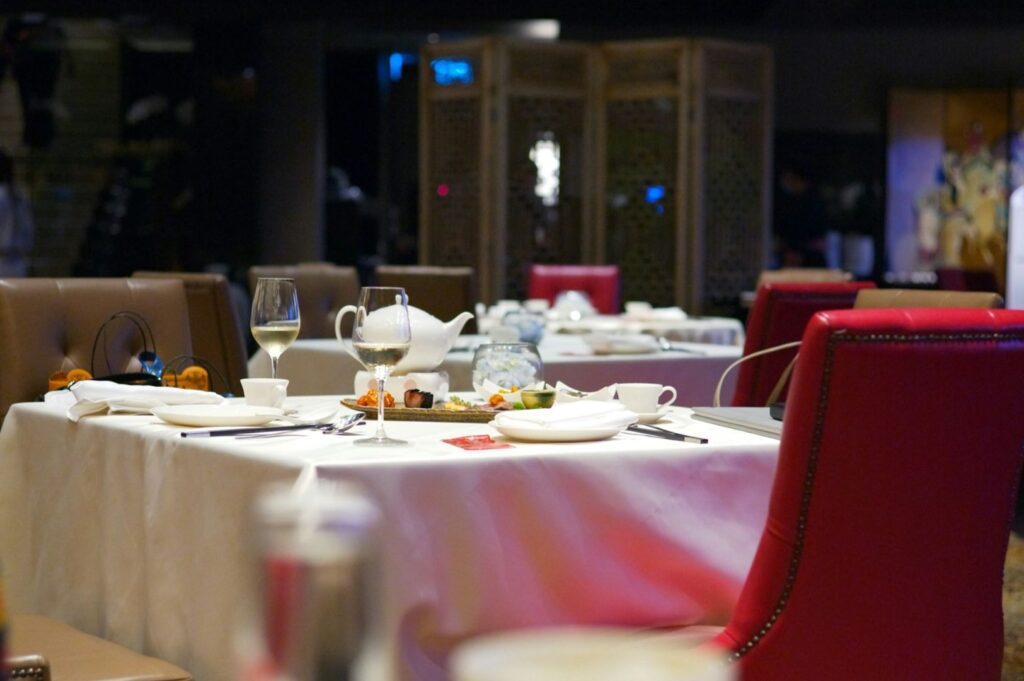
Making reservations, especially at popular or Michelin starred establishments, is highly encouraged. Arrive promptly; if you’re running late, inform the restaurant. When eating out with friends or at business dinners, clarify how the bill will be split—many locals use apps, or simply alternate payment on the next visit. At food courts and cheap eats, payment is often upfront.
If you’re unsure what rules apply for reservations, cancellation policies, or dining duration limits, our full guide Dine-In Rules Singapore: Essential Guidelines for Locals and Tourists in 2026 covers all updated regulations.
Tipping, Dietary Requests, and Social Media
A 10% service charge is standard at most Singapore restaurants, making additional tipping rare. If you have allergies or dietary restrictions, mention them when booking so the kitchen can accommodate you—whether it’s a bowl of spicy laksa or a fresh breakfast with eggs and kaya toast. Taking photos is part of food culture, but avoid blocking waitstaff or disturbing other diners. Tags and positive reviews help promote hidden gems and outstanding service. The unique surroundings of Singapore’s restaurants, often rich in historical and cultural context, greatly enhance the overall dining experience by creating a memorable sense of place.
Special Occasion Singapore Dining: Celebrations and Social Touchstones
Birthdays, anniversaries, and business lunches are widely celebrated through Singapore dining. Basically, it’s about coming together over great food to mark life’s important moments in a memorable way. Restaurants will often personalize dishes, prepare special desserts, or allocate private spaces if requested in advance. For multi-generational gatherings, family restaurants or even loved hawker centres allow everyone—kids to elders—to dine comfortably. Romantic dinners range from rooftop bars with lime juice cocktails to chic settings along Orchard Road.
Service Staff: Valuing Every Singapore Dine In Experience
Kindness to staff is at the heart of Singapore dining etiquette. To get attention, make eye contact or raise your hand respectfully—never shout or snap. English is commonly spoken, but energetic “thank you” or “terima kasih” (Malay) are always appreciated. Expressing gratitude, whether at a humble street food stall or a world-renowned restaurant, cultivates the city’s rich culture of hospitality.
Conclusion: Savoring Singapore’s Dining Etiquette on Every Trip
Embracing Singapore dining etiquette whether at a hawker stall enjoying a bowl of char kway teow, over breakfast at Ya Kun Kaya Toast, or at a fine dining hotel restaurant, transforms a simple meal into a true cultural experience. The city’s table etiquette Singapore-style reflects values of respect, harmony, and multiculturalism that make every trip—and meal—richer and more memorable.
As you plan your next visit, let SG Dining Guide be your guide to discovering the best places, food, and hidden gems Singapore has to offer. Respecting local dining culture makes every meal—be it street food, lunch at a cafe, or an extravagant dinner—more delicious and meaningful for everyone at the table.
For official policies that complement these cultural insights, explore Dine-In Rules Singapore: Essential Guidelines for Locals and Tourists in 2026.