Singapore’s global culinary reputation shines brightly, adorned with prestigious accolades and a growing collection of Michelin stars. These awards rightfully celebrate technical brilliance and creativity, placing the nation firmly on the world’s gastronomic map. However, to focus solely on these stars is to see only a fraction of the story. The true Singapore dining experience is a far richer, more complex tapestry woven from threads of history, community, and sensory delight—often thriving far from the spotlight of formal recognition and found in the bustling hawker stalls, lively food courts, or around the family table.
While Michelin stars honor excellence, the soul of Singaporean food culture is found in the sizzle of a wok in a bustling hawker centre, a platter of fragrant chicken rice or a plate of smoky char kway teow, the carefully guarded family recipe of a Peranakan matriarch, or the shared joy of savoring local cuisine with loved ones. A truly authentic Singapore food experience goes beyond Michelin stars, diving deep into the cultural heart of the nation. This article explores the essential elements—from the diverse tapestry of flavors, the significance of ambiance, iconic dishes like chili crab or carrot cake, to the vital human connections—that define authentic Singapore restaurants and create memories that last long after the meal is over.
A Diverse Singapore Dining Experience: The Tapestry of Cultures
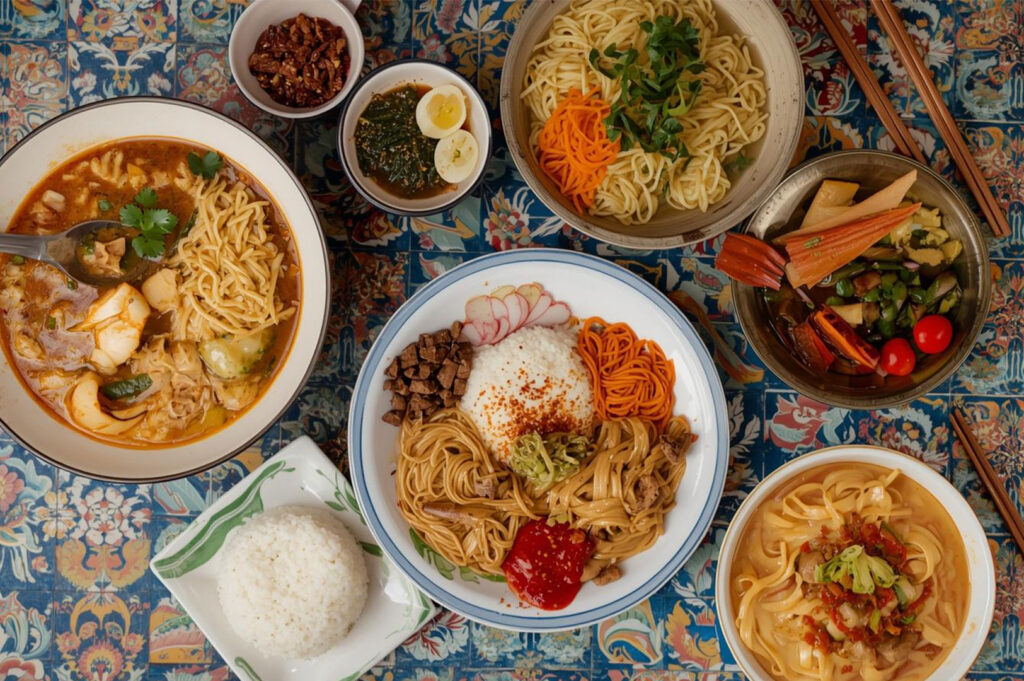
To understand what makes a remarkable Singapore dining experience, you must first appreciate the island’s multicultural foundation. Throughout history, waves of Chinese immigrants, Indian traders, Malay communities, and Eurasian settlers have shaped the DNA of Singaporean cuisine. Peranakan culture—uniquely Singaporean—emerged from the blend of local Malay and immigrant Chinese influences, creating iconic Peranakan dishes like laksa (with rice noodles bathed in coconut milk and sambal chili), or nasi lemak (steamed rice with coconut cream, chili paste, and local favorites like fried chicken or ikan bilis).
This diversity thrives in the city’s food courts and hawker centers, home to thousands of food stalls across the island. According to the Singapore Department of Statistics, as of 2025, there are more than 13,000 licensed food outlets, from humble food centre stalls to chic new-age restaurants. Across them, you’ll find local favourites such as Hokkien mee—yellow egg noodles and flat rice noodles tossed with prawns and squid, or bak chor mee—egg noodles with minced pork, pork ribs, and a punchy seasoning of vinegar, soy sauce, and chili sauce, reflecting Singapore’s vibrant melting pot.
Chicken Rice, Pork Rib Soup, and More: Authentic Flavors in Singaporean Food Culture
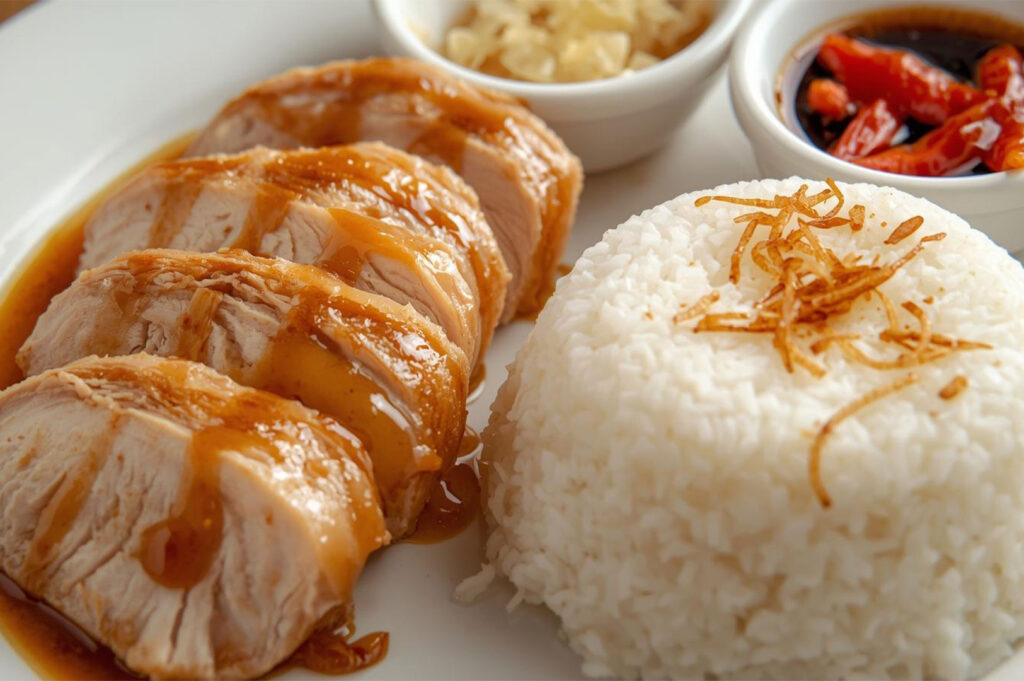
At the heart of any memorable Singapore dining experience are its authentic flavors—bold, complex, and deeply rooted in tradition. The most beloved local Singapore cuisine dishes are masterpieces in balancing sweet, sour, salty, and spicy notes. Take Hainanese chicken rice, where jasmine or steamed rice is infused with ginger, garlic, and sometimes pandan leaves to complement poached chicken. It’s traditionally eaten with dark soy sauce, fresh lime juice, minced ginger, and signature chili sauce.
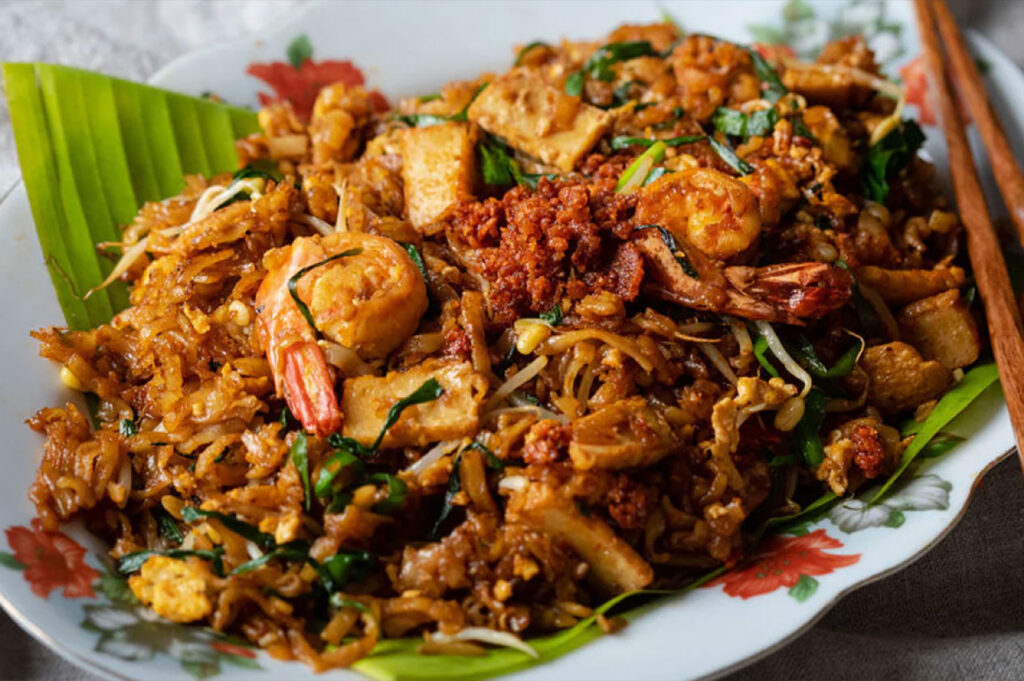
Another must-try is bak kut teh (pork rib soup), often found at historic stalls in food centres like Airport Road Food Centre. Here, peppery soup made from pork bones, garlic, and spices is served with steamed rice, tofu puffs, and pickled vegetables. Or savor a plate of char kway teow, stir fried flat rice noodles laced with sweet dark soy sauce, cockles, beansprouts, Chinese sausage, and egg—a dish with roots in China’s Fujian province, now uniquely Singaporean.
Equally iconic are oyster omelette (eggy, crispy, and loaded with juicy oysters and chili paste), and carrot cake (chai tow kway)—a savory dish made from rice flour, radish, and eggs that has nothing to do with the Western dessert! Add fish head curry—an Indian-inspired classic served on a banana leaf, bathed in coconut milk and masala, and you’ve experienced just a slice of Singapore’s extraordinary food culture.
Chefs balance tradition and innovation with respect: modern restaurants may introduce tweaks, but the fundamental elements—using quality ingredients, the right rice noodles or fish paste, and traditional methods—remain sacrosanct.
Food Courts and Hawker Centres: The Heartbeat of Local Cuisine
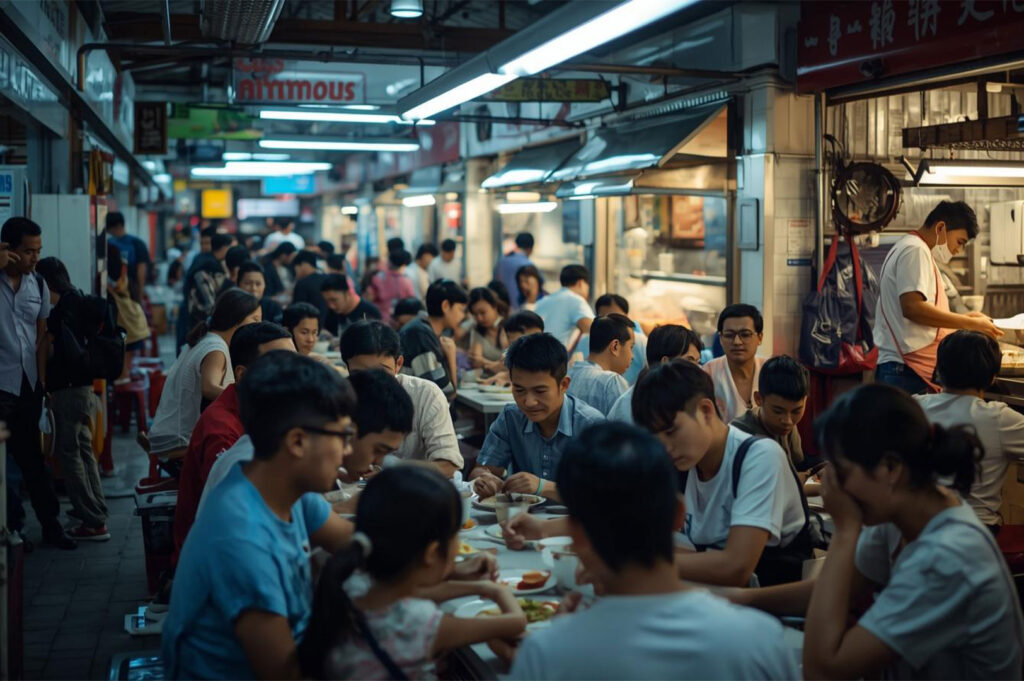
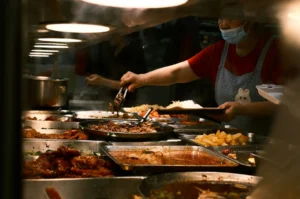
The Singapore dining ambiance is as varied as its food. Most locals would argue that the truest flavors are found in the chaos and charm of hawker centres and food courts. Here, the air is thick with the scent of sambal chili and soy sauce, the clatter of plates, and the animated banter of diners. You’ll stand in queue among families, office workers, tourists, children, and grandparents all sharing simple tables under fluorescent lights.
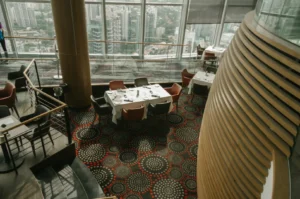
Contrast this with places like Candlenut or Labyrinth, where tradition meets sophisticated interiors. In these restaurants in Singapore, design goes beyond aesthetics; vintage Peranakan tiles, banana leaf-wrapped rice cakes, or old-school enamel cups transport diners to another era. These atmospheres are as much a celebration of culture as the food itself and make eating in Singapore a multisensory journey.
Chili Crab, Sambal Chili & Coconut Egg Jam: Flavors Beyond the Michelin Star
When talking about a quintessential Singaporean food culture, chili crab deserves a spotlight. Twice-cooked mud crabs are smothered in a savory, tangy, and spicy sauce made of chili paste, tomato, eggs, and often, a little coconut cream for smoothness. Served with steamed or fried buns, it’s a dish to eat with friends and fingers—messy, sociable, and satisfying.
A breakfast of kaya toast pairs grilled bread with a decadent coconut egg jam, served with soft-boiled eggs and coffee sweetened with condensed or evaporated milk. A plate of nasi lemak is incomplete without sambal chili, roasted peanuts, crispy ikan bilis, cucumber, and fried chicken. Whether it’s Hokkien mee, Indian fish curry, or Malaysian satay, Singapore’s culinary mastery lies in the blend of influences and the willingness to celebrate innovation while preserving tradition.
Carrot Cake, Bak Chor Mee & Bak Kut Teh: Singapore’s Uniquely Diverse Food Culture
Dishes like carrot cake (made with rice flour, stir-fried with eggs, sometimes dark soy sauce, and topped with chili), bak chor mee (with pork ribs, fish balls, minced pork, and a spicy-sour sauce), and bak kut teh encapsulate generations of Singaporean cuisine brought by southern China’s migrants and adapted to local tastes. At the famous Airport Road Food Centre, you might meet a third-generation hawker serving steaming bowls of this peppery pork soup or chewy rice cakes pan-fried to perfection. These are local favorites for a reason—they’re incredibly tasty, deeply comforting, and represent the best of hawker stalls in Singapore.
Food Centres, Fish Head Curry, and Char Kway Teow: Atmosphere and Ambiance
Atmosphere shapes the Singapore dining experience. Whether at a family-run stall in a historic food centre, a bustling Indian coffeeshop serving bright-red fish head curry with banana leaf rice, or a high-end eatery plating artful renditions of char kway teow or fish cake-studded laksa, the ambiance is integral. Many restaurants in Singapore use artifacts, music, and even banana leaf-wrapped dishes to create immersive spaces. Fish head curry—spicy, tangy, and brimming with lady’s fingers, is best enjoyed shared, reflecting Singapore’s communal approach to food.
The Human Element: Singaporeans, Storytelling, and the Table
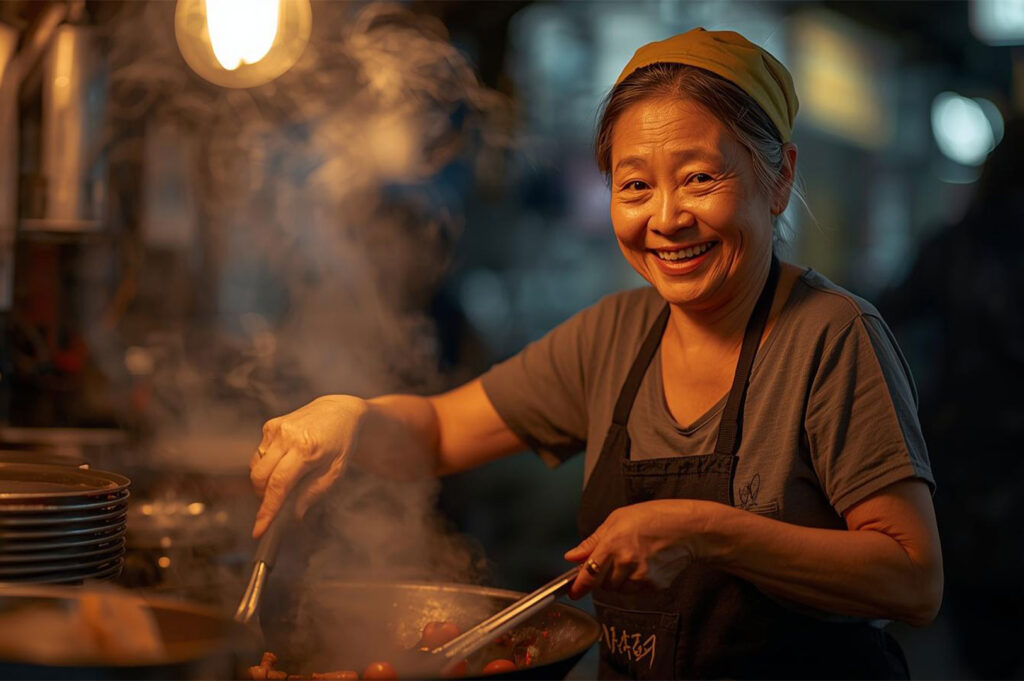
Service is where Singapore shines. Whether you’re greeted by an aunty at a hawker centre who remembers just how you like your tea (local coffee, extra condensed milk), or a chef at a modern bistro introducing you to his take on rice noodles or an updated oyster omelette, personal connections matter. Many stalls are multigenerational; culinary know-how is passed down and diners are often treated like family. This warmth, memory, and uniquely Singaporean devotion to craft set the city’s food scene apart.
Cultural Heritage: Food Culture, Preservation, and Transmission
Singapore restaurants and hawker stalls are more than places to eat; they act as living museums that protect endangered recipes, such as the secret to the perfect minced pork noodles or the subtlety in crafting coconut egg jam for kaya toast. At every table, cultural legacies are being passed along—be it through coconut milk-tinged rice noodles, peranakan desserts sweetened with palm sugar, or the spicy tang of fish head curry. Food educates, connects, and transmits collective memory, ensuring that Singaporean food traditions endure.
Banana Leaf Feasts & Community at the Table
A classic Singapore dining experience is inseparable from the ritual of sharing. Whether eating off a banana leaf or circling a table of local dishes with friends and family, Singapore celebrates food as social glue. The city’s food courts, hawker centres, and even restaurant dining rooms are designed around large communal tables; eating together is not just usual—it’s expected. This is why dishes like nasi lemak, stir fried rice noodles, or hokkien mee are best enjoyed shared, often washed down with iced local coffee or shaved ice desserts on scorching afternoons.
Case Studies: Dining, Singaporean-Style
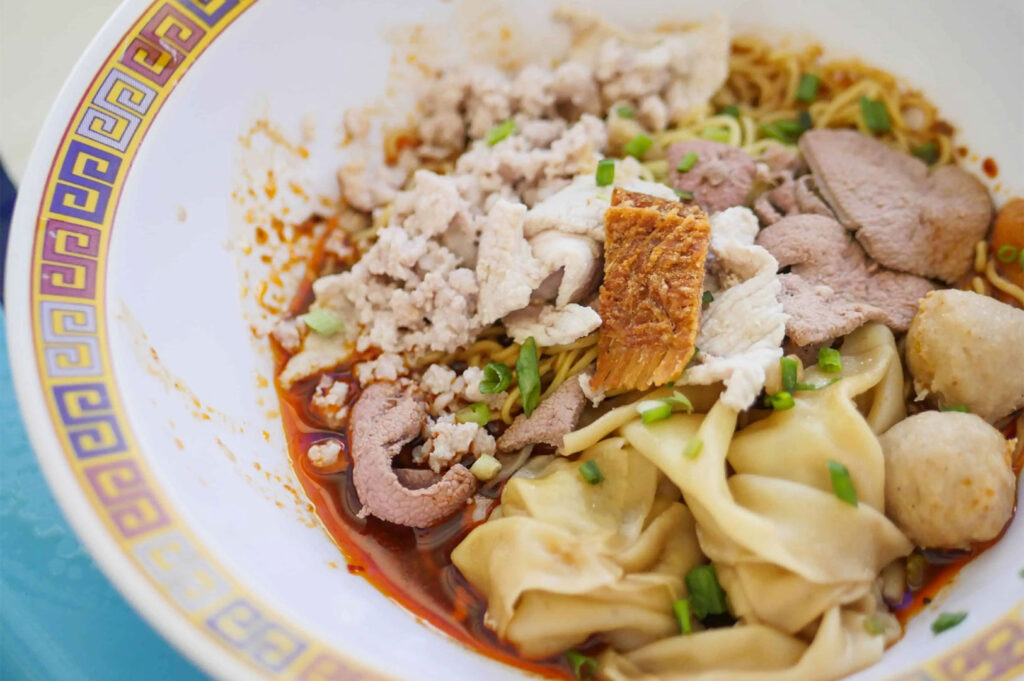
- Beloved Hawker Stall – Bak Chor Mee at Tai Hwa
The original Hill Street Tai Hwa Pork Noodle, near the southern end of Singapore, is famous for its bak chor mee. The dish combines yellow egg noodles with minced pork, pork liver, pork ribs, fish cake, and a signature sauce of chili, vinegar, soy sauce, and lard oil. Despite Michelin recognition, its soul is everyday accessibility: lines of Singaporeans from all walks of life queue for this old-school taste of tradition, a comforting meal truly rooted in the nation’s food culture. - Mid-Range Heritage Restaurant – The Banana Leaf Apolo
In Little India, The Banana Leaf Apolo serves fish head curry and rice on banana leaves, blending South Indian spice with local tastes. Here, you’ll find multi-generational families, professionals, tourists, and students all digging in with their hands. The convivial atmosphere and signature dishes like mutton mysore and masala chicken paired with house-made chili sauce reflect how local restaurants champion both heritage and inclusive dining. - Innovative Establishment – Labyrinth’s Chilli Crab and Kaya Toast
At Labyrinth, chef LG Han reimagines chilli crab with ice cream, local sea urchin, and sweet crab meat over a rice cake, and serves kaya toast as a delicate foam over rice flour crumbles. His dishes layer the tastes of home—coconut egg jam, fish head curry, hokkien mee—into whimsical, globally inspired interpretations. Yet, every creative leap is grounded in his childhood memories and the traditional recipes Singaporeans cook at home.
Conclusion: Defining a True Singapore Dining Experience
Ultimately, a true Singapore dining experience awakens the senses, feeds the soul, and unites people across tables large and small. The most memorable meals celebrate the balance between heritage and innovation, the joy of local food, the vibrancy of shared meals, and respect for the diverse flavors that shaped the nation. In Singapore, every dish—beyond the Michelin star, in hawker centres, food courts, and heritage restaurants—tells a story uniquely Singaporean, inviting locals and visitors alike to celebrate a culture that’s as delicious as it is deeply connected. For more food inspiration, explore Top 10 International Buffets: Singapore’s Best Dinner Buffet Spreads Worth Every Dollar and Innovative Bar Food Singapore: Top Bars for Tasty Food, Cocktails & Creative Small Plates.