Singapore’s restaurant scene is in constant, rapid motion. The dining landscape of today is dramatically different from even two or three years ago, shaped by new consumer values, technological shifts, and a renewed appreciation for heritage—and for the top food in Singapore, beloved at home and sought after by food-loving travelers. Relying on old “must-try” lists means missing out on the vibrant, ever-evolving story of food in Singapore. This essential guide will reveal not only the most current Singapore dining trends 2025 but also where to savor everything from fragrant rice cooked in chicken fat to chili crab that tingles your taste buds.
The Rise of Neo-Hawker Cuisine: Modern Takes on Hainanese Chicken Rice and Char Kway Teow
Among the biggest trends in Singapore food culture is the elevation of classic dishes like hainanese chicken rice, char kway teow, and carrot cake (the savory kind made from steamed rice cake and preserved radish). “Neo-hawker” cuisine—also known as Mod-Sin—lets chef-driven restaurants reinterpret street favorites. That could mean poached chicken glazed with a splash of dark soy sauce, sitting atop fragrant rice enriched with chicken broth and chicken fat, and flanked by spicy chili sauce, ginger, and garlic.
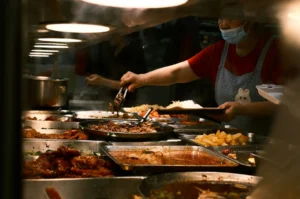
You’ll see char kway teow crafted with wok-fired scallops or Chinese sausage at chic bistros, as well as modern renditions of carrot cake tossed with egg, bean sprouts, and pork lard for an extra punch. Upscale interpretations of curry dipping sauce for fried tofu or crisp egg noodles add contemporary excitement while keeping the soul of the originals. Venues like Maxwell Food Centre and Adam Road Food Centre remain beloved for tradition, but the boundary between hawker stall and sit-down restaurant blurs every year.
Sustainability and Conscious Dining: Coconut Milk, Urban Farms & Zero Waste
No reflection on restaurant trends Singapore would be complete without sustainability. Diners crave dishes that deliver on both flavor and ethics, whether it’s nasi lemak featuring coconut rice from a local urban farm, or fried fish using bycatch that reduces waste. Contemporary approaches include root-to-stem and nose-to-tail cooking, with chefs showcasing rice flour in gluten-free rice cakes, or upcycling bean sprouts and tofu puffs for inventive small plates.
Plant-based dining is more than a fad: menus feature creamy coconut milk in vegan laksas, while urban farm-to-table concepts serve up greens bunched with fresh herbs and edible flowers. You’ll even find shaved ice desserts with locally grown fruit and drizzles of palm sugar.
The Omakase and Chef’s Table Explosion: Soft Boiled Eggs to Chili Crab
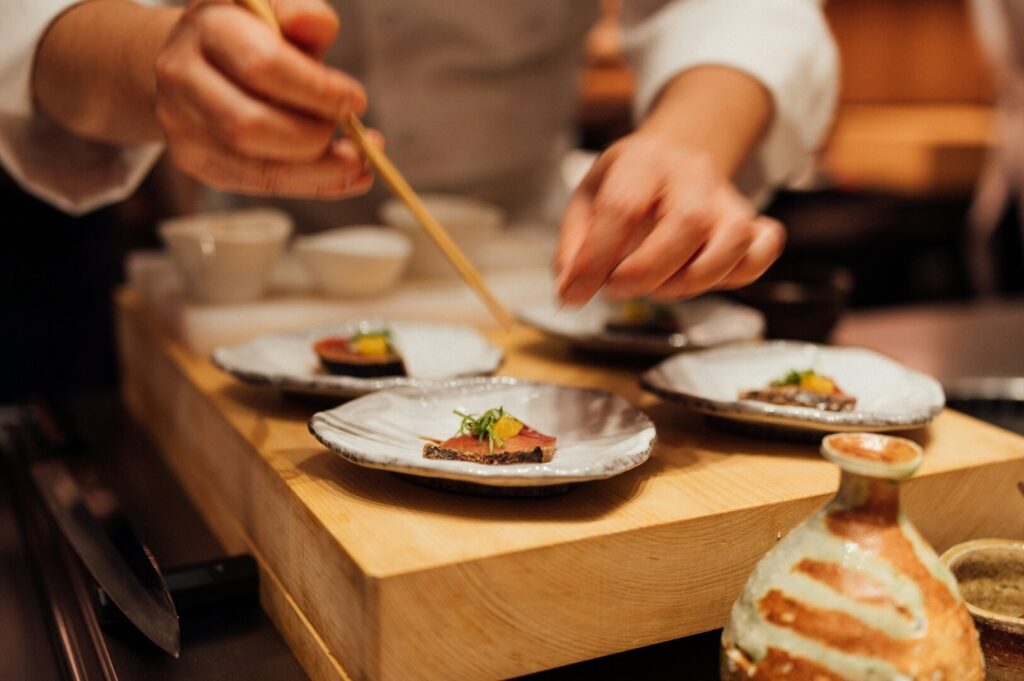
The modern dining Singapore movement reaches new peaks with bespoke experiences. The omakase trend is not just about Japanese sushi counters—now you’ll find chef’s tables specializing in Peranakan delicious dishes (think beef rendang with a “street food” twist or coconut-infused chicken curry) as well as Chinese, French, or even modern Indian menus. Watching your chef plate fresh seafood, torch flat rice noodles for a fried chicken and oyster sauce pairing, or serve soft boiled eggs in inventive ways brings you up close with Singapore’s ever-evolving tastes.
Reservations for these sought-after spots fill fast, but our restaurant finder article has proven strategies for nabbing a seat to some of Singapore’s best food—especially when chefs decide to riff on classics like chilli crab or bak kut teh (“meat bone tea” with rich pork bones and spices).
Heritage Restaurant Revivals and Legacy Preservation: From Bak Kut Teh to Fish Head Curry
Amid change, heritage remains at the heart of the Singapore food scene. Multi-generational places are thriving, with young chefs championing family legacies and reintroducing dishes like bak kut teh, fish head curry, and kaya toast. Visit a time-honored coffee shop and you’ll find sweet milk tea and roti prata, fried chicken with spicy sauce, and fragrant steamed rice cake, all typically served the old-fashioned way—even as new generations put fresh spins on these favorites.
Peranakan food—fusing Chinese and Malay influences—now enjoys renewed attention, as does Eurasian fare. Whether at a bustling food centre or a polished family restaurant, you might discover classics like nasi lemak, oyster omelette, or stir fried noodles alongside innovative riffs by the next wave of local chefs.
The Bar-Dining Integration Movement: Coffee Shops, Peanut Sauce, and Singapore Sling
Exciting crossovers abound, especially in the bar-dining space. Standouts are cocktail bars serving serious bites—think chili crab croquettes or kaya toast paired with a perfectly mixed Singapore Sling. Natural wine bars now plate grilled meat skewers, fried tofu with peanut sauce, and even classic hawker fare like carrot cake sliced into tapas portions.
Coffee shops are upping their game, adding brunch with flavorful rice and condensed milk-laced coffees or teas. Suddenly, the humble street corner coffee shop can compete with lavish restaurants when it comes to inventive pairings and atmosphere.
Regional Southeast Asian Cuisine Spotlights: Flat Rice Noodles and Beyond
Never before has Singapore food culture celebrated the diversity of Southeast Asia so enthusiastically. You’ll find regional restaurants specializing in Vietnamese egg noodles, Isan grilled meat skewers, and Filipino rice cakes or steamed rice cake. Look out for Burmese mohinga using fish head and Indian eateries dishing out basmati rice classics and fried fish.
Here, understanding regional influences on food in Singapore itself—like why chili crab and carrot cake are so distinct from their Thai or Malaysian cousins—becomes as important as knowing where to get the best plate. Authenticity matters, and locals appreciate food stalls and hawker centres that preserve regional integrity.
Technology-Enhanced Dining Experiences: From Food Tours to Best Hawker Stalls
Tech has made discovering the best hawker stalls and best-updated dining spots easier. Use applications and sites to check real-time tables at your favorite chicken rice joint near the nearest MRT station, or hunt down a booth at the Maxwell Food Centre serving silky poached chicken with spicy chilli sauce.
Digital food tours are becoming popular, allowing diners to preview menus (and scope out sweet treats like shaved ice and palm sugar desserts) before arrival, and loyalty apps reward visits to both upscale venues and iconic street food stalls.
The Casualization of Fine Dining: Street Food, Sweet Milk Tea, and More
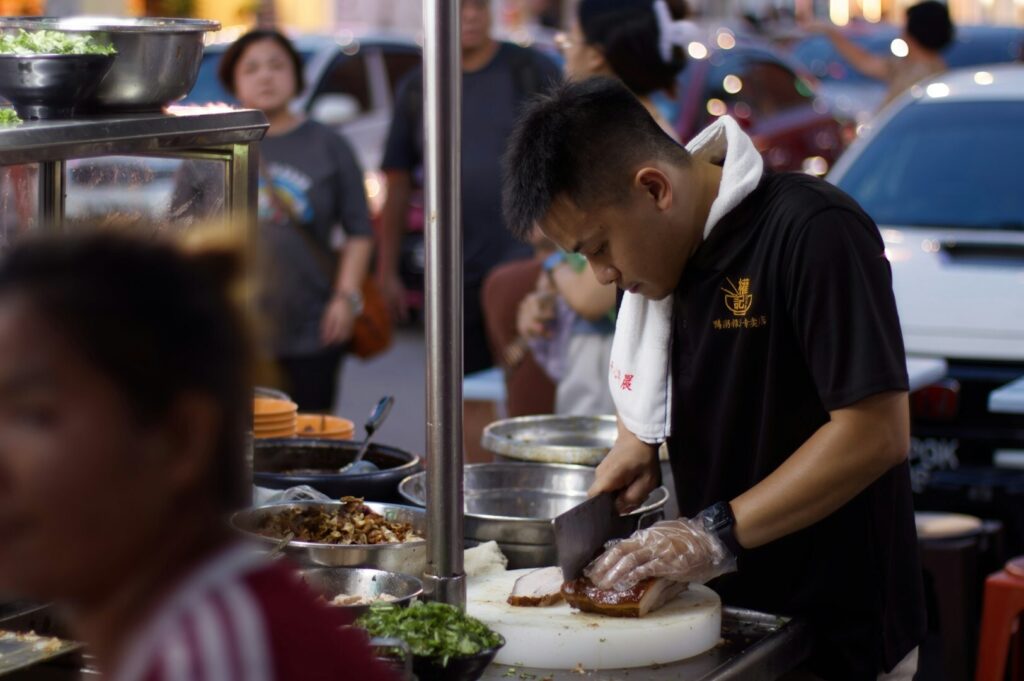
Upscale isn’t just about white tablecloths anymore. Michelin-starred chefs have launched venues where you can order a chicken rice bowl for lunch or share street-style fried tofu and noodle dish platters with friends at dinner. Condensed milk in “kopi” (local coffee), curry dipping sauce for freshly fried snacks, or a classic egg noodles dish is no longer out of place in chic settings. Uniforms and jacket-required dress codes disappear; the focus is squarely on savory flavors and conviviality.
Conclusion: Savoring the Top Food in Singapore—What's Next?
Mastering these restaurant trends Singapore means you’ll always be one step ahead. Whether you’re hunting the richest chicken broth at a famed hawker stall, sipping sweet milk tea with kaya toast at a coffee shop, or craving the perfect flat rice noodles in an air-conditioned concept eatery, understanding the context behind the dishes—and the current mood of the Singapore food scene—enriches every meal.
At SG Dining Guide, we guide you from iconic chicken rice to bold chili crab and beyond, bridging the gap between old-guard classics and tomorrow’s tastes. Let us be your essential companion as you eat, explore, and truly savor everything Singapore’s food culture has to offer.