To eat in Singapore is to participate in a conversation that has been evolving for centuries. From the steamed rice cakes at a bustling hawker stall in Maxwell Food Centre to Hainanese chicken rice at one of the coolest restaurants Singapore offers, every dish and dining setting tells a story. The island’s delicious food scene is a living museum—with signature dishes like roti prata, nasi lemak, char kway teow, and chili crab served with fragrant rice and bold flavors that reflect decades of migration, creative adaptation, and a love for delicious food. Understanding Singapore food culture turns every meal, be it at a Michelin-starred restaurant or simple hawker stall, into a richer, more authentic experience.
This article is your cultural key, setting the foundation for your next visit—whether you’re planning which must-visit best Singapore restaurants to try or mapping out a hawker adventure at Tiong Bahru or Holland Village. By understanding the why behind famous dishes, you’ll enjoy every meal as a unique dining experience, connecting to the city’s food-loving heart. Pair this guide with practical resources on sgdiningguide.com.sg for insider tips on top picks, best dine in Singapore, and hawker centre culture.
The Historical Foundations of Singapore's Food Identity: From Street Food to Fine Dining
The origins of Singapore food culture are inseparable from its strategic port location—drawing traders, laborers, and culinary influences from China, India, the Malay Archipelago, Europe, and beyond. This influx turned the island into a Southeast Asian crossroads. Early on, necessity drove creativity: street food hawkers offered cheap, authentic taste experiences using available fresh produce, rice noodles, coconut milk, and native spices.
Fusion flourished, giving rise to Peranakan food (explored further below). The move from mobile vendors to thriving hawker centres like Maxwell Food Centre and famous establishments along Maxwell Road and Beach Road set the stage for today’s vibrant food scene—now dotted with everything from humble ground floor coffee shops to Michelin-starred restaurants and trendy wine bars with creative cocktails.
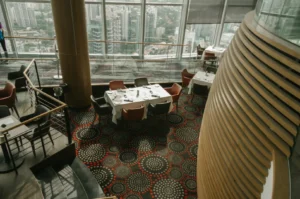
As Singapore grew, so did its dining landscape. Hawker stalls and small plates gave rise to modern restaurants in Singapore’s city center and on Orchard Road, offering tasting menus, grilled meats, desserts, and even inventive dishes inspired by “Crazy Rich Asians.” Today, from casual breakfast at a local kopitiam or Ya Kun Kaya Toast to refined dinner at Burnt Ends or an elegant second floor steak frites bistro, the dining experience is as diverse as the city itself.
Understanding Singapore’s Food Communities & Their Contributions
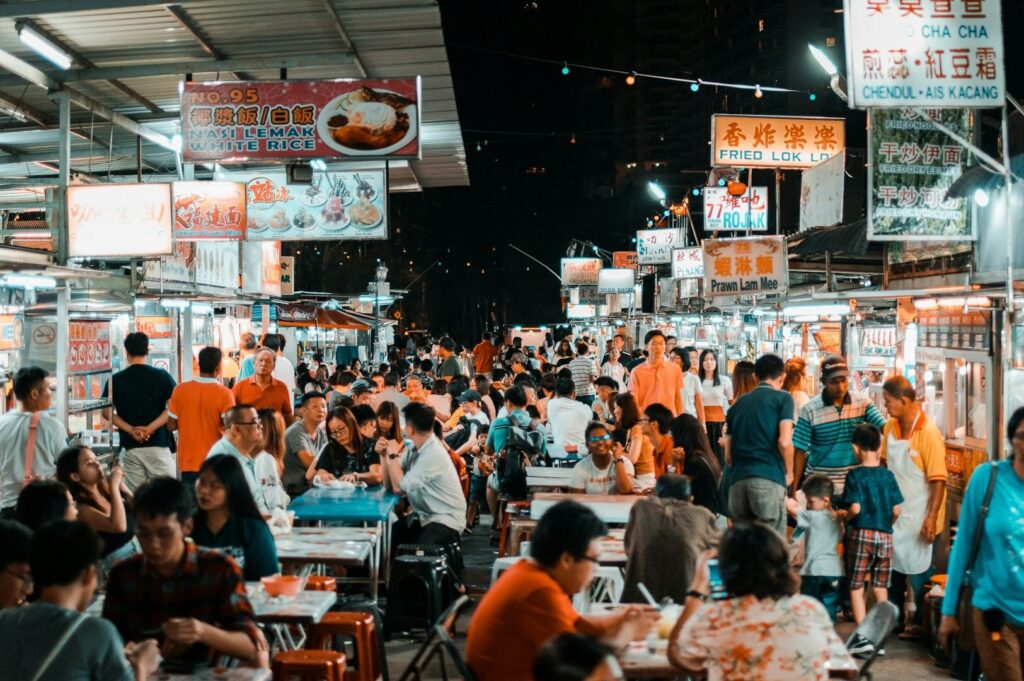
The Singapore culinary heritage thrives on a symphony of influences. The best restaurants, hawker stalls, and dining spaces celebrate the unique offerings of Chinese, Malay, Indian, and Peranakan communities—sometimes all on a single table.
Chinese Community: From Chicken Rice to Char Kway Teow
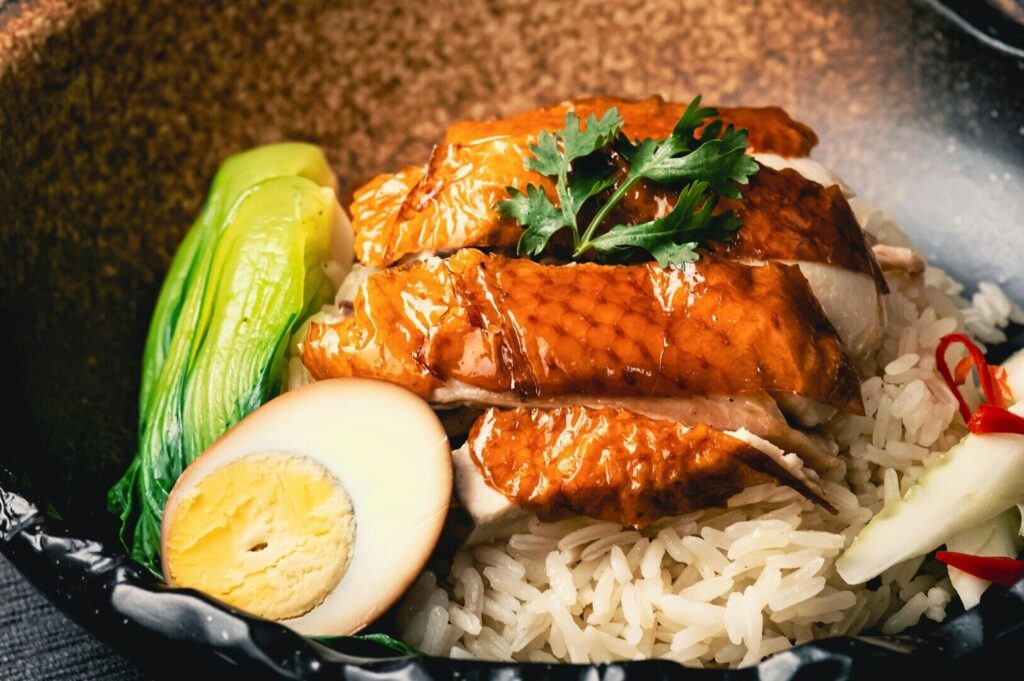
Singapore’s myriad Chinese subgroups shape not just famed Hainanese chicken rice but a world of iconic dishes. Hainanese chicken rice—served with fragrant rice, chili sauce, dark soy sauce, and house-made chicken stock—is found everywhere, from Maxwell Food Centre’s best hawker stalls to Michelin-starred restaurants serving heritage on the plate.
Hokkien bring Hokkien mee—rice noodles stir-fried with prawns and pork, seasoned with a squeeze of lime juice and a dash of bold flavors.
Teochew offer light steamed seafood and hearty braised duck—perfect for those who savor the natural flavors of fresh produce.
Cantonese influence shines in dim sum, roast meats, and the pursuit of wok hei (the elusive “breath of the wok”), sought after by both locals and food travelers.
Malay Community: Nasi Lemak, Beef Rendang & Peanut Sauce
Malay cuisine provides signature dishes that define food traditions Singapore loves. Signature nasi lemak (rice infused with coconut milk and pandan leaves, topped with sambal, deep fried anchovies, peanuts, and eggs) is a breakfast and dinner staple. Rich beef rendang harnesses spices and slow-cooked meat, while satay skewers are grilled over charcoal and served with sweet peanut sauce.
Spices, pandan, lemongrass, and palm sugar are everyday essentials. The influence of Islam shapes halal dining, seen in everything from street food to notable restaurants in neighborhoods like Geylang and Bedok.
Indian Community: From Roti Prata to Fish Head Curry
Indian migration brought both southern and northern specialties. South Indian banana leaf rice (with a medley of dals, vegetarian curries, fried seafood, and crispy papadum), tangy fish head curry, and crispy roti prata (often served with curry for dipping) are especially beloved across Singapore.
North Indian cuisine, meanwhile, offers tandoori meats, naan, and spiced gravies. Local adaptation led to fusion dishes—fish head curry, for example, is a uniquely Singaporean creation.
Peranakan Heritage: Fusion of Two Worlds
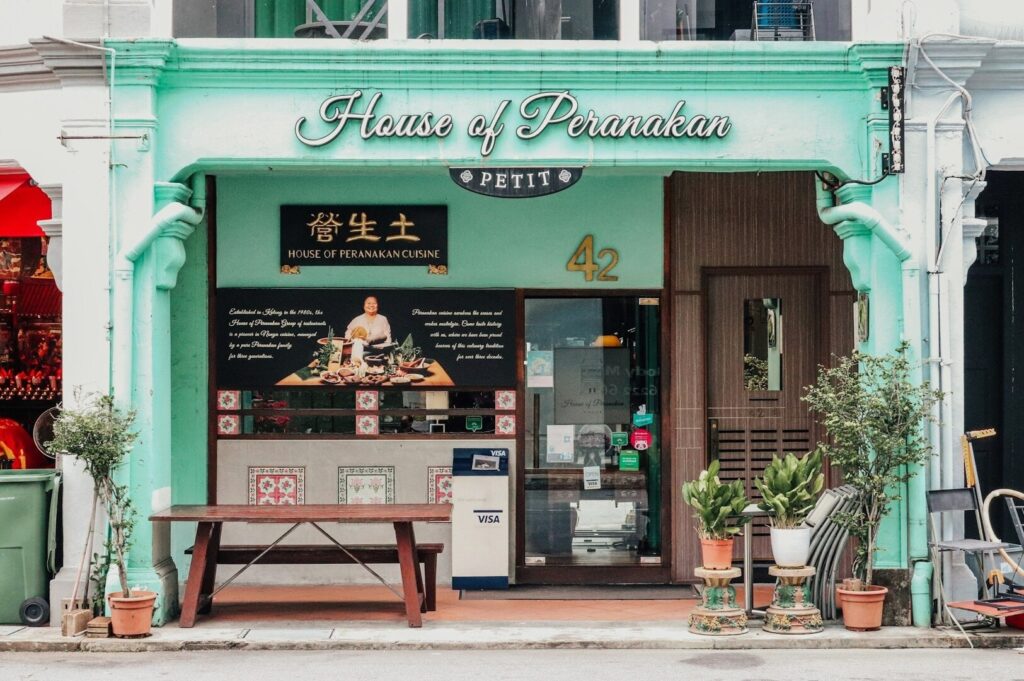
Peranakan food history is at the heart of Singapore’s multicultural culinary identity. Born of Chinese immigrants marrying Malay locals, this heritage brings dishes like laksa—a spicy noodle soup made with coconut milk and laksa leaves—and ayam buah keluak, highlighting unique ingredients like the black keluak nut in a rich, earthy stew.
These signature dishes require intricate preparation, painstaking sauce crafting, and a respect for tradition—qualities found in both old-school kitchens and modern Singapore restaurants paying homage to Peranakan roots.
The Philosophy Behind Hawker Culture Singapore: More Than Just Street Food
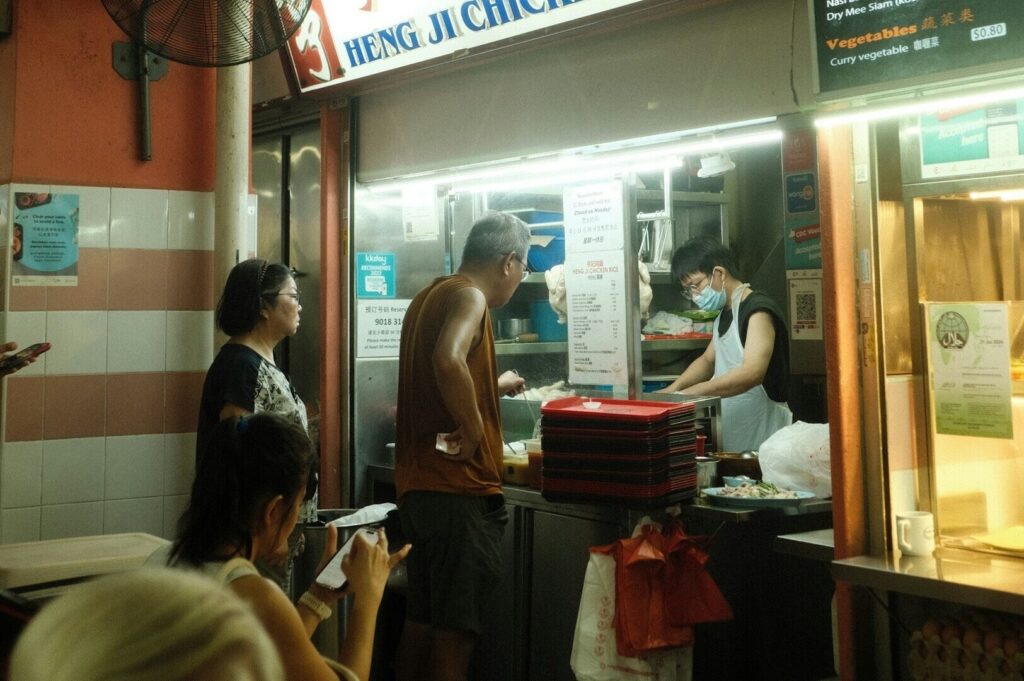
Hawker Stalls & Centers: Singapore’s Living Dining Rooms
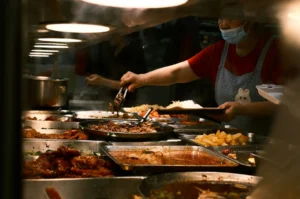
Hawker culture Singapore stands out for its community focus, delicious food, and the democratisation of dining. Best hawker stalls—whether in Maxwell Food Centre, Tiong Bahru, or a Little India corner—see everyone from taxi drivers to CEOs enjoying classic dishes at shared tables and wooden furniture.
Every hawker stall specializes, sometimes for decades, in a few signature dishes, from steamed rice cake to char kway teow, prawn mee, and chilli crab. Recipes are closely guarded and passed through generations.
More Than a Meal: Social Ritual & Gathering
Kopitiam culture (ya kun kaya toast and kopi, anyone?) fosters community—where locals share gossip, breakfast, and lime juice under ceiling fans. Evening feasts at hawker centres reveal Singapore’s melting pot: families digging into hor fun, offices fighting over the last plate of carrot cake, or tourists trying Anthony Bourdain-recommended best hawker stalls.
With UNESCO recognition, hawker centre culture stands alongside fine dining as a pillar of Singapore’s food identity. Whether grabbing dinner before a night at Marina Bay Sands or feasting at a sister restaurant to a famous chef’s flagship, the collective flavors tie diners to the heart of the city.
How Dishes Evolve: Innovation, Creativity & Homage to Heritage
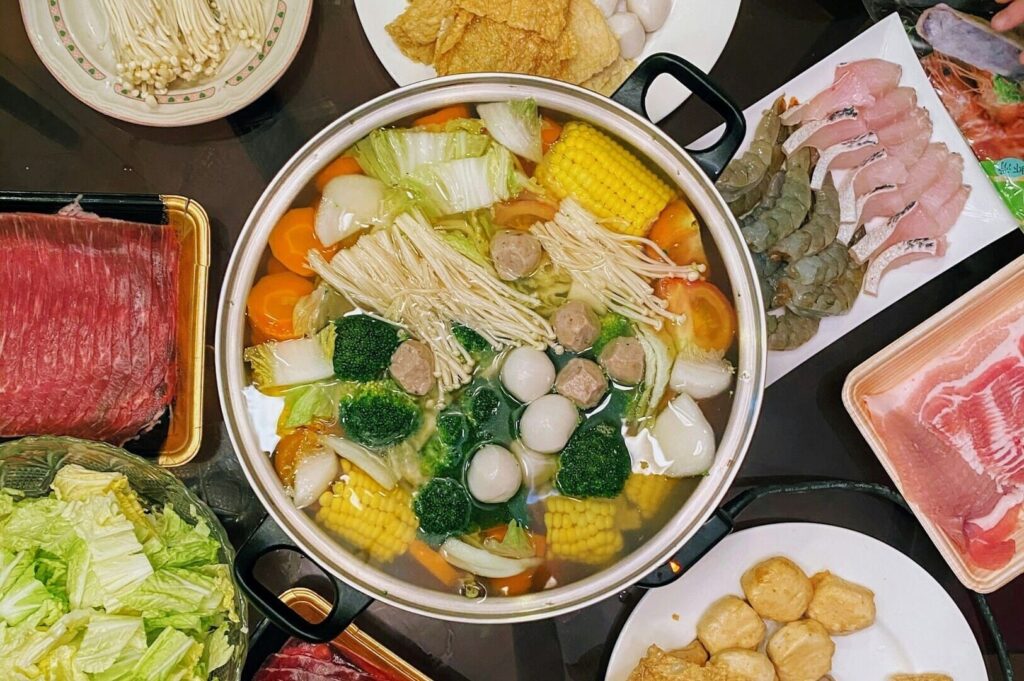
Singapore’s food scene is never static. The best restaurants and Michelin starred eateries craft tasting menus with bold flavors and refined dishes—deconstructing iconic dishes like laksa, updating Hainanese chicken rice with sous-vide chicken, or serving grilled beef tongue with local spices and creative cocktails.
Modern chefs honor tradition while introducing new techniques and world influences, ensuring each meal—be it street food at Maxwell or fine dining along the waterfront—is a treat for both old and new diners. Understanding the authentic taste and origins of signature dishes enhances your appreciation for these evolutions.
The Language of Singapore Food: Essential Terms for Every Diner
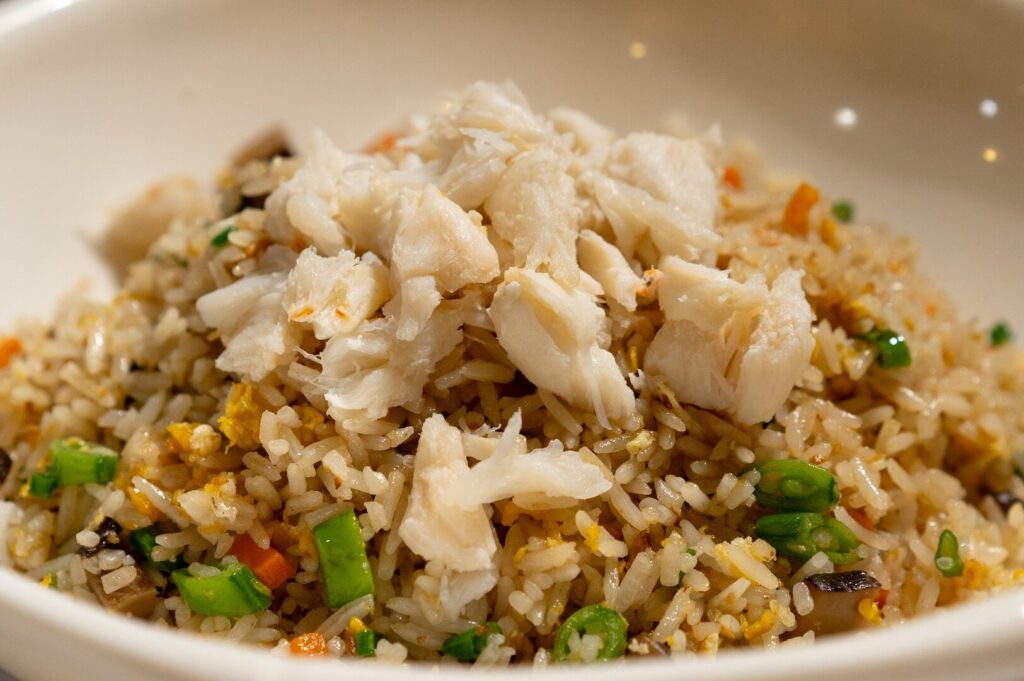
- Cooking & Dish Terms:
- Zi Char: Casual eateries offering an array of wok-cooked small plates and classic rice or noodle dishes.
- Wok Hei: The prized, smoky aroma defining great stir-fried rice noodles or char kway teow.
- Mee Pok: Flat egg noodles, commonly found in dry noodle dishes with chili and vinegar.
- Ordering & Etiquette:
- Dabao: Ordering takeaway (a must-know for exploring hawker stall favorites).
- Kopi / Teh: Coffee/tea customized (“siu dai” for less sugar, “C” for evaporated milk).
- Chope: Using a packet of tissues or umbrella to reserve a table in busy hawker centres.
- Sharing Culture: Meals are social feasts, often of many shared plates (expect to pass dishes around).
- Ingredients & Sauces:
- Sambal: A fiery chili paste central to local flavors.
- Belacan: Pungent fermented shrimp paste key in Peranakan and Malay dishes.
- Gula Melaka: Rich palm sugar found in desserts like steamed rice cake and kueh.
Mastering the lingo helps you navigate restaurants in Singapore, communicate with hawker stall owners, and makes the dining experience that much richer.
Seasonal Eating & Festival Foods in Singapore: Eating with the Calendar
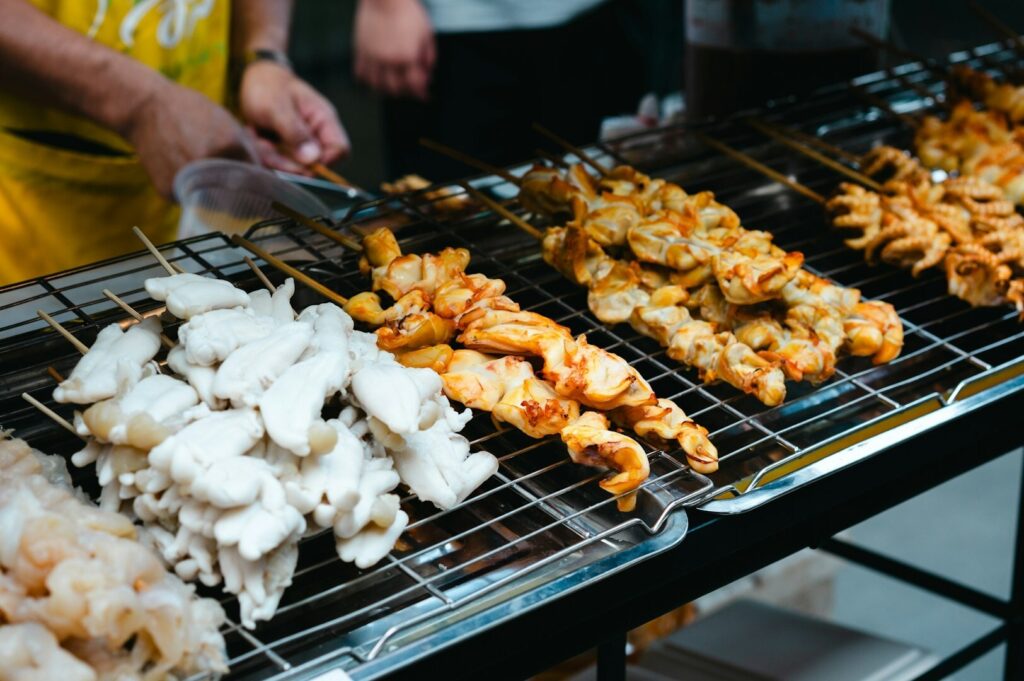
Singapore’s annual celebrations are marked with signature dish offerings:
- Chinese New Year: Yu sheng (prosperity raw fish salad) and bak kwa (sweet barbecued pork) are must-haves at the start of the year.
- Hari Raya Puasa: Beef rendang, ketupat, and festive chili crab dinners grace Muslim homes; expect tables loaded with delicious food and coconut-based desserts.
- Deepavali: Murukku, laddu, and an array of sweets fill Little India with inviting aromas.
Visiting Singapore during these festivals offers a rare treat for food enthusiasts—a chance to savor seasonal and heritage-inspired plates, often only made for a few weeks.
The Future of Singapore Food Culture: Heritage, Innovation & World Influence
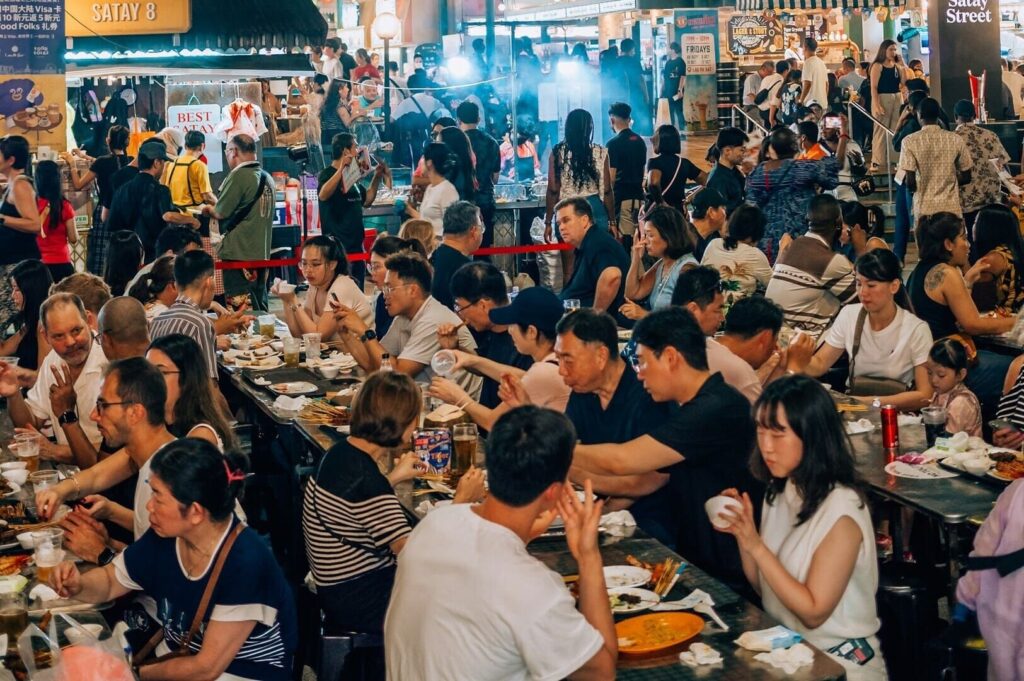
Singapore food culture is a tapestry in constant evolution. Today, the city’s finest Michelin starred restaurants, coolest restaurants Singapore, and even humble hawker stalls are pursuing sustainability, locally-sourced fresh produce, seasonal offerings, and creative takes on classics.
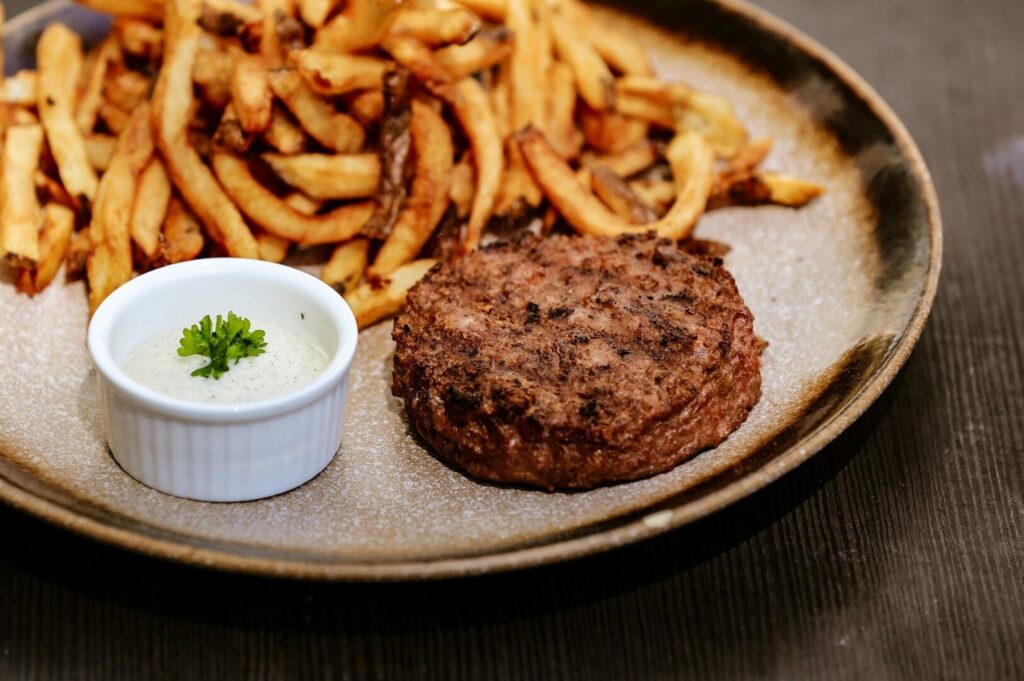
Local chefs are crafting dishes that pay homage to their roots while introducing bold new flavours, steak frites inspired by both French bistros and Asian spices, or even nasi lemak sushi rolls. Plant-based menus and natural wine lists are appearing alongside iconic chili crab, best hawker stalls perfecting char kway teow or steamed rice cake, and wine bars with creative cocktails in Holland Village. Regional influences from Southeast Asia, Japan, and Sri Lanka (the city’s newest Elephant Palace bringing refined Sri Lankan cuisine to Singapore, for example) are further expanding the city’s palette.
Why Cultural Understanding Enhances Every Meal: Savoring the Story
In Singapore, knowing the origins of a dish, the meaning behind a spicy peanut sauce, or the secret why a hawker’s chicken rice stands out transforms eating into a complete cultural experience. It’s about connecting with the chefs, the neighbors at your table, and the generations of cooks who shaped Singapore’s food scene. At every meal—be it a breakfast of kaya toast at Ya Kun, a lunch at Maxwell Road, or dinner of tasting menus in the city center—there’s rich history to savour.
Conclusion: A Delicious Invitation to Explore
There’s something about the gentle rhythm of Singapore’s food culture—the way it moves between the unhurried hum of hawker centres and the careful choreography of Michelin-starred kitchens—that speaks to a deeper understanding of nourishment and belonging. What lingers in each dish, whether a morning’s first bite of roti prata or the deliberate composition of a tasting menu, is the quiet story of heritage and craft, told through the patient accumulation of flavor and memory. What remains after the meal ends is more than satisfaction—it’s a quiet thread woven into the larger tapestry of culture, community, and the artful patience that transforms ingredients into something closer to poetry.