The humidity in Singapore hits you first, but it is quickly followed by something far more intoxicating: the scent of a thousand kitchens firing up at once. For those of us who live to eat, this city is not just a destination; it is a pilgrimage site. Beyond the famous hawker stalls that rightfully earn their accolades, there exists another layer to this city—a stratum of premier dining Singapore establishments where culinary artistry meets obsessive hospitality.
With around 300 new restaurants opening each month, Singapore’s dining scene is ever-evolving, making it one of the most dynamic culinary landscapes in the world.
This isn’t about checking boxes on a “top 10” list or chasing trends for the sake of a social media post. It is about understanding the narrative arc of a city that has transformed itself into a global gastronomic powerhouse. As a city featured in ‘Crazy Rich Asians‘, Singapore’s reputation for luxury and high-end dining is recognized worldwide. The evolution of our dining scene reflects our identity: complex, multicultural, and constantly looking forward while holding tight to our roots. Whether you are a local seeking to rediscover your city or a visitor hungry for the extraordinary, the journey through Singapore’s culinary landscape offers a richness that rivals Paris or Tokyo.
We are venturing into spaces where food becomes an emotional dining experience. From the hushed reverence of a Michelin-starred dining room to the vibrant chaos of a modern fusion kitchen, the definition of premier dining Singapore has expanded. Drawing influences from around the world, it is no longer just about white tablecloths and French service; it is about authenticity, innovation, and the sheer joy of feeding people well.
Fine Dining and Michelin-Starred Excellence in Singapore
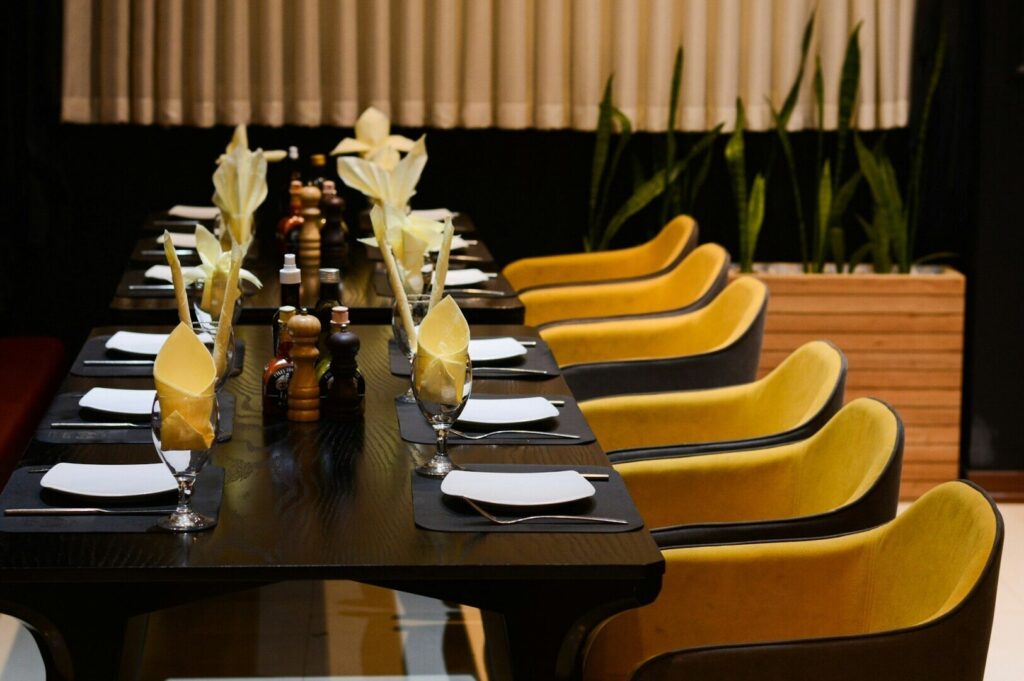
When we talk about the pinnacle of premier dining Singapore, we must acknowledge the masters who have turned the island into a constellation of Michelin stars. Discerning diners come to indulge in the luxury of fine dining and to dine at these acclaimed establishments, seeking out exceptional experiences that define the city’s culinary prestige. The fine dining scene here has matured beautifully, moving away from stiff formality towards a more expressive, chef-driven narrative.
Take, for instance, the sheer poetry found at Odette in the National Gallery Singapore. Walking into that soft, pastel-hued room feels like stepping into a dreamscape. Chef Julien Royer doesn’t just cook French cuisine; he interprets the terroir of his upbringing through the lens of Asian seasonal ingredients. Odette has received multiple accolades, including the Tatler Best Singapore’s Restaurant of the Year 2024 award, further cementing its reputation among the top Michelin star destinations. It is this willingness to adapt and integrate that defines the best restaurants Singapore has to offer. A dish might feature Hokkaido uni paired with a classic French sauce, or be elevated with luxurious oscietra caviar, bridging continents on a single porcelain plate, with the finest ingredients taking centre stage.
Similarly, at Les Amis, the commitment to classicism is breathtaking. In an era where deconstruction is often the norm, there is something deeply comforting about a kitchen that respects the integrity of the classics. Even here, the menu is an obsession with sourcing fresh and seasonal ingredients, ensuring that what lands on the table is the absolute peak of the season. These restaurants frequently update their latest menu, inviting guests to explore new culinary creations and indulge in refined lunch offerings that showcase the chef’s creativity.
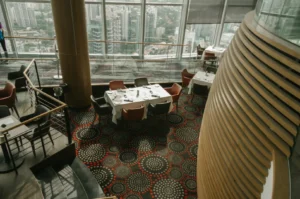
Jaan by Kirk Westaway, another Michelin star gem, features modern British cuisine with seasonal tasting menus and is located on the 70th floor of Swissôtel The Stamford Singapore, offering diners a unique opportunity to indulge in a refined lunch or dinner with breathtaking city views.
What elevates these establishments to the status of premier dining Singapore is not just the food—it is the choreography of the service. It is the sommelier who remembers your preference for high-acid whites from the Jura, or the server who notices you are left-handed and adjusts the cutlery accordingly. This level of fine dining Singapore expertise creates an atmosphere where you feel completely taken care of, allowing you to focus entirely on the sensory culinary experience unfolding before you.
Heritage Cuisine Elevated: Authentic Flavours Reimagined
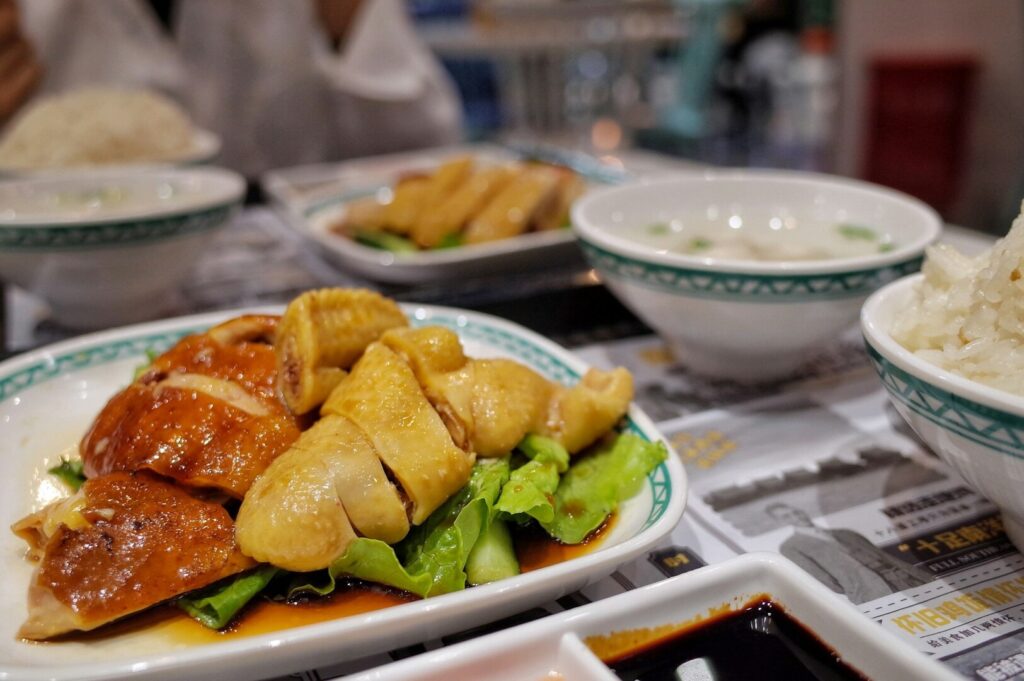
For a long time, there was a stark divide: you went to hawker centres for local food and to Western restaurants for “fine dining.” Thankfully, that wall has crumbled. A new wave of chefs is reclaiming our heritage, proving that a rempah (spice paste) grounded by hand deserves the same reverence as a demi-glace simmered for days.
The rise of elevated Peranakan cuisine is a prime example of this shift. At places like Candlenut, the world’s first Michelin-starred Peranakan restaurant, the complexity of Nyonya cooking is given the platform it deserves. Chef Malcolm Lee takes recipes passed down through generations—dishes that are notoriously labor-intensive—and refines them without losing their robust soul. His beef rendang and buah keluak dishes, utilizing the earthy, black nut often called the “truffle of the East,” are a revelation. This isn’t just dinner; it is a history lesson on a plate, showcasing the unique cultural hybridity that makes the Singapore culinary experience so singular.
We are also seeing a renaissance in regional Chinese cuisine that goes beyond the standard Cantonese banquet fare. Restaurants like Labyrinth define what premier dining Singapore looks like when it looks inward. Chef Han Li Guang calls it “New Singaporean” cuisine. He challenges diners to rethink their perceptions of local flavors. His version of chili crab involves local flower crab and ice plant, transforming a messy, communal dish into an elegant, focused study of flavor profiles.
This movement is crucial because it preserves our culinary DNA while ensuring it remains relevant for future generations. It validates the idea that our local flavors are sophisticated, complex, and worthy of the global stage.
Contemporary Asian Fusion Destinations: Inspired Innovation
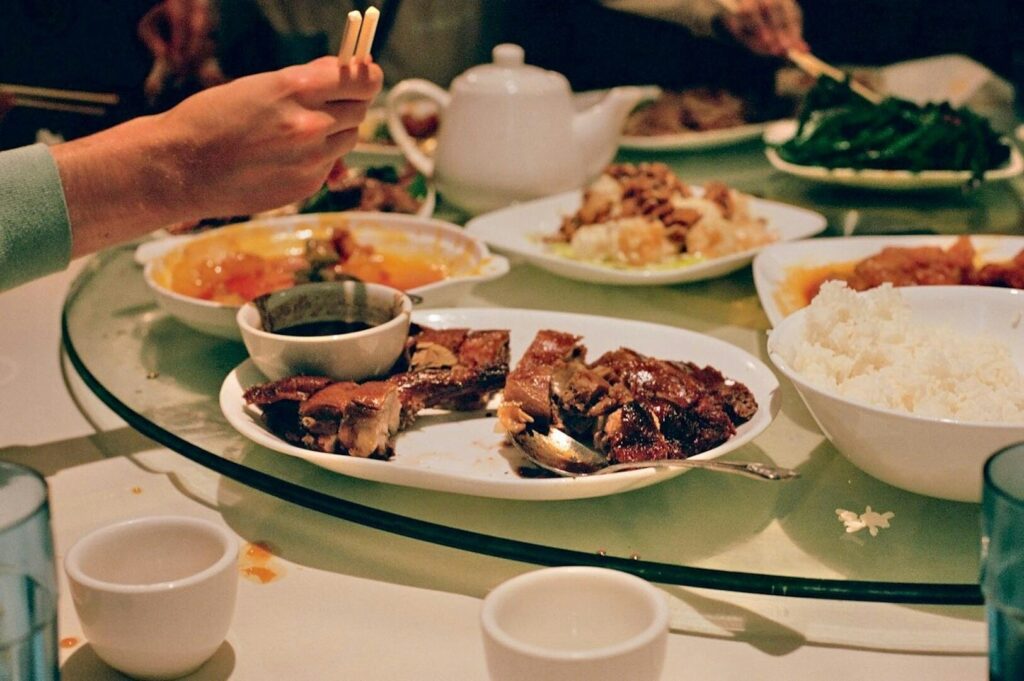
If heritage cuisine is about looking back, contemporary Asian fusion is about sprinting forward. This sector of the dining scene is electric, characterized by young, ambitious chefs who refuse to be boxed in by geography or tradition. They are the rebels creating the next generation of premier dining Singapore hotspots.
You feel this energy most acutely in neighborhoods like Telok Ayer and Amoy Street, where shophouses have been converted into laboratories of flavor. Here, boundaries blur. You might find a kitchen where Nordic fermentation techniques are applied to Southeast Asian fruits, or where Japanese yakitori meets American BBQ culture.
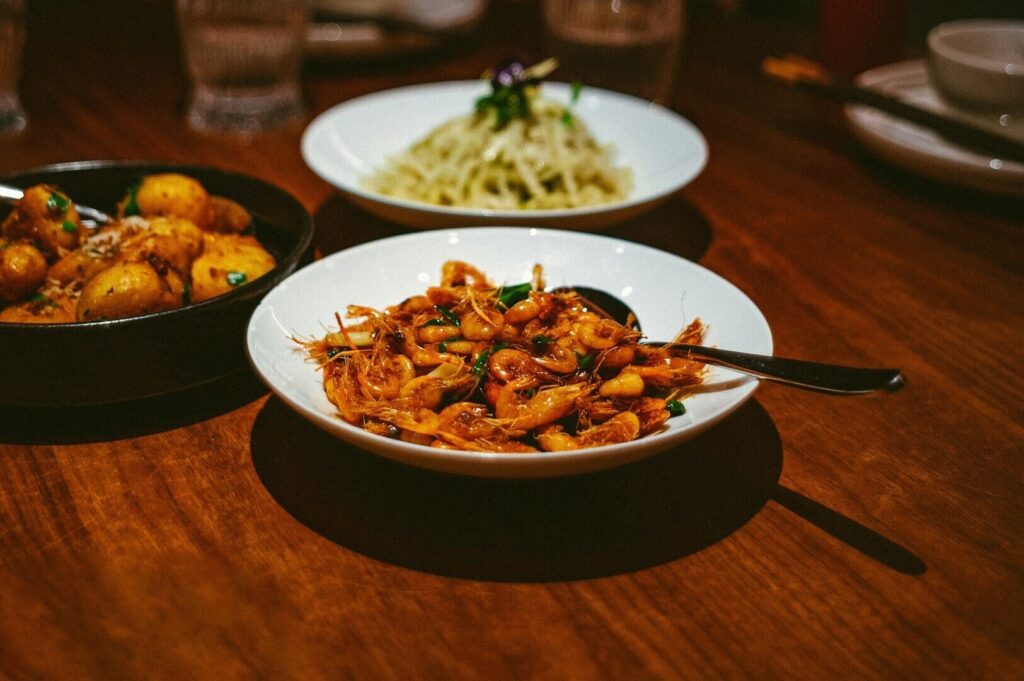
Consider the bold experiments happening at restaurants like Cloudstreet, which offers a modern Australian dining experience with seasonal tasting menus, emphasizing seasonal ingredients and precision-driven techniques. The marriage of Sri Lankan heritage with Australian culinary training results in a menu that is unclassifiable but utterly delicious. It challenges the palate with contrasts—spicy against sweet, grilled against raw. This is where the Singapore food scene feels most alive. It is unafraid to take risks.
Nouri, led by chef-owner Ivan Brehm, stands out for its ‘Crossroads Cooking’, blending various culinary traditions into innovative dishes. Meta, crafted by chef-owner Sun Kim, embraces Korean flavors in its modern cuisine, showcasing seasonal ingredients and a unique approach to contemporary dining. Restaurant Zén offers a Nordic-Japanese fusion dining experience, with an emphasis on seasonal ingredients and meticulous preparation.
For those seeking Italian fusion, Somma combines Italian culinary heritage with modern techniques, featuring standout pasta dishes that highlight both tradition and innovation.
These establishments often trade the hushed tones of traditional fine dining for a high-energy vibe. The kitchens are open, the music is louder, and the interaction between chef and diner is more direct. It creates a luxury dining Singapore experience that feels inclusive rather than exclusive. It appeals to a diner who values creativity and narrative as much as technical perfection. It proves that premier dining Singapore can be fun, loud, and messy, as long as the food speaks the truth.
Hidden Gems and Neighborhood Favorites: Beyond the Spotlight
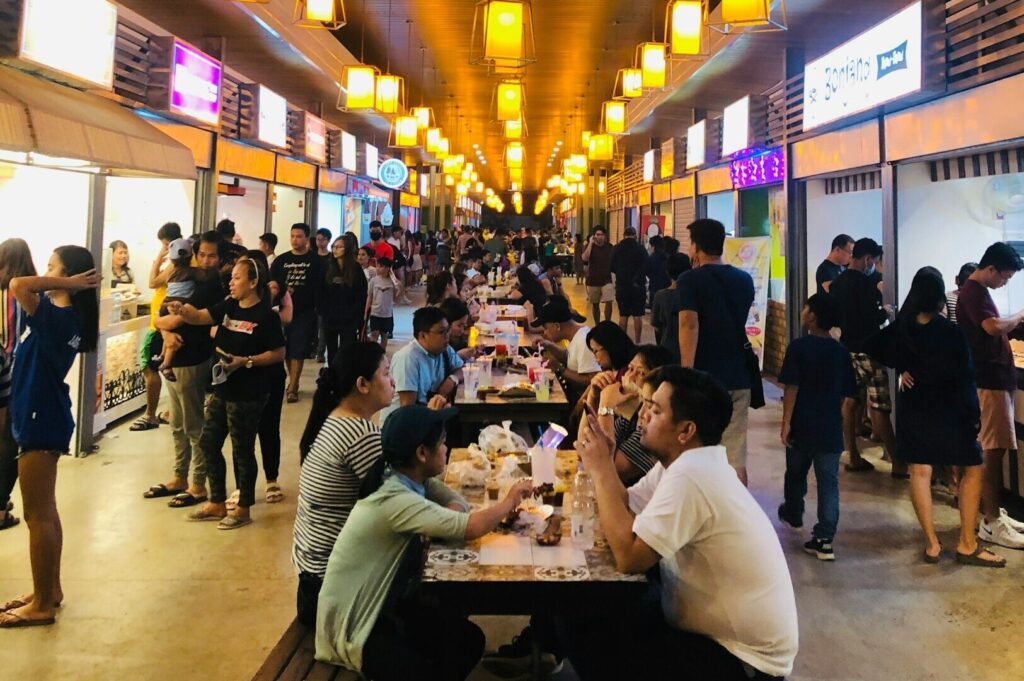
While the gleaming towers of Marina Bay Sands and the historic Raffles Hotel garner the headlines, some of the most compelling premier dining Singapore experiences are hidden in plain sight, tucked away in residential enclaves or quiet streets.
Venture out to Dempsey Road, a former army barracks transformed into a lush dining enclave. Amidst the greenery, you find restaurants that offer a retreat from the city’s frenzy. In some of these establishments, the main dining experience unfolds on the second floor, providing a unique vantage point and a sense of exclusivity. It is here that you might stumble upon a chef’s table dining experience that rivals anything in the city center, but with a more relaxed, intimate pacing.
Or explore the Tiong Bahru neighborhood, where art deco architecture houses bistros that feel like they belong in a European capital, yet serve food deeply rooted in local produce. Many of these favorites have a sister restaurant elsewhere in the city, sharing ownership or culinary inspiration and expanding their unique concepts. These are the top Singapore restaurants for those in the know—the places where chefs eat on their days off. They might not always have the crystal chandeliers, but the commitment to quality is unwavering.
There is a distinct joy in discovering a small, 20-seat restaurant in a place like Joo Chiat, where the chef visits the local wet market every morning. These community-driven spots offer a Singapore culinary experience that is personal and intimate. You are not just a customer; you are a guest in someone’s culinary home. In 2025, a modern Colombian restaurant joined the Michelin Selected category, offering authentic Latin American flavors and standing out as a hidden gem among Singapore’s diverse dining scene. These hidden gems remind us that excellence is not defined by location or marketing budget, but by passion and consistency.
Signature Dishes and Hawker Stalls: The Heartbeat of Singapore
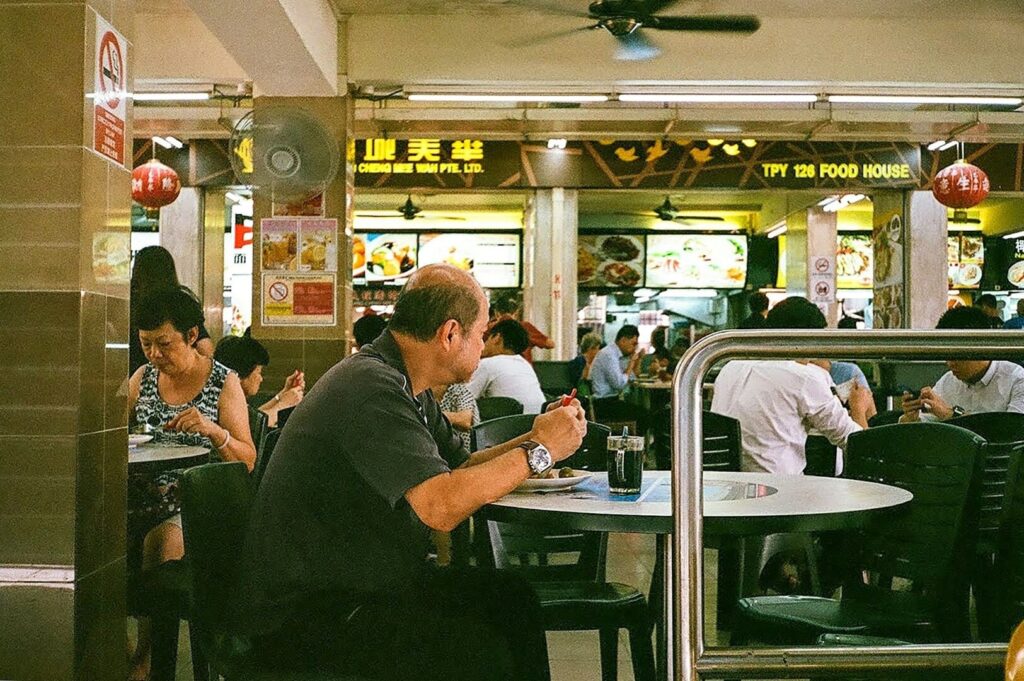
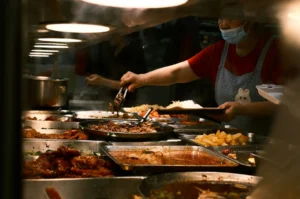
No exploration of Singapore’s food scene is complete without indulging in its legendary hawker stalls and hawker centres. These vibrant hubs serve up authentic flavours and familiar flavours that have been perfected over generations. Hawker centres in Singapore provide affordable and diverse food choices, offering a wide array of breakfast, lunch, and dinner options that reflect the city’s multicultural heritage. Drinks, from traditional kopi to refreshing local beverages, are an essential part of the hawker centre experience and perfectly complement the food.
At the Maxwell Food Centre, the famous Tian Tian Hainanese Chicken Rice stall offers a signature dish beloved by locals and tourists alike. The tender chicken served with fragrant rice and accompanied by a tangy chili and curry dipping sauce is a must-try, showcasing why Singapore is known for its exceptional seafood dishes, including chili crab and Hainanese chicken rice. For breakfast, stalls serve kaya toast—often made with rich butter and sweet kaya jam—highlighting the cultural significance of starting the day with these local favorites. Ya Kun Kaya Toast is a popular spot for traditional kaya toast and coffee. Nearby, stalls serving roti canai and roti prata—with Fatimah Stall Ar Rahman Royal Prata known for its delicious roti prata served with curry—add to the diversity. Pastries and breads often feature butter as a key ingredient, enhancing their taste and texture.
The Newton Food Centre is renowned for its variety of quality cuisine and was featured in the movie Crazy Rich Asians, making it a must-visit for food lovers. For seafood, Jumbo Seafood is famous for its Sweet Chilli Crab, a signature dish of Singapore. The Banana Leaf Apolo is celebrated for its fish head curry, a dish with South Indian and Chinese origins that uses fresh fish in a rich, aromatic curry. Keng Eng Kee Seafood is famous for its Zi Char (stir-fried dishes), including coffee pork ribs, while Ng Ah Sio is known for its comforting bak kut teh, a pork rib soup dish. Hawker stalls like SONG FA Bak Kut Teh also specialize in traditional pork ribs soup.
The best restaurants in Singapore may dazzle with Michelin stars and elaborate tasting menus, but it is these humble stalls where the soul of the city’s cuisine truly shines. Whether you’re savoring char siew, enjoying deep fried snacks garnished with spring onions, or sampling fish-based dishes and local drinks, the experience is always vibrant and rich.
Burnt Ends and Beyond: Modern Icons of Singapore Dining
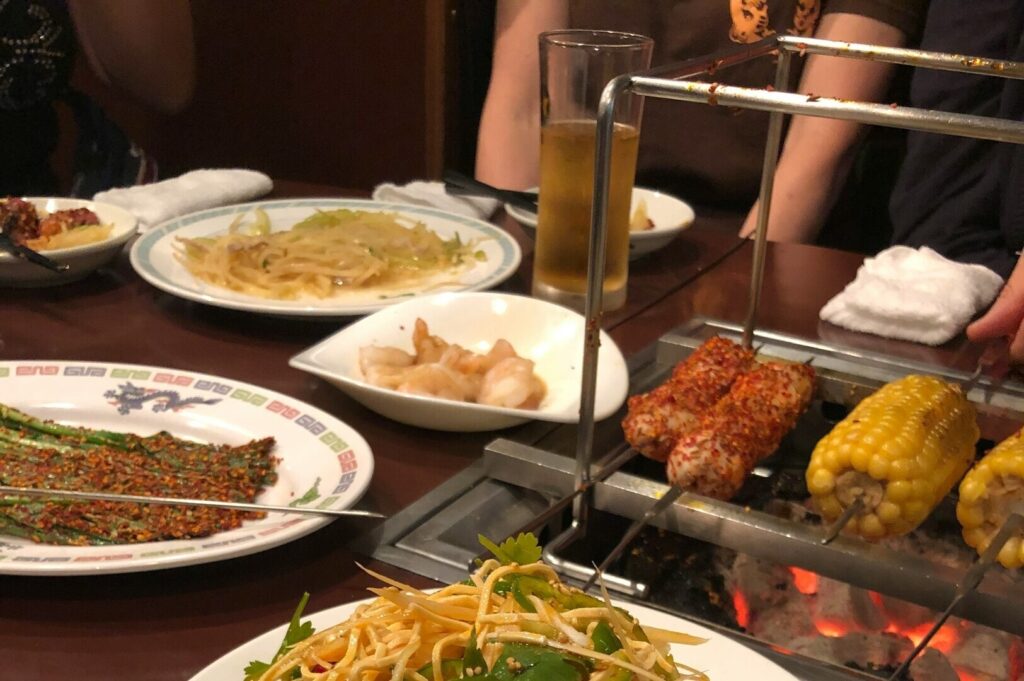
Among the many restaurants in Singapore that have earned international acclaim, Burnt Ends stands out as a beacon of innovation. Located on Dempsey Road, this modern Australian barbecue restaurant has become a favorite for its expertly grilled meats and seafood, all cooked over an open flame in a custom-built oven. The extensive menu features dishes that highlight fresh, seasonal ingredients, with bold flavors and textures that keep diners coming back.
As featured in the Michelin Guide, Burnt Ends offers not only a meal but a theatrical dining experience, where the open kitchen invites guests to watch the chefs at work. The restaurant’s signature beef dishes, as well as its innovative small plates, have cemented its place among the top 10 best restaurants in Singapore.
Conclusion: A Culinary Journey Worth Taking
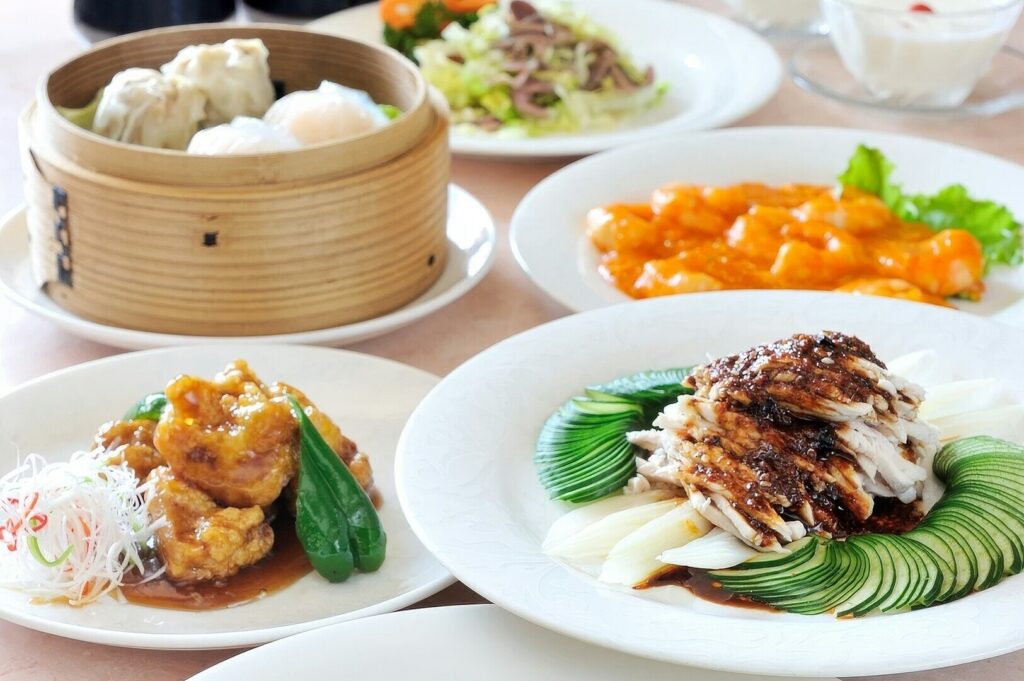
The beauty of the Singaporean appetite is that it is insatiable and incredibly democratic. We celebrate a perfect plate of chicken rice with the same fervor as a degustation menu. As we explore the landscape of premier dining Singapore, we see a city that has truly come into its own.
From the meticulous precision of French-Asian fine dining to the soulful elevation of Peranakan classics, and the rebellious spirit of modern fusion, the diversity is staggering. Our dining scene is a living, breathing entity that refuses to stand still. It invites you to be curious, to taste without prejudice, and to understand that every meal is a story waiting to be told.
So, I urge you to look beyond the obvious. Make that reservation at the small counter-seat restaurant you heard about in passing. Order the dish you can’t pronounce. Engage with the sommelier at the wine bar. Dive deep into this food lover’s journey, because the true flavor of Singapore is found in these moments of connection and discovery.
For more insights into specific neighborhoods and restaurant reviews, explore our detailed guides on sgdiningguide.com.sg.
Frequently Asked Questions
What makes a restaurant a “premier dining destination” in Singapore?
A premier dining Singapore destination is defined by more than just high prices. It encompasses exceptional culinary technique, obsessive sourcing of high-quality ingredients, a distinct narrative or philosophy from the chef, and impeccable service standards. Whether it is a Michelin-starred establishment or an intimate chef’s table, the common thread is a commitment to providing an extraordinary and memorable dining experience.
Where are the best fine dining restaurants in Singapore located?
While many of the best restaurants Singapore has to offer are concentrated in the Central Business District, Marina Bay Sands, and the Orchard Road belt, premier dining is decentralized. You will find exceptional fine dining Singapore establishments in heritage enclaves like Dempsey Road, Tanjong Pagar (specifically along Amoy Street and Telok Ayer Streets), and the historic grounds of CHIJMES.
What types of cuisine define Singapore’s premier restaurants?
The landscape is incredibly diverse. While French and Japanese cuisines have a strong foothold in the luxury dining Singapore sector, there is a growing prominence of “Mod-Sin” (Modern Singaporean) cuisine. This involves elevating local heritage flavors—Chinese, Malay, Indian, and Peranakan—using modern European cooking techniques. Additionally, contemporary Australian and Nordic-influenced kitchens are also defining the Singapore food scene.