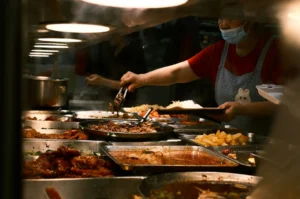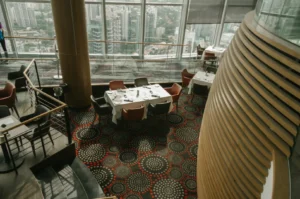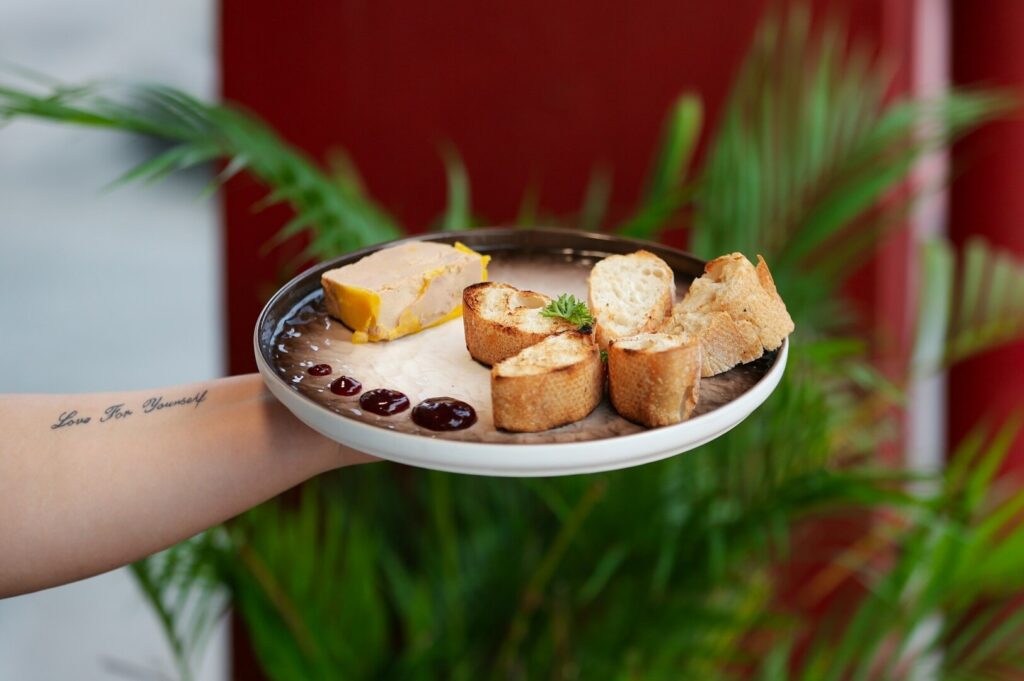
Choosing a restaurant in Singapore can feel truly overwhelming. With thousands of food centres, ethnic eateries, and stylish bistros packed onto one small island—famous for everything from fragrant rice cooked with chicken fat to luxurious plates of chili crab—the sheer abundance of choice is both exciting and intimidating. For locals in search of new flavors or tourists on a food tour, the challenge is real: do you opt for Hainanese chicken rice at Maxwell Food Centre, explore Peranakan food in a shophouse, or book that skyline-view dinner for a romantic occasion? Endless scrolling can lead to decision fatigue, especially when Singapore’s best food is hidden in plain sight.
Understanding Singapore's Restaurant Landscape: From Hawker Stalls to High-End Dining Spots
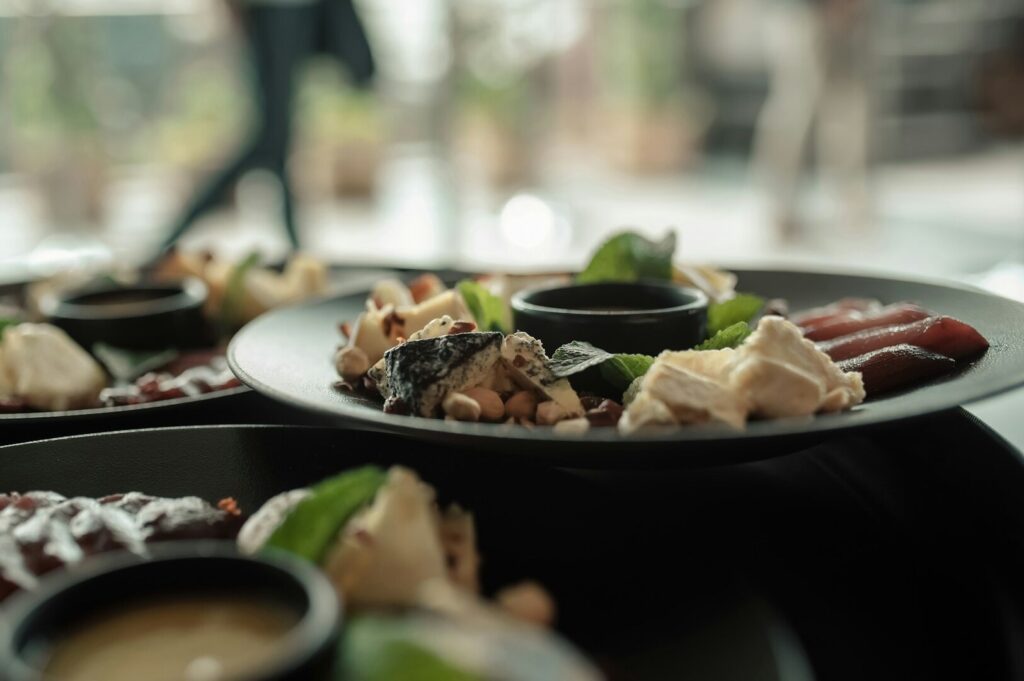
Singapore’s food scene is as vibrant and multi-layered as its culture. In a single outing, you could indulge in poached chicken with fragrant rice, sample white carrot cake from a bustling hawker centre, and finish with shaved ice topped with palm sugar and condensed milk.
The restaurant landscape includes:
- Fine Dining: Michelin-starred venues where creative chefs mix local ingredients like coconut milk and fresh herbs with global techniques.
- Casual Bistros & Cafes: Whether you’re after a soft-boiled egg breakfast with kaya toast and sweet milk tea or bar bites with a Singapore Sling, options are endless.
- Neighborhood Eateries: Homey places serving up beloved dishes—like fried fish head curry, stir fried egg noodles, or nasi lemak with coconut rice and crispy fried chicken—alongside coffee shop classics.
- Specialty Venues: Restaurants focusing on a single culinary tradition such as Peranakan food, mouthwatering char kway teow (flat rice noodles with Chinese sausage and prawns), and even dessert bars offering glutinous rice and peanut sauce treats.
Don’t forget Singapore’s authentic street food stalls located inside food centres like Adam Road Food Centre, Maxwell Food Centre, and the legendary hawker stalls at Changi Village. The proximity of so many choices—sometimes several top-rated vendors per food centre—can make decision-making harder, not easier. That’s why a good restaurant selection guide and restaurant finder Singapore need to help you filter dining spots by occasion, dish, atmosphere, and more.
Dining by Occasion: Matching Singapore’s Best Food with Your Event
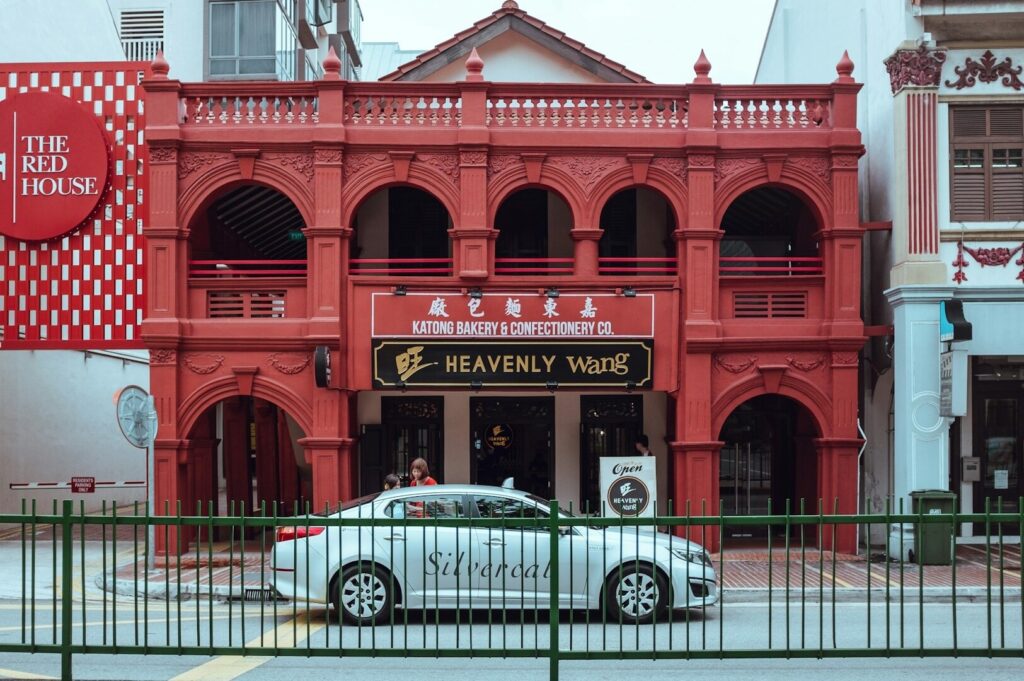
A perfect meal depends greatly on the reason for your outing. Here’s a deep dive into choosing the right dining spots Singapore serves up, tailored to four common occasions.
For Business Lunches: From Chicken Rice to Private Dining
For work meetings, efficiency and impression matter. Look for venues with smooth service and a quiet yet professional vibe.
- Cuisine: Modern European, Japanese or refined Chinese and Malay influences are neutral crowd-pleasers. Think flavorful rice dishes, curry dipping sauce, or delicate poached chicken rice served alongside spicy chili sauce.
- Best Locations: Food hubs in the Central Business District (CBD), such as Telok Ayer and Tanjong Pagar, teem with bistros and coffee shops offering set menus. Iconic places like Maxwell Food Centre also host business people over classic Singaporean dishes.
- Atmosphere: Choose restaurants with calm acoustics, private rooms, and efficient service. Bonus points for outlets offering quick yet quality set lunches—ideal for both meetings and flavor exploration.
- Budget: $30-80/person is typical, whether you order fragrant rice with steamed chicken, savory char kway teow, or an international noodle dish.
For Romantic Date Nights: Ambiance, Flavors, and Iconic Views
Romance is about memorable atmosphere and delicious food. Focus on ambiance, shareable dishes, and comfort.
- Ambience: Rooftop or riverside views (think Marina Bay or the breezy East Coast) up the “wow” factor. Or seek out intimate spaces in heritage neighborhoods, near food hubs or nestled above a food centre.
- Cuisine: Share plates of chili crab with rich, spicy chili sauce, sample coconut milk-laced curries, or try contemporary Peranakan food. Avoid overly messy or divisive flavors, unless you both love oyster omelette and belachan!
- Booking & Budget: Plan ahead for weekends. $80–200 per couple is normal for a special meal at a food centre with a view, a heritage-themed restaurant, or a modern bistro.
- Alternatives: For something unique, try chef’s table concepts or bar dining where you can savor condiments from curry dipping sauce to house-made bean sprouts.
For Family Celebrations: Celebrating Singapore’s Food Culture Together
With family, spaces need to accommodate kids and elders—a common scenario at local restaurants and food centres famous for generous portions and warm service.
- Space: Seek out large tables, multi-generational menus (dim sum, roast meats, fried tofu, savory rice cakes), and plenty of room for strollers at well-known food hubs.
- Menu Variety: Choose places known for satisfying all ages—like hawker centres or seafood restaurants where you can order fried chicken, carrot cake, soft-boiled eggs, and sweet milk tea in one sitting.
- Atmosphere: Lively is good! Private rooms or separate sections can boost comfort.
For Solo Dining: Comfort, Efficiency, and Culinary Adventure
Dining alone? Singapore’s food scene loves solo guests.
- Seating: Go for counter seating or bar dining. Chef’s tables at ramen shops or sushi counters allow you to watch the action and interact with chefs.
- Cuisine: Solo time is ideal for exploring new food in Singapore. Sample bak kut teh (“meat bone tea”) with flavorful broth, char kway teow with dark soy sauce and Chinese sausage, or a quick set meal featuring steamed rice cake and savory flavors.
- Timing: Lunch at off-peak hours means more peace and often fresher servings—whether at a food stall or a higher-end eatery.
Choosing by Cuisine Preference: Unlocking Singapore’s Food Heritage
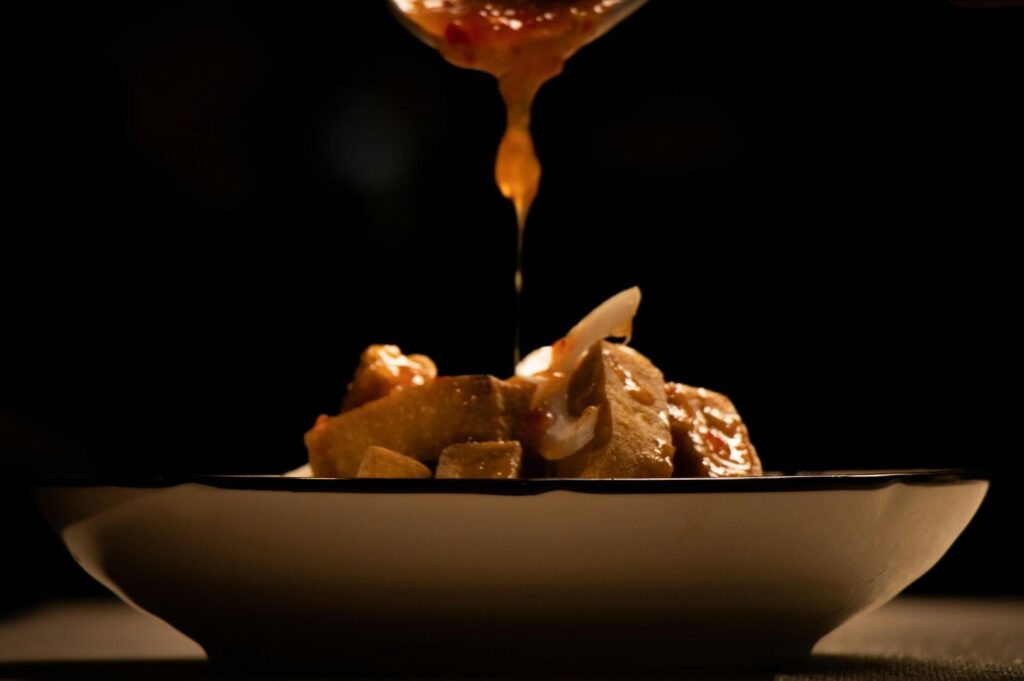
Once you’ve determined the occasion or type of meal, dig into Singapore’s incredible range of cuisines, each bringing its signature fragrant rice, chili sauce, and unique approach to delicious dishes. For more on classic preparations, visit our guide to Singapore’s Best Food.
- Chinese & Malay Influences: From poached chicken with flavorful rice and spicy chili sauce at Maxwell Food Centre or Tian Tian Chicken Rice, to savory rice noodles from a top hawker stall, authenticity is about fresh ingredients and generational recipes.
- Indian: Enjoy bold flavors in dishes like nasi lemak (coconut rice, fried chicken, roasted peanuts, and sambal), beef rendang, egg noodles topped with shrimp paste or tofu puffs, and roti prata paired with savory curry dipping sauce.
- Japanese: Go beyond sushi. Explore ramen with pork bones or chicken broth, tempura, yakitori, and kaiseki at niche Japanese venues nestled throughout Singapore’s neighborhoods.
Don’t forget to look for authenticity cues: open kitchens, freshly made chili sauce, and long lunchtime queues—often the sign of the best hawker stalls.
Budget-Conscious Restaurant Selection: Savoring Flavor Without Overspending
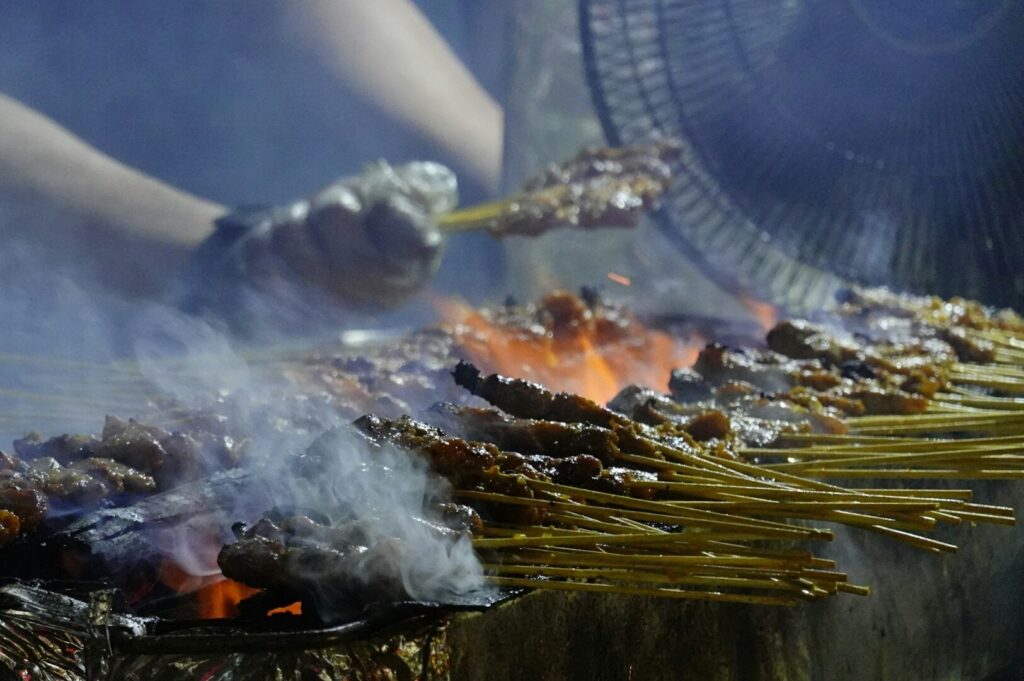
Dining in Singapore is accessible at all budgets:
- Affordable ($15–30): Satisfy yourself at a food stall with char kway teow, carrot cake, or chicken rice at centers like Adam Road Food Centre or Maxwell Food Centre. These hawker centres serve local comfort classics from fragrant rice to spicy chili crab, all without breaking the bank.
- Mid-Range ($30–60): Take advantage of restaurant set lunch deals—enjoy coconut milk-infused curries, poached chicken, and savory noodle dishes at a fraction of dinner prices. Discover hidden gems in suburban neighborhoods or enjoy a feast of Singapore’s best food in a casual setting.
- Splurge ($60–150+): Go big on special occasions with upmarket seafood places famous for chili crab or fish head curry, modern bistros with skyline views, or Peranakan food along the riverfront.
Look out for lunch set menus, BYOB restaurants with affordable corkage, neighborhood food courts, and hidden gems off the tourist radar.
Atmosphere & Ambiance: Setting the Stage for Dining Satisfaction
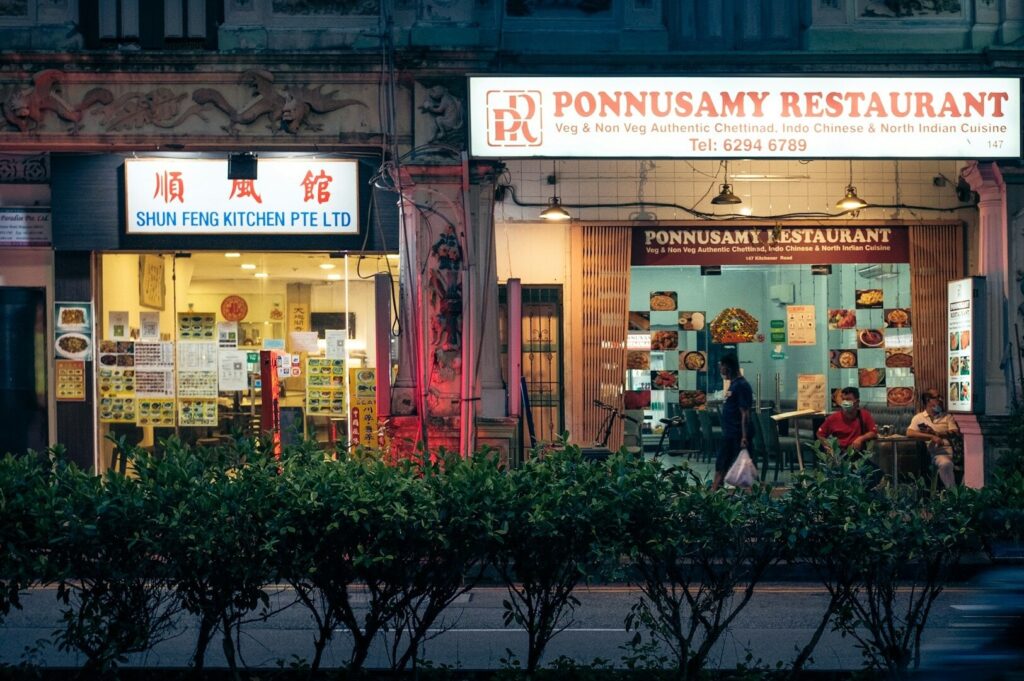
Singapore’s dining spots offer something for every mood:
- Quiet vs Lively: Decide if you want the energetic hustle and bustle of a packed food centre or the serenity of a garden-view bistro.
- Indoor/Outdoor: Choose between breezy alfresco terraces (great for sharing peanut sauce-dipped satay and a Singapore Sling) or chilled, air-conditioned interiors.
- Design: Modern minimalist, Peranakan tiles, or eclectic shophouse—how a place looks can influence your mood and the overall enjoyment of Singapore’s food culture.
Practical Logistics: MRT Stations, Neighbourhood Hubs, and More
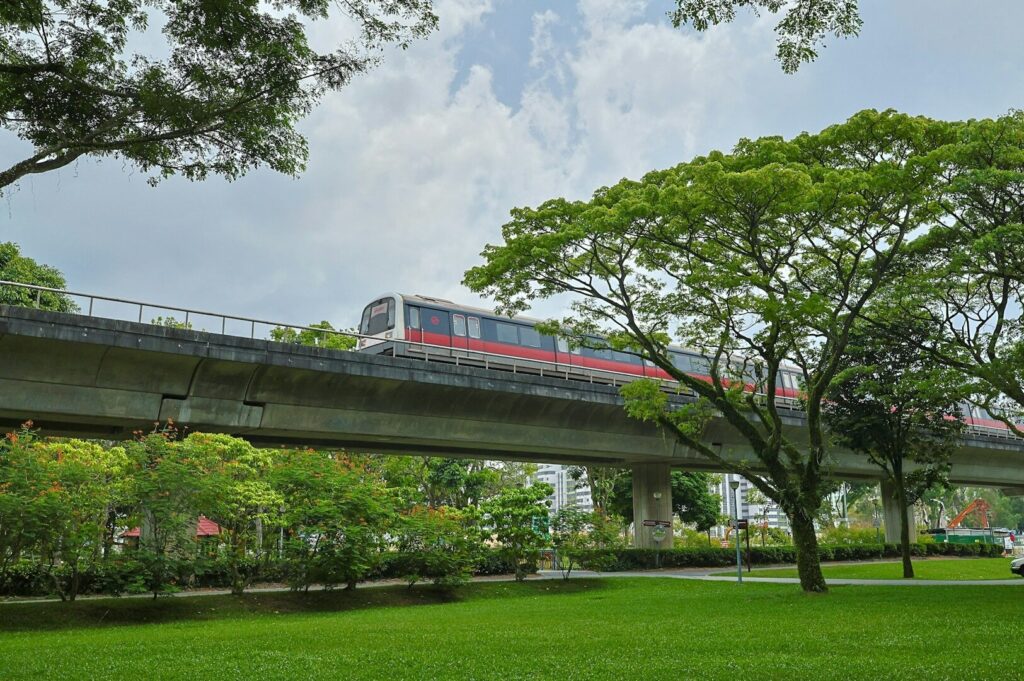
Make logistics work for you:
- Transport: Is your chosen spot near an MRT station like Maxwell, Tanjong Pagar, or Adam Road? Accessibility is key, as is proximity to food hubs.
- Parking: Many food centres and restaurants have affordable or validated parking nearby.
- Dining Hubs: Explore buzzing neighborhoods like Dempsey, Holland Village, Telok Ayer, Tanjong Pagar, and the East Coast for a dense selection of flavor-packed dining.
- Timing: Singaporeans tend to dine late, with the lunch rush running from 12:30–2pm and dinner peaking after 7:30pm. Visit earlier or later for a more peaceful experience, especially at hawker centres or popular restaurants.
Mastering Reservation Strategies: Get the Table You Want
- Bookings: For signature places (especially those serving Singapore’s best food like chili crab or bak kut teh), book at least one to two weeks in advance, particularly for weekends.
- Walk-ins: Food stalls, food centres, and many casual eateries are walk-in friendly, although the best hawker stalls may require queuing.
- Last-Minute Options: Call ahead or check apps for real-time availability.
How to Read Restaurant Reviews Effectively: Decoding the Insights
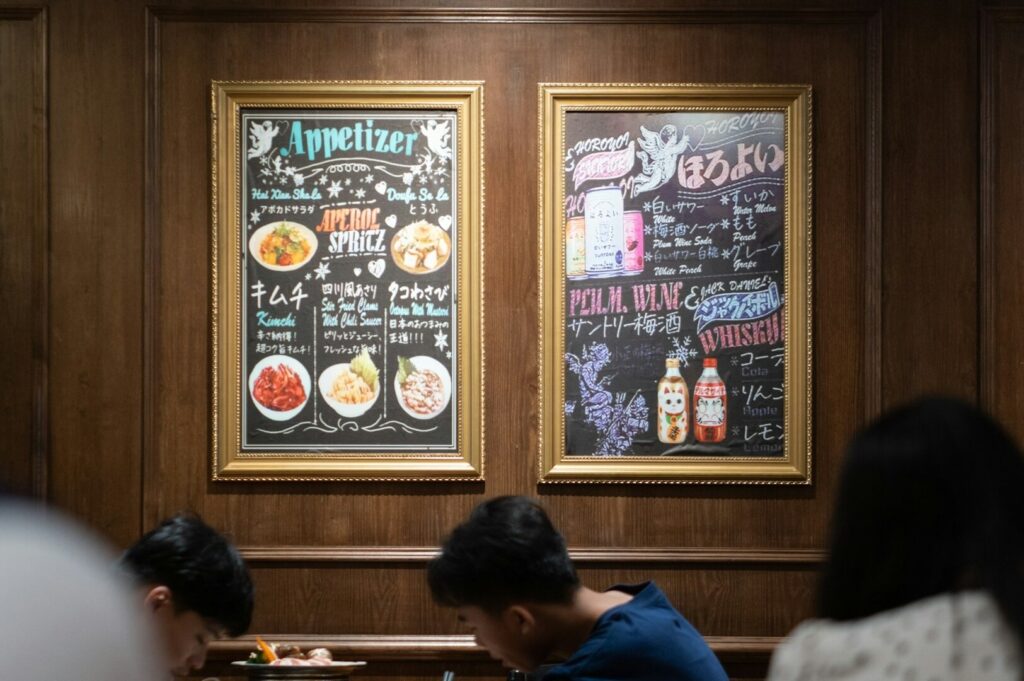
Online reviews are a crucial tool, just like an experienced friend guiding you through the maze of food in Singapore.
- Look for Consistency: A dish of poached chicken should consistently satisfy with fragrant rice and vibrant chili sauce. If recent reviews say quality wavers, take note.
- Evaluate Critically: Ignore personal taste biases (“too much bean sprouts” or “don’t like coconut milk”). Focus on reviews that mention serving sizes, freshness, and key flavors like chicken broth or special dark soy sauce.
- Local vs Tourist Reviews: Locals tend to know which stalls have the best carrot cake, bak kut teh, or char kway teow.
As Singapore’s food culture evolves, sgdiningguide.com.sg will keep you up-to-date on everything delicious—whether it’s the latest chili crab craze, a new steamed rice cake stall, or the ultimate street food shrimp paste adventure. Start your decision-making process here, discover Singapore’s flavor-packed food heritage, and taste your way through this world-class dining destination.