Navigating the recommended restaurants in Singapore is akin to exploring a culinary ecosystem that is as dense as it is diverse. As an island, Singapore boasts a remarkable culinary diversity that reflects its unique geographic and cultural identity. For the uninitiated, the sheer variety of eating establishments can be overwhelming, yet it is this very complexity that defines our identity. This curated guide to the best Singapore restaurants will help you discover must-visit spots, from iconic institutions to hidden gems.
The Singapore dining scene is not stratified into neat, isolated layers; rather, it is a fluid continuum where a Michelin-starred meal can be enjoyed just blocks away from a legendary $4 noodle stall. Singapore offers a diverse range of highly-rated dining options for both locals and tourists.
This distinctive characteristic sets restaurants in Singapore apart from other global food capitals. Here, accessibility and excellence coexist across every price point. From the humidity of open-air hawker centres to the climate-controlled precision of fine dining rooms, the options for dining in Singapore are limitless. This article peels back the layers of the Singapore restaurant landscape, offering a guide to understanding the cultural and structural elements that make this city one of the most exciting places to eat in the world.
For readers looking to explore this diversity in greater depth, resources like SG Dining Guide offer curated insights into Singapore’s ever-evolving food scene, from celebrated institutions to emerging neighborhood favorites.
The Foundation: Best Hawker Stalls and Street Food at Hawker Centres
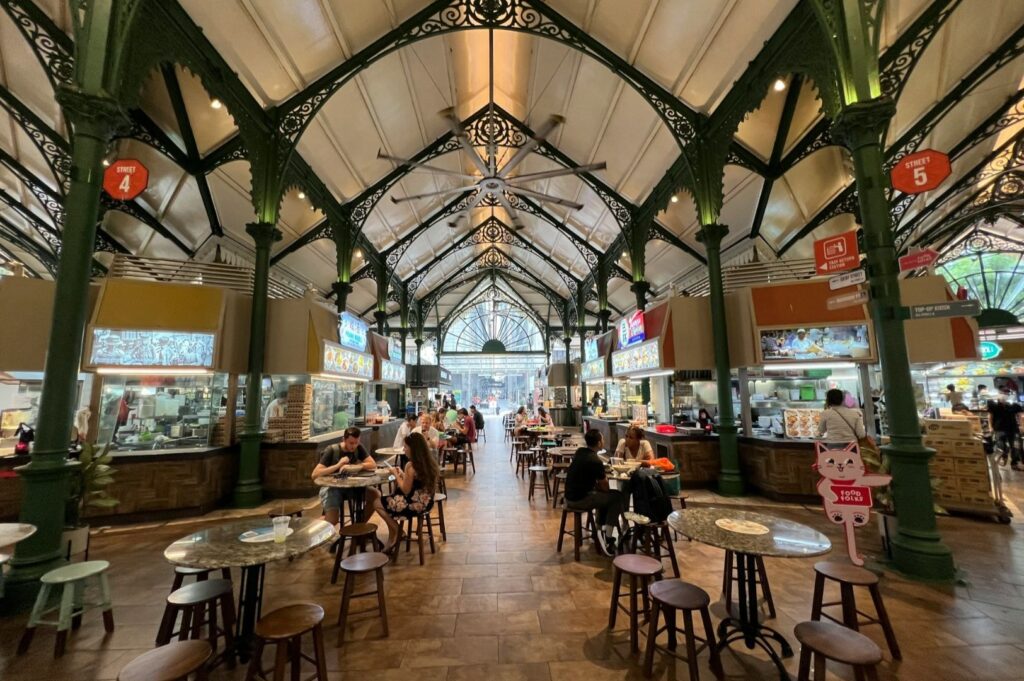
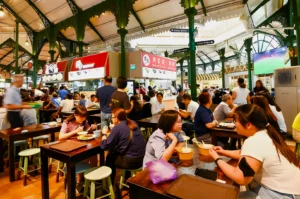
To truly understand the Singapore restaurant landscape, one must start at the bedrock: the best hawker stalls in the city’s famed hawker centres. These are not merely places to eat; they are the community living rooms of the nation. In the hierarchy of Singapore food culture, the hawker centre commands arguably the highest respect despite offering the lowest prices. It represents the democratization of delicious food, where bankers and taxi drivers sit side-by-side enjoying the same plate of char kway teow or chicken rice. Many Singaporeans prefer to eat at hawker centres due to the variety and low prices.
Dining in Singapore is fundamentally shaped by these spaces. They offer an unparalleled level of accessibility, with meals typically ranging from $3 to $6. Hawker centres in Singapore serve some of the best meals at unbeatable prices, often under $5 per dish. You can easily eat well on under $10 a day if you stick to hawker centres in Singapore. But beyond the price, they are repositories of heritage. Many stalls have been run by the same families for three generations, preserving recipes that arrived with early migrants. When deciding where to eat in Singapore, the hawker centre is often the first answer because it offers authentic taste without pretense. It is here that the concept of “specialization” shines—a vendor might spend decades perfecting just one dish, creating signature dishes that anchor the entire culinary ecosystem. Hawker centres are the heart of everyday dining in Singapore and serve a wide range of local dishes at affordable prices. Many Singaporeans enjoy exploring both new openings and old-school hidden gems in the dining scene.
Iconic dishes like hainanese chicken rice, which is a must-try dish in Singapore, with its perfectly poached chicken served alongside fragrant rice cooked in chicken stock, are staples here. The Maxwell Food Centre is one of the best spots to sample this national favorite, alongside other beloved dishes like nasi lemak, roti prata, hor fun (a classic Chinese-style stir-fried rice noodle dish), and ya kun kaya toast—a traditional breakfast dish made with coconut jam and served with coffee or tea—served with a side of soft-boiled eggs sprinkled with white pepper. The best hawker stalls often feature long queues, a testament to their quality and popularity among locals and tourists alike. Street food in Singapore is not only affordable but also offers a wide range of local flavors.
Mid-Range and Casual Dining Options: Crafting Dishes with Bold Flavors
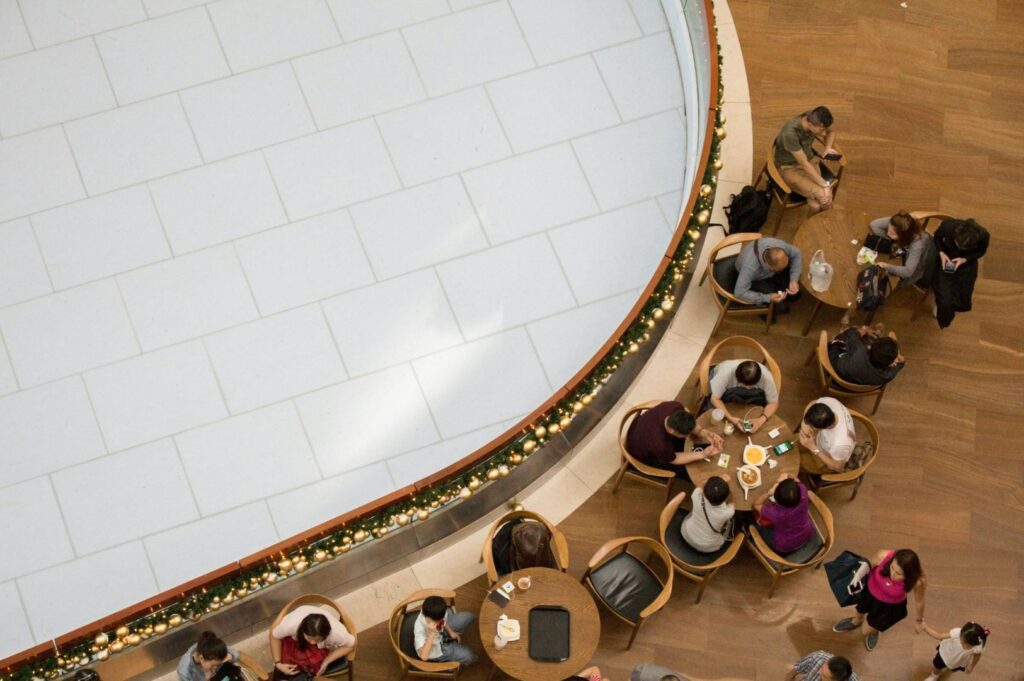
Moving up the spectrum, the restaurants in Singapore scene has seen a massive evolution in its mid-range and casual dining sectors. Historically, there was a stark divide between hawker stalls and expensive restaurants. Today, that gap has been filled by a vibrant array of neighborhood bistros, cafes, and “zi char” (cooked food) establishments. This tier of the Singapore restaurant landscape is where innovation often happens most rapidly, unburdened by the rigid expectations of fine dining. Many of these mid-range restaurants are located near or within popular bars, such as ATLAS or The Other Room, making it easy to enjoy craft cocktails or a speakeasy atmosphere alongside your meal. The vibrant nightlife scene in Singapore truly complements the dining experience.
These exciting restaurants often serve as a bridge between tradition and modernity. You will find establishments that take local favorites—like chilli crab or laksa—and present them in comfortable, air-conditioned settings with better wine lists and service. The importance of sauce in defining the flavor profile of these dishes cannot be overstated, whether it’s the rich chili sauce for crab or the aromatic coconut gravy for laksa. Additionally, this segment is heavily influenced by Singapore’s status as a global hub. The Singapore dining scene at this level is incredibly cosmopolitan, featuring authentic Japanese izakayas, Korean BBQ joints, and Italian trattorias that cater to local tastes while maintaining their cultural integrity.
Neighborhoods like Holland Village and Little India are great spots to explore these mid-range options, where you can enjoy small plates paired with refreshing lime juice or a robust cup of coffee. Here, diners appreciate the art of crafting dishes that balance bold flavors with familiar comfort, perfect for special occasions or casual meals.
Fine Dining and Contemporary Cuisine: The Best Restaurants for Tasting Menus and More
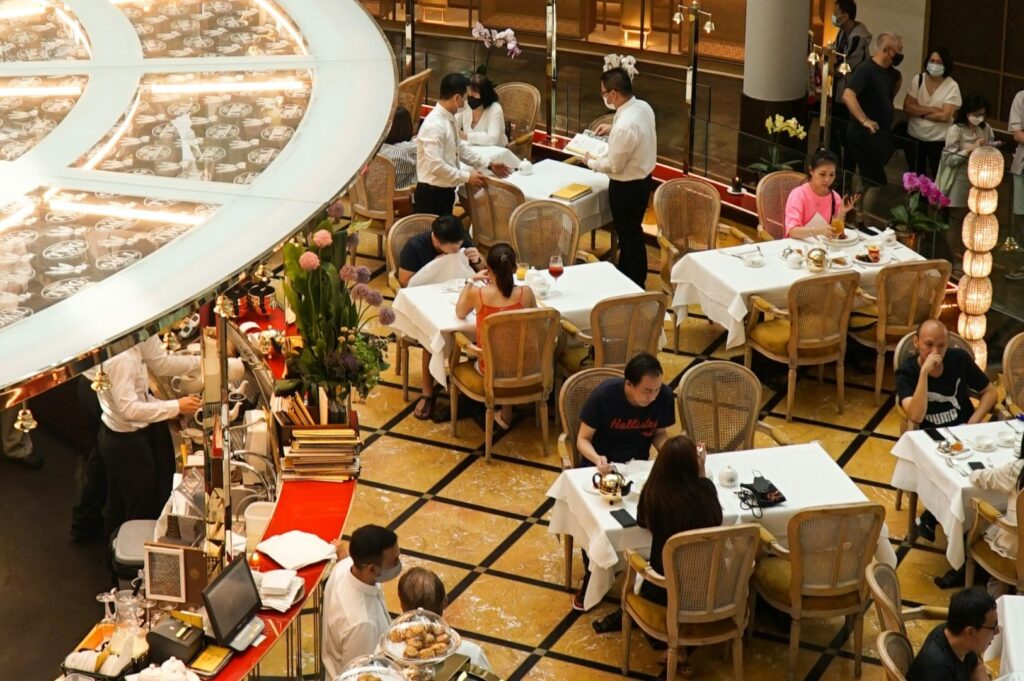
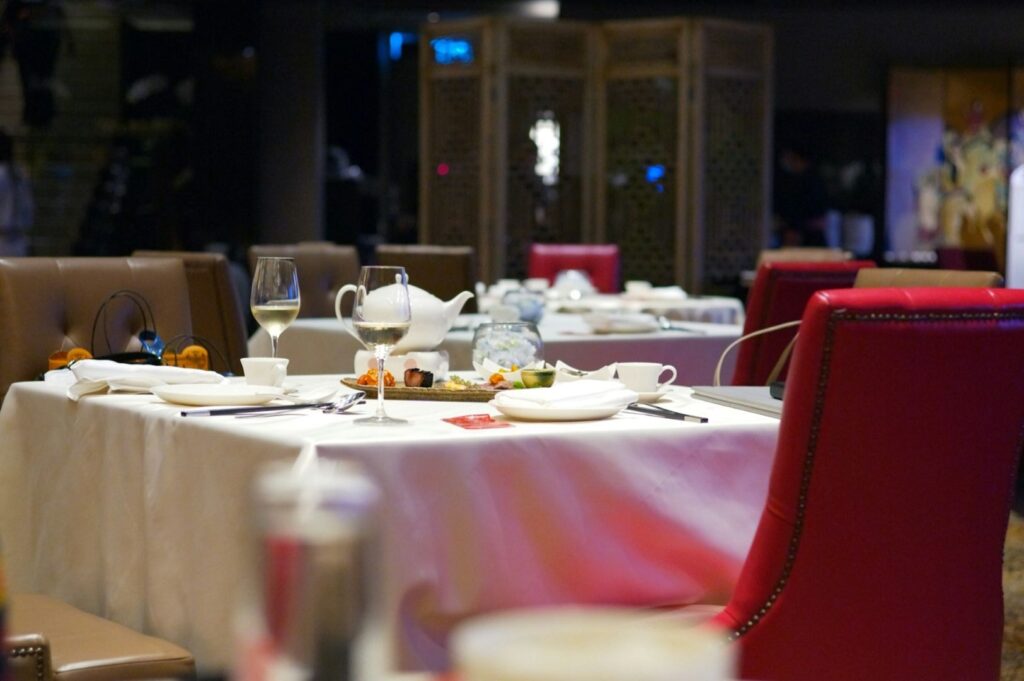
At the apex of the Singapore restaurant landscape sits a world of culinary artistry that has garnered global acclaim. Over the last decade, the city has emerged as a serious heavyweight in the international Singapore culinary scene. The arrival of the Michelin Guide has further cemented this reputation, validating the high standards of local chefs and attracting international talent to our shores. Singapore is home to several Michelin-starred restaurants, including those with 1, 2, and 3 stars. Michelin-starred restaurants in Singapore offer a range of cuisines, including French, Indian, and Peranakan, and are known for their innovative dining experiences and high-quality ingredients. The Michelin Guide also includes a Bib Gourmand category, recognizing restaurants that offer good quality and good value cooking.
Dining in Singapore at this level is an experience in storytelling. Chefs are increasingly using their menus to explore the region’s botanical history and cultural heritage, moving away from purely Western techniques to embrace Asian identities. This shift has redefined what best restaurants can be. We are seeing “Mod-Sin” (Modern Singaporean) cuisine stand shoulder-to-shoulder with classic French haute cuisine. Innovation here is constant, driven by a competitive market and a discerning clientele. Whether it is a tasting menu inspired by the spice trade or a sustainable kitchen focused on urban farming, the fine dining sector proves that the Singapore restaurant landscape is capable of world-class sophistication. Many tasting menus conclude with exquisite desserts, from traditional treats to inventive confections, enhancing the overall dining experience.
A great restaurant example is Burnt Ends, known for its open-concept kitchen and expertly grilled meats, where diners can enjoy a memorable dinner featuring premium beef tongue, fresh prawn, and other meats served with carefully crafted sauces. Fine dining establishments often include options with basmati rice or fresh fish dishes that highlight the best of the island’s produce. For broths and stocks, especially in dishes like bak kut teh or seafood noodles, chefs often use pork bones, slow-boiled to create a rich, flavorful base.
Notable Michelin-starred Singapore restaurants include Candlenut, specializing in Peranakan cuisine; Thevar, known for modern Indian cuisine; Odette, a three-Michelin-starred restaurant celebrated for its French cuisine; and Cloudstreet, a two-Michelin-starred restaurant focusing on progressive Australian cuisine. Reservations are highly recommended for top restaurants in Singapore, while hawker centers generally do not require them.
For diners seeking a more exclusive experience, Singapore also offers an exceptional range of private dining rooms—spaces designed for intimate celebrations, discreet business meals, and curated culinary journeys.
Neighborhood Dining Characteristics: All the Spots You Need to Know
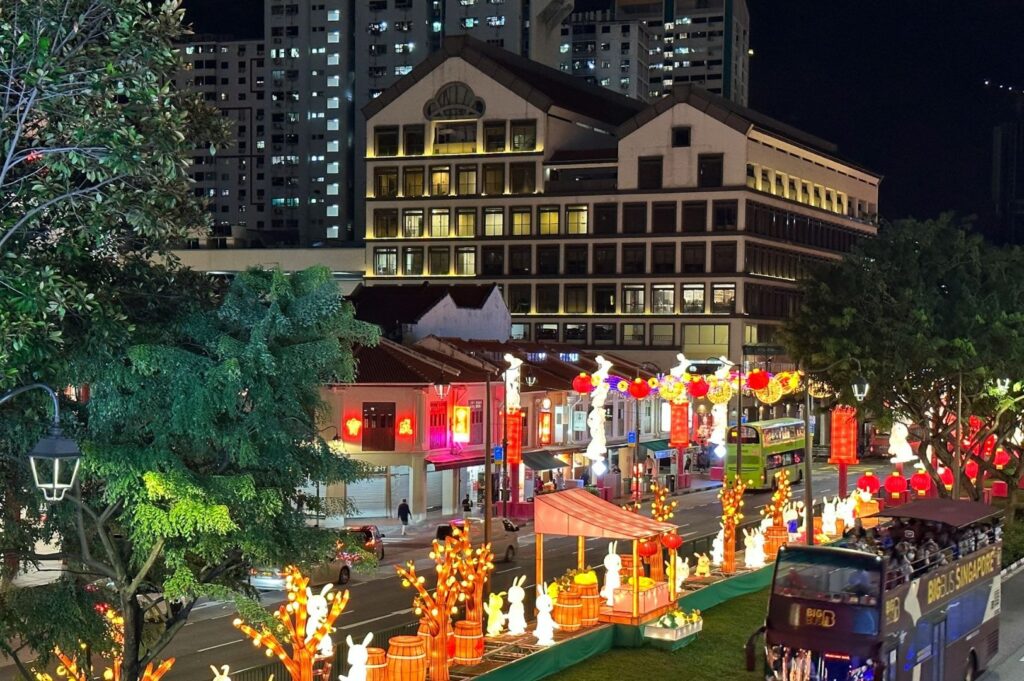
The geography of the Singapore restaurant landscape is just as important as the food itself. Distinct neighborhoods offer vastly different dining personalities. The Central Business District (CBD) and Orchard Road area are dominated by slick, high-end establishments and power-lunch venues, catering to a corporate crowd. In contrast, residential enclaves like Tiong Bahru or Katong offer a more relaxed, community-focused Singapore dining scene.
When considering restaurants in Singapore, location dictates the vibe. Cultural districts like Chinatown and Little India provide immersive experiences where the atmosphere is as potent as the spices. Meanwhile, areas like Dempsey Hill offer a retreat from the urban jungle, with spacious restaurants in Singapore nestled amidst greenery. Understanding these neighborhood characteristics is key to navigating the city’s food options effectively.
Next Visit: Planning Your Culinary Adventure in Singapore
The Singapore restaurant landscape is a testament to our obsession with food. It is a dynamic ecosystem where heritage and innovation, affordability and luxury, all coexist in harmony. From the humble hawker stall that serves as a daily staple to the avant-garde restaurant pushing culinary boundaries, the diversity is staggering. As the Singapore dining scene continues to evolve, it remains grounded in a singular truth: in this city, good food is for everyone.
Whether you are seeking comfort or discovery, the landscape is open, waiting to be explored. For your next visit, be sure to include stops at iconic places like Maxwell Food Centre for chicken rice, indulge in kaya toast and ya kun kaya toast for breakfast, and savor roti prata with curry for a satisfying snack. Don’t miss out on the best hawker stalls and best restaurants like Burnt Ends for an unforgettable meal.
Singapore invites you to explore all the spots that make it a global culinary capital, where every plate tells a story, and every bite is a treat to the senses.