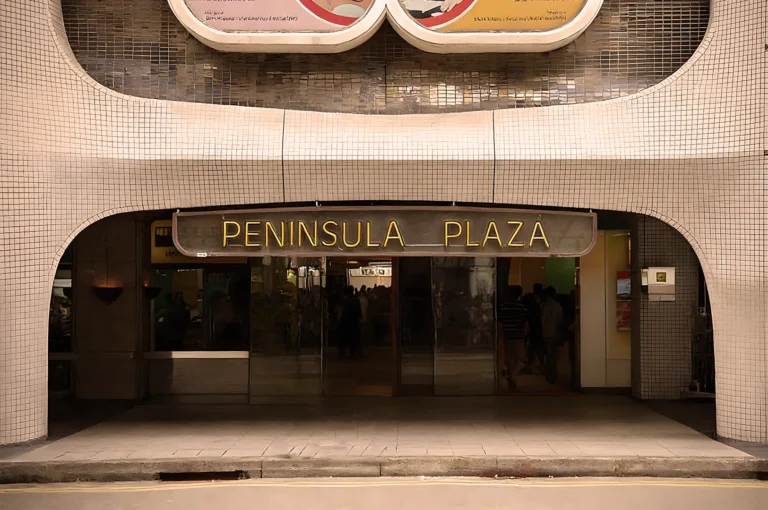
I sat in a brightly lit canteen at Peninsula Plaza last Sunday, surrounded by the comforting hum of a language I did not speak. I ordered a bowl of mohinga, a traditional Burmese fish noodle soup, and marveled at the complex layers of lemongrass and ginger. We constantly boast about Singapore being a global food capital. However, we tend to focus almost entirely on our established heritage dishes or high-end celebrity restaurants. We frequently overlook the quiet, brilliant contributions of our newer immigrant communities who are reshaping our culinary fabric in our own neighborhoods.
Beyond the famous tourist spots, there are hidden enclaves scattered across the city serving incredible, lesser-known cuisines. You can find authentic Bangladeshi biryani in the backstreets of Little India, regional Filipino stews in Lucky Plaza, and deeply comforting Vietnamese pho tucked away in busy industrial estates. I recently stumbled upon a tiny stall serving fiery Sichuan cold noodles in a sleepy residential food court, far from the bustling city center. These small eateries were not created to chase food trends or win prestigious awards; they were built out of sheer homesickness. They exist to provide a comforting taste of home for migrant workers and expats who spend years away from their families.
Operating these humble stalls is a monumental challenge. Finding the exact spices, regional herbs, and imported ingredients required to replicate authentic flavors is highly expensive. They navigate complicated licensing laws, rising commercial rents, and the physical grind of running a kitchen in a foreign country. Yet, these cooks refuse to adapt their recipes to suit a more generic local palate. Their stubborn commitment to authenticity is exactly what makes their food so spectacular. When you eat at these hidden stalls, you are tasting a recipe that has been fiercely protected and proudly transported across borders.
What I find most beautiful is how these quiet immigrant kitchens slowly integrate into our wider food scene. It usually starts with a few curious locals walking into an unfamiliar shop. Word of mouth spreads, and suddenly, a quiet weekend sanctuary becomes a neighborhood staple for everyone. This organic discovery process proves that our local food culture is not a static museum exhibit. It is a living, breathing ecosystem that thrives on new arrivals and shared tables. Food remains our most effective and accessible bridge for understanding different cultures.
We owe a massive debt of gratitude to the men and women who bring these diverse flavors to our shores. The next time you decide to eat out, I urge you to step away from your usual haunts. Walk into a complex you have never explored, point to a dish you cannot pronounce, and support these hardworking immigrant cooks.
“The truest taste of a city is found in the diverse hands that feed it.”
If you want to discover more hidden culinary gems and explore the vibrant diversity of our city, click here to visit SG Dining Guide for more similar articles to read.