The vibrant, sun-kissed flavours of Spain have found a welcoming home in Singapore, a city celebrated for its dynamic and diverse culinary landscape. The journey of Spanish food Singapore has been a fascinating one, evolving from a niche European offering to a beloved and integral part of the local dining scene. This transformation speaks volumes about Singapore’s adventurous palate and its embrace of global food cultures deeply rooted in tradition.
This article explores the evolution of Spanish food Singapore, tracing its path from the first pioneering eateries to today’s innovative restaurants and tapas bars. We’ll uncover how authentic Spanish dishes have been both preserved and creatively reinterpreted, highlighting the rise of Spanish street cocktails, Spanish wines, and modern Spanish cuisine in Singapore.
Spanish Cuisine Singapore: Foundations and Flavors
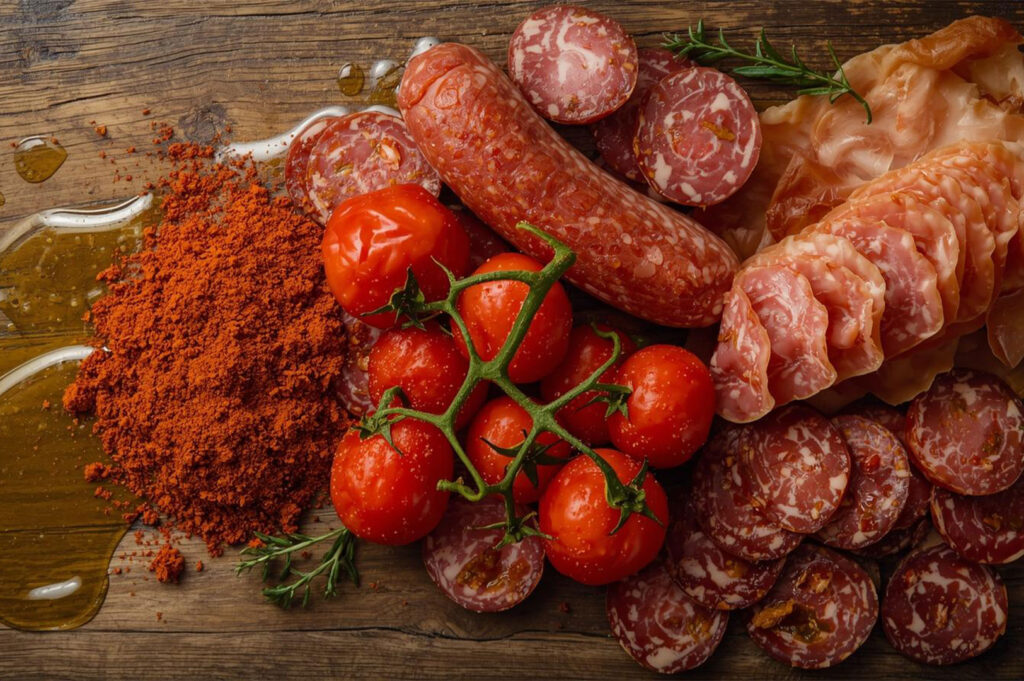
At its core, Spanish cuisine Singapore is built on a foundation of high-quality ingredients, robust olive oil, and a philosophy of simple, authentic flavours. Key elements define this beloved cuisine: the convivial culture of Spanish tapas Singapore, the iconic saffron-infused classic paella, rich chorizo, revered Jamón Ibérico, smoky paprika, ripe tomatoes, and an abundance of fresh seafood, bread, and vegetables. The influence of Mediterranean cooking, the use of red wine, and the love of sharing delicious food with friends are all central to Spanish gastronomy.
Traditional Spanish dishes have always focused on using fresh and locally sourced produce and meats. Stewing, grilling, and frying are signature cooking methods, while garlic, peppers, and sweet paprika create unforgettable taste experiences. Early Spanish restaurants Singapore were dedicated to preserving these authentic flavours, painstakingly sourcing ingredients and wine from Spain, crafting deeply rooted menus that transported Singaporean diners to the heart of Madrid or Barcelona.
Spanish Gastronomy & The Early Days: Pioneering Spanish Restaurants Singapore
The history of Spanish food Singapore began with a handful of trailblazing restaurateurs introducing Spanish gastronomy to Singapore’s food scene. In the early 2000s, Spanish food was still a relative novelty, mainly found in select high-end venues or cafes. Establishments such as My Little Spanish Place, Don Quijote, and the first Asian outpost of renowned Spanish brands were instrumental in this first wave.
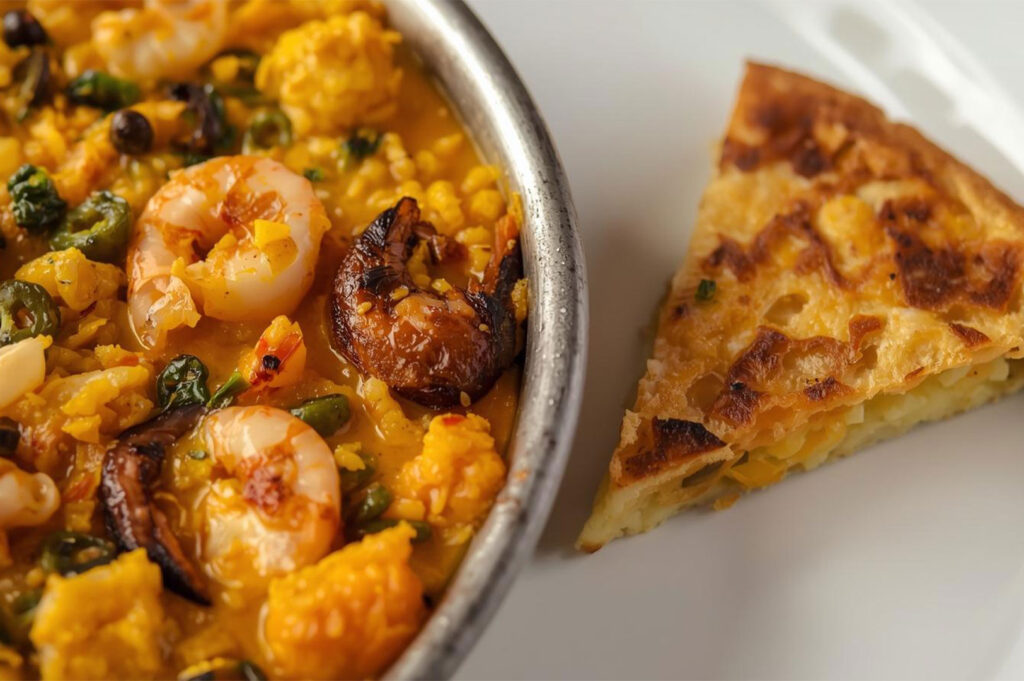
These Spanish restaurant pioneers created a warm, rustic environment where diners could enjoy traditional Spanish dishes, like classic paella, garlic prawns, and tortilla Española. Importing essentials such as pimentón, Jamón Ibérico, vino tinto, and the best Spanish wines from La Rioja presented early challenges. Still, these restaurants succeeded in introducing Spanish food culture and bread-based tapas menus to Singaporeans, igniting an enduring passion for the food of the Iberian Peninsula.
The initial perception was one of curiosity, with locals flocking to these restaurants for special occasions and a taste of Spain’s rich food heritage. These pioneering establishments laid the crucial groundwork for the boom in Spanish dining Singapore would later see.
Modern Spanish Cuisine Singapore: Innovation, Fusion & The Open Kitchen
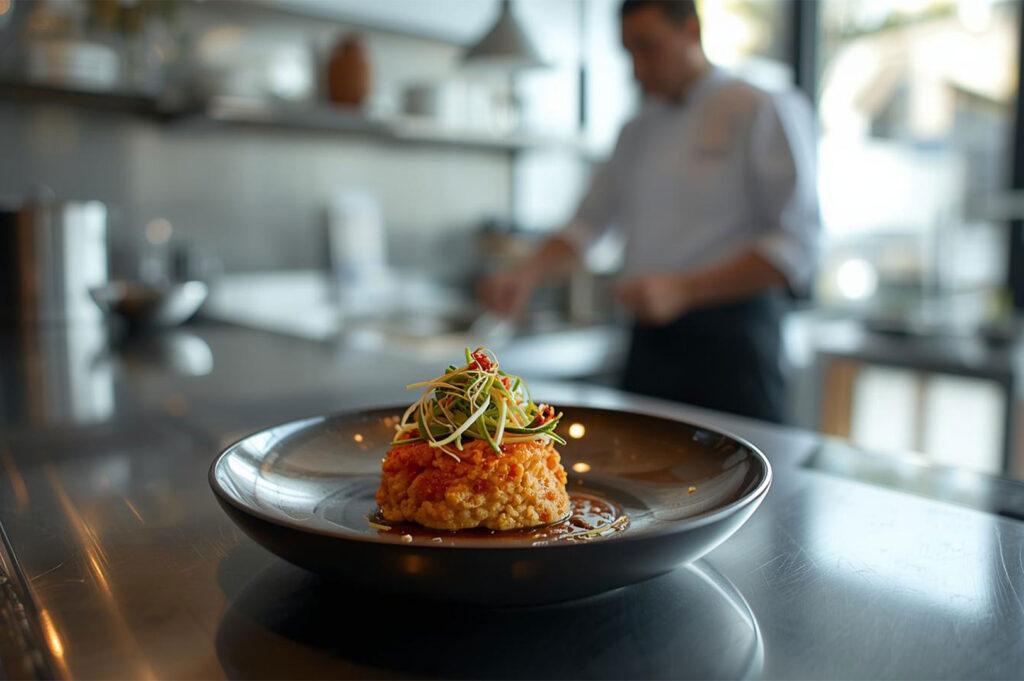
The last decade has marked a dynamic shift towards modern Spanish cuisine Singapore, as chefs throughout the city began a movement blending tradition with contemporary innovation. Restaurants like Esquina, FOC, and Binomio, with their open kitchen concepts and creative energy, have led this exciting development.
In these spaces, authentic flavours are celebrated with a playful mix of global influences and local ingredients. Signature dishes such as chili crab paella, laksa croquetas, and octopus with paprika oil sit comfortably beside imported Spanish ham and roasted suckling pig. The multicultural tapestry of Singapore provides a platform for Spanish chefs to reinterpret classic Spanish food with Asian inflections, creating delicious new moments at the dining table.
These modern concepts thrive on the fun and interactive experience of an open kitchen, where diners can watch their meal being prepared while exploring an inventive menu. The perfect pairing of Spanish wines or sangria with each course further enhances the meal, turning every dinner into a celebration.
Spanish Tapas Singapore: Sharing, Culture & Spanish Street Cocktails
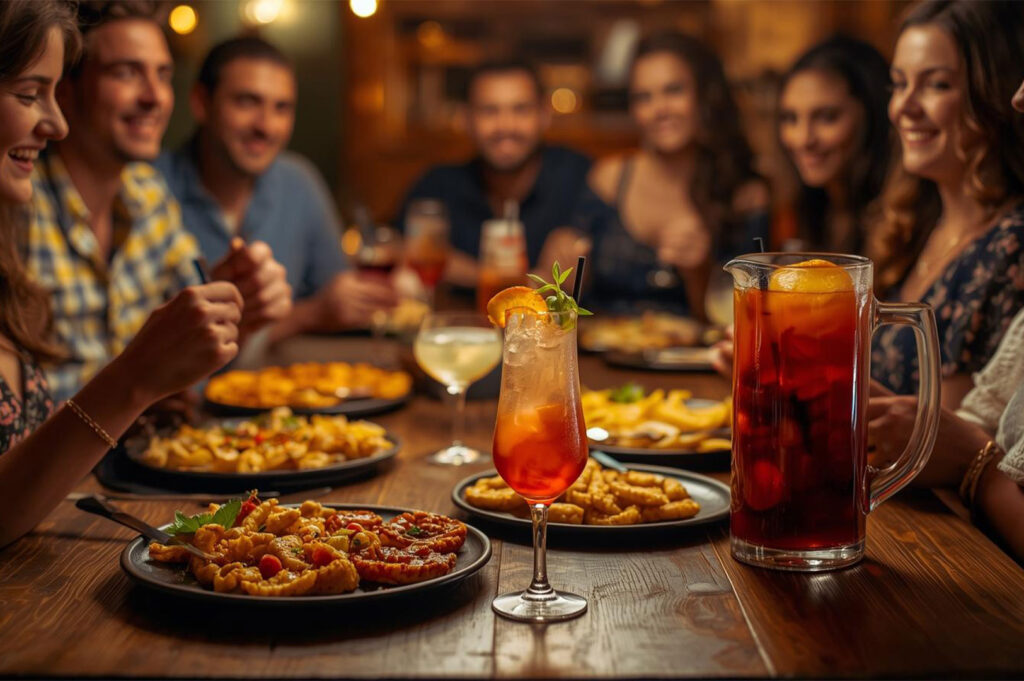
In the world of Spanish food Singapore, tapas and sharing plates have become synonymous with joyous gatherings and Spanish street cocktails. Spanish tapas bring people together over tables filled with small plates—patatas bravas, calamari, scallops, spicy stuffed peppers, and garlic prawns—that combine for a fun and sociable dining experience. Tapas culture perfectly suits Singapore’s communal spirit, making it easy for friends, families, and corporate events to share a range of dishes.
From open kitchens in bustling wine cafes to the city’s top Spanish restaurants, a rich tapas menu is now an essential feature. The pairing of small plates with Spanish street cocktails, classic sangria, and a well-curated wine list from Rioja or beyond creates unforgettable moments. This love for shared food and drink is now deeply rooted in Singapore’s culinary culture, evolving alongside the city’s taste for the best Spanish food Singapore has to offer.
Spotlight: Best Spanish Restaurants Singapore (2025) | Dempsey Hill, Tradition & Authentic Flavours
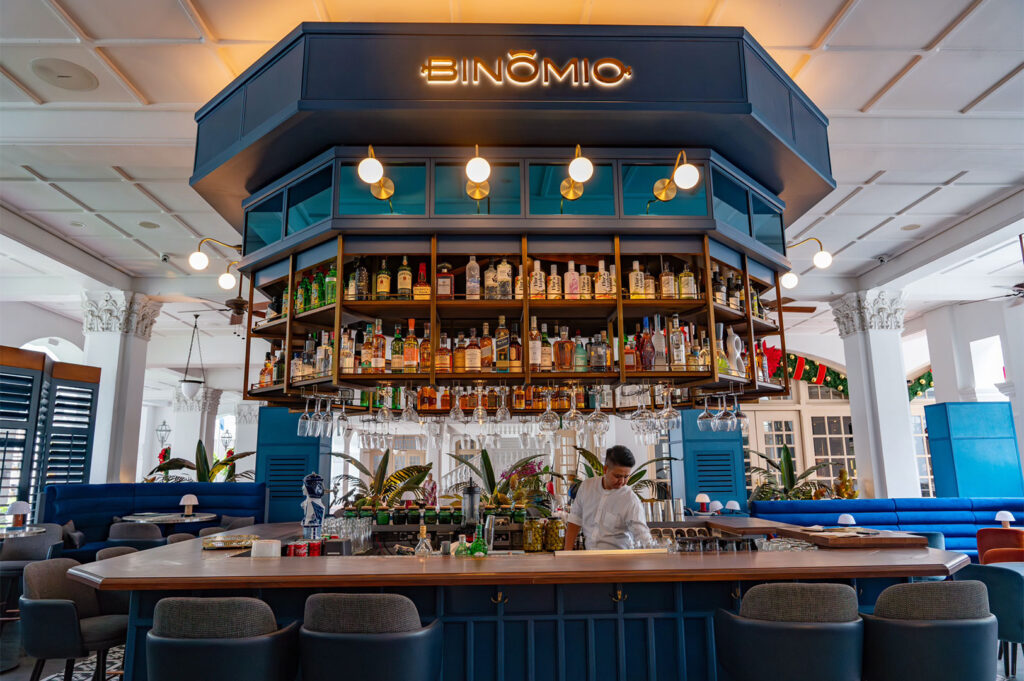
Today, those seeking the best Spanish food Singapore will find a vibrant collection of Spanish restaurants—ranging from lively tapas bars to sophisticated venues at Dempsey Hill and Marina Bay. These restaurants masterfully balance tradition, innovation, and Spanish hospitality:
- Binomio: A standout with both casual bar and refined dining, offering traditional paella, Iberico pork, and rich desserts in a rustic-chic space.
- FOC Restaurant: Inspired by Barcelona, with an open kitchen and menu featuring classic Spanish seafood, octopus with paprika, and a wine list celebrating vino tinto and Spanish culture.
- Esquina: A destination for those who love modern tapas and open kitchen theatrics—think scallops with pimentón, octopus, and dessert with sweet chocolate and Spanish olive oil.
- La Tapería: Tucked in the Les Amis enclave, their authentic tapas, grilled meats, and red wine make it a favourite for special occasions.
Each restaurant is distinguished by a passion for authentic flavours, an evolving menu, and a lively atmosphere that brings a taste of Spain to Singapore.
Shifting Trends: Spanish Wines, Regional Cuisine & Creating Moments
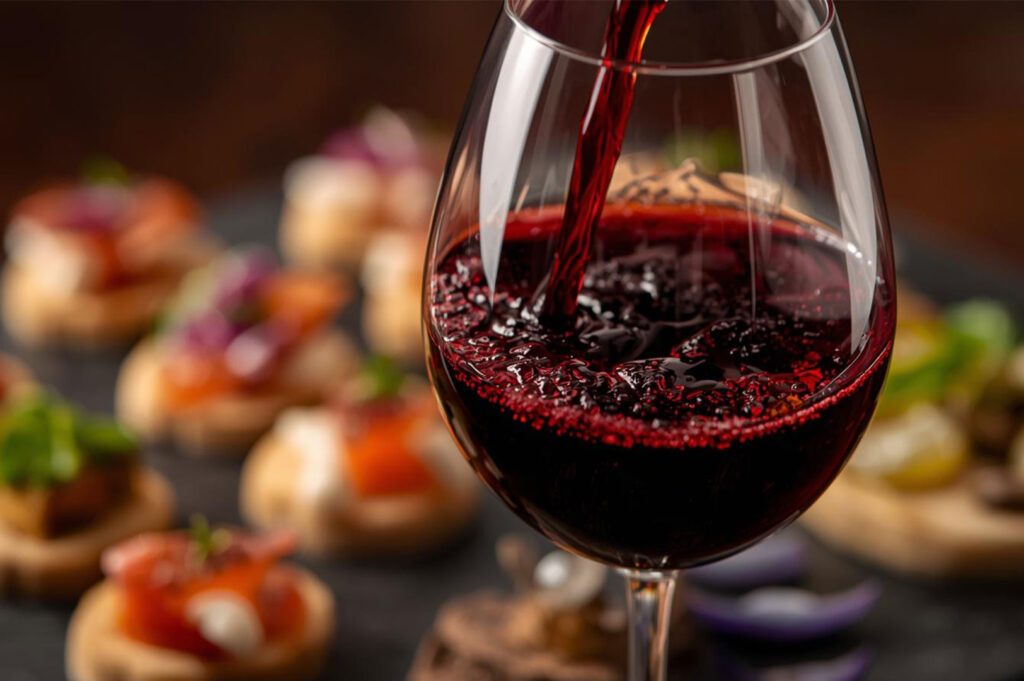
Spanish cuisine Singapore is more diverse than ever, with new generations of Spanish restaurants and wine bars making delicious Spanish food accessible to all. There’s a surge in popularity for Spanish wines—particularly from Rioja and La Rioja—wine cafes, and establishments that focus on the perfect pairing of vino tinto with classic paella or tapas.
Interest in regional Spanish cuisines, such as Basque pintxos, Catalan seafood dishes, and Andalusian gazpachos, continues to develop. As diners’ palates have become more adventurous, the demand for vegetarian dishes, lighter plates, and health-focused options has grown—ensuring everyone can savour Spanish food Singapore in their own way.
Modern Spanish cuisine Singapore has been quick to adapt to health trends, sustainability, and the changing rhythm of urban life, turning casual tapas drinks and sangria into regular after-work fun and not just meal occasions.
The Future of Spanish Food Singapore: Innovation, Sustainability & Life’s Rich Moments
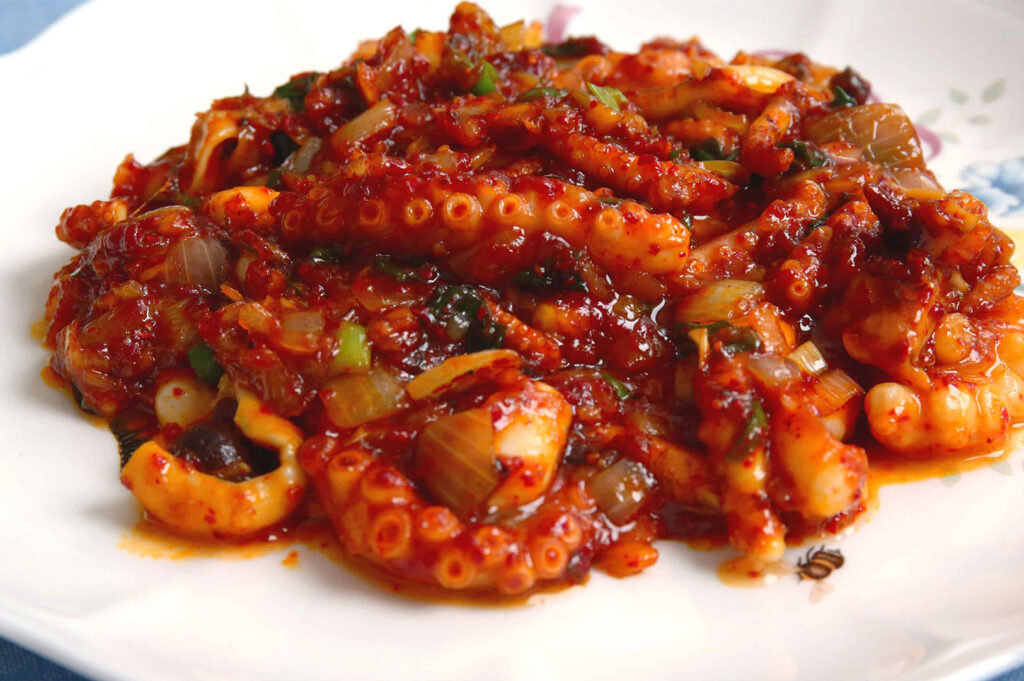
The future of Spanish food Singapore promises even more excitement. Expect further innovation as chefs continue fusing local flavours with Spanish gastronomy, creating remarkable dishes like sambal octopus or chili crab-stuffed piquillo peppers. There’s a rising emphasis on sustainability, with more reliance on fresh, locally-sourced seafood, vegetables, and farming practices that respect the land—a nod to the tradition of Spanish cuisine’s close relationship with nature.
The continuing popularity of Spanish street cocktails, Spanish wines, and contemporary Spanish cafes signals a bright future for lovers of the Iberian Peninsula’s food and drink culture. Whether for large gatherings, corporate events, or intimate dinners, Spanish restaurants Singapore will remain at the center of life’s most flavourful celebrations.
Conclusion: The Rich, Warm Life of Spanish Dining Singapore
From its humble beginnings to its celebrated spot in Singapore’s vibrant food culture, Spanish food Singapore has forever changed the way diners experience delicious meals, fine wine, and passionate hospitality. Its journey mirrors the city’s own—open, adventurous, and deeply rooted in a love for global flavours. With each new wave of Spanish gastronomy, more moments will be created that bring friends, family, and even colleagues together, one plate and glass of vino tinto at a time. Embrace the lively, evolving world of Spanish cuisine Singapore—your taste buds will thank you for it. Continue exploring culinary evolution through The Evolution of Cuisine Japanese in Singapore | History & Trends and The Evolution of Italian Food Singapore: A Culinary Journey.