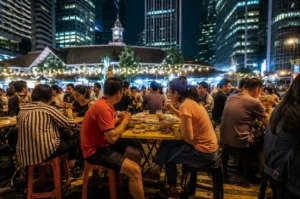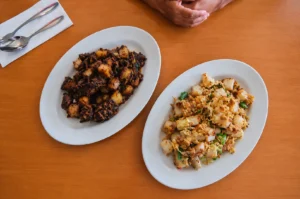
I stood in line for my favourite noodles yesterday morning at a random hawker centre, watching the uncle behind the counter move with a rhythm that only comes from decades of repetition. His shoulders were hunched, and his hands were calloused from years of boiling broth and chopping meat. It struck me then how easily we consume what takes them an entire day to build. We eat a bowl of noodles in fifteen minutes, but their day starts at three in the morning and ends long after the sun goes down.
Running a hawker stall today is a quiet battle. Every time I visit the market, I notice the subtle changes. A handwritten sign apologising for a fifty-cent price increase is taped awkwardly to the glass display. It is a necessary survival tactic. The costs of basic ingredients like cooking oil, fresh vegetables, and meat have climbed steadily over the past few years, right alongside rising rent. Yet, hawkers face immense pressure from us, the consumers, to keep prices painfully low. We expect our daily meals to remain cheap, often forgetting that the people cooking them need to make a living too. Keeping quality consistent while absorbing these rising costs is a burden they bear silently.
The physical toll is perhaps the hardest thing to witness. You can see it in the swollen joints and the tired eyes of the older generation who still helm most of these stalls. It is backbreaking labour in a sweltering environment. Because of this, it is becoming increasingly difficult to find younger people willing to take over the trade. Many hawkers I speak to actually discourage their children from following in their footsteps; they worked hard exactly so their children could sit in comfortable, air-conditioned offices. Without a clear line of succession, many of these authentic, flavourful family recipes might quietly disappear.
They are also fighting a modern current. New dining concepts pop up every week, and food delivery platforms offer a level of convenience that traditional stalls struggle to match. While apps can bring in more orders, the high commission fees eat into already razor-thin profit margins. A hawker relies on sheer volume to survive, but pushing out more bowls only adds to the physical wear and tear.
As I finally collected my tray and thanked the uncle, I looked at the dark, comforting broth and the carefully sliced pork. It is so much more than just a quick bite. It is a testament to resilience and an offering of profound dedication. We often celebrate the diverse, global influence of our food centres, but we must also acknowledge the very real human sacrifice that keeps those fires burning.
“Behind every cheap and cheerful plate is a lifetime of quiet sacrifice.”
Discover more authentic stories behind our local food heroes and explore the true taste of the city at SG Dining Guide.