In the world of food writing, “best” is a dangerous word. It is tossed around casually, often used as shorthand for whatever is currently trending on social media feeds or boasting the longest queue. But in Singapore, a city that treats eating with the seriousness of a national sport, the concept carries far more weight. When we discuss the top 50 restaurants in Singapore, we are not just talking about a collection of menus or accolades. We are engaging in a conversation about shared values.
To me, this phrase isn’t a scorecard or a checklist to be conquered. It is a mirror reflecting what we prioritize as a society. It reveals that our definition of excellence is layered, complex, and deeply tied to our identity. Understanding this helps us move past the superficiality of rankings and into the heart of what makes our dining scene truly significant.
This broader perspective is explored further in our companion essay, What the Top 50 Restaurants in Singapore Reveal About the City’s Dining Culture, which looks at how these establishments collectively reflect the values, habits, and priorities that shape how the city eats.
Best Restaurants in Singapore: Consistency Over Novelty
If I were to pinpoint the single most important trait that defines greatness in our local context, it would be consistency. In many other culinary capitals, the “best” restaurants are often the ones shouting the loudest, reinventing themselves every season to stay relevant. Here, the dynamic is different. We respect the quiet discipline of doing the same thing, perfectly, day after day.
Singapore’s dining options cater to a wide range of budgets, from affordable hawker fare to high-end fine dining.
When I return to a favorite spot after six months or six years, I seek the assurance that the dining experience will be exactly as I remember it—whether it’s a casual restaurant serving perfectly cooked fried rice or a fine dining establishment offering a meticulously crafted tasting menu. At these establishments, most dishes maintain a consistent standard, contributing to their reputation for reliability. The establishments that form the backbone of our dining culture are those that have mastered the art of repetition without losing their soul. They understand that novelty is fleeting, but reliability builds trust. In this way, “best” becomes synonymous with endurance—the ability to weather trends and economic shifts while maintaining an unwavering standard of quality.
Singapore Restaurants: Cultural Relevance and Familiar Flavours
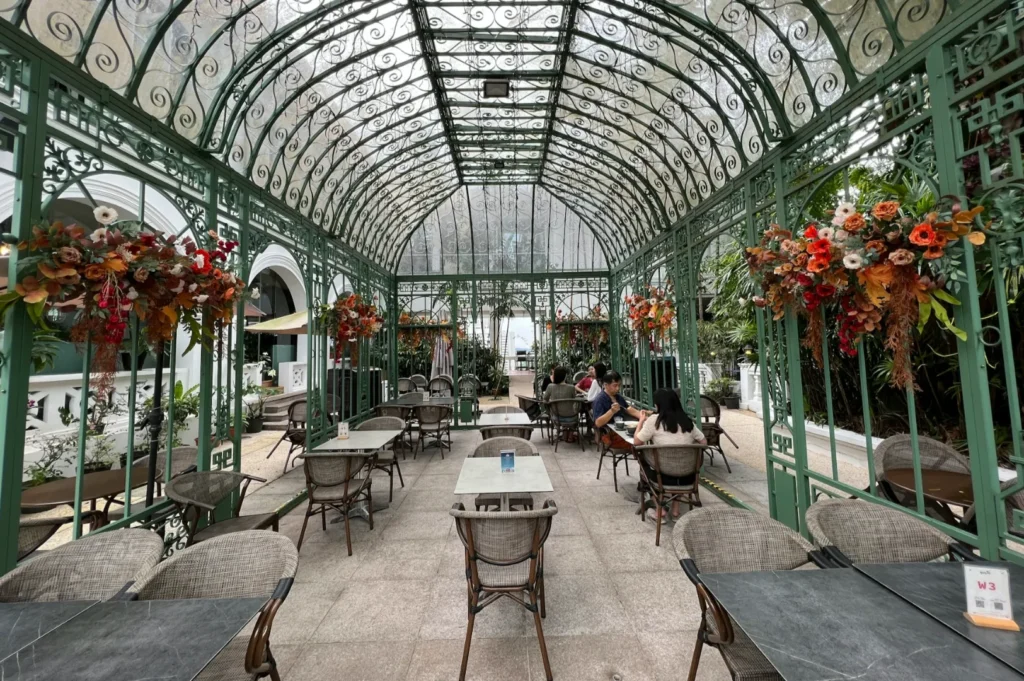
There is also a profound emotional component to how we define excellence. The restaurants that resonate most deeply are rarely the ones that feel imported or performative. Instead, they are the places that understand the specific rhythm of Singaporean life. They balance tradition with just enough adaptation to feel current, often reimagining classic dishes with a contemporary twist or modern twist, blending heritage with innovation without losing their grounding.
I find that the most beloved restaurants in Singapore are those that speak our culinary language. They might be serving classic French fare or traditional Indian flavours, but there is an understanding of the local palate—a defining preference for bold flavours, a respect for seasonal ingredients, and a lack of pretense. Many top establishments reinterpret heritage recipes with a contemporary twist or modern twist, making familiar tastes feel fresh and exciting. These places feel culturally relevant because they aren’t trying to be somewhere else. Peranakan cuisine, for example, is a key part of Singapore’s culinary heritage, celebrated for its rich flavors and cultural significance. Candlenut stands out as the world’s first Michelin-starred Peranakan restaurant, offering refined traditional Straits Chinese cuisine. They are proudly of this city. They prioritize connection over concept, creating an intimate space where we feel seen and understood.
Accessibility and Warm Service: The Heart of Best Restaurants
One of the most refreshing aspects of our food culture is that “best” does not automatically equate to “most expensive.” We are a pragmatic people. We understand that a meticulously prepared plate of noodles in a simple setting can be just as worthy of praise as a luxurious dining experience at a one Michelin starred restaurant. Many restaurants also provide attractive restaurant offers, making quality dining more accessible to a wider audience.
Hawker centers in Singapore provide accessible and high-quality local street food, with several stalls earning Michelin recognition for their excellence. These vibrant centers, such as East Coast Lagoon Food Village—famed for its diverse local dishes by the sea—are integral to our food scene. Hawker centers are also recognized on the UNESCO Intangible Cultural Heritage list, highlighting their cultural significance. Notable examples include Song Fa Bak Kut Teh, popular for its peppery Teochew-style pork rib soup; Tian Tian Hainanese Chicken Rice at Maxwell Food Centre, renowned for its tender chicken rice; and Zhong Guo La Mian Xiao Long Bao, a Michelin-recommended hawker stall known for its soup dumplings and spicy wontons.
In my experience, the true measure of quality here includes accessibility. We value places that fit into our lives, not just our special occasions. A restaurant that feels approachable, where the hospitality is warm service rather than stiff, often ranks higher in our collective esteem than one that feels exclusionary. It’s about the honesty of the offering, not the thread count of the tablecloth. Whether you’re enjoying the famed coffee pork ribs at a beloved casual restaurant or savoring blue swimmer crab curry at a refined venue, the satisfying meal and genuine hospitality matter most.
Craft, Process, and Respect for Skill: The Culinary Scene’s Invisible Labor

As our culinary scene matures, we’ve noticed a shift in what diners pay attention to. We are becoming less impressed by luxury ingredients dropped onto a plate as status symbols, and more interested in the invisible labor of the kitchen. We are beginning to value the “how” as much as the “what.”
There is a growing respect for technique—for the chef who spends days fermenting a sauce or sourcing a specific local herb. This appreciation for craft elevates the conversation. It means that a restaurant is judged on its execution and its thoughtfulness. When we see this level of care, we recognize it as a hallmark of quality. It signals that the kitchen respects the diner enough to put in the hard work, even when it isn’t immediately obvious. Dishes like char grilled meats, duck breast, flat iron steak, potato soup, chicken hearts, and sakura chicken showcase the skill and precision required in top kitchens. Ingredient quality is highlighted through the use of fresh produce, fresh seafood, seasonal produce, goat’s milk ricotta, rye bread, and the elegant presentation of a cheese trolley.
From head chef Eugene’s innovative use of smoked bacon butter and goat’s milk ricotta to chef Louis Han’s mastery of Sichuan cuisine and signature dishes, the dedication behind all the dishes shines through. Cloudstreet, a two Michelin star restaurant, stands out for its innovative tasting menus and focus on seasonal ingredients. Sushi Hare offers a Japanese dining experience with high-quality sushi selections. Labyrinth, a Michelin-starred restaurant, focuses on modern interpretations of local Singaporean cuisine with a modern twist, using ingredients sourced from local farms. Thevar, with two Michelin stars, is renowned for its contemporary Indian cuisine. Naeum, awarded one Michelin star, specializes in modern Korean cuisine. Burnt Ends, a one Michelin-starred restaurant, is known for its Australian barbecue style. Fiz has been awarded a Michelin Green Star for its commitment to sustainability and innovative Southeast Asian cuisine. Latido is Singapore’s only Colombian restaurant, offering modern Colombian cuisine. Na Oh, helmed by Chef Corey Lee, features a seasonal four-course prix fixe menu. Rempapa presents a multicultural menu reflecting Singapore’s diverse heritage. Seroja integrates Malaysian culinary traditions and seasonal ingredients. Iru Den has shifted to Taiwanese flavors, offering a unique multi-course dining experience. Nouri serves creative ingredient-driven tasting menus with a focus on crossroads cooking.
Dining as Social Currency: Singapore Restaurants as Communal Hubs
Finally, we cannot ignore the social dimension. Restaurants in Singapore are not solitary experiences; they are communal hubs. They are the backdrop for our business deals, our family reunions, and our late-night confessions. The places that we elevate to the top tier are often the ones that facilitate these connections best.
They become reference points in our conversations, a form of social currency. “Have you eaten at…?” is a question that bonds us. The “best restaurants” are the ones woven into the fabric of our social lives, the places we trust with our memories. They are extensions of our identity, reflecting who we are and who we aspire to be. Whether it’s sharing small plates at a bar counter on Amoy Street or indulging in wood fired pizzas with an airy crust, these experiences create lasting memories.
Conclusion: The Ever-Evolving Top 50 Restaurants in Singapore
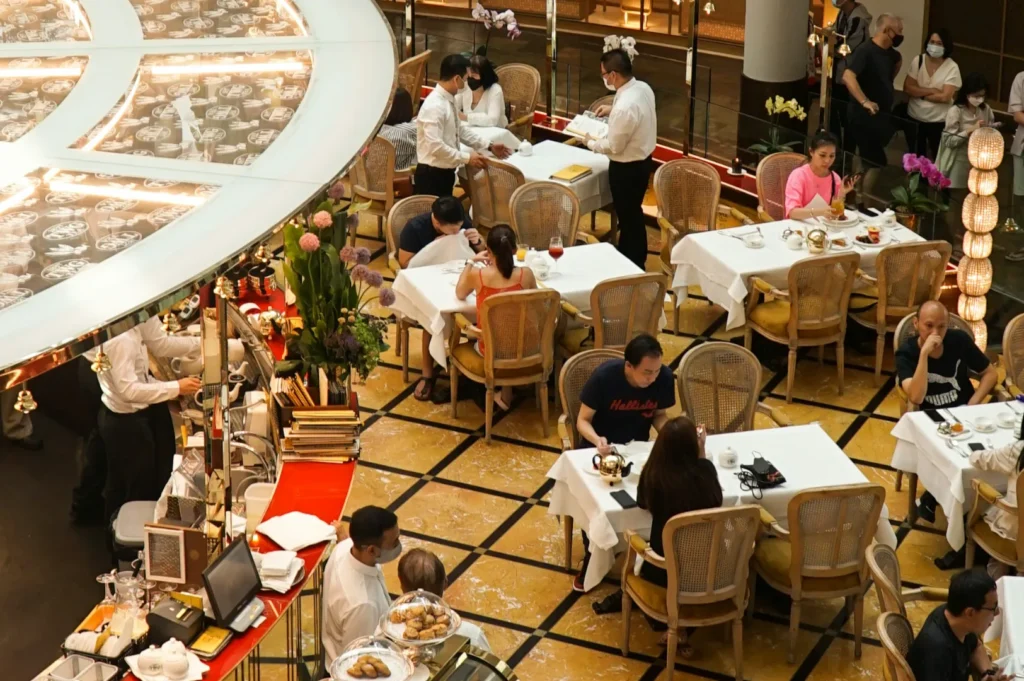
Ultimately, the idea of the top 50 restaurants in Singapore is not a static list carved in stone. It is an evolving dialogue, shaped by the city’s global culinary prominence—evident as nine restaurants from Singapore are featured on Asia’s 50 Best Restaurants list. The scene changes as we change, reflecting our deepening appreciation for craft, our need for comfort, and our desire for authentic connection. To understand what “best” really means here, we have to look beyond the hype and listen to the quiet, steady rhythm of a city that knows exactly what it wants to eat—and why.
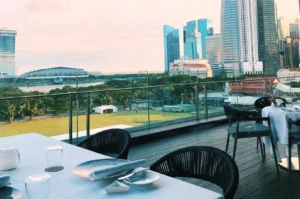
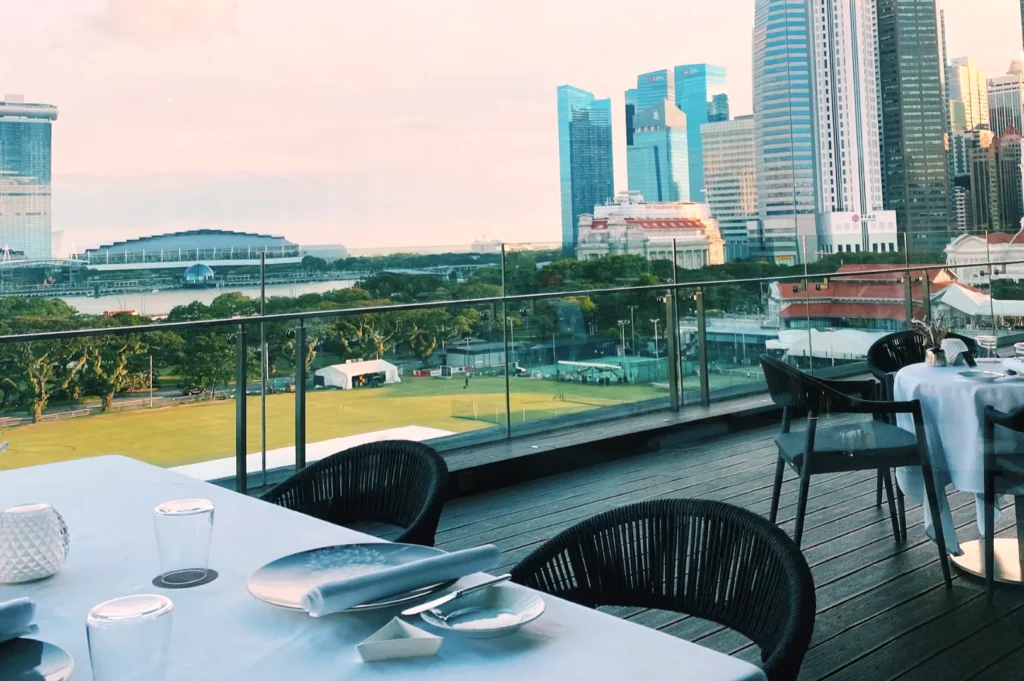
Among these esteemed venues, some are located in iconic spaces like the National Gallery Singapore, where chef Julien Royer’s classic French fare at Odette offers an unforgettable luxurious dining experience with delicate slices of premium ingredients flown in from Tokyo’s Toyosu Market. Odette is a three-Michelin-starred restaurant, while Les Amis stands out as another three-Michelin-starred French fine dining destination. Zén, also with three Michelin stars, offers a unique Nordic-Japanese fusion experience. Summer Pavilion, a Michelin-starred Cantonese restaurant at The Ritz-Carlton, Millenia Singapore, and Imperial Treasure Fine Teochew Cuisine, known for classic Teochew dishes, further showcase the city’s diversity. CÉ LA VI provides panoramic views of the city from Marina Bay Sands, adding to the allure of dining in the Marina Bay area.
Others, like the Coconut Club, are famous for their perfectly spiced and perfectly cooked dishes such as their signature nasi lemak and chilli crab. Burnt Ends, a one-Michelin-starred Australian barbecue restaurant, is celebrated for its open kitchen and high-quality grilled meats. Meta restaurant, a Michelin-starred establishment, is renowned for its French cuisine with Asian influences. Chef Mano Thevar’s contemporary Indian restaurant, led by his innovative vision, has also made a significant mark on Singapore’s dining scene.
Whether you seek the fine dining establishments with exceptional service and an ever evolving menu, or the just a restaurant spots where the familiar flavours and rich flavour of crab meat and smoked quail eggs delight, Singapore’s dining landscape offers a pleasant surprise for every palate. Many top restaurants provide a la carte menu options alongside tasting menus, offering flexibility and variety. Seafood-focused venues highlight the freshest catch, while sustainability is recognized with the Michelin Green Star awarded to restaurants like Fiz. For added convenience and exclusive deals, Grab Dine is a popular choice for reservations and special offers at leading establishments. Singapore’s dining options include innovative restaurants by acclaimed chefs, ensuring the city remains at the forefront of global gastronomy.
With this understanding, we invite you to explore the best restaurants in Singapore—a vibrant tapestry of tradition, innovation, and community that continues to shape our city’s culinary identity.
At SG Dining Guide, we see this conversation not as a ranking to be settled, but as an ongoing exploration of how Singapore eats, gathers, and defines excellence—one table at a time.