In our daily work observing the rhythms of this city’s vibrant culinary scene, it is easy to get caught up in rankings and reservation battles. But when we look beyond the competition and consider the top 50 restaurants in Singapore as a collective, a richer story unfolds. These establishments mirror the values, aspirations, and identity of Singaporean dining culture. They are not just a restaurant; they are cultural landmarks where society gathers to celebrate food and community.
This idea of dining as a shared, meaningful experience is especially evident in more private settings—spaces designed for conversation, celebration, and connection. In this context, Intimate Dining Singapore: Best Private Dining Rooms for Memorable Gatherings reflects another side of the city’s restaurant culture, where exclusivity and atmosphere elevate meals into personal milestones.
Singapore is home to several Michelin-starred restaurants that offer high-quality dining experiences, underscoring the city’s reputation for culinary excellence. The Singapore Michelin Guide features a diverse range of restaurants, from fine dining to casual eateries, catering to different culinary styles and preferences. Additionally, The World’s 50 Best Restaurants includes a ‘Discovery’ list featuring Singapore, further highlighting the city’s dynamic and globally recognized dining scene.
Consistency and Excellence Among the Best Restaurants in Singapore
Singaporean diners, despite their love for novelty, consistently reward reliability and mastery. The best restaurants in Singapore are those that maintain unwavering standards, delivering a satisfying meal whether on a quiet weekday or bustling weekend. From fine dining establishments offering classic French cuisine with a modern twist, to casual restaurants serving beloved local dishes like fried rice and coffee pork ribs, consistency is key. At these venues, most dishes are priced under $50, offering both affordability and a wide variety of menu options. There are also many casual eateries in Singapore that provide wallet-friendly dining options. This dedication to quality ensures diners enjoy all the dishes with the same excellence every visit.
Cultural Hybridity and the Culinary Scene’s Bold Flavours
The culinary landscape here embraces hybridity as the norm. Chefs like chef Mano Thevar infuse traditional Indian flavours into contemporary plates, while others like chef Louis Han and chef LG Han pioneer new Singaporean cuisine that blends heritage with innovation. Filipino cuisine also finds its place in Singapore’s diverse dining scene, with restaurants offering modern interpretations of classic Filipino dishes that appeal to adventurous diners seeking authentic flavors. This fusion creates signature dishes such as blue swimmer crab curry, chilli crab, and Peranakan specialties—Peranakan cuisine itself is a blend of Chinese, Malay, and Indonesian influences, with Michelin-starred restaurants like Candlenut (the world’s first Michelin-starred Peranakan restaurant) and True Blue Cuisine offering Nyonya classics and traditional kueh. Sichuan cuisine is also celebrated for its innovative reinterpretations, with top restaurants incorporating bold Sichuan flavors into contemporary menus.
Signature dishes across the top 50 restaurants in Singapore showcase standout ingredients such as crab meat (featured in marinated crab and crab croquettes), duck breast (expertly prepared and presented as a main), sakura chicken (a specialty in Jollof rice or as a standalone main), and rye bread (adding depth and texture to artisanal plates). The city’s fine dining scene is also renowned for its classic French fare, with restaurants like Les Amis and Odette (both three-Michelin-starred) exemplifying the timeless appeal and culinary heritage of French cuisine.
Singapore’s top restaurants are celebrated for their bold and rich flavour, especially in dishes featuring complex spices and seasoned ingredients. Odette, led by chef Julien Royer, is known for its focus on quality produce and refined French techniques. Thevar, a two-Michelin-starred modern Indian restaurant, incorporates European culinary techniques into its regional Indian dishes. Cloudstreet, helmed by chef Rishi Naleendra, focuses on progressive Australian gastronomy and seasonal produce. Labyrinth, under chef LG Han, offers a modern take on traditional Singaporean cuisine using local ingredients. Naeum, with chef Louis Han, specializes in contemporary Korean cuisine. Pangium redefines Straits cuisine with modern elegance, while Burnt Ends is an award-winning Australian barbecue restaurant. Rempapa serves a multicultural menu with flavors from Chinese, Peranakan, Eurasian, Indian, and Malay kitchens, and Latido introduces vibrant modern Colombian cuisine. Indian cuisine in Singapore features a variety of regional dishes, and Malay cuisine is represented by favorites like nasi lemak—The Coconut Club is renowned for its premium nasi lemak made with fresh-pressed coconut milk.
Accessibility and Exceptional Service Across Singapore Restaurants
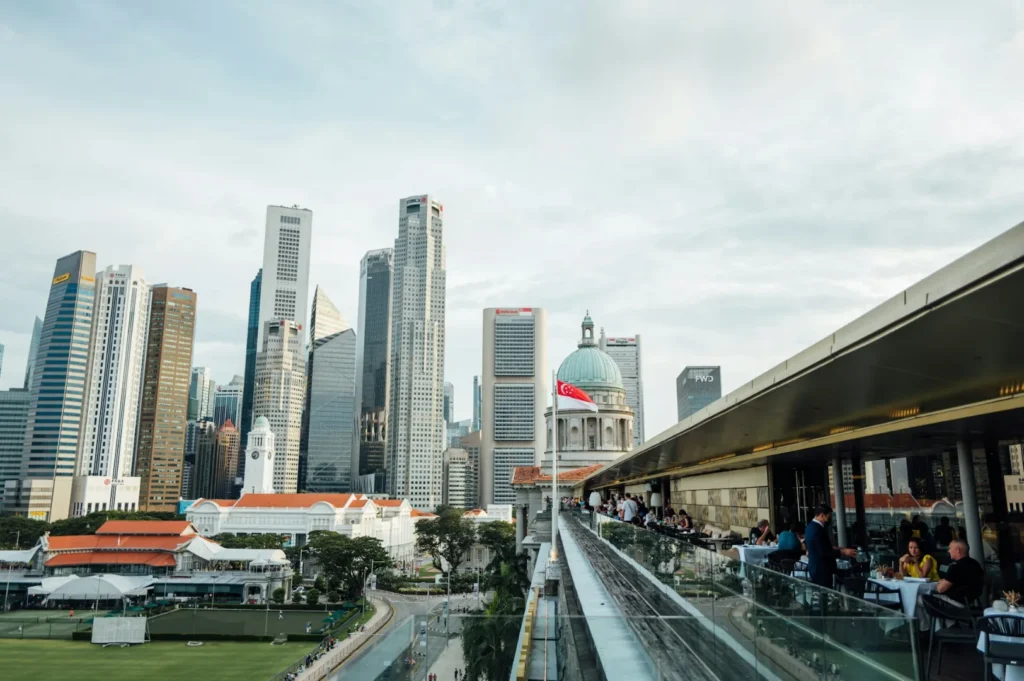
The restaurants in Singapore featured among the top 50 demonstrate that excellence is not confined to formal settings or high price tags. Many top restaurants offer la carte menu options, allowing diners to order individual dishes beyond set menus for greater flexibility and variety. From the intimate space of a sister restaurant offering la carte menus to grand fine dining venues like those at the National Gallery Singapore, exceptional service and culinary craftsmanship are accessible. The influence of the head chef is evident in both casual and fine dining venues, shaping the menu and overall dining experience with their expertise and vision.
Places like the Coconut Club showcase how premium ingredients such as perfectly spiced organic chicken and fragrant coconut rice can be served in a welcoming atmosphere, proving that a luxurious dining experience can also be approachable. Restaurant offers, such as special deals or menu highlights, further attract diners seeking value and unique experiences. The convenience of using platforms like Grab Dine allows guests to book tables, access exclusive deals, and pay seamlessly, making it easier to enjoy these top dining destinations.
Accessibility is also reflected in the diversity of options: Tipo Pasta Bar is a Muslim-owned eatery offering handmade pasta (not halal-certified), while Hjh Maimunah and Cumi Bali are halal-certified and specialize in kampong-style Minangnese dishes and Balinese barbecue, respectively. Lagnaa is a Michelin Bib Gourmand restaurant with vegetarian set menus, and The Coconut Club is not halal-certified but uses no pork or lard. Open Farm Community provides gluten-free, vegan, and vegetarian options, and The Halia is a halal-certified and vegetarian-friendly restaurant located in the Singapore Botanic Gardens.
Reservations are often recommended at popular restaurants in Singapore due to high demand.
Craftsmanship, Seasonal Ingredients, and Ever-Evolving Menus
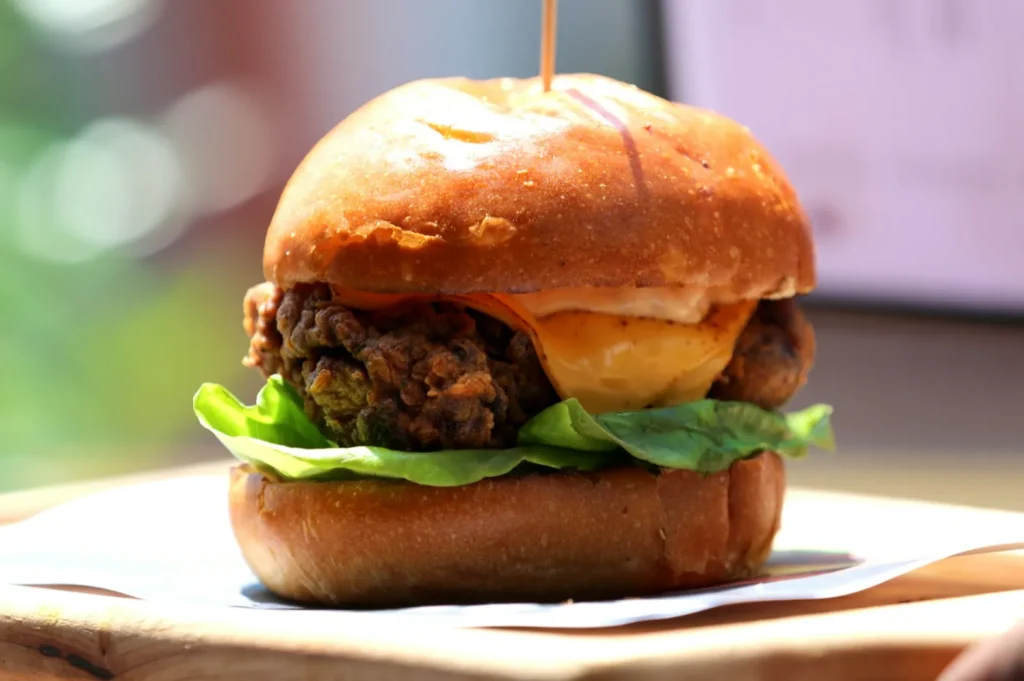
A growing emphasis on technique and provenance marks Singapore’s dining evolution. Diners seek depth in their meals—whether it’s the slow-cooked richness of potato soup or the delicate preparation of smoked quail eggs paired with smoked bacon butter. Fine dining establishments like those helmed by chef Julien Royer offer tasting menus that change with seasonal ingredients, often featuring a cheese trolley as part of the fine dining experience, especially in restaurants with French influences. Some top restaurants also present goat’s milk ricotta as a refined starter or appetizer, setting the tone for a gourmet meal. Dishes are prepared with culinary precision, ensuring each item is perfectly cooked to highlight the chef’s skill. The ever evolving menu concept keeps the culinary experience dynamic, providing a pleasant surprise with every visit.
Many unique dining experiences focus on storytelling through their menus, highlighting the chef’s personal journey or cultural heritage. Fine dining establishments create a unique atmosphere through their interior design and presentation of dishes, and unique experiences often feature themed decor that enhances the overall atmosphere. Interactive elements like open kitchens allow diners to watch chefs prepare their meals, adding to the immersive experience. Additionally, several restaurants have received the Michelin Green Star for their commitment to sustainability and eco-friendly practices, further elevating Singapore’s reputation for world-class, responsible gastronomy.
Dining as a Social and Cultural Experience
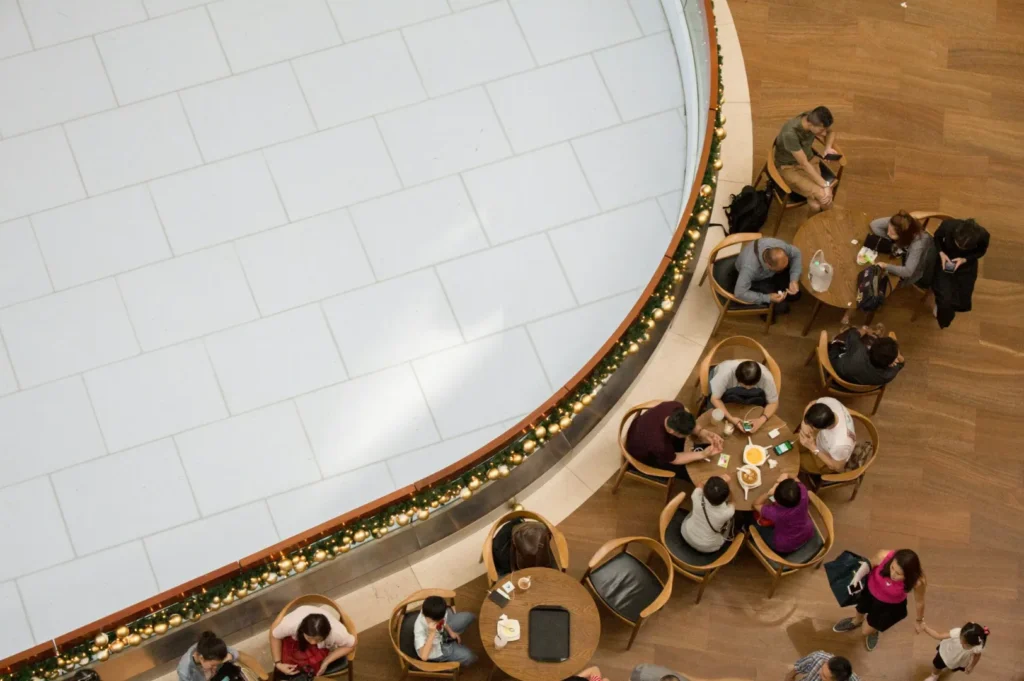
Beyond food, dining in Singapore is a social act. Restaurants serve as modern communal spaces where sharing small plates, enjoying wood fired pizzas with an airy crust, or savoring flat iron steak at the bar counter fosters connection. Many dining establishments are located in vibrant neighborhoods, further enhancing the overall dining experience. Venues with impressive views of Marina Bay offer diners a premium environment and scenic backdrop, making meals even more memorable. Dining establishments in or near the Singapore Botanic Gardens, such as The Halia—a halal-certified and vegetarian-friendly restaurant—provide unique settings that contribute to unforgettable meals. National Kitchen by Violet Oon is another standout, serving classic Peranakan and Singaporean dishes in a charming colonial-style ambiance. Whether celebrating a special occasion or enjoying a casual meal, these venues become extensions of our homes. The warm service and inviting ambiance found across the top 50 restaurants in Singapore highlight how food brings people together in meaningful ways.
For moments that call for a little more privacy—family milestones, business celebrations, or intimate reunions captures how Singapore’s restaurants create spaces that feel both personal and exceptional.
Conclusion
The top 50 restaurants in Singapore collectively paint a portrait of a city balancing tradition and innovation, consistency and creativity, luxury and accessibility. They represent a culinary scene that values authenticity, craftsmanship, and community. As these restaurants continue to evolve, they will undoubtedly shape Singapore’s identity as a global food destination where every meal is an opportunity to experience familiar flavours reimagined with a contemporary twist.
Visit us at SG Dining Guide for more.