In the world of gastronomy, fame is often fleeting. Trends come and go, viral sensations fade, and what was once celebrated can quickly become cliché. Yet, certain dishes in Singapore transcend these cycles. They are not merely popular; they are woven into the very fabric of our nation. But what is the alchemy that transforms a simple plate of noodles or a bowl of soup into something revered? What truly makes best food in Singapore stand the test of time?
Singapore’s food reflects its multicultural roots, shaped by centuries of immigration and trade between Chinese, Malay, Indian, and Peranakan communities. Chinese immigrants, in particular, played a significant role in shaping the culinary landscape, bringing their traditions and intermingling with local cultures to create unique flavors and dishes.
To understand this, we must look beyond taste. While flavor is paramount, iconic status is rarely achieved by deliciousness alone. It requires cultural resonance, historical depth, and a collective memory that binds a community together. Singapore’s food culture is a mirror reflecting our national identity—diverse, resilient, and constantly evolving. When we speak of beloved dishes Singapore is famous for, we are telling the story of our people. From the humblest hawker stalls to the most polished singapore restaurants, these dishes serve as edible artifacts of our heritage, proving that food is perhaps the most powerful language we share.
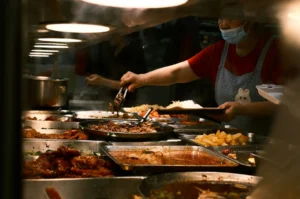
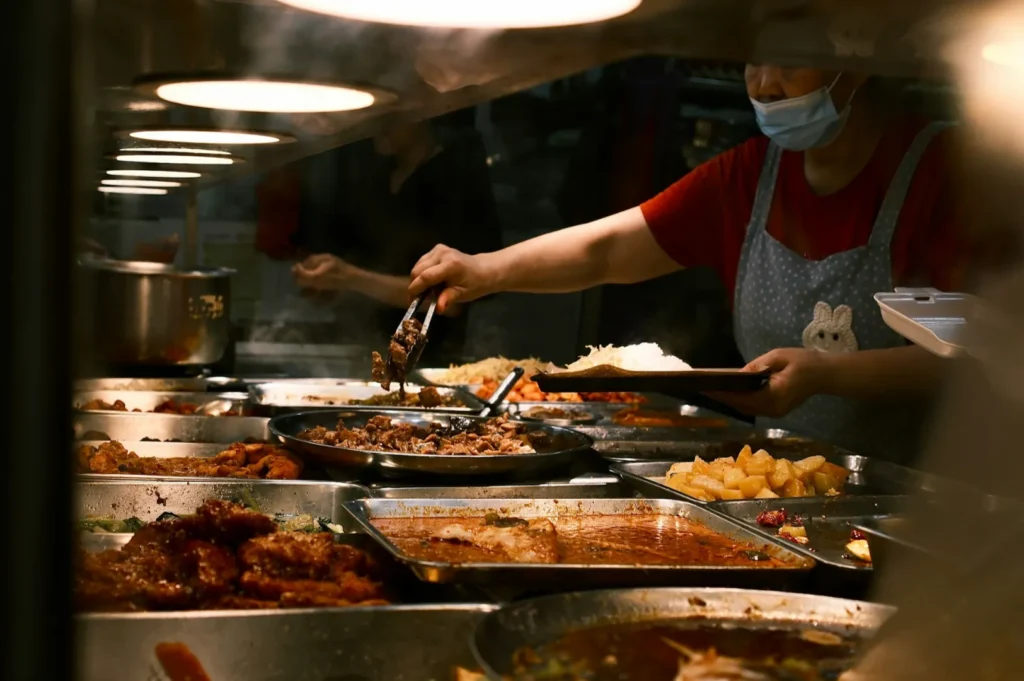
Hawker centers, open-air food courts that are the heart of Singapore’s food culture, offer a vibrant and bustling atmosphere filled with the sounds and smells of cooking food. They are a great place to experience Singapore’s multicultural food heritage in one sitting, showcasing a wide variety of dishes from different communities. Among these, Peranakan cuisine stands out as a unique fusion of Chinese, Malay, and Indonesian influences, reflecting the rich cultural heritage of the Peranakan people.
Hainanese Chicken Rice: Singapore’s Signature Dish
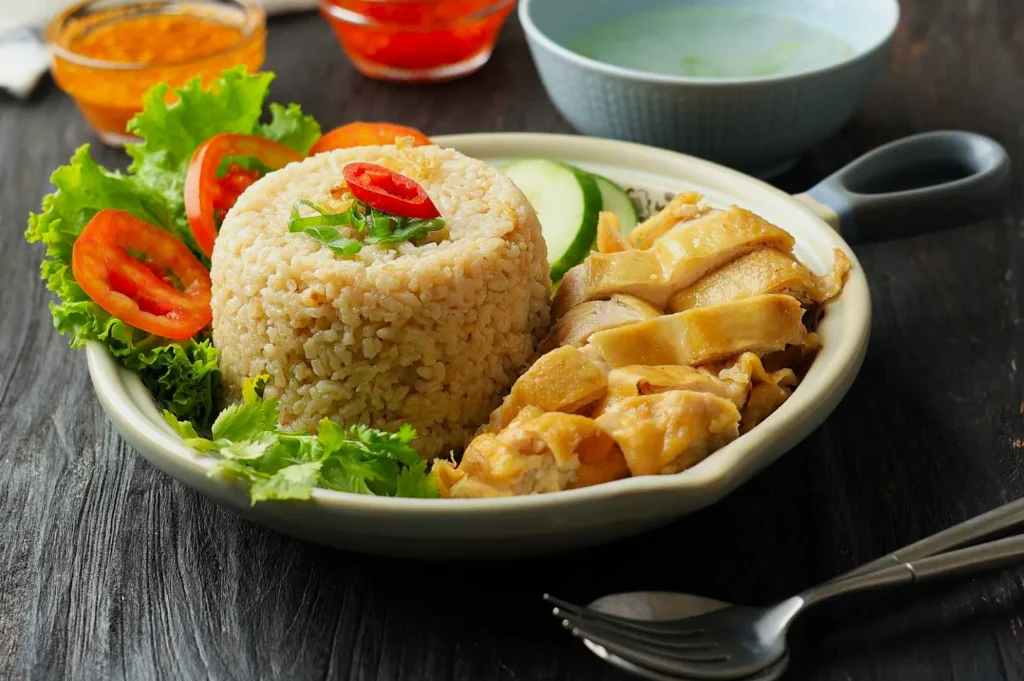
One of the most iconic dishes in Singapore is undoubtedly Hainanese chicken rice. Widely considered Singapore’s national dish and a must-try for any visitor, this signature dish blends Chinese origins with local innovation, featuring tender hainanese chicken served atop fragrant rice cooked in chicken fat and garlic. The rice itself is a masterpiece of flavorful rice infused with the aroma of pureed ginger; some versions use basmati rice for its fluffy, aromatic qualities, further elevating the dish. The meal is complemented by sauces like dark soy sauce, chili sauce, and a ginger paste. It is typically served alongside soft boiled eggs and a cup of strong local coffee at a traditional coffee shop, exemplifying the best of Singapore food.
Many locals and tourists flock to places like Maxwell Food Centre, a famous food centre known for its best hawker stalls including those specializing in chicken rice. Tian Tian Chicken Rice at Maxwell Food Centre is one of the most famous places to try this dish. The balance of tender chicken, fragrant rice, and spicy condiments make it an unforgettable experience and a must-try when you eat in Singapore.
Chili Crab: The Beloved Seafood Delicacy
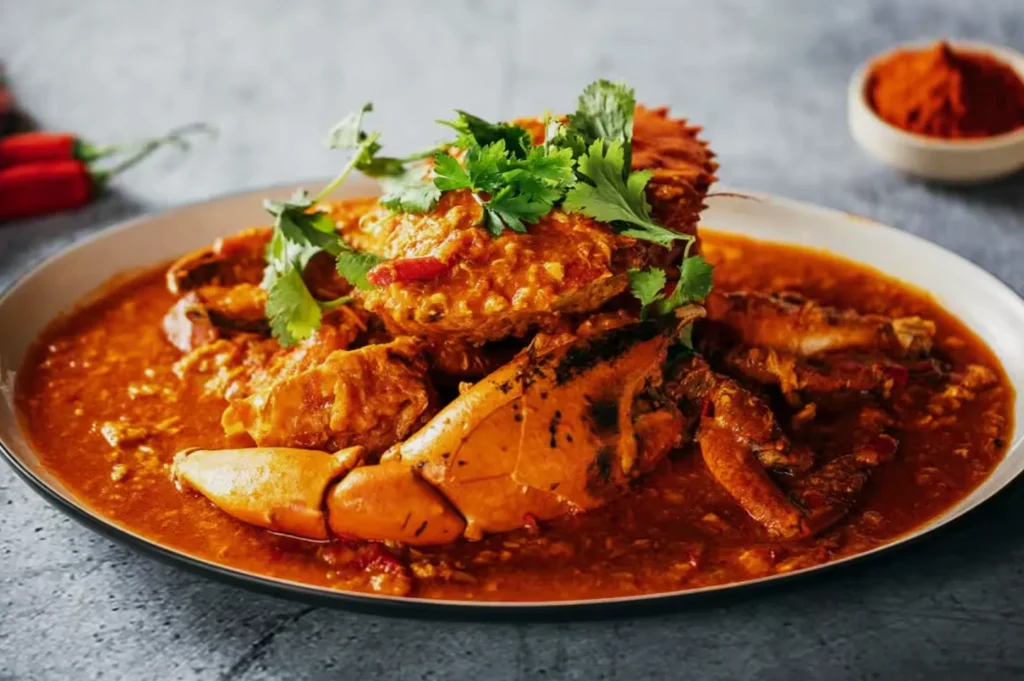
Another beloved dish that defines Singapore’s culinary landscape is chili crab. This dish features fresh mud crabs cooked in a rich, tangy sauce made with tomatoes, coconut milk, and a blend of spices that create a perfect harmony of savory flavors and a mild kick from the spicy chili sauce. Despite its name, the dish is not overly spicy but rather delightfully aromatic and sweet, often enjoyed with fried or steamed buns to soak up the luscious sauce.
Alongside black pepper crabs, chili crab is a must-try for visitors and locals alike. Many singapore restaurants and hawker centres offer their own versions, but the freshness of the crab and the quality of the sauce are what truly make it incredibly tasty.
Food Tour: Discovering Singapore’s Culinary Treasures
To fully appreciate the diversity and depth of food in Singapore, a food tour is highly recommended. Hawker centers offer a wide variety of affordable, delicious, and authentic local dishes under one roof. The food at hawker centers is often prepared by skilled vendors who have honed their craft over many years. Dining at hawker centers allows for a casual and communal experience, where people can share tables and enjoy different dishes together. These tours guide visitors through bustling hawker centres and food centres, introducing them to a variety of dishes from different ethnic backgrounds. For example, a popular stop is Maxwell Food Centre at 1 Kadayanallur St, rd Singapore, which is easily accessible from Tanjong Pagar MRT station. From sampling bak kut teh—a hearty broth made with pork bones and meat bone tea—to savoring roti prata with curry, or tasting the sweet and savory delights of peranakan food, a food tour offers a comprehensive taste of Singapore’s rich culinary heritage.
Chicken Rice and Other Hawker Centre Favorites
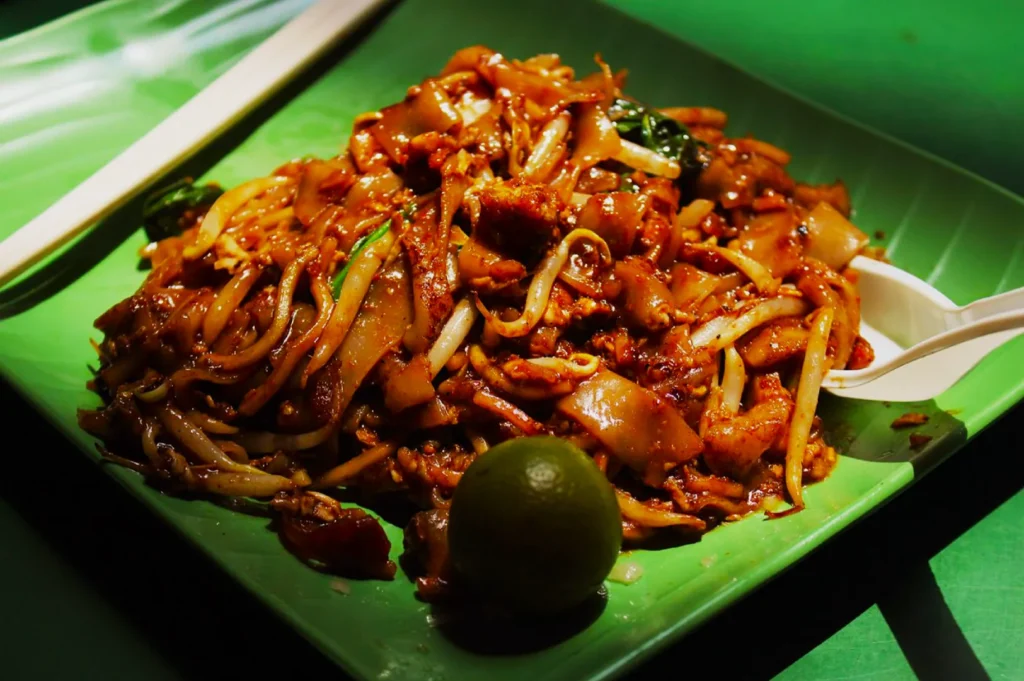
Beyond Hainanese chicken rice, Singapore’s hawker centers are treasure troves of local favorites and are popular among both locals and tourists for their variety and affordability. Char kway teow, a stir-fried noodle dish made with flat rice noodles, egg noodles, pork lard, and char siu, delivers a smoky, rich flavor that is hard to resist. Another classic is the oyster omelette, a crispy and savory dish often enjoyed with a splash of chilli sauce.
Other staples include fried chicken coated in a crispy batter, fried tofu, and carrot cake—locally known as Chai Tow Kway—which is made from daikon radish and rice flour, stir-fried with eggs and topped with crushed peanuts and bean sprouts. For some of the best carrot cake, try Song Zhou Luo Bo Gao.
Hokkien Mee is another popular fried noodle dish that includes a mixture of yellow egg noodles and white rice noodles; Nam Sing Fried Hokkien Mee is a legendary hawker stall for this dish.
Bak Chor Mee, meaning ‘minced pork noodles’, is a dry noodle dish served with a light broth on the side and topped with seasoned minced pork. Hill Street Tai Hwa Pork Noodles is a famous hawker stall known for its Bak Chor Mee.
Wanton Mee is a beloved dish consisting of yellow egg noodles and wanton dumplings; Guangzhou Mian Shi Wanton Noodle is a recommended family-run stall.
Fish Bee Hoon features rice noodles served in a delicate fish broth, and Jing Hua Sliced Fish Bee Hoon is a well-known stall for this comforting noodle soup.
Yong Tau Foo is a dish with stuffed tofu, often served in a light broth and commonly includes fish cake as an ingredient. Yong Xiang Xing Tou Foo is a legendary stall for Yong Tau Foo in Singapore.
These dishes are typically found in vibrant hawker centers like the famous Maxwell Food Centre, where locals and tourists mingle over plates of delicious street food.
While hawker centres remain the heart of everyday dining, Singapore’s culinary landscape also embraces more intimate settings—an evolution explored in Intimate Dining Singapore: Best Private Dining Rooms for Memorable Gatherings, which examines how privacy and personalization are redefining modern dining experiences.
Food Centre Delights: From Rice Cakes to Fish Balls
Singapore’s food centres offer a variety of snacks and small bites that are integral to the local dining experience. Rice cakes, made from glutinous rice, and fish balls crafted from fresh fish paste, are popular street food items often served with chili sauce or in a flavorful broth. These snacks, along with egg tarts—a must-try treat with cultural significance in Singapore—and kaya toast—toast spread with coconut jam and butter—are staples in coffee shops and hawker stalls.
For dessert, don’t miss ice kacang, a popular treat in Singapore made with shaved ice and various toppings. Condensed milk is typically poured over the top, adding sweetness and creaminess to the mix. Berseh Ice Kacang is known for serving one of the best versions of this dessert in Singapore.
The diversity of offerings at these centres reflects the multicultural tapestry of Singapore’s society, blending malay dishes, Chinese influences, and Indian spices into a harmonious culinary symphony.
The Role of Tradition and Innovation in Singapore Food
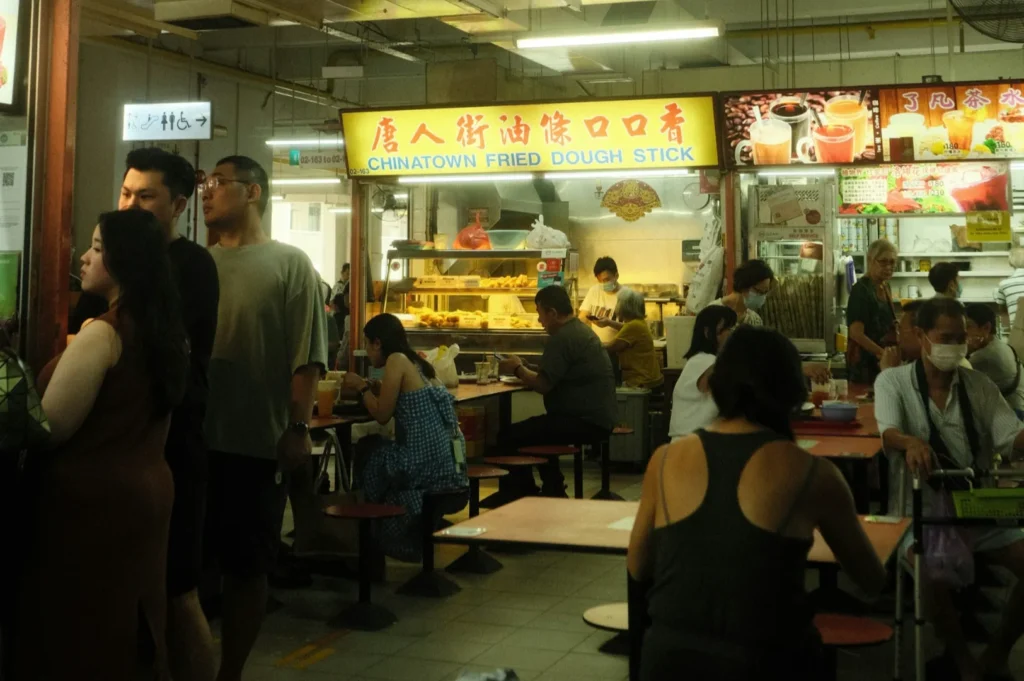
What makes best food in Singapore truly iconic is its ability to honor tradition while embracing innovation. The diverse food culture in Singapore has been shaped by its historical trade routes and the intermingling of various ethnic communities. Dishes like bak kut teh—which literally translates to “meat bone tea”—are traditionally eaten with strong sweet milk tea, while modern chefs reinterpret classics like nasi lemak and beef rendang with new ingredients and presentation styles. Peranakan food, a unique blend of Chinese and Malay influences, is also popular and highlights the fusion found in Singaporean cuisine. Traditional dishes such as roast meats, including pork belly, roast duck, and char siu, are widely available at Cantonese-style restaurants and are celebrated for their flavor and texture.
This dynamic balance ensures that Singapore’s culinary heritage remains vibrant and relevant, continuing to attract food lovers from around the world who come to eat in Singapore and experience its unparalleled food culture.
Conclusion: A Culinary Journey Worth Taking
Ultimately, the essence of Singapore food culture lies in its stories, its people, and its flavors. From the richly spiced peranakan food to the comforting bowls of bak kut teh, from the bustling hawker centres to the elegant singapore restaurants, the best food in Singapore offers something for every palate.
Whether you are indulging in fried fish with garlic butter, savoring the sweetness of palm sugar in a traditional dessert, or enjoying a refreshing Singapore Sling at a historic bar, each experience deepens your connection to this vibrant city-state. Singapore’s food is more than just a meal—it is a celebration of heritage, community, and innovation.
As dining preferences continue to evolve, many Singaporeans are seeking more personal, immersive culinary experiences—an idea explored in various articles and guides on SG Dining Guide, where thoughtful settings and curated menus redefine how we connect over food.