Most hawker stalls do not close with much fanfare.
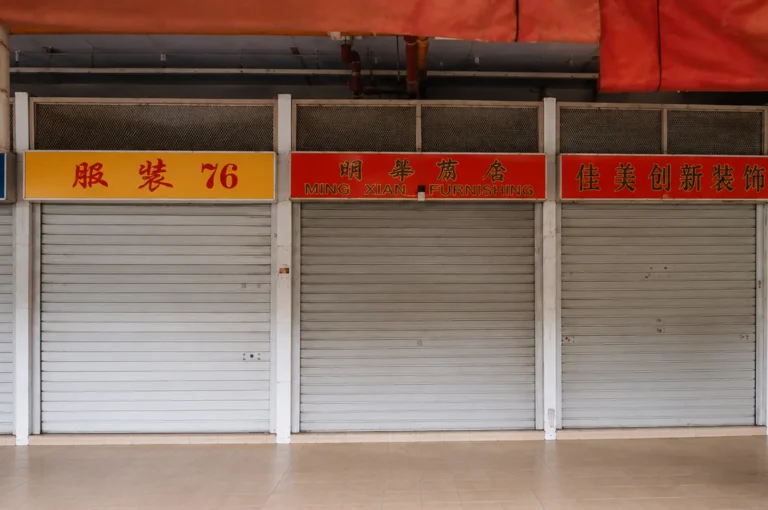
There are no farewell ceremonies. No headlines. Sometimes there is only a handwritten sign thanking customers for years of support. Other times, the shutters simply stay down one morning and never reopen.
A few weeks later, a new tenant moves in. The tables remain the same. The crowd returns. Life goes on.
But for the people who grew up with that stall, something feels different.
I think that is because long-running food stalls become more than businesses over time. They become landmarks in people’s lives.
Many Singaporeans can remember a favourite stall not just by its food, but by the memories attached to it. The uncle who remembered your order. The weekend breakfasts with your parents. The after-school meals that somehow tasted better because you were sharing them with friends.
The food may have been the reason you first visited, but it was never the only reason you kept coming back.
When one of these stalls disappears, it creates a small gap in the neighbourhood’s identity.
The loss is difficult to explain to someone who never visited the place. After all, there are usually other stalls nearby. Another bowl of noodles can be found somewhere else. Another plate of chicken rice is often just a few minutes away.
Yet regular customers know that replacements are not always substitutes.
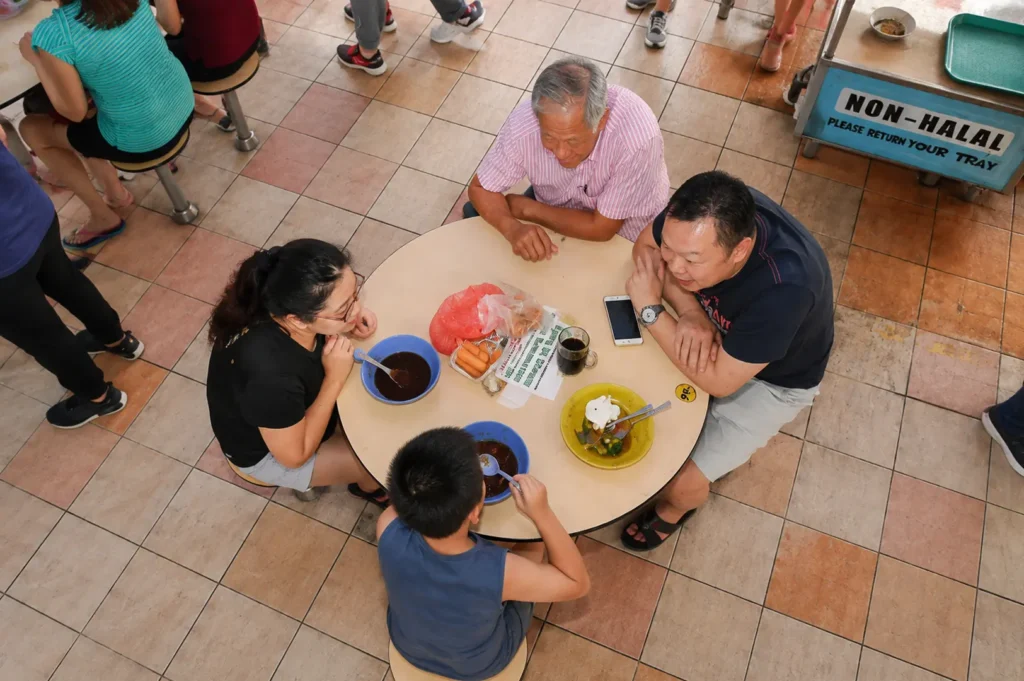
Every long-running stall develops its own personality. It becomes part of the rhythm of the neighbourhood. Residents use it as a meeting point. Elderly customers build friendships with stall owners. Families return year after year until the faces behind the counter feel almost familiar enough to be relatives.
In many ways, these stalls become part of the local community’s memory bank.
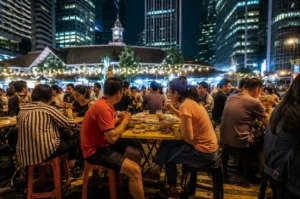
Perhaps that is why news of a retirement often spreads quickly. People rush back for one final meal. Old customers share stories online. Some travel across the island just to visit before the last day.
What they are trying to preserve is not only the taste of the food.
They are trying to hold onto a piece of their own history.
Singapore changes quickly. Buildings are redeveloped. Shops come and go. Entire neighbourhoods evolve over time. Change is inevitable, and not every food business can continue forever.
Still, every time a well-loved stall closes, we are reminded that hawker culture is not only about recipes and dishes. It is about people, relationships, and shared experiences accumulated over decades.
The next time you visit a favourite stall, take a moment to appreciate it. Not because it will disappear tomorrow, but because places that feel permanent often are not.
When a stall closes, we do not just lose a place to eat. We lose a familiar face, a gathering point, and a small piece of the neighbourhood’s story. That is why its absence is often felt long after the signboard comes down.